Marine 'forever chemicals' disrupt energy production in seabirds
‘Forever chemicals’ and mercury are affecting the cellular energy efficiency of Shearwater birds, according to a new study. Researchers say the findings are critical to developing new conservation strategies to deal with the complex threat.
Common marine pollutants are disrupting the energy production in wild seabirds at a cellular level, potentially affecting an individual’s fitness, flight abilities, and crucially its reproductive success, new research has revealed.
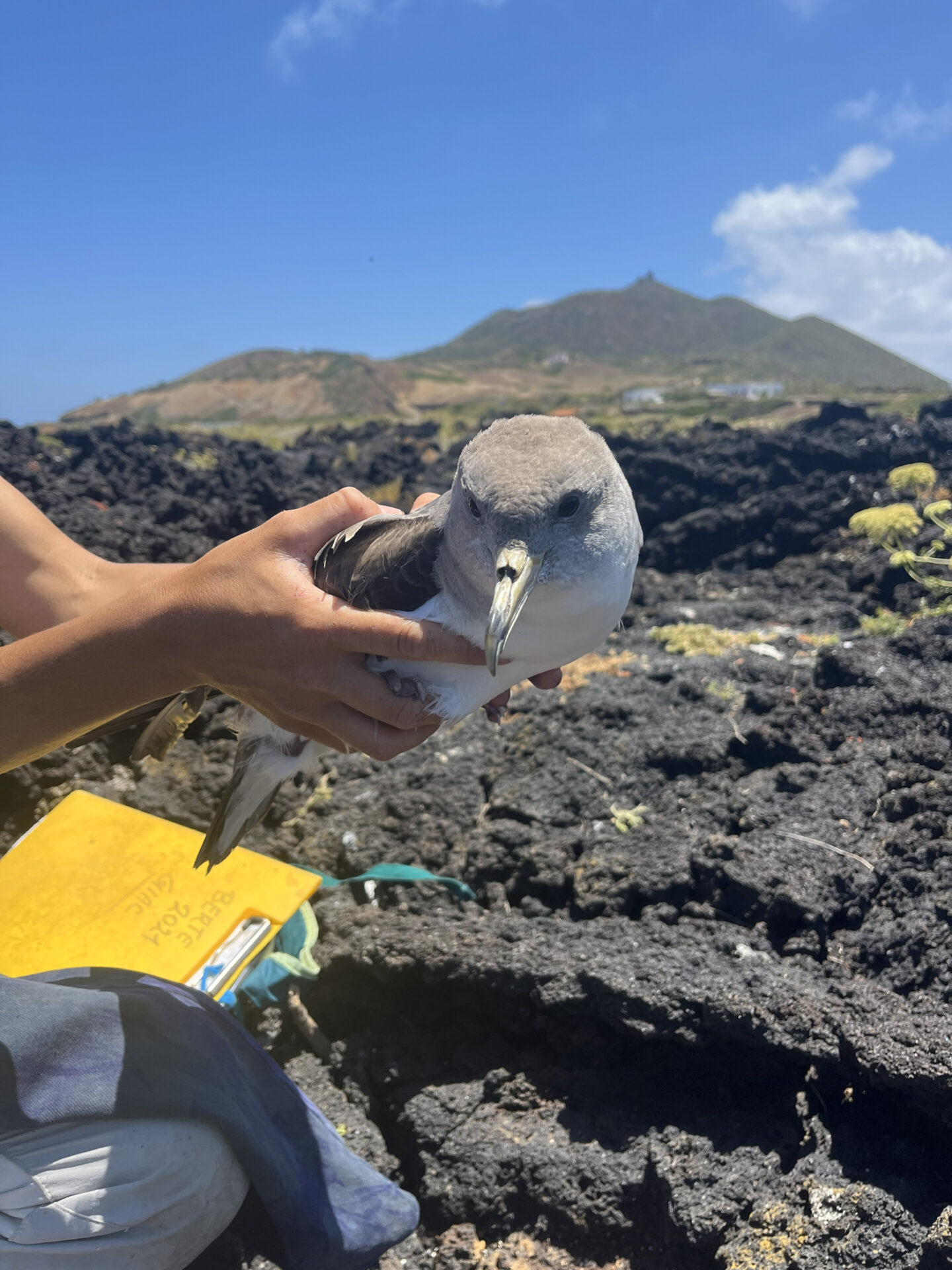
The study, published in Environment and Health, focused on Scopoli’s shearwater breeding on Linosea, a small remote volcanic island in the Sicilian Channel. The international team of researchers measured both pollutant levels and mitochondrial function in the species, with a particular focus on mercury levels and certain ‘forever chemicals’.
Findings revealed that such widespread contaminants affect the function of mitochondria – microscopic cellular powerhouses that generate energy for activities from flight to reproduction – in the Scopoli’s shearwaters tested.
PFAS, also known as “forever chemicals”, are commonly found in products like nonstick cookware and stain-resistant fabrics, which despite growing regulations are still widely used today.
In the oceans, bacteria convert mercury into extremely dangerous methylmercury. This compound accumulates in animal tissues, and concentrates up the food chain, meaning top predators carry the highest levels.
As top predators with decades-long lifespans, shearwaters accumulate contaminants over time, making them indicators of ocean health.

In other news



Birds with higher mercury levels were found to have more porous mitochondrial membranes, which reduces their capacity to produce energy – in the same way that water bypassing the turbines in a hydroelectric dam would decrease the energy plant’s output.
High levels of PFAS were conversely found to create a stiffened membrane, and block an important safety valve that prevents harmful build up, potentially causing cellular damage.
Older birds and males carried more mercury through diet, food choice and lifetime accumulation, while female birds expel mercury through egg laying.
PFAS, however, showed no links to age, sex, or diet, suggesting fundamentally different contamination routes than mercury. The scientists say understanding these different exposure pathways is critical for protecting seabird populations and developing targeted pollution reduction strategies.
“Pollutants of global concern, such as PFAS and mercury, are well known to be toxic. However, it is only now that advancements in fine-scale technology and minimally invasive field methods have allowed us to understand their effects on wildlife at the ecosystem scale, with important implications for developing conservation approaches,” said Guadalupe Lopez-Nava, co-first author of the paper, and graduate student at the Max Planck Institute for Biological Intelligence.
“Chemical pollution is one of the more complex threats to marine ecosystems at all levels, due to its inconspicuous nature and diverse impacts,” added Lucie Michel, co-first author and graduate student at the University of Giessen.
“Future work must examine impacts on survival, breeding success, and overall fitness. It is also critical to understand these impacts in the context of other threats to wildlife such as including overfishing, plastic pollution, and global heating.
“Long-term monitoring will be essential to answer these questions, with implications also for understanding their impacts on human health, since we face similar exposures,” she concluded.


"*" indicates required fields
