Mediterranean seagrass restoration "underfunded and fragmented"
A new ARTEMIS project report calls for Mediterranean seagrass restoration to move beyond fragmented pilot projects, setting out 15 recommendations on governance, funding and private finance as EU National Restoration Plans take shape.
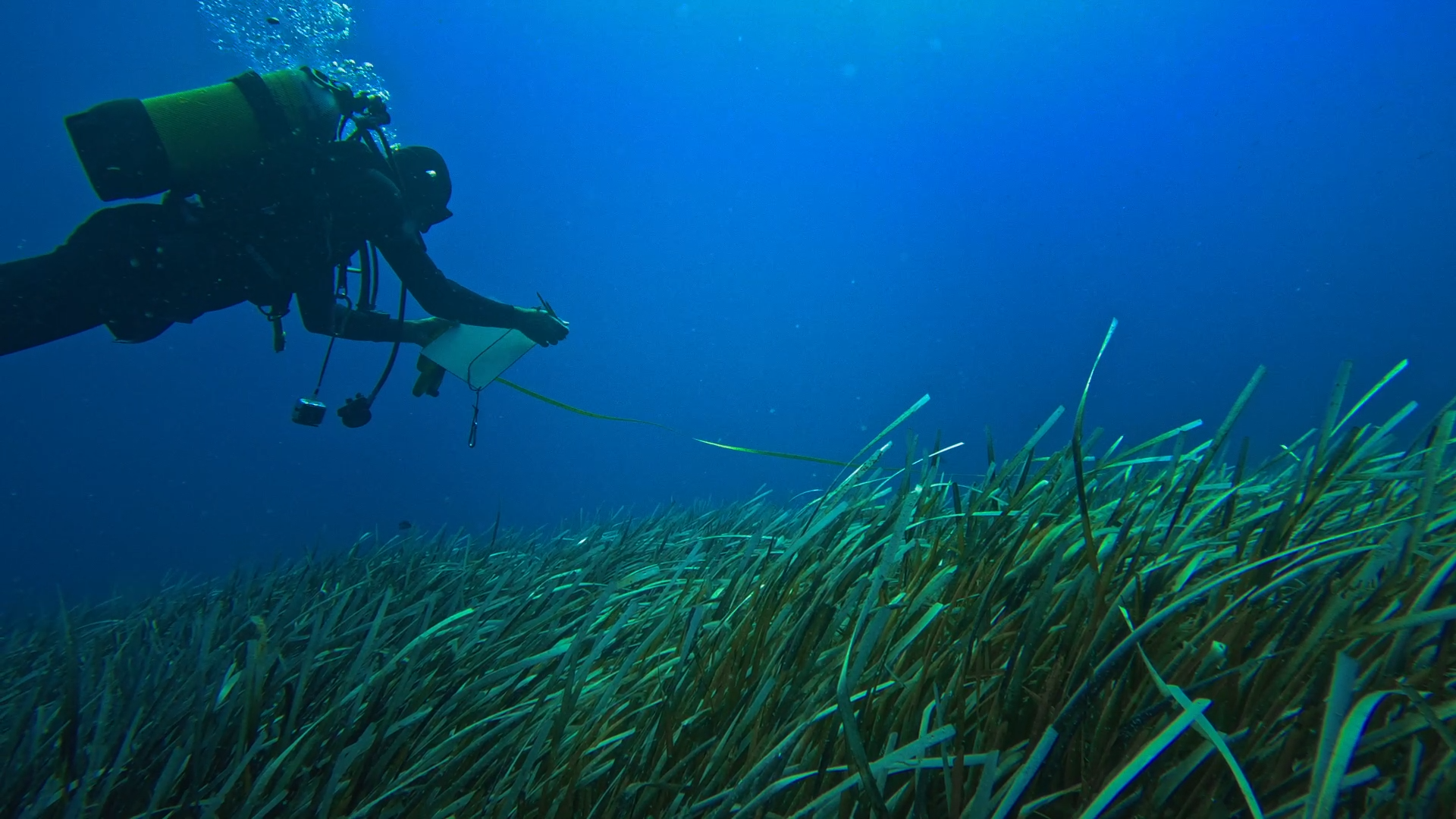
Posidonia oceanica – the ancient seagrass meadow that carpets vast stretches of the Mediterranean seafloor – continues to decline despite decades of conservation effort.
Coastal development, anchoring damage and climate change are eroding one of the ocean’s most productive and carbon-rich ecosystems, and the restoration projects designed to reverse that decline “remain too small, too isolated and too poorly funded to turn the tide.”
A new report from the Interreg Euro-MED ARTEMIS project argues that this must change, setting out 15 policy recommendations to move Mediterranean seagrass restoration from fragmented ambition to coordinated, large-scale action.
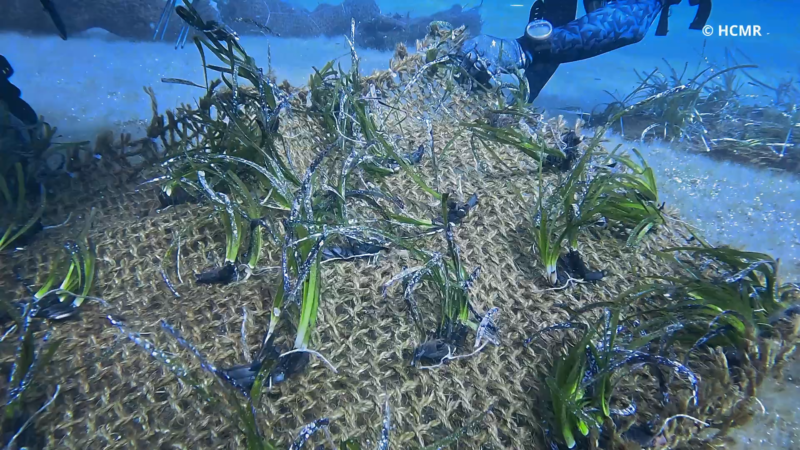
The report, titled Accelerating Seagrass Restoration and Finance, draws on lessons from ARTEMIS pilot restoration sites across Greece, Italy and Spain, and examines the ecological, legal and financial conditions needed to restore Posidonia meadows at the scale the Mediterranean requires.
It argues that governance frameworks are inconsistent, technical standards are misaligned, and the financing is nowhere near sufficient for ecosystems that recover on timescales measured in decades rather than in years.
Posidonia oceanica meadows are among the Mediterranean’s most ecologically and climatically significant habitats. They support extraordinary marine biodiversity, protect coastlines from erosion, and store carbon at rates that make them a critical component of the region’s response to climate change. Their loss is not simply an ecological setback. It is a measurable reduction in the natural infrastructure that sustains both ocean health and coastal communities.
EU member states are currently preparing National Restoration Plans under the EU Nature Restoration Regulation, with first drafts due to the European Commission by 1 September 2026. The ARTEMIS recommendations are designed to feed directly into that process, as well as into the ongoing implementation of the European Commission’s Roadmap towards Nature Credits – a new framework for integrating private finance into nature restoration.

In other news

The 15 recommendations are structured around four priorities: strengthening governance and strategic planning; improving implementation capacity; securing long-term public funding; and developing credible private financing mechanisms.
Among the headline calls, the report urges Mediterranean countries to develop scientifically grounded National Restoration Plans, establish dedicated restoration frameworks specifically for Posidonia oceanica, strengthen marine spatial planning and protected area management, and embed seagrass ecosystems within both climate policy and blue carbon frameworks.
“While restoration is now firmly on the policy agenda, the governance and financing conditions needed to deliver it at scale are still lacking,” said Ioli Christopoulou, Policy Director and co-founder of The Green Tank. “The ARTEMIS recommendations provide concrete policy directions to turn ambition into action across EU, national, regional and local levels.”
Arnaud Terisse, Biodiversity Programme Officer at Plan Bleu – which coordinated the ARTEMIS project across ten partners and five countries – was direct about what scaling up will require.
“The restoration of Posidonia oceanica can no longer rely on isolated projects. Scaling up action across the Mediterranean will require stable financing, coordinated governance, and stronger regional cooperation to share expertise, harmonise approaches, and ensure restoration targets are met on time.”
The report’s findings were presented at the ARTEMIS Final Conference in Menorca in June and at an online policy roundtable hosted by MEP Dimitris Tsiodras. That roundtable – titled From Meadows to Markets: Advancing Seagrass Restoration and Sustainable Financing – brought together policymakers, scientists and conservation practitioners to examine how the gap between policy ambition and on-the-ground implementation can be closed before the Mediterranean’s seagrass meadows decline further still.


"*" indicates required fields
Printed editions
Current issue
Back issues


Enjoy so much more from Oceanographic Magazine by becoming a subscriber.
A range of subscription options are available.
