Our Ocean makes history in Kenya with $6.4 billion in commitments
The Our Ocean Conference concluded in Mombasa with 320 commitments worth $6.4 billion, as Africa hosted the landmark event for the first time and signalled its growing leadership in global ocean governance.
More than 100 governments, businesses, and civil society organisations announced 320 new commitments worth $6.4 billion at the 11th Our Ocean Conference, which concluded last week in Mombasa, Kenya – marking the first time the conference has been held on the African continent.
The commitments span ocean conservation, sustainable fisheries, climate resilience and blue economy development, and were made before an audience of more than 5,000 participants, including heads of state, ministers, scientists, Indigenous leaders, youth representatives and business executives.
Among the headline announcements, the World Bank Group pledged to invest $1 billion over the next two years to help developing countries build sustainable and resilient blue economies. Canada committed $682 million to its Small Crafts Harbours Program to support coastal and rural communities.
Kenya – as host nation – announced approximately 42 commitments worth an estimated $1 billion, covering marine protected area expansion, fisheries monitoring, climate finance and blue economy development. And French Polynesia announced plans to strengthen protections within the Tainui Atea, the world’s largest marine protected area, through more than 27,000 square kilometres of new regulated fishing areas, coastal protection zones and seamount protections.
Kenya also committed $200 million to install electronic monitoring across all industrial fishing vessels operating in its waters – a significant step in a continent where illegal, unreported and unregulated fishing is estimated to cost African economies between $11 billion and $13 billion annually.
Hassan Ali Joho, Kenya’s Cabinet Secretary for Mining and Blue Economy, set the tone for the conference’s ambitions. “This conference is about turning words into commitments, commitments into action, and action into a legacy we can be proud of.”
In other news

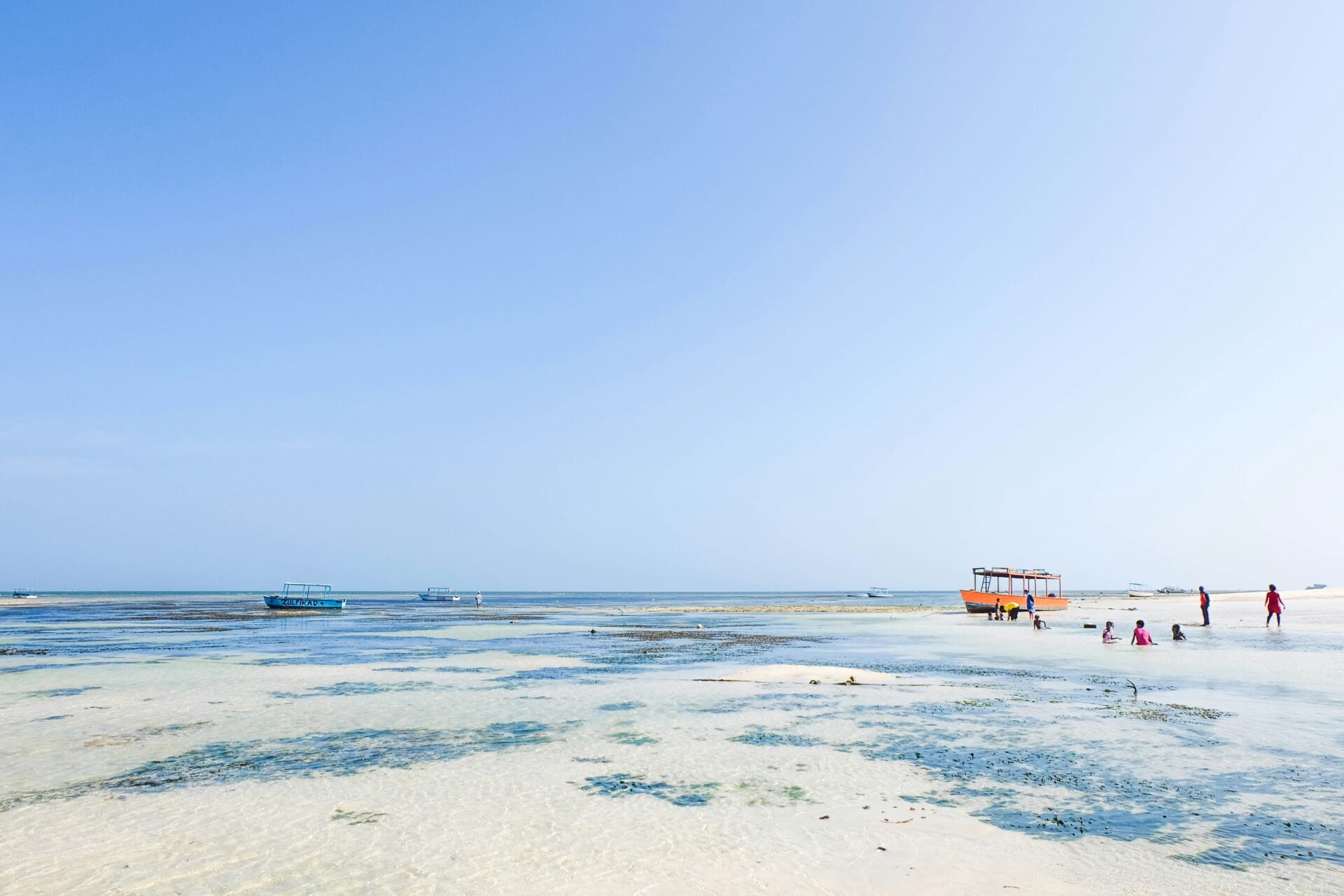
Africa’s hosting of the conference reflected a broader shift in the global ocean governance landscape. Home to 38 coastal and island states and more than 13 million square kilometres of exclusive economic zones, the continent has an enormous stake in the future of ocean health – and the 2026 conference signalled a growing move toward African-led solutions, financing and implementation.
Analysis by the World Resources Institute, which serves as secretariat of the Our Ocean Conference, found that approximately 78% of commitments made since the conference began in 2014 are complete or in progress.
“Africa is home to the world’s youngest and fastest-growing population, with more than 400 million people between the ages of 15 and 35,” said Wanjira Mathai, Managing Director for Africa and Global Partnerships at the World Resources Institute. “For many young Africans, the ocean is not simply an environmental issue. It is a source of jobs, food security and economic opportunity. The commitments announced in Mombasa demonstrate growing recognition that investing in ocean health is investing in Africa’s future.”
Youth engagement was woven throughout the conference programme. Running in parallel with the main event, the OOC11 Youth Leadership Summit brought together young innovators, scientists, entrepreneurs and activists from across Kenya and beyond. Featured sessions highlighted youth-led mangrove and coastal wetland restoration projects tied to Kenya’s National Biodiversity Strategy – reflective of both the urgency of the moment and the demographic reality of a continent where more than 70% of the population is under 35.
Now in its eleventh year, the Our Ocean Conference has established itself as one of the world’s primary mechanisms for translating ocean policy ambition into trackable, accountable commitments. Kenya brings particular weight to that mission as a founding member of the High Level Panel for a Sustainable Ocean Economy, host of the United Nations Environment Programme, and a consistent advocate for ambitious action on marine pollution and ocean sustainability.


"*" indicates required fields
Printed editions
Current issue
Back issues
Enjoy so much more from Oceanographic Magazine by becoming a subscriber.
A range of subscription options are available.
