Pairing reefs and mangroves to capture carbon and build coastal resilience
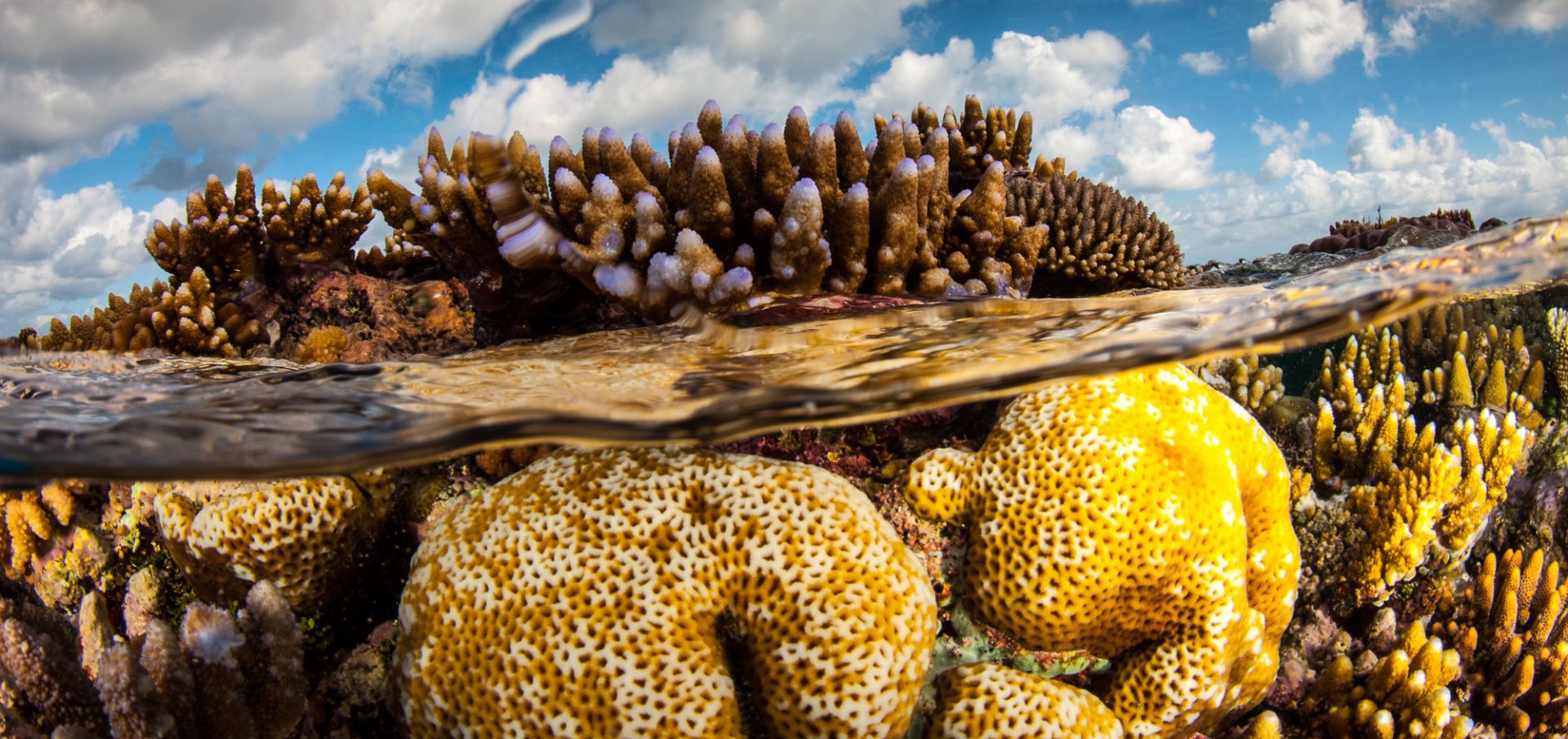
As global carbon emissions reach record highs, a researcher has developed a framework that combines “blue carbon” ecosystems with coral reefs. This could simultaneously remove carbon from the atmosphere, restore marine habitats and strengthen coastal communities.
Annual carbon emissions have increased by more than 69% since 1990. They are now at their highest levels – and they are growing.
It will therefore be increasingly critical to recapture as much carbon as possible. While technological solutions are emerging, they still face a whole host of obstacles. Our natural ecosystems however, can provide a proven and efficient way of sequestering carbon.
Known as Blue Carbon Ecosystems (BCEs) these marine habitats capture and store immense quantities of carbon in plants and specialised soils. Common examples include mangroves, seagrasses, and salt marshes.
This week, UConn researcher Mojtaba Fakhraee made the argument in a Nature Sustainability paper that placing these BCEs alongside coral reefs, could create a symbiotic relationship – removing carbon from the atmosphere, and helping to restore coral reefs themselves.
For instance, coral reefs begin to die when sea waters become too acidic. But sequestration systems like mangrove fields are able to capture carbon and in the process, raise the pH of the carbon. These mangrove fields can also enhance the cycling of nutrients – many of which are essential for coral reef growth.
Together both ecosystems act as buffers and dissipate wave energy, helping to stabilise the coastline. Their roots and intricate structures also stop ocean sediment from being disturbed – allowing for clearer coastal waters and in turn meaning the reefs and mangroves can flourish, and sequester more carbon.
Fakhraee also posits that co-locating these systems would support wildlife, like fishes and invertebrates, as their different environments offer habitats for the creatures throughout their life-cycle; this proximity enhances their chances of survival.

In other news


Fakhraee said more work is needed to understand the limits of these systems, in terms of their capacity for carbon removal, how long they store carbon, variations in capacity across different types of BCEs, and their carbon sequestration capabilities when following extreme weather events.
He also added that there are top-down obstacles for funding to these types of projects, and that we need to think creatively about how to secure the all-important funding.
Fakhraee believes this co-location strategy would also be economically beneficial: coral reef restoration efforts could benefit from the carbon capture credit avenue of funding available for BCEs.
In the paper, Fakhraee argues that there is great power in building resilience starting in the communities. He argues that these ecosystems could boost tourism and become self-sustaining, meaning their survival would not be reliant on fluctuations in availability of federal funding.
“The more benefits communities see from adopting those different technologies, the more encouraged they become to do that, and then this is going to help us with the scaling of these carbon capture technologies,” says Fakhraee.


"*" indicates required fields
Printed editions
Current issue
Back issues



Back Issues
Issue 43 Sir David Attenborough’s ‘Ocean’
Enjoy so much more from Oceanographic Magazine by becoming a subscriber.
A range of subscription options are available.