“Our seas cannot wait”: UK fisheries consultation criticised
DEFRA’s consultation wants to secure the long-term viability of fish stocks to protect coastal economies, but environmental groups like Oceana have warned government proposals are inadequate, and have done little to “deliver real change for our seas”

The UK government department responsible for environmental protection, agriculture, fisheries, and rural communities (DEFRA) has today opened a 12-week public consultation on four new Fisheries Management Plans (FMPs), aimed at securing – what it calls – the ‘long-term sustainability’ of vital fish stocks.
It’s an optimism not shared however by domestic environmental NGOs, however, who have criticised those proposals for ‘lacking the teeth’ to improve the “appalling” state of British seas, due to repeated overfishing and destructive bottom trawling.
The draft plans cover economically significant species, including seabream and wrasse, as well as demersal and pelagic species in the Celtic Sea and Western Channel. DEFRA has said the plans have been developed in collaboration with the fishing industry, and are intended to protect stocks for future generations, and ensure coastal communities thrive.
Proposed actions include developing recovery plans for vulnerable stocks in the Celtic Sea and Western Channel, building our evidence base to manage data-poor stocks better and seeking to improve data collection and monitoring. The plans have been met with sharp criticism from environmental advocates who have said the proposals are too vague to address the current crisis.
Alec Taylor, Director of Policy and Research at Oceana UK, said: “We have little confidence in the ability of these fisheries management plans to deliver real change for our seas – too many of the proposals are left open-ended, or repeat the perpetual refrain of ‘more evidence needed’ rather than taking action.”
The 2020s Fisheries Act, for instance, legally requires the government to restore fish stocks, but it doesn’t specify a target year. And transparency data required by the 2020 Act shows that in 2024 and 2025, 52% of catch limits (total allowable catches or TACs) were set above the scientific advice provided by the International Council for the Exploration of the Sea (ICES).

In other news

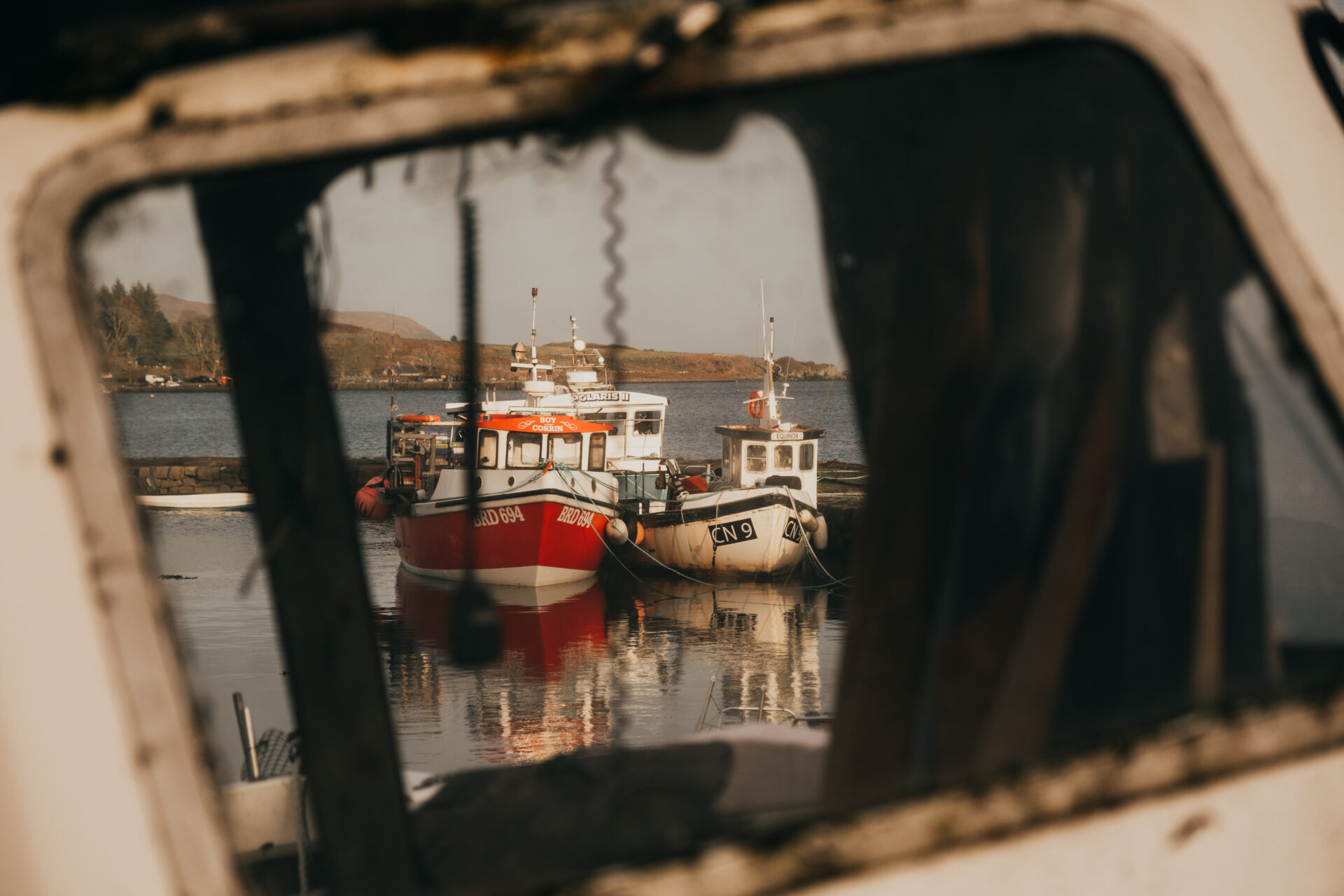
Local coastal communities and their economies are not often the beneficiaries of these inflated quotas. In 2023, the UK had 5,418 registered fishing vessels. Almost 80% of these are under 10 metres in length. However, the lion’s share often lands in the hands of large-scale, industrial operations who use destructive indiscriminate fishing methods, like bottom trawling.
Taylor continued: “Our seas cannot wait. For instance, the Celtic Sea has been hollowed out by repeated overfishing and destructive bottom trawling, but we see little recognition of this appalling base state in the fisheries management plans.”
In the Celtic Seas, it is estimated that over 80% of the muddy and sandy seabed shows signs of physical disturbance. Additionally, the ICES has recommended zero catch for species like Celtic Sea Cod and Irish Sea Sole since they are in a state of “recruitment failure” – where not enough young fish are surviving through to adulthood.
“Where are the time-bound actions to reduce pressure on these degraded ecosystems?” Taylor added.
Fisheries Minister, Dame Angela Eagle said: ““The fishing industry and wider stakeholders have already been involved in shaping these plans, but I urge all interested parties to respond to our consultations to help chart the course for the future.”
“The UK has some of the best wild seafood in the world and fisheries management plans are vital for securing its long-term sustainability so that our fishing industry continues to prosper,” she added.


"*" indicates required fields
Printed editions
Current issue
Back issues


Enjoy so much more from Oceanographic Magazine by becoming a subscriber.
A range of subscription options are available.
