Resilient seagrass offers new hope for restoring degraded estuaries
Known for surviving fluctuating water and salt levels in man-made ponds, the hardy seagrass could jump-start the recovery of ecologically-depleted estuaries around the world
A resilient species of native seagrass could provide a crucial breakthrough in restoring damaged marine ecosystems, according to new research from Florida Atlantic University (FAU).
Scientists at FAU’s Harbor Branch Oceanographic Institute have discovered that Ruppia maritima, a relatively uncommon seagrass species, possesses a unique ability to survive severe environmental disruption.
The findings, published in the journal Regional Studies in Marine Science, suggest the plant could act as a pioneer species to jump-start habitat recovery in degraded estuaries around the world.
Seagrass meadows form vital underwater infrastructure, offering shelter to marine life, stabilising coastal seabed sediments, and filtering pollutants from the water column. However, according to project Seagrass, nearly 20% of global seagrass cover has been wiped out since 1880. In Florida’s Indian River Lagoon, severe algal blooms have devastated natural populations, leaving vast areas unable to recover on their own.
The three-year study explored how the plant endures in man-made marshlands with wildly fluctuating water levels and salt content. Researchers discovered that while visible plants die back during harsh summer conditions, the species survives underwater as a persistent “seed bank” embedded in the sediment. When conditions improve, particularly after exposure to lower salinity, the dormant seeds trigger rapid regeneration.
“Ruppia maritima has a remarkable ability to persist through disturbance,” said Dr Rachel Brewton, senior author and assistant research professor at FAU Harbor Branch. “Even when the plants disappear above ground, the population can persist as a seedbank in the sediment, waiting for conditions to become favourable.”
In parallel nursery experiments, scientists successfully cultivated the species in land-based aquaculture tanks, where it established self-sustaining populations that have produced viable seeds continuously since 2021.

In other news

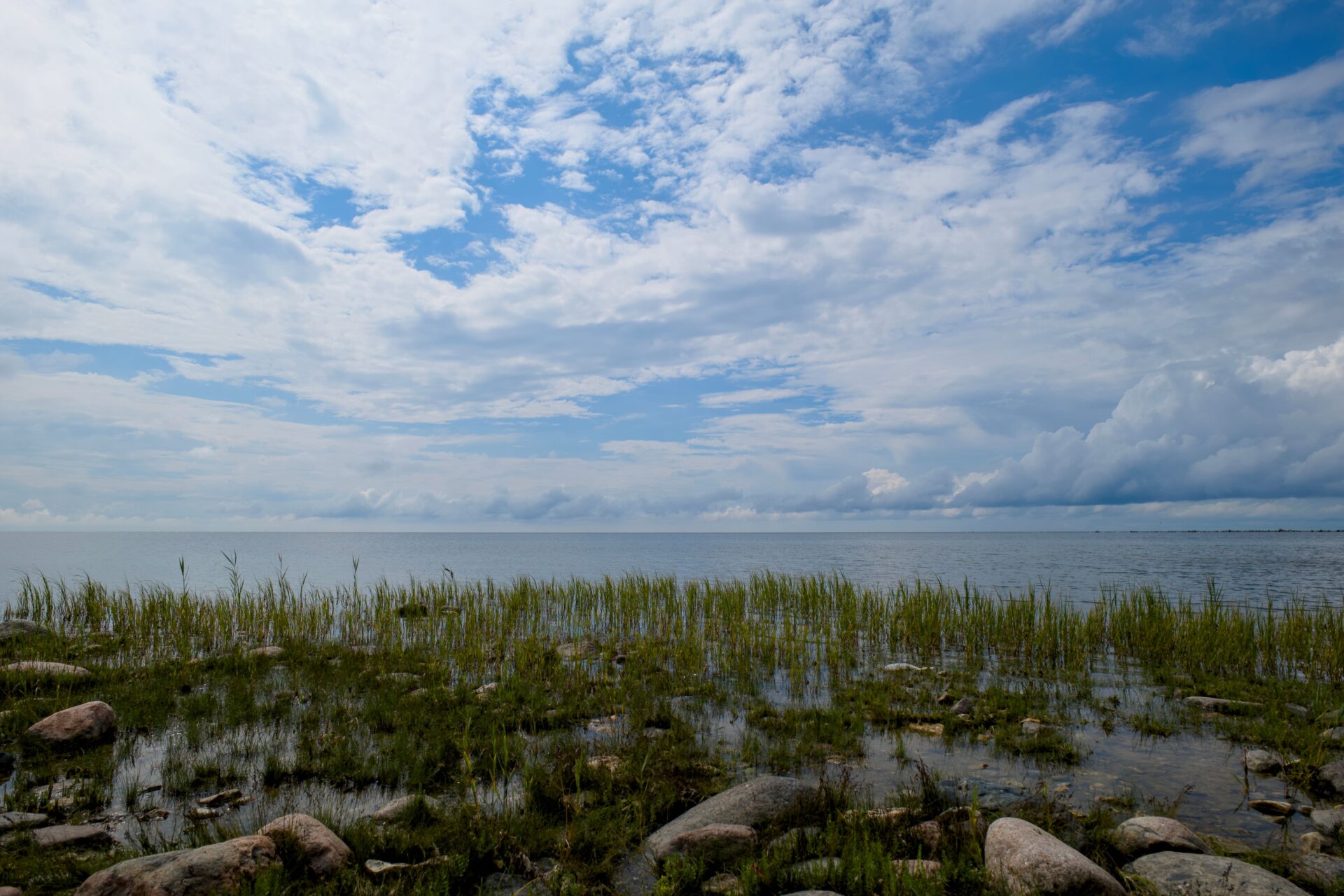
Rather than replacing fully mature seagrass habitats, experts view R. maritima as being an excellent way to re-establish the “first rung” of the biological ladder.
“The goal of restoration is not simply to put seagrass back – it is to create the conditions for a functioning ecosystem to recover,” Brewton said.
By rapidly colonising bare or unstable seabed areas, the plant can stabilise sediments and improve water clarity, paving the way for other marine species to return.
Researchers now plan to test seed-based deployment and tank-grown plants in open field trials across the lagoon. If successful, the approach could offer coastal restoration teams a powerful new tool for re-establishing fragile marine ecosystems internationally.


"*" indicates required fields
Printed editions
Current issue
Back issues


Enjoy so much more from Oceanographic Magazine by becoming a subscriber.
A range of subscription options are available.
