Probiotic treatments help heat-stressed corals survive, field trial finds
A 15-day experiment during a real marine heat wave in the Red Sea has shown that both live probiotic and inactivated postbiotic treatments can improve coral health, offering a new tool in the fight to protect reefs from climate change.
Probiotic and postbiotic treatments can improve the health of corals while they are under thermal stress, according to a new field study carried out during a natural marine heat wave in the Red Sea.
The research, published in the journal Cell Reports, is among the first to demonstrate that microbial therapies shown to work on corals in aquarium settings can also be effective directly in the ocean – a much harder environment in which to prove their success.
“We want a future with coral reefs in it,” said co-lead author Erika Santoro, a postdoctoral fellow at the King Abdullah University of Science and Technology in Saudi Arabia. “We urgently need to understand both the natural mechanisms that allow some corals to tolerate heat and how we can safely enhance those mechanisms.”
Coral reefs support at least a quarter of all marine life but are increasingly threatened by climate change. Corals host a range of beneficial bacteria that help them adapt to their environment, and microbial therapy aims to restore not just the coral itself but the wider microbiome it depends on. Probiotics used in the study were live microbes drawn from healthy corals and applied to stressed ones, while postbiotics were inactivated versions of those same microbes or their bioactive components.
A key aim of the research was to establish whether postbiotics could match the benefits of live probiotics, given the practical advantages inactivated treatments could offer if the approach is scaled up.
“The possibility of using postbiotics is particularly exciting when we think about scaling microbial therapies,” Santoro said. “Inactivated microbial formulations could potentially offer practical advantages, such as longer shelf life, easier storage and transportation, and reduced production costs.”
Santoro and colleagues treated Acropora cf. valida coral in the central Red Sea during a heat wave in the summer of 2022. Over the 15-day field experiment, daily average seawater temperatures ranged from 30.9°C to 31.9°C. The team isolated beneficial bacterial strains from local corals to produce two probiotic treatments and their postbiotic equivalents, then assessed coral health by monitoring colour – bleached, whitened corals indicate poor health – and the photosynthetic efficiency of the algae living inside them.

In other news


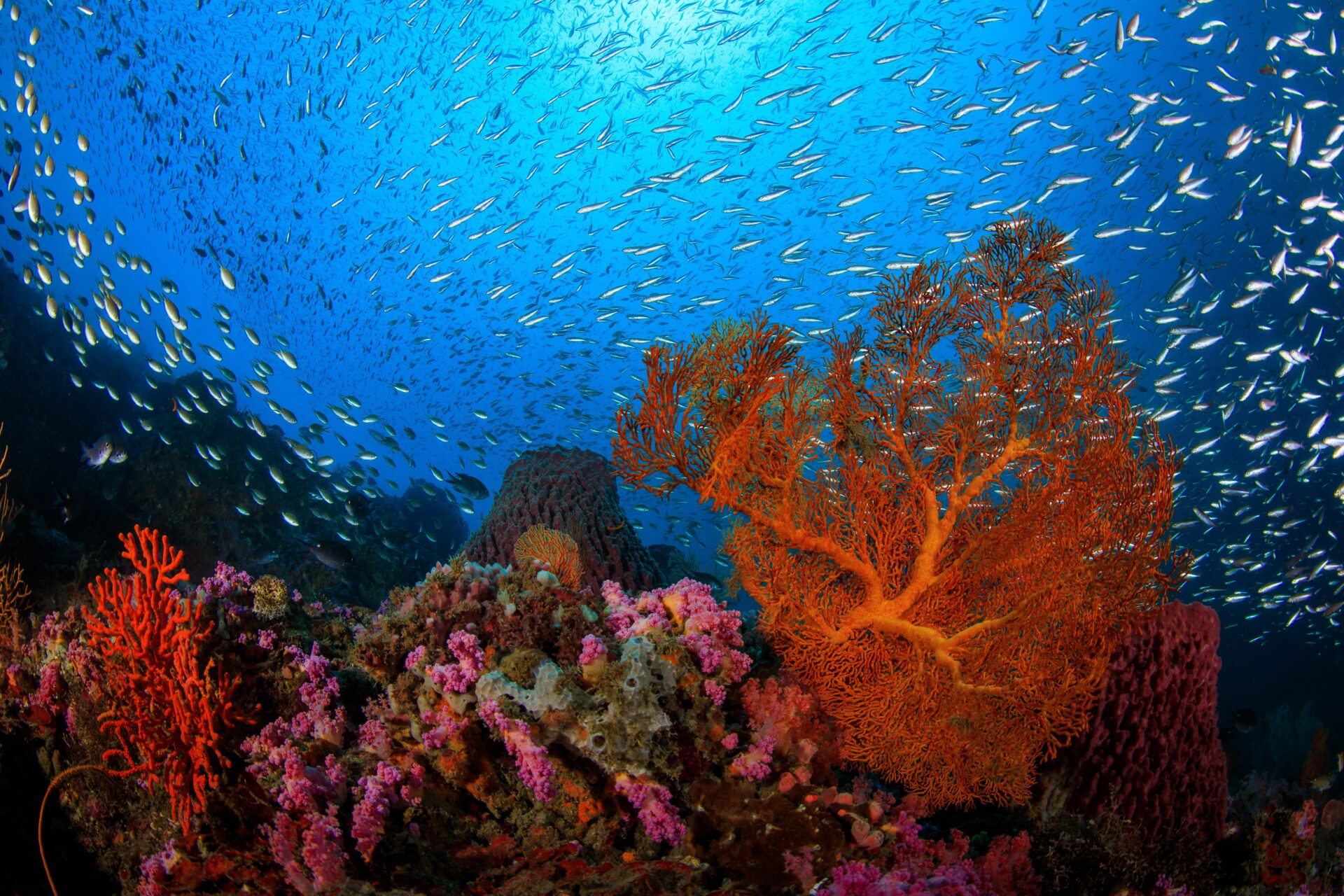
After 15 days, one of the probiotic formulas and one of the postbiotic formulas produced a significant improvement in coral health.
“When an innovative idea like this actually works – particularly under field conditions – we are positively surprised,” Santoro said. “The most exciting takeaway is that this study opens a new avenue for coral microbial therapies.”
Genetic and metabolic testing on the treated corals showed that the probiotic and postbiotic treatments had reshaped their microbial and metabolic profiles in different ways. Corals treated with the postbiotic formula in particular showed an increase in strains of Cobetia, a bacterium known to help corals tolerate heat stress.
Santoro said further research was needed to understand exactly why the treatments worked, particularly in the case of postbiotics.
“We see approaches such as probiotics and postbiotics as additional tools that could help improve coral resilience and support restoration efforts, while broader actions address the causes of climate change,” she said.


"*" indicates required fields
Printed editions
Current issue
Back issues

Enjoy so much more from Oceanographic Magazine by becoming a subscriber.
A range of subscription options are available.