Underwater meadows 'lifeline' for millions in poverty, study finds
At least 18 million people living in extreme poverty across the Indo-Pacific rely on seagrass meadows to fish with the habitat acting as a safety net that remains largely absent from global poverty and conservation policy
Seagrass meadows act as a critical safety net for millions of the world’s poorest coastal communities, according to the first large-scale study to measure the link between seagrass and extreme poverty.
The research, led by scientists from the conservation organisation Project Seagrass and published in the journal Nature Sustainability, found that at least 18 million people in poverty across the Indo-Pacific fish in seagrass meadows, including 6.5 million who are entirely dependent on the habitat for subsistence or fishing income.
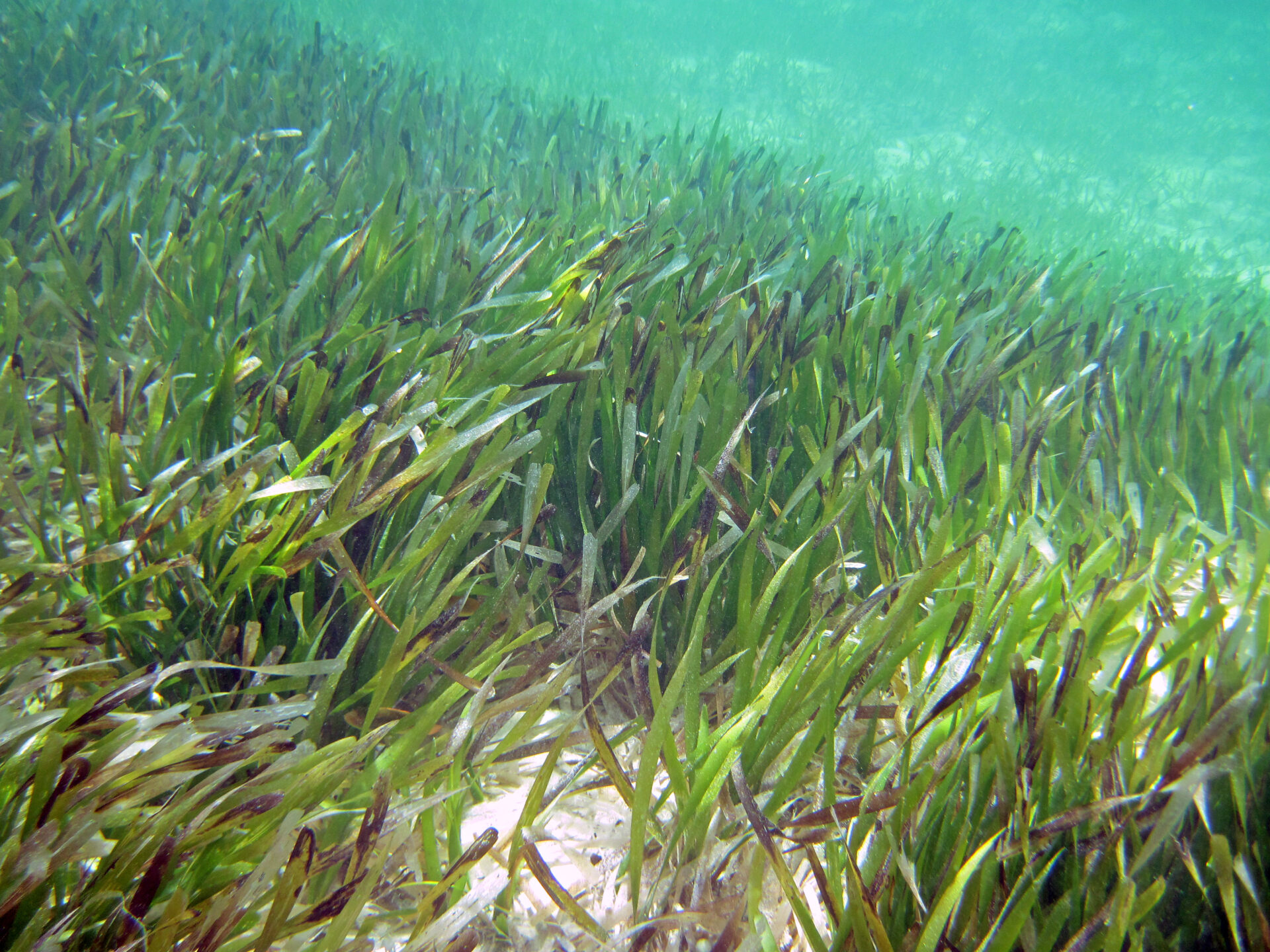
Seagrasses are flowering plants that form extensive underwater meadows along shallow coastlines. Less well known than coral reefs or tropical forests, these meadows support fisheries that can often be reached on foot or with minimal equipment, making them especially valuable to households with few other sources of food or income. Women and other marginalised groups frequently play a central role in these fisheries.
The study found that households in extreme poverty were significantly more likely to be entirely dependent on seagrass fisheries, with seagrass-dependent households earning 23% less than other fishers – pointing to what researchers describe as a coastal poverty trap, in which households with few alternatives remain locked into low-income livelihoods tied to a vulnerable ecosystem.
“This study changes how the world needs to see seagrass. These aren’t just meadows for fish, for turtles or carbon. They’re hidden safety nets for millions of people,” said Dr Benjamin Jones, chief conservation officer at Project Seagrass and one of the study’s lead researchers. “When seagrass disappears, it’s not just nature that’s lost. Food, income and security disappear with it, often for the people least responsible for its decline and least able to adapt.”
Seagrass meadows across the Indo-Pacific face growing threats, largely from coastal development and land-based pollution, with the communities most dependent on them often having little influence over the decisions driving their decline.

In other news
Dr Leanne Cullen-Unsworth, chief executive of Project Seagrass, said the link between seagrass and poverty had been visible to her on the ground for decades but had lacked large-scale evidence until now.
“Behind these figures are millions of real people for whom seagrass loss isn’t an abstract environmental problem; it can mean the loss of food, income and security,” she said. “That has profound implications for how the world thinks about seagrass conservation.”
Researchers warned that reliance on seagrass is likely to intensify as wealth inequality, population growth and climate change accelerate, reinforcing calls for the habitat to be built into poverty, food security and conservation strategies rather than treated as a niche environmental issue.
“The world has largely treated seagrass loss as a specialist conservation problem. This study shows that it is also a development and food-security issue,” said Dr Richard Unsworth, chief scientific officer at Project Seagrass and a co-author of the study. “Governments and international donors cannot credibly address coastal poverty while allowing the ecosystems underpinning local food systems to disappear.”
The researchers said investment in seagrass conservation and sustainable fisheries management could help transform the meadows from what is often treated as a last-resort resource into a foundation for long-term resilience across the region.


"*" indicates required fields
Printed editions
Current issue
Back issues

Enjoy so much more from Oceanographic Magazine by becoming a subscriber.
A range of subscription options are available.