Scientists map Great Barrier Reef’s microbiome for first time
Having a greater understanding of these microscopic communities, researchers say, is critical for future marine conservation efforts.
Scientists have mapped the Great Barrier Reef’s “invisible” microbiome for the first time, discovering more than 500 new bacterial species and hundreds of thousands of distinct viruses.
The breakthrough, published in the journal Nature, provides researchers with a vital blueprint to measure how climate change, pollution, and coral bleaching impact the health of the world’s largest reef system.
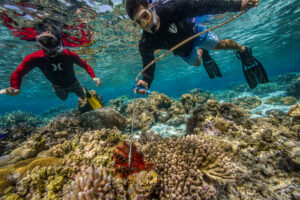
By analysing DNA from seawater samples collected across 48 different reefs, an Australian research team documented more than 800,000 microbial genomes. The massive undertaking has led to the creation of the Great Barrier Reef Microbial Genomes Database, which is now open to scientists worldwide.
“Now, we can start to explore what makes a healthy reef microbiome and how these invisible communities respond to changes,” said Professor Philip Hugenholtz, a microbiologist at the University of Queensland and senior author of the study.
Historically, mapping these complex underwater environments was nearly impossible. Ocean currents constantly mix closely related microbes together, and many reef-dwelling organisms possess a unique DNA structure that standard technology struggles to decode.
To overcome this, the team utilised advanced “long-read” DNA sequencing technologies.
Dr Steven Robbins, the study’s first author, compared the new technology to solving a jigsaw puzzle. “What was a puzzle with tens of thousands of pieces becomes a simple puzzle with far fewer pieces,” he said.

In other news

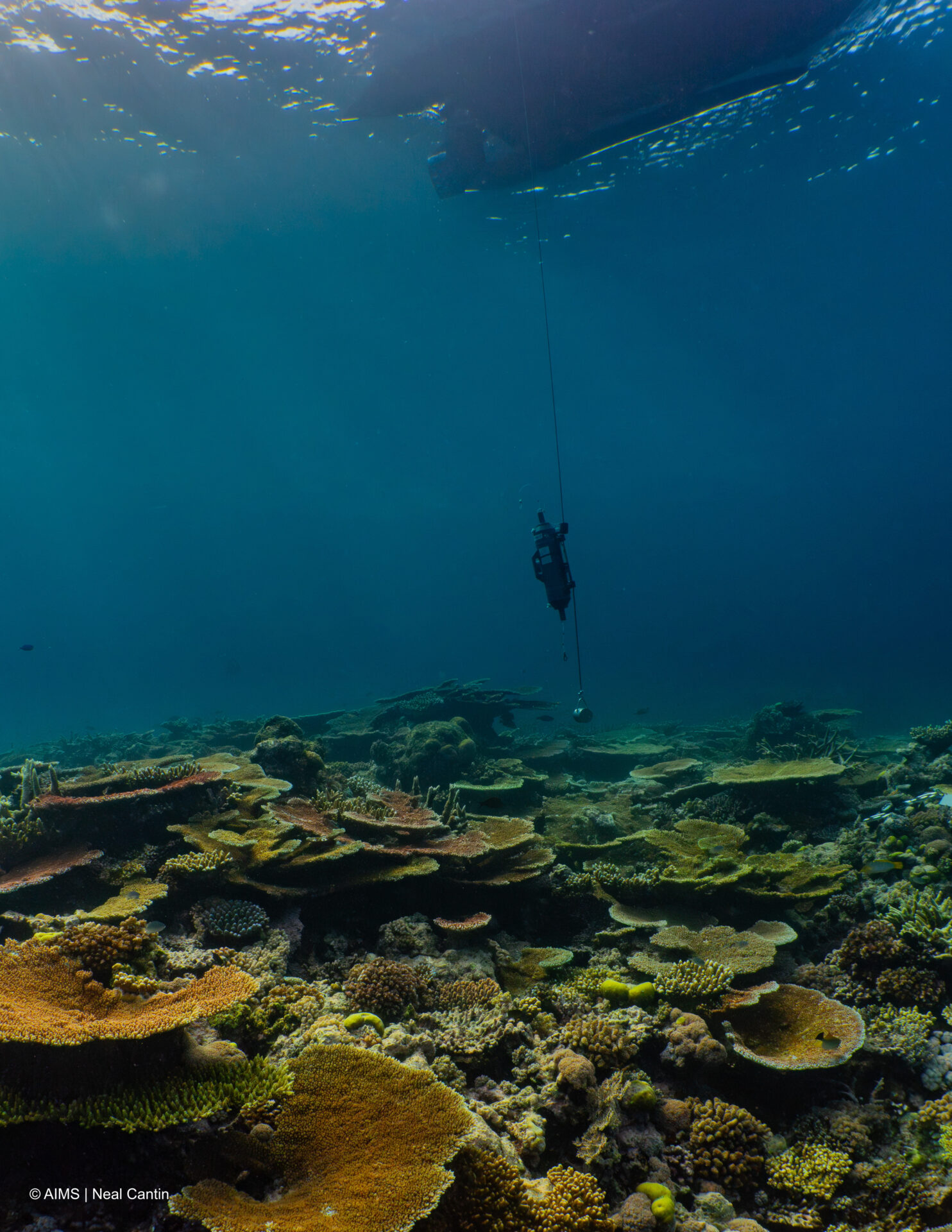
Among the team’s headline discoveries were 876 distinct species of bacteria and archaea, two-thirds of which were completely new to science. They also identified over 360,000 different types of viruses. Surprisingly, this included Crassvirales, a virus previously thought to be a marker of human or animal waste contamination after it was found in human guts in 2014. The study proves it naturally inhabits the open ocean.
Experts say understanding these microscopic organisms is critical for global conservation.
“These microbes are important,” said Dr. Yun Kit Yeoh, a senior research scientist at the Australian Institute of Marine Science. “Microalgae produce most of the oxygen we breathe and underpin food chains in the open oceans. They are eaten by krill and other zooplankton, which are then consumed by other animals from the smallest coral polyps to the largest whales.”
The study, which also included researchers from James Cook University, the University of Melbourne, and the University of Tasmania, draws parallels to the mapping of the human microbiome over a decade ago, which revolutionised modern medicine. Scientists hope this marine equivalent will do the same for ocean conservation.


"*" indicates required fields
Printed editions
Current issue
Back issues
Enjoy so much more from Oceanographic Magazine by becoming a subscriber.
A range of subscription options are available.