Thousands of 'remarkable icefish nests' found under Antarctic ice
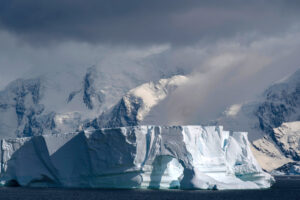
The discovery was made possible after the A68 iceberg, a 5,800-square-kilometre slab of ice, broke away from the Larsen C Ice Shelf in 2017, opening a rare window into a part of the ocean unseen for millennia in the process.

Beneath the frigid waters of Antarctica’s western Weddell Sea, in one of Earth’s most remote and least-explored corners, a remarkable world has come to light. Beneath an ice shelf once 200 metres thick, scientists have uncovered a network of fish nests – thousands of circular hollows carved into the seafloor – arranged in ‘sweeping, deliberate patterns.’
The discovery was made possible after the A68 iceberg, a 5,800-square-kilometre slab of ice, broke away from the Larsen C Ice Shelf in 2017, opening a rare window into a part of the ocean unseen for millennia in the process.
When researchers sent a remotely operated vehicle (ROV) gliding over the exposed seabed, its cameras revealed more than a thousand circular nests that – according to descriptions recorded by scientists – weren’t “simply scattered” but instead “formed shapes; arcs, clusters, solitary circles, as if the fish had mapped out a neighbourhood of their own.”
Notably, each nest was ‘cleared of plankton detritus that covered the surrounded areas’, forming a “vast, geometric fish neighbourhood” on the seafloor.
The finding came during the Weddell Sea Expedition 2019, a mission launched with the twin aim to study the changing environment around the Larsen C Ice Shelf and to search for Sir Ernest Shackleton’s lost ship, Endurance, sunk more than a century ago.
Though the team aboard the South African research vessel SA Agulhas II failed to locate the wreck of the Endurance on that particular voyage, the experience proved vital all the same in shaping the success of the later Endurance22 expedition, which – some three years later in 2022 – found Shackleton’s ship remarkably intact, resting at 3,008 metres.
In other news

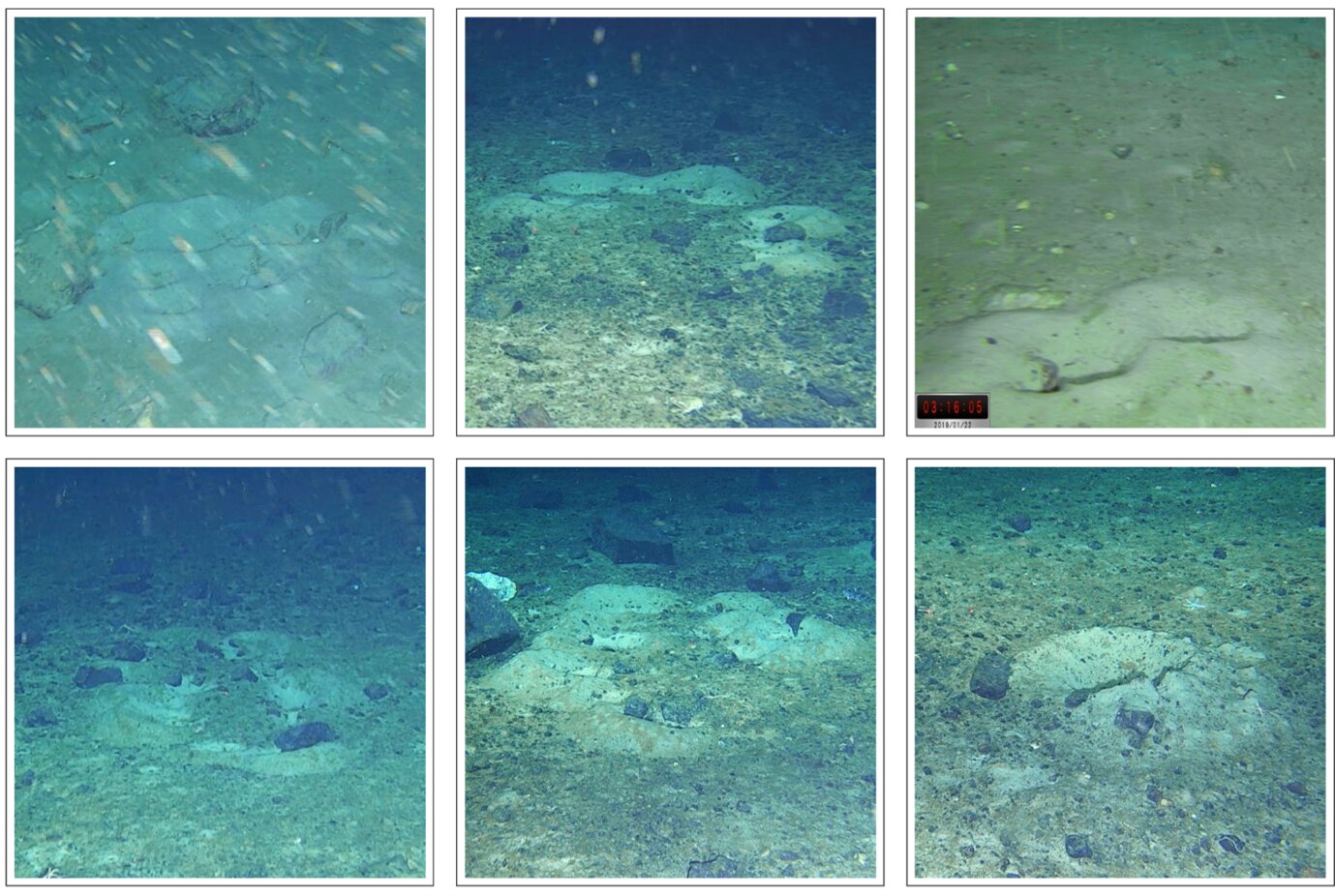
Credit for the creation of these astonishing Antarctic structures has been handed to the yellowfin noties – a small, hardy species of rockcod. scientists believe that each nest discovered would have been guarded by a parent fish standing watch over its eggs.
According to the study, the dense clusters appear to reflect a ‘finely tuned survival strategy’ and a clear demonstration of ‘selfish herd’ theory whereby fish in the centre gain protection from predators, shielded by their neighbours, while solitary nests on the periphery are thought to belong to stronger individuals more capable of defending their ground.
The nesting grounds also reveal a Vulnerable Marine Ecosystem (VME) – a delicate habitat vital to Antarctic biodiversity. The finding builds on earlier research, including the vast breeding colony described by Purser et al. in 2022, one of the largest known on the planet.
Protecting this area means safeguarding not just the iconic penguins and seals, but also these hidden nurseries that form part of the Antarctic food web. These underwater environments are a powerful reminder that even in the planet’s most extremes, life finds a way to build complex, resilient communities.
The study – ‘A Finding of Maintained Cryonotothenioid Nesting Sites in the Western Weddell Sea‘ – has now been published in Frontiers in Marine Science.


"*" indicates required fields
Printed editions
Current issue
Back issues
Back Issues
Issue 43 Sir David Attenborough’s ‘Ocean’
Enjoy so much more from Oceanographic Magazine by becoming a subscriber.
A range of subscription options are available.