Trade protections are helping sharks and rays... but we need more
A new study has found that 48% of CITES Parties have made reforms to implement listings domestically - ranging from complete prohibitions on harvest and trade of all shark and ray species, to species-specific national protections and science-based quotas.

Strong conservation progress is being made in the implementation of international trade protections for sharks and rays “at a rate and scale that was previously lacking” – particularly in biodiverse regions such as the global tropics.
This is the take-home message from a new global study led by Florida International University and the Wildlife Conservation Society which suggests that while there is much work to be done, trade protections for sharks and rays under the Convention on International Trade and Endangered Species of Wild Fauna and Flora (CITES) have led to marked improvements for the species.
The new study – published in Marine Policy – has found that 48% of CITES Parties have made regulatory reforms to implement the listings domestically – ranging from complete prohibitions on harvest and trade of all shark and ray species, to species-specific national protections and more nuanced controls, such as science-based quotas.
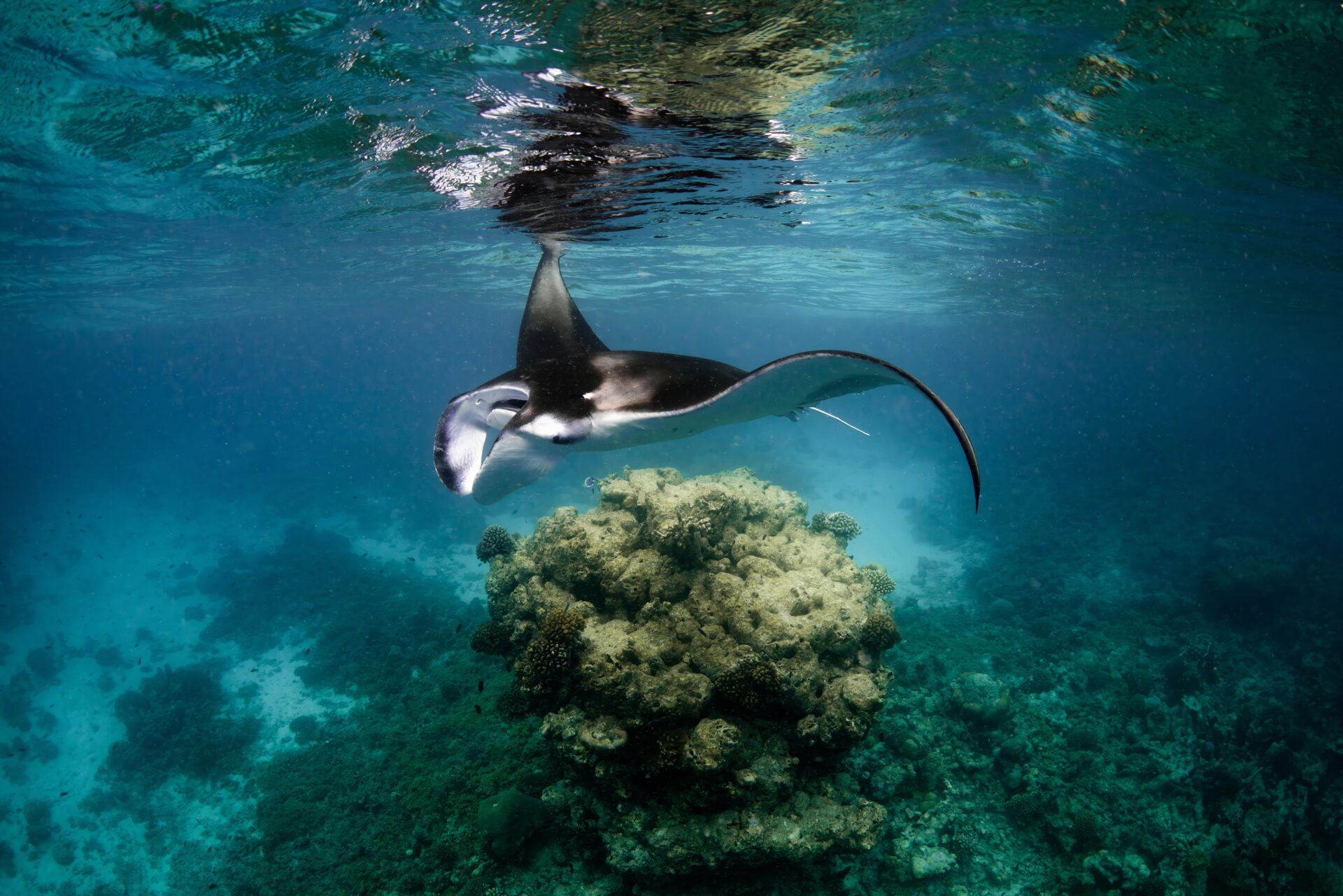
Despite this, challenges remain. Mobula rays, which were listed on CITES Appendix II in 2016, continue to be widely traded for their gill plates, often unsustainably. They found that many countries exporting Mobula products still lack the necessary science-based assessments required under CITES, raising concerns about sustainability.
Meanwhile, whale sharks – the world’s largest fish – do have stronger protections due to early listings, there are still gaps in monitoring the live trade and capture for aquariums in some countries.
The study has been launched at a critical time for ocean conservation, with sharks and rays among the most threatened groups of vertebrates on the planet due to overfishing, illegal take, and poorly regulated trade. The oceanic whitetip shark is one of the most protected shark species globally and nationally regulated in more than 31 countries around the world. But the species’ high value fins are still being traded illegally and at unsustainable levels.
The oceanic whitetip, whale shark and mobulid rays have all been proposed for greater protection via CITES Appendix I listings at the upcoming CITES CoP20 in November this year.
In other news



The good news is, we know what next steps we need to take now,” said Luke Warwick, director of shark and ray conservation at Wildlife Conservation Society. “This study demonstrates that CITES shark and ray listings have created genuine momentum, and with the right support, we can ensure that these international rules result in the measures we need at a national level to properly protect some of the ocean’s most iconic imperilled species.”
Among the efforts to raise awareness of the plight faced by sharks and mobulid rays right now, the Manta Trust has launched its #SaveTheMantas campaign with a call to ban all international commercial trade in manta and devil rays.
Recent science shows that 37% of all sharks and rays are threatened, a figure that climbs to over 70% for species commonly found in international trade.
“With pelagic shark populations down more than 70% over the past half-century, and reef sharks functionally extinct on one in five coral reefs surveyed, a tipping point is near,” said Lee Crockett, the executive director of the Shark Conservation Fund. “Trade continues to drive many of the world’s ancient ocean predators toward extinction.”
To assess global progress, the researchers analysed national implementation across 183 CITES Parties, evaluating how each country is applying CITES rules for sharks and rays. The results revealed a wide implementation gap.
Indonesia, for example – one of the largest exporters of shark products – has made strong investments in species identification tools and regulatory frameworks, while Mozambique has emerged as a leader, implementing national legislation, improving enforcements capacity, and taking tangible steps to reduce illegal trade.
Similarly, Gabon has shown strong political will and legal reforms, aligning national laws with CITES obligations and enhancing monitoring efforts. In contrast, several countries – including Mexico, Mauritania, Namibia, Oman, and Trinidad and Tobago – are shown to face persistent challenges in enforcement and traceability, despite having formal CITES commitments in place.
The findings also point to the next critical steps: scaling up species identification tools, increasing training for customs officers, improving data collection on trade volumes and sources, and creating a cross-boarder collaboration among fisheries and wildlife agencies.


"*" indicates required fields
Printed editions
Current issue
Back issues

Enjoy so much more from Oceanographic Magazine by becoming a subscriber.
A range of subscription options are available.
