Strict trade protections tabled to stop shark and ray species freefall
Published this week by the Convention on International Trade in Endangered Species of Wild Fauna and Flora (CITES), proposals reflect what many have known for years: that for some shark and ray species, sustainable trade “simply is not feasible”.

Urgently needed proposals to offer whale sharks, oceanic whitetip sharks, wedgefish, and manta rays the highest levels of protection from commercial trade have been put forward by the Convention on International Trade in Endangered Species of Wild Fauna and Flora (CITES) in a bid to reverse the species ‘freefall toward extinction.’
Published this week, the proposals reflect what scientists and governments have “known for years”, that for some shark and ray species, sustainable trade “simply is not feasible”, particularly due to their unique biological characteristics.
The proposal suggests that the strongest protections are “the only path forward”, citing the cases of other iconic wildlife species, including whales and sea turtles. It adds that species like whale sharks and manta rays “have a far higher value to coastal communities as a tourism resource, rather than traded for their fins and gills.”
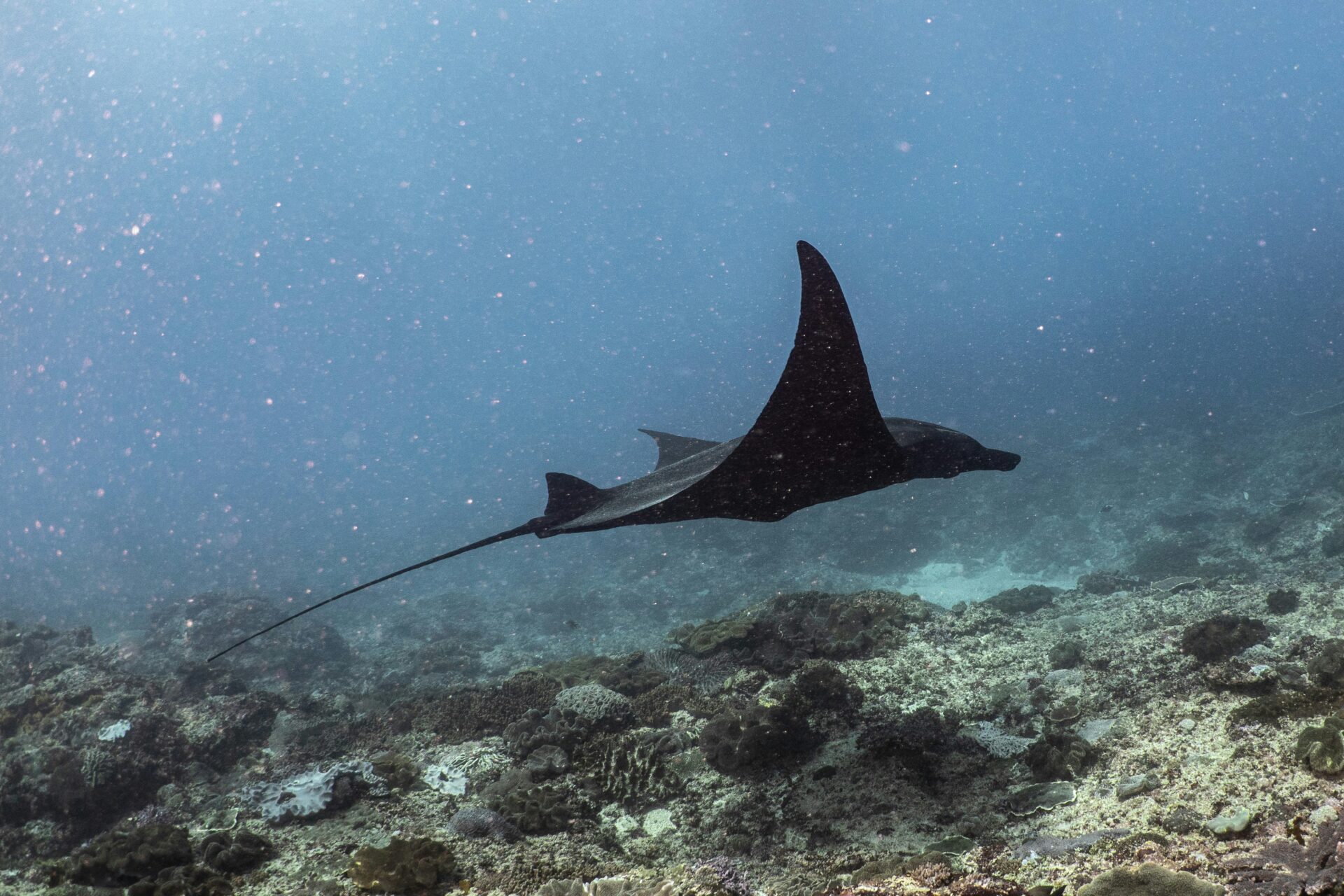
The proposals – to be considered by countries meeting at the 20th Meeting of the Convention on International Trade in Endangered Species of Wild Fauna and Flora (CITES CoP20) this November – would list these species on CITES Appendix I. This will provide the highest level of protection and will strictly prohibit the commercial trade in whale sharks, oceanic whitetips, and manta and devil rays.
Temporary trade prohibitions via ‘zero quota’ proposals have also been tabled for Critically Endangered wedgefish and guitarfish rays; these less restrictive measures will have the same impact as an Appendix I listing, by not allowing commercial trade.
It’s believed that Appendix I and ‘zero quota’ listing will help close enforcement gaps, stop illegal trade, and allow governments and communities to make sure their keystone marine species are safe from over-exploitation and export.
Two additional proposals seek to offer CITES Appendix II protections to species traded for their oil and meat – an important step as over the last decade CITES action has focused on the shark fin trade, and with 90% of that trade now regulated, focus must shift to other drivers of shark overfishing.
One proposal targets deepwater gulper sharks to ensure continued trade in their valuable liver oil used in high end cosmetics is legal and sustainable, an essential step given that these deep-sea animals grow incredibly slowly and are vulnerable to overfishing. A second proposal focuses on smoothhound sharks that are traded internationally for their prized meat – used in dishes from fish and chips to ceviche around the world – they are increasingly overfished to supply this demand.
In other news



In total, over 70 sharks and rays are proposed for CITES listing action at CoP20 via seven listing proposals, with more than 50 governments adding their names to these proposals – showing the growing recognition that the world’s shark and ray populations need strong conservation action now if they are to survive.
“Just like the iconic land mammals afforded this strictest CITES trade protection, such as tigers or gorillas, these iconic marine animals that are already on the edge of extinction must receive the same protections,” said Luke Warwick, director of Shark and Ray Conservation for the Wildlife Conservation Society.
“The world is at a tipping point for sharks and rays. More than 37% of shark and ray species are threatened with extinction, rising to more than 70% for species in international trade. We must act now to prevent irreversible losses.”
Recent studies in the world’s shark and ray trade hubs reveal that CITES-listed sharks and rays are still entering trade “in alarming numbers”, according to Warwick. “Stronger action is clearly justified.”
“These scientifically justified proposals meet all CITES criteria. They offer a chance to act before it’s too late; before we lose these species and the benefits they can bring to coastal communities globally.”
Once one of the most abundant sharks in the open ocean, oceanic whitetip sharks have now declined by over 90% while whale sharks – the proposals find – are ‘worth more alive than dead’ due to their tourism attraction. Despite this, their global population has dropped by over 50% and despite some national protections, illegal trade and ship strikes continue, while climate change is reducing their core habitat.
Wedgefish and giant guitarfish are the most threatened families of all sharks and rays, with their fins commanding the highest price of any species in global shark fin markets. A ‘zero quota’ will prevent commercial trade and help stop these declines driving them to extinction.
The Wildlife Conservation Centre has praised the leadership of governments of Panama, Ecuador, Brazil, Senegal, Benin, Maldives, the EU, and the UK in leading the newly published proposals and has committed to working with them – and with partners around the world – to ensure the adoption of them at the CITES CoP20 meeting in Samarkand, Uzbekistan this November to December.
CITES is an international agreement between governments that aims to ensure that the international trade of wild animals and plants does not threaten their survival. It regulates or bans trade in species listed in its appendices based on their conservation status.


"*" indicates required fields
Printed editions
Current issue
Back issues
Enjoy so much more from Oceanographic Magazine by becoming a subscriber.
A range of subscription options are available.
