UK’s largest seagrass restoration project underway
The £1.8 million project is set to restore critical seagrass and native oyster habitats in Cornwall
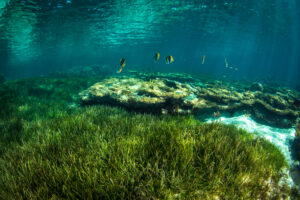
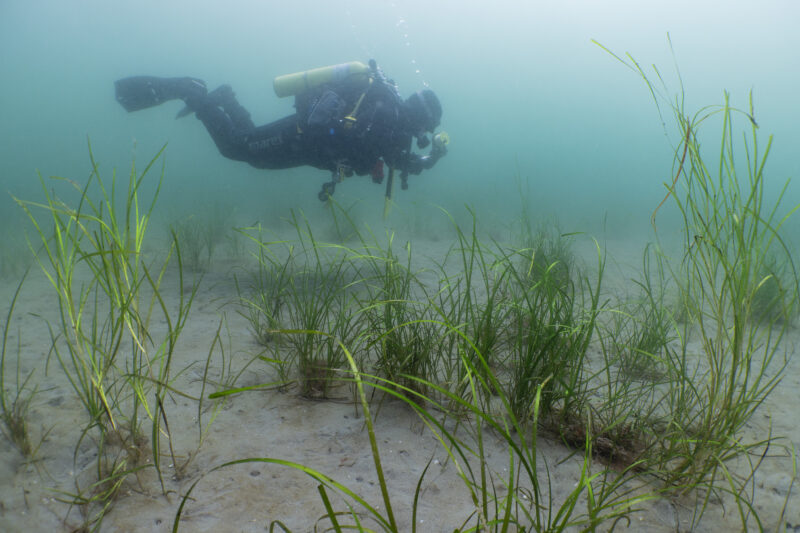
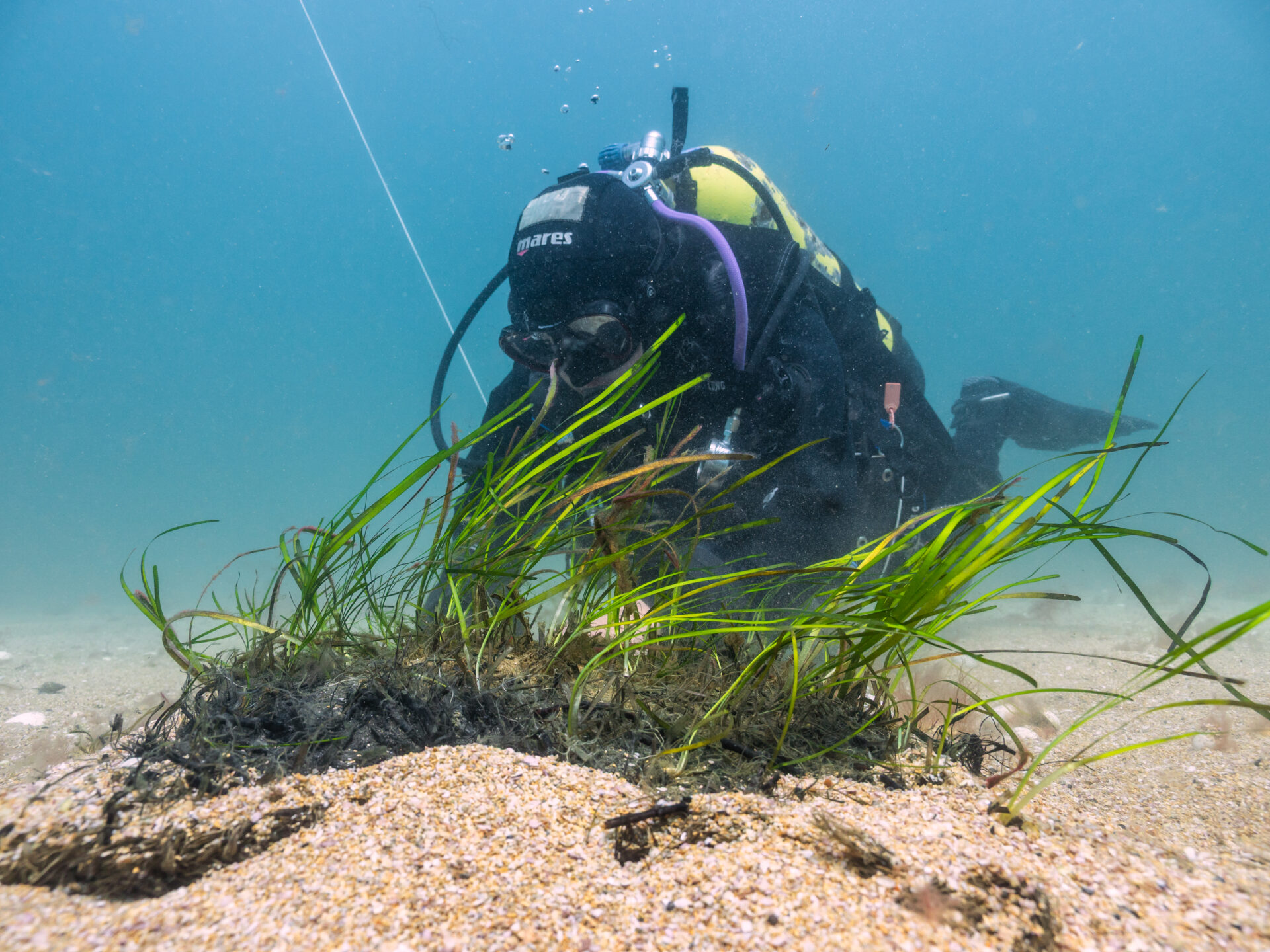
The largest seagrass restoration project ever undertaken in the UK has been launched in Cornwall, to support local climate infrastructure, community engagement and to provide habitats for a wide range of marine species, including seahorses, spider crabs, cuttlefish, bass and sharks.
The three-year £1.8m project is set to restore 10 hectares of seagrass meadow in Falmouth Bay. The project includes the restoration of native oyster populations across the Fal and Helford Special Areas of Conservation.
Seagrass meadows are critical ocean habitats supporting biodiversity, improving water quality, storing carbon and protecting coastlines from erosion. Oysters similarly play an important role in creating complex underwater habitats, their filtering valves also improve water quality, and they sustain coastal communities.
The UK has lost up to 92% of its historic seagrass meadows, an area once covering about 82,000 hectares – roughly 115,000 football fields. This catastrophic decline is largely driven by coastal development, dredging, industrial pollution, and disease.
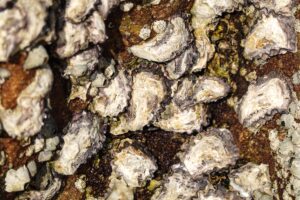
In Cornwall, native oyster populations have historically plummeted from landings of 800 tonnes a century ago to around 100 tonnes today, meaning these complex 3D living reefs are almost entirely gone and oysters exist mostly as scattered individuals.
The Fal Estuary holds the UK’s last truly viable, wild-capture native oyster grounds.
Delivered through a new partnership between the Ocean Conservation Trust (OCT) and Cornwall Wildlife Trust (CWT), Mor Nature, Cornwall’s first seascape-scale marine restoration initiative, will combine OCT’s expertise in large-scale seagrass restoration with CWT’s work in native oyster recovery.

In other news
The government has set a goal to increase seagrass levels by 15%, compared to 2024 levels, by 2043.
Alongside the marine life benefits, Mor Nature hopes to bolster community engagement with the local seagrass habitats by running citizen science projects, snorkel safaris and educational events.
Andy Cameron, Conservation Project Manager at the Ocean Conservation Trust said the project represents a major milestone for marine restoration in the UK.
“Mor Nature represents the holistic cultivation of an entire underwater garden, nurturing the relationships between interdependent species and habitats that will allow a plethora of marine life to thrive,” he added.
Dr Dan Barrios-O’Neill, Head of Marine Conservation at Cornwall Wildlife Trust said: “Native oysters were once a defining feature of Cornwall’s seas, creating thriving underwater habitats that supported wildlife, fisheries and coastal communities”


"*" indicates required fields
Printed editions
Current issue
Back issues


Enjoy so much more from Oceanographic Magazine by becoming a subscriber.
A range of subscription options are available.
