“The stakes couldn’t be higher”: calls for historic fishing bans in UK waters
The scientific body’s report exposes decades of political failure in fisheries management says campaigners, triggering demands for total bans on several major species.
New stock assessments from the International Council for the Exploration of the Sea (ICES) recommend severe catch cuts, including a total zero-catch limit for plaice in the Irish Sea, joining a list of collapsed stocks that includes Irish Sea cod and whiting, and Celtic Sea cod, haddock and whiting.
The findings paint a grim picture of decades of overfishing, prompting environmental groups to warn that Britain’s seas are “teetering on the brink.”
The annual ICES report forms the scientific baseline that governments use to negotiate official legal catch limits (Total Allowable Catches, or TACs) later this winter. In previous years, UK and EU ministers have frequently ignored scientific advice, setting higher quotas to protect short-term economic interests.
The report reveals that some of the UK’s most iconic fish species are facing unprecedented crises. A zero-catch policy has been recommended for Celtic sea cod, while total fishing bans have been expanded to include Celtic Sea whiting and southern Celtic Sea haddock.
Limits for North Sea whiting are recommended to be slashed nearly in half, and Irish Sea haddock catches must be cut by 69%, and Northern Hake, once considered to be highly resilient, is now facing a 15% reduction in 2027 due to rapidly depleting stocks.
Jonny Hughes, Fisheries Policy Manager at Blue Marine Foundation said: “These stocks are in serious trouble and these assessments show what should have been obvious – massive and continued overfishing is the biggest challenge facing fishing communities.
“We are already seeing the real-world consequences of this failure, with supermarkets removing mackerel from their shelves because of chronic overfishing,” he added.
Earlier this year, Waitrose suspended the sale of mackerel due to overfishing.
“Only 133 tonnes of adult breeding cod remain of the western Channel/southern Celtic Sea stock, a terrifying 99% decrease from 2012. That is how quickly we are losing our fish,” said Hugo Tagholm, Executive Director of Oceana UK.

In other news

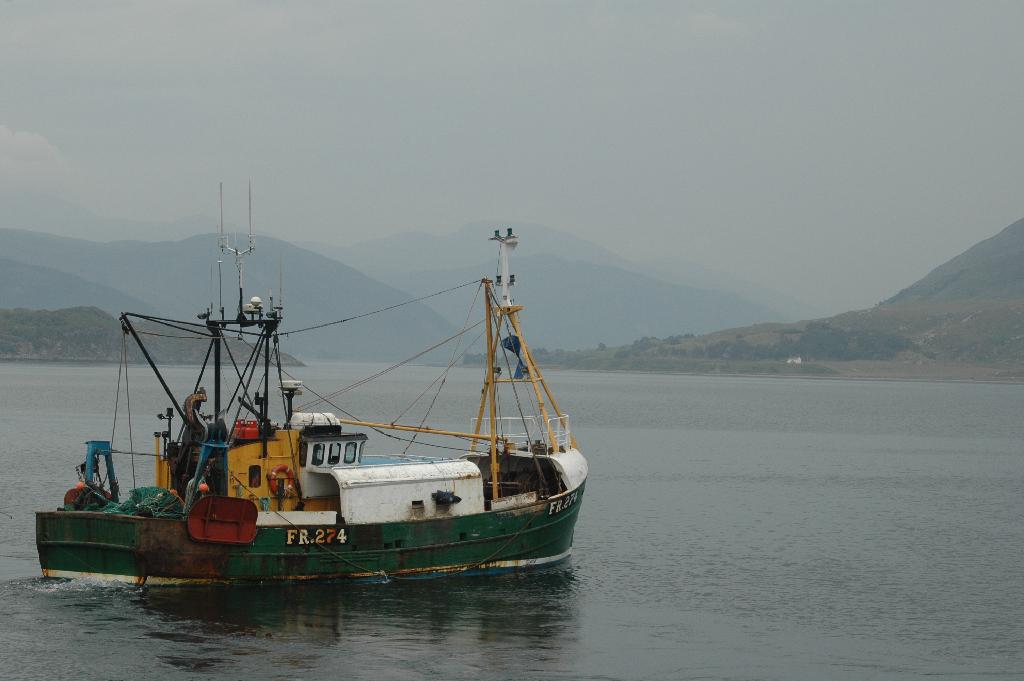
Scientists approved high catch limits for fish like North Sea Plaice and North Sea Sole, while North Sea Haddock and Northern Hake’s populations were also sustainable. Although Northern Hake’s stock received a 15% recommended reduction, the stock also remains safely above critical biological limits.
For consumers looking to navigate buying fish sustainably, the FAO Major Fishing Area or the specific ICES zone should give a good indication of whether or not to buy the fish.
Fish labelled from the North Sea (Subarea 4) or broadly the Northeast Atlantic (FAO Area 27) is currently tracking at sustainable, healthy levels for species like plaice, sole, and haddock.
If the label specifies the Irish Sea (Division 7.a) or the Celtic Sea (Divisions 7.b-k) for cod, whiting, or haddock, it originates from a severely depleted stock that scientists say should be left entirely alone.
The report also highlighted an alarming waste crisis in the English Channel, where the plaice fishery has been capped at 1,102 tonnes because nearly 80% of what is being caught is thrown back into the sea – usually dead, as unwanted waste.
According to ICES sampling data, the overwhelming reason fishermen throw this plaice back in this specific area is because the fish were under the legal minimum landing size of 27 cm; they are legally too small to sell, meaning they are juveniles.
That means whole generations of plaice fish are dying in great numbers as bycatch and limiting the population’s reproductive capabilities.
Jonny Hughes, Fisheries Policy Manager at Blue Marine Foundation, said: “It is indefensible that we continue to repeat the same mistakes despite decades of warnings from scientists. Time and time again, ministers have prioritised short-term political trade offs over scientific evidence, pushing fish populations closer to collapse. This is precisely why it is vital that the Government changes course and follows scientific advice when setting fishing limits.”
“Short-term economic gain can no longer justify ignoring scientific advice. Instead, ensuring long-term sustainability of our seas must be the government’s priority this year,” Hughes added.
“Without these measures we risk decades of boats tied up, the extinction of ocean wildlife, livelihoods lost. The stakes couldn’t be higher,” said Tagholm.
“Fish population dynamics can be framed as complex,” he added, “but the reality of this decision is simple. No fish means no fishing. No fish means the starvation of our ocean.”


"*" indicates required fields
Printed editions
Current issue
Back issues
Enjoy so much more from Oceanographic Magazine by becoming a subscriber.
A range of subscription options are available.
