What is dredging and trawling costing us in carbon?
Researchers have used Victorian-era archives and modern seabed data to produce the first long-term estimates of carbon disturbance from port dredging and aggregate extraction across the Northwest European shelf.
The ocean floor is one of the planet’s great carbon vaults. Locked in the silts and muds of the seabed, organic carbon accumulated over millennia sits largely undisturbed – unless, that is, human industry intervenes. Exactly how much has been put at risk, and for how long, has until now been poorly understood. But a new study is beginning to change that.
Researchers from the University of Exeter and Bangor University, working as part of the Convex Seascape Survey, have produced the first long-term estimates of how port dredging and marine aggregate extraction have disturbed organic carbon stored in seabed sediments across the Northwest European shelf, revealing a 30-fold increase in carbon disturbance from UK port dredging between the end of the 19th century and the start of the 21st.
The research combined 19th-century parliamentary papers, port authority records, and industry reports with modern seabed datasets and thousands of sediment samples. The result is the most detailed historical picture yet of how two major seabed industries have affected the ocean’s buried carbon stores over time.
The study found that port dredging disturbed an average of 2.2 million tonnes of organic carbon per year across the Northwest European shelf between 1995 and 2021. Marine aggregate extraction – the removal of sand and gravel for construction – disturbed an average of 0.4 million tonnes per year between 1955 and 2022. Some UK ports, including Ramsgate and Aberdeen, have been dredged regularly since the 1830s.
“This is the first study to use historical archives alongside modern data to quantify how seabed carbon disturbance has changed over time,” said Ellie Maynard, graduate research assistant at the University of Exeter, and the study’s lead author. “It reveals the long-term scale and persistence of human activities impacting the seabed, showing how these pressures have accumulated over decades.”

In other news
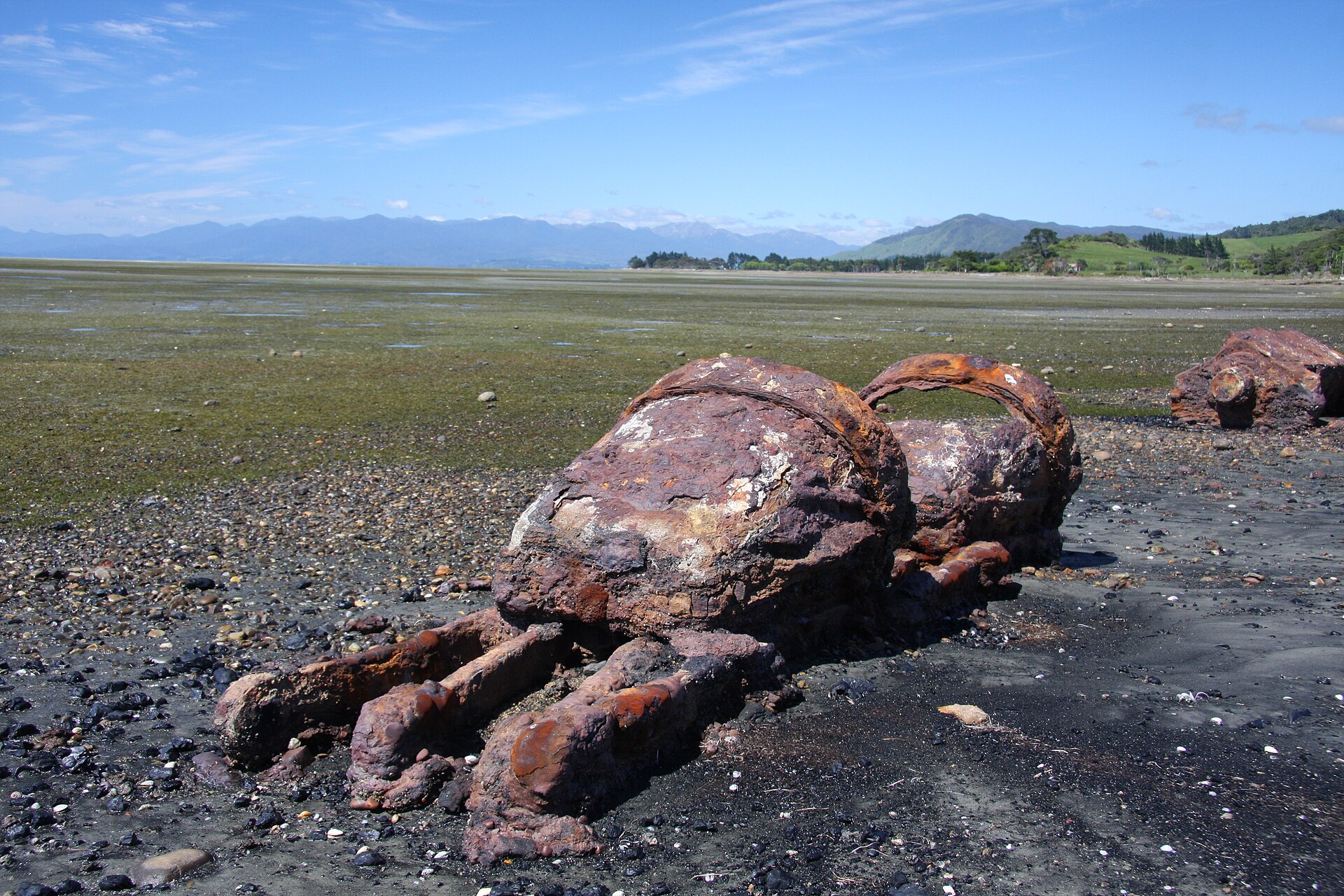
Despite those figures, the study found that the carbon impact of both industries is considerably smaller than that of bottom trawling. Across UK waters, disturbance from dredging and aggregate extraction is estimated to be roughly three orders of magnitude lower than published estimates for bottom trawling – a difference largely explained by the much larger spatial footprint of trawling and its tendency to disturb carbon-rich muddy seabeds.
Port dredging and aggregate extraction are typically confined to smaller, well-defined areas. Aggregate extraction is concentrated in sandy and gravelly sediments with relatively low organic carbon content. Ports and harbours, however, are frequently situated in muddier estuarine environments where carbon concentrations are higher – a distinction the researchers say is important for assessing risk.
“These findings address an important knowledge gap. While sediment type and spatial footprint were already known to influence carbon risk, the long-term extent and variety of human activities disturbing the seabed had not previously been quantified,” said Maynard. “By tracing these activities back over decades, we show how much organic carbon has been put at risk over time, although its ultimate fate after disturbance remains uncertain.”
The researchers have said the findings have direct implications for marine management, offering policymakers a clearer basis for prioritising the protection of carbon-rich muddy seabeds and targeting the highest-impact activities.
Professor Callum Roberts, lead scientist at the Convex Seascape Survey, said: “If we want to minimise disturbance to seabed carbon, we need to focus on the activities that affect the largest areas and the richest carbon deposits. This research provides the evidence needed to support smarter, more targeted ocean management.”
The Convex Seascape Survey is a five-year global research programme and partnership between Blue Marine Foundation, the University of Exeter, and Convex Group Limited, focused on understanding the ocean’s role in the Earth’s carbon cycle and the human pressures acting upon it.
The paper, entitled “Estimating historic seabed carbon disturbance by port dredging and aggregate extraction in NW Europe”, is published in the journal PLOS One.


"*" indicates required fields
Printed editions
Current issue
Back issues
Enjoy so much more from Oceanographic Magazine by becoming a subscriber.
A range of subscription options are available.