Years of enforcement fail to stop Australia's illegal fishing problem
New research has found that illegal Indonesian fishing incursions into Australian waters are driven by 28 overlapping factors, and that enforcement-led responses alone have consistently failed to reduce them.
A resurgence of illegal fishing in northern Australian waters is being driven by a complex mix of economic, social, cultural and pandemic-related factors that enforcement measures alone cannot address, new research to emerge from the Charles Darwin University has found.
Funded by the Australian Centre for International Agricultural Research (ACIAR) and co-developed by Indonesia’s National Research and Innovation Agency, and Nusa Cendana University, the study has examined the drivers of illegal small-scale fishing incursions into the Australian Fishing Zone (AFZ) – the area covering waters from three to 200 nautical miles off the Australian coast.
Illegal Indonesian fishing in the zone has been a persistent issue for five decades. Some 361 boats were apprehended in the 2005–06 financial year. Despite sustained government investment in surveillance and enforcement, incursions have risen sharply since the COVID-19 pandemic, with 337 boats intercepted in 2021 and 2022.
By January 2025, 172 vessels had already been intercepted in the current financial year.
Fieldwork conducted across four communities in Nusa Tenggara Timur Province, eastern Indonesia, identified seven broad categories of behavioural driver: economic and livelihood pressures, COVID-19 related factors, psychological motivations, environmental conditions, cultural and historical ties, social dynamics, and policy and management responses. Within those seven categories, researchers identified a further 28 individual drivers.
Professor Natasha Stacey, Professor of Environmental Science at CDU and leader of the research team, said the drivers frequently overlap.
“For example, during COVID-19, economic hardship among fishing communities increased,” Professor Stacey said. “However, financial difficulties alone are not sufficient to entirely explain the strong resurgence of illegal fishing, which was likely prompted by a combination of financial hardship, the discovery of new fishing grounds abundant in sea cucumber, and willing patrons to support such ventures into the AFZ.”
The research also incorporated perspectives from women in affected communities, examining the risks and impacts associated with male relatives engaging in illegal fishing.
“Women research participants expressed that the limited employment or other livelihood options for their menfolk in their communities is a motivating factor to fish in the AFZ,” Professor Stacey said.

In other news


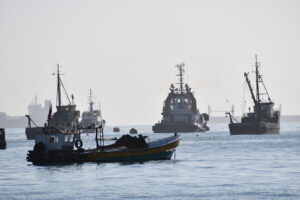


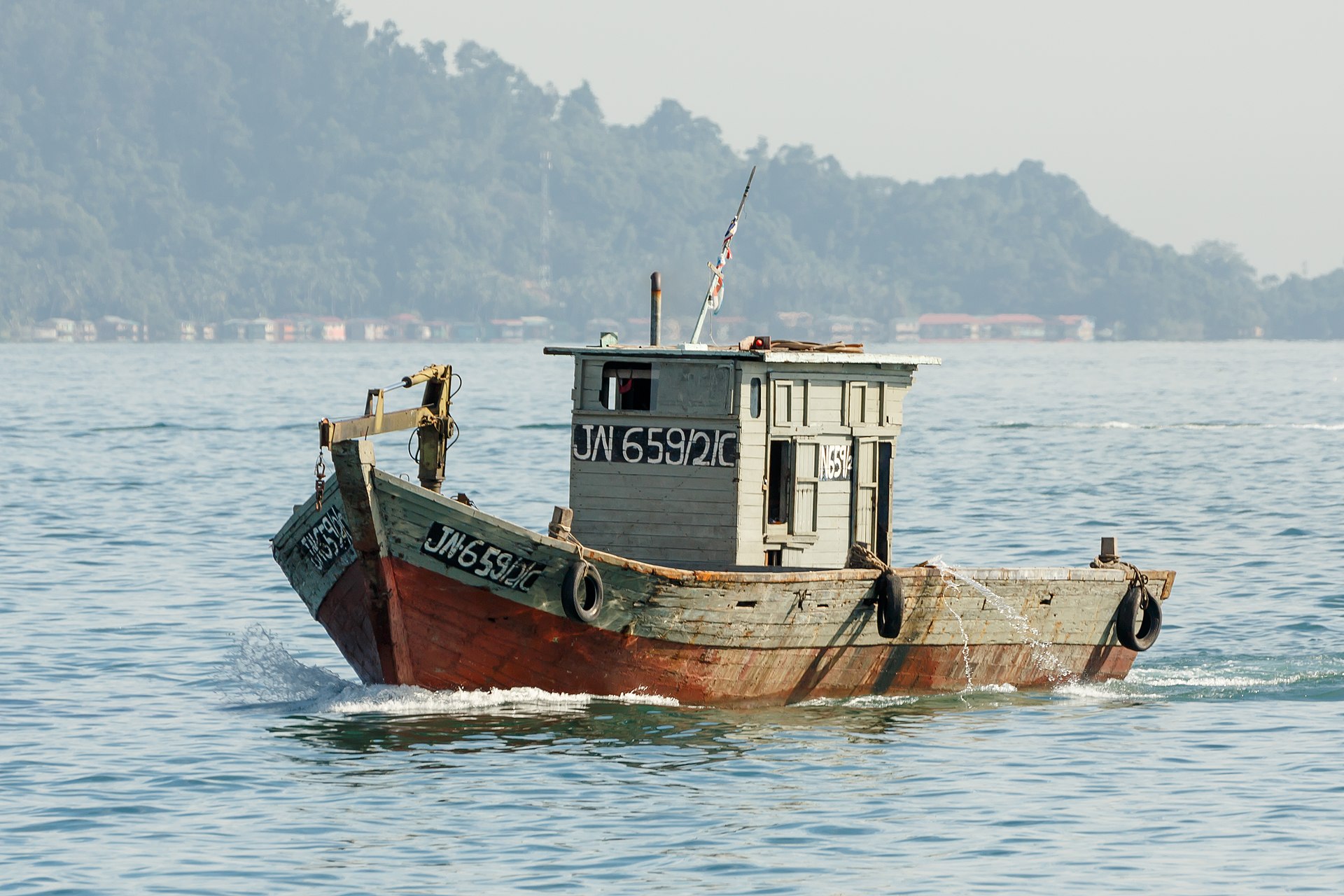
The research concluded that current enforcement-led approaches have not been sufficient to reduce incursions, and may in some cases be making the problem worse.
“Surveillance and compliance policy responses have resulted in forfeitures, apprehensions and prosecutions of thousands of fishers, boats, catches and equipment. But, in general, we conclude that this has not been a sufficient response to stem the tide of incursions,” Professor Stacey said.
“Even in instances when authorities successfully ‘catch’ fishers undertaking illegal behaviour, it is more likely to negatively impact on their households and women – further trapping them in debt relationships that will see the fisher crew ‘re-offend’.”
The team is calling for a shift in approach, focusing on the underlying livelihood vulnerabilities that make illegal fishing an attractive or necessary option for communities in eastern Indonesia.
“Our research results highlight the need to move beyond fishers’ noncompliance as the main approach to managing illegal fishing, and instead focus on factors which most strongly drive illegal behaviour because of livelihood vulnerabilities within their broader enabling environment,” said Professor Stacey.
The researchers have proposed further work to explore which drivers can be addressed through behavioural science and rural livelihood programmes, with any initiative to be co-designed with affected communities.


"*" indicates required fields
Printed editions
Current issue
Back issues




Enjoy so much more from Oceanographic Magazine by becoming a subscriber.
A range of subscription options are available.
