Behind the headlines: Does the UK need protecting from bottom-trawling?
A major question being faced by the UK government right now, is for how long can its domestic waters - both inshore and offshore - be dredged with impunity? Having recently rejected calls for a blanket-ban on bottom-trawling across its network of Marine Protected Areas, pressure is mounting.
To understand change, good science needs to establish a baseline. Say you want to know the impact of bulldozing a flower bed: you can examine the area before and after the heavy machinery drives over it. But what if the bed had already been crisscrossed by bulldozers before you started your experiment? What if all that was left was nothing but churned up mud and a few weeds?
The conclusions you’d draw would be very different.
When it comes to bottom-trawl fishing, establishing such a baseline is difficult. Our seas have been trawled since at least the 14th Century, escalating rapidly in intensity and range with the advent of vessel engines at the end of the 1800s. Today, 89% of the North Sea is trawled. In fact, it’s according to an analysis compiled by Oceana of satellite tracks, we can reasonably deduce that last year alone, UK offshore Marine Protected Areas (MPAs) were subjected to over 20,000 hours of suspected bottom trawling.
Since bottom-trawling and dredging involves dragging heavy, weighted nets across the seabed, as powerfully shown in David Attenborough’s OCEAN documentary, there are some clear impacts on sensitive habitats. Reef organisms and seagrass meadows, for instance, will be badly damaged. But what of sandy sea beds – can they be trawled with impunity?
This is the question the UK Government is grappling as they make long overdue plans for managing bottom-trawling in MPAs. For 13 offshore MPAs in England, bottom trawling has been banned, but only from rock and reef habitats. Only these habitats within the MPA require protection, the government concluded; and in recent weeks it has rejected the Environmental Audit Committee’s calls for complete whole-site protection for MPAs.
It begs the questions, are our leaders suffering from shifting baseline syndrome?
Other features


All about that base
Although it is difficult to establish a baseline for the ocean before trawling, there are clues. One tantalising glimpse comes from historical maps of oyster beds from the late 19th Century, filling many bays and estuaries, sprawling across the channel and into the North Sea where there was a bed the size of Wales.
They look implausible today, and then you remember the old recipes, where oysters were cheap protein used to bulk out beef pies. How much of the UK’s soft-sediment seabed is therefore actually natural?
But what about present-day data? Where – in waters so heavily exploited over the course of centuries – might we find a corner left untouched? The solution we landed upon might come as quite the surprise… because the answer is ancient shipwrecks. They are – it turns out – a hot spot for critical data.
Given wide berths by trawlers steering well clear of them to avoid snagging their gear on the wreckage, these wrecks do not only protect a small amount of seabed, but – crucially – they can also be dated, informing us of exactly how long the protection has lasted.
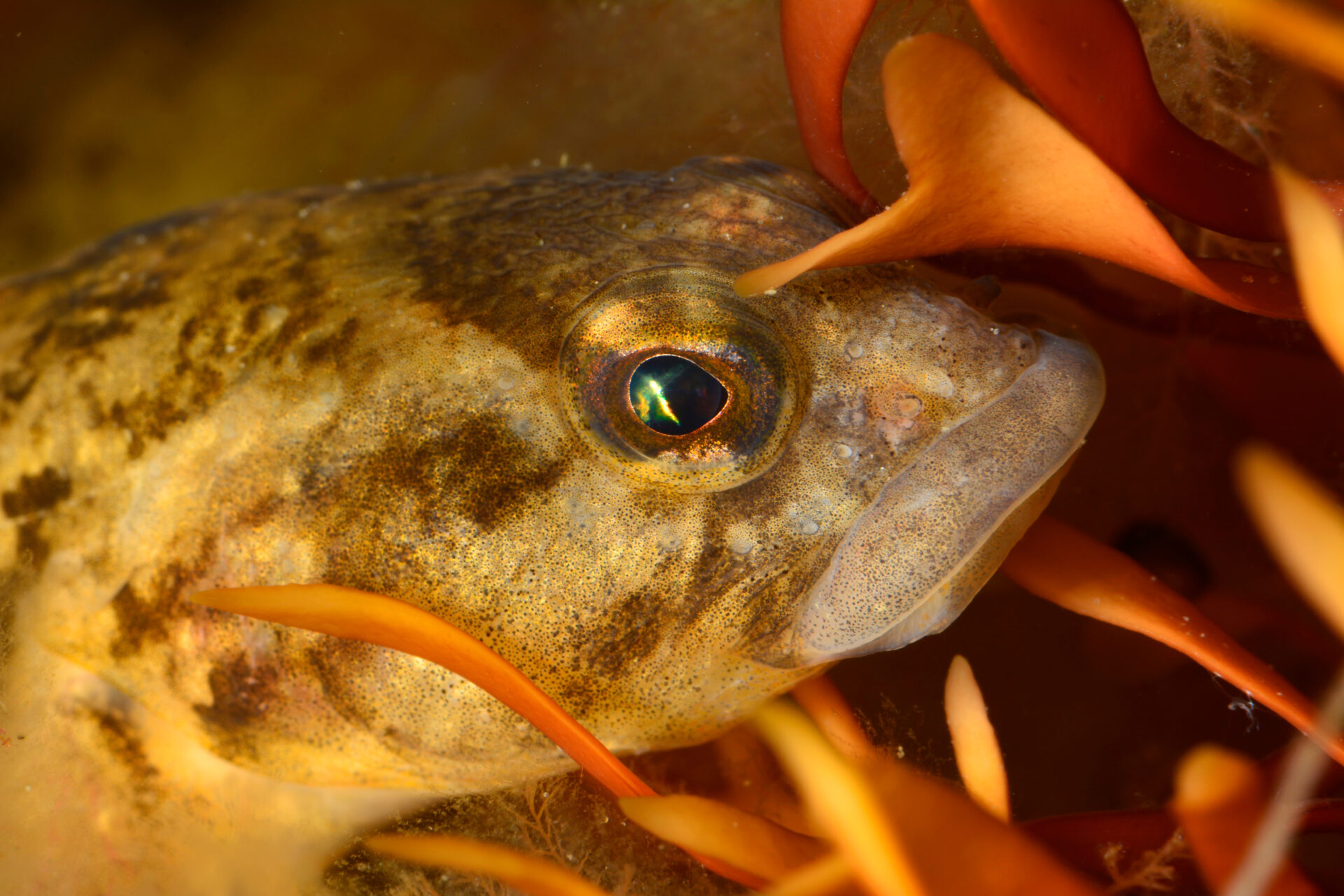
Poring over charts of the Berwickshire coast, we chose five wrecks that had met their watery ends between 1899 and 1923. Our results made it clear that these ancient hulls were providing vital refuges in a scoured sea: in areas open to bottom trawling, the wrecks harboured an abundance of marine life; in some cases a staggering 340% greater than the surrounding areas.
An unexpected wave
We have also been given hefty hints at this baseline by the few areas of sea where recovery has been allowed.
Lyme Bay, in the southwest UK, was subjected to intense trawling and scallop-dredging for many years. After extensive collaboration between local fishers, scientists, regulators, and environmental groups, bottom-trawling and dredging was banned in large parts of the bay in 2008. In 2011, a further protected section was added, although here it was only reef features out of bounds for the trawlers.
Flying cameras over the seabed, we have watched the recovery with surprise and growing awe. To start, the transects of sandy seabed showed just what was expected: an expanse of empty gravel stretching out into the gloom. But then we saw something that didn’t make sense. That didn’t fit the narrative.
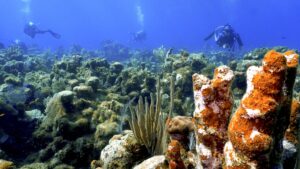
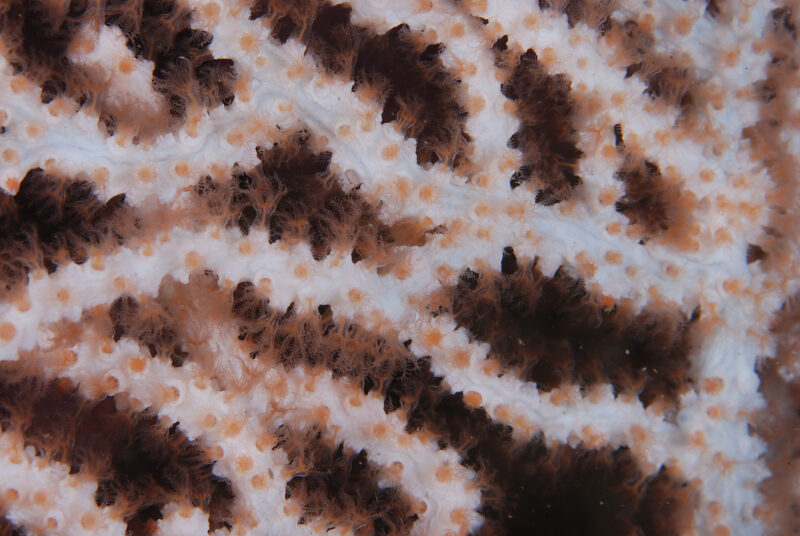
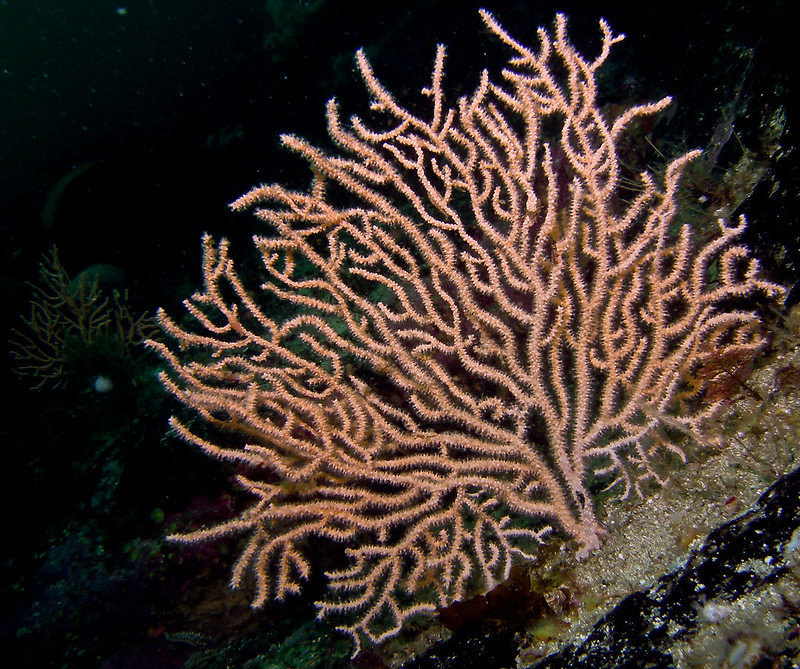
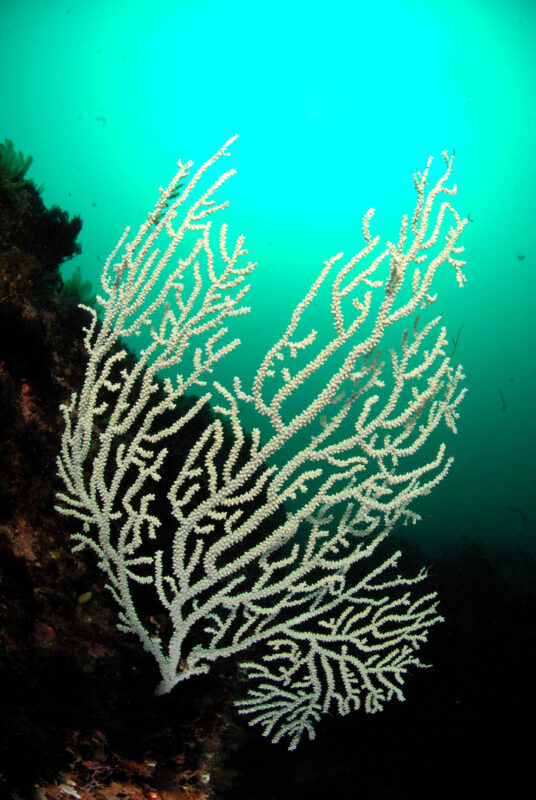
Delicate branches of rose-tinted lace, waving in the current. These were pink sea-fans, and they weren’t meant to be there. This is a reef species, which shouldn’t grow straight out of sediments. And yet, here they were.
Further investigation showed that the average abundance of species like the pink sea fan – species more commonly associated with reefs – was over 150% greater in protected soft seabed areas than those areas still being trawled.
Far from being dead zones between reefs, we have seen that sandy sediments are a crucial part of the system and ‘whole-site’ protection has conferred extraordinary benefits that should not be overlooked. Where reef features alone were protected, the abundance of marine life did increase: by 15%. But in areas where the entire seabed was protected across the whole site, that figure was 95%.
Local lives
The community is at the heart of the Lyme Bay project, and local livelihoods were a key concern. Here too, the decision to ban bottom-trawling was borne out.
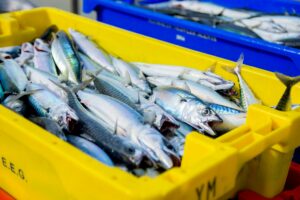
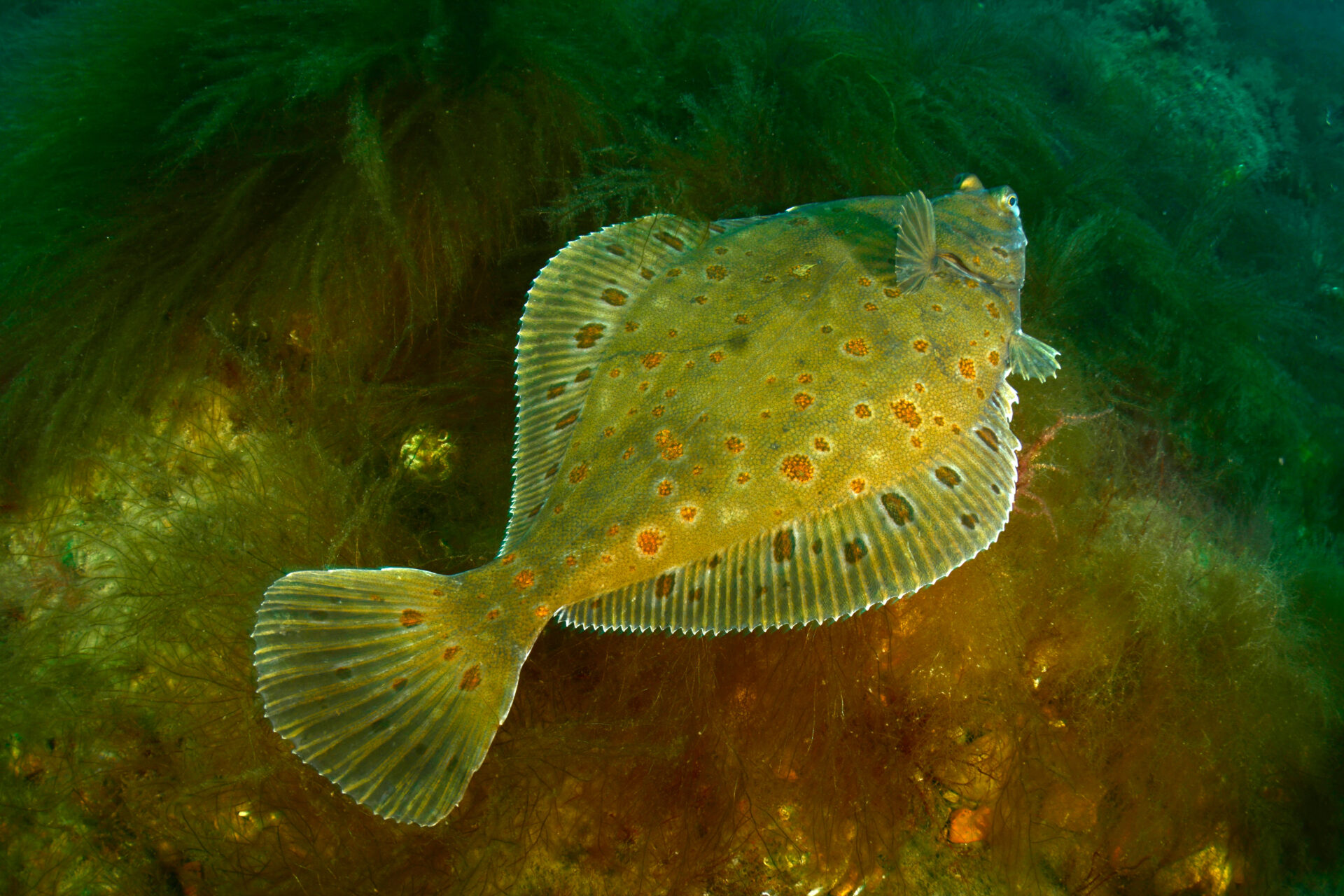
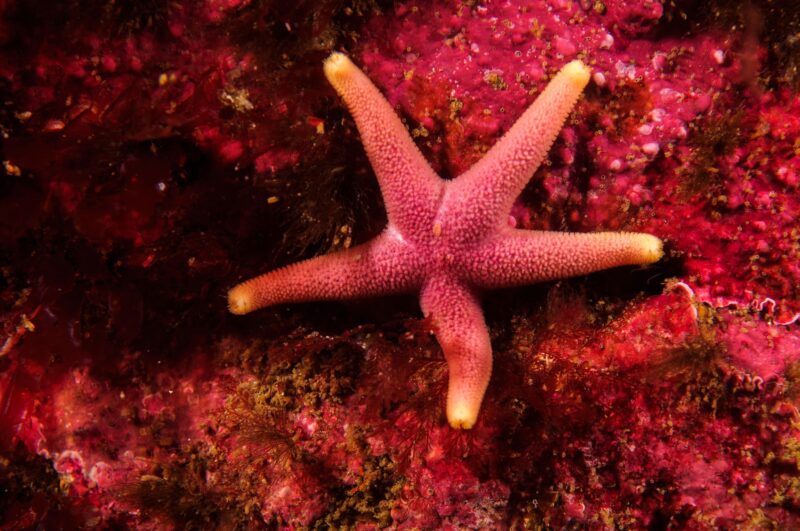
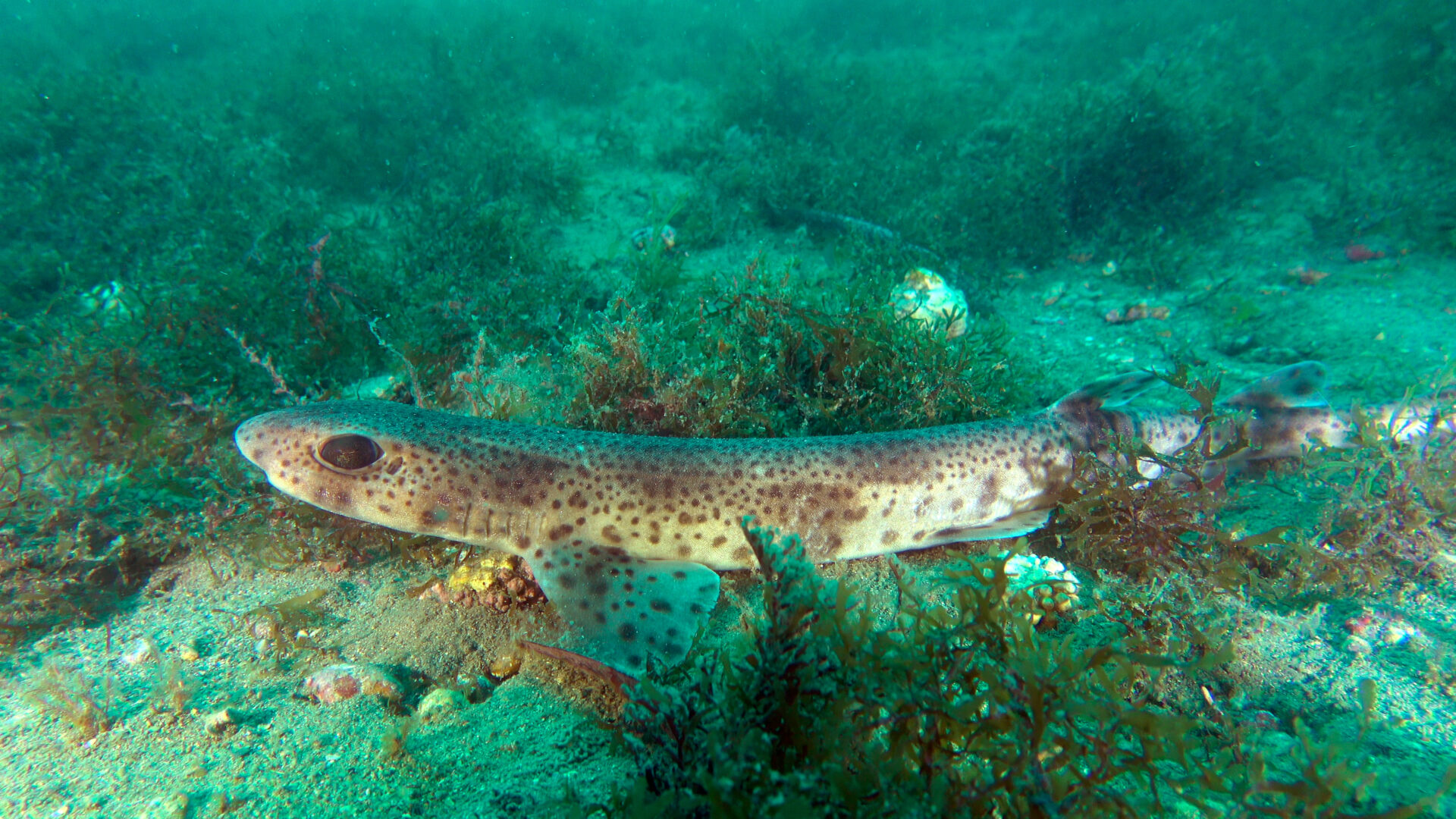
In just over a decade, commercially caught fish species increased in abundance by 370% and the richness of the species mix by 430%. An increase was also seen outside the protected area, and we hypothesise that this is a spillover of the bounty generated by the healthy habitats within.
Local livelihoods were also boosted by a £2.2 million increase in expenditure by visiting divers and anglers in the first the three years after the closure. For lobster potters and other static gear fishers -gear which is not banned – there was an average rise in earnings of £1,452 per boat per month.
Weathering the storm
But the truth of it is, marine ecosystems are facing more than poor fisheries management. The world’s oceans are breaking temperature records on an almost daily basis and deoxygenation, acidification as well as sewage, fertiliser, and plastics pollution are pushing sea life to its limit.
Diversity builds resilience and, as well as the much greater richness of species within the trawl-ban area at Lyme Bay, we found that there were significantly more species playing the same roles in the ecosystem. This means that if one species declines, it is more likely that another can take its place, fulfil its function, and maintain ocean health.
All the evidence points to the rich benefits of fully protected, bottom trawl-free reserves that support coastal communities, build resilience, and sustain healthy seas.
It is the ocean that stabilises the climate and keeps our planet habitable. It is vital that we protect it.

Printed editions
Current issue
Back issues


Enjoy so much more from Oceanographic Magazine by becoming a subscriber.
A range of subscription options are available.
