Social media-fuelled “selfie tourism” is driving harmful interactions with marine wildlife worldwide, disrupting behaviour, causing injuries, and risking lives, highlighting the urgent need for stronger regulation, education, and responsible tourism practices.
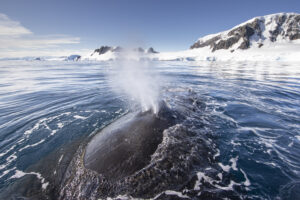
The first few weeks of life for Siale, a rare, white humpback whale, were not as peaceful as they should have been. Born in 2024 in the waters around the South Pacific islands of Vava’u in Tonga, “word soon spread of its existence and tour groups set their sights on finding it and getting whatever swims and photos that they could,” says Alistair Coldrick, owner of Dolphin Pacific Diving in Vava’u.
“For the next three days, they hunted this whale down, and when they found it, they stayed on it all day, boat after boat after boat. All regulations regarding interaction times with the whales were disregarded.”
What would drive tourists and boat operators to recklessly chase marine animals? “It’s all about social media,” says Coldrick. “It’s all about getting the shot with the whale.”
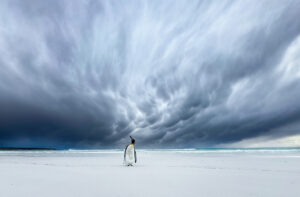
The harassment and endangerment of marine life by tourists looking for Selfies, close-up photos or viral videos isn’t exclusive to Tonga or to humpback whales – it’s happening from Timor-Leste to Arctic Norway, with reports of everything from people riding on the backs of turtles or hugging penguins to grabbing sharks.
“Social media’s changed the way people want to experience wildlife,” says Guy Stevens, Chief Executive and co-founder of The Manta Trust. “We’re seeing more tourists and influencers chasing the ‘viral’ shot, getting closer than they should, touching animals, or positioning themselves for dramatic underwater Selfies. While those videos might appear beautiful, they often come at the expense of the animal’s wellbeing. The problem is that what gets the most Likes isn’t always what’s best for the wildlife.”
There are instances where humans have been hurt. In early 2025, it was reported that a Canadian tourist in Turks and Caicos lost both her hands while trying to take a Selfie with a shark in shallow waters, the attack meaning she required amputations.
But more often than not it’s the marine animals that suffers. As with wildlife Selfies on land, which are known to cause harm to tigers, monkeys and more, humans trying to pose for Selfies or taking close-up pictures causes stress to marine creatures, including babies. Some tourists extend Selfie sticks too far, poking or disturbing the animals, or they use a camera’s flash, which can disturb marine life. Interactions can cause pain or physical injuries, such as when people grab onto fins. The rush of boat operators to get their clients close to the action can also lead to collisions with whales and other species, causing injuries from hulls or propellers.
In South Ari Atoll in the Maldives, where overcrowding with whale sharks is a significant problem, a study from the Maldives Whale Shark Research Programme found that 66% of the South Ari whale shark population had been injured at some point in their lifetime, including amputations and lacerations, the damage consistent with vessel strikes or propellers.
Related features

Continue reading
This story is exclusively for Oceanographic subscribers.
