Shackleton’s Endurance: Lessons for a changing Antarctica
While listening to Shackleton's account of survival against the odds, Wendy Mitchell reflects on her own journey to Antarctica – the wonder it awakened in her, and what his legendary leadership tells us about the courage needed to protect these important, fragile landscapes
Riding the steady easterly winds, our sails are full as we navigate the rugged Western Australia coast. We are heading to the remote offshore reef system of Scott Reef, whose survival is being threatened by the promise of ‘natural’ gas exploitation by Australia’s largest oil and gas company.
To pass the time, I am listening to Shackleton’s ‘South’. As I get lost in his heroic story, my mind begins to drift back to my own voyage of Antarctica. It was there that I first truly felt the impact of his remarkable leadership and resilience, and reflected on how his tenacious approach could inform ocean governance today.
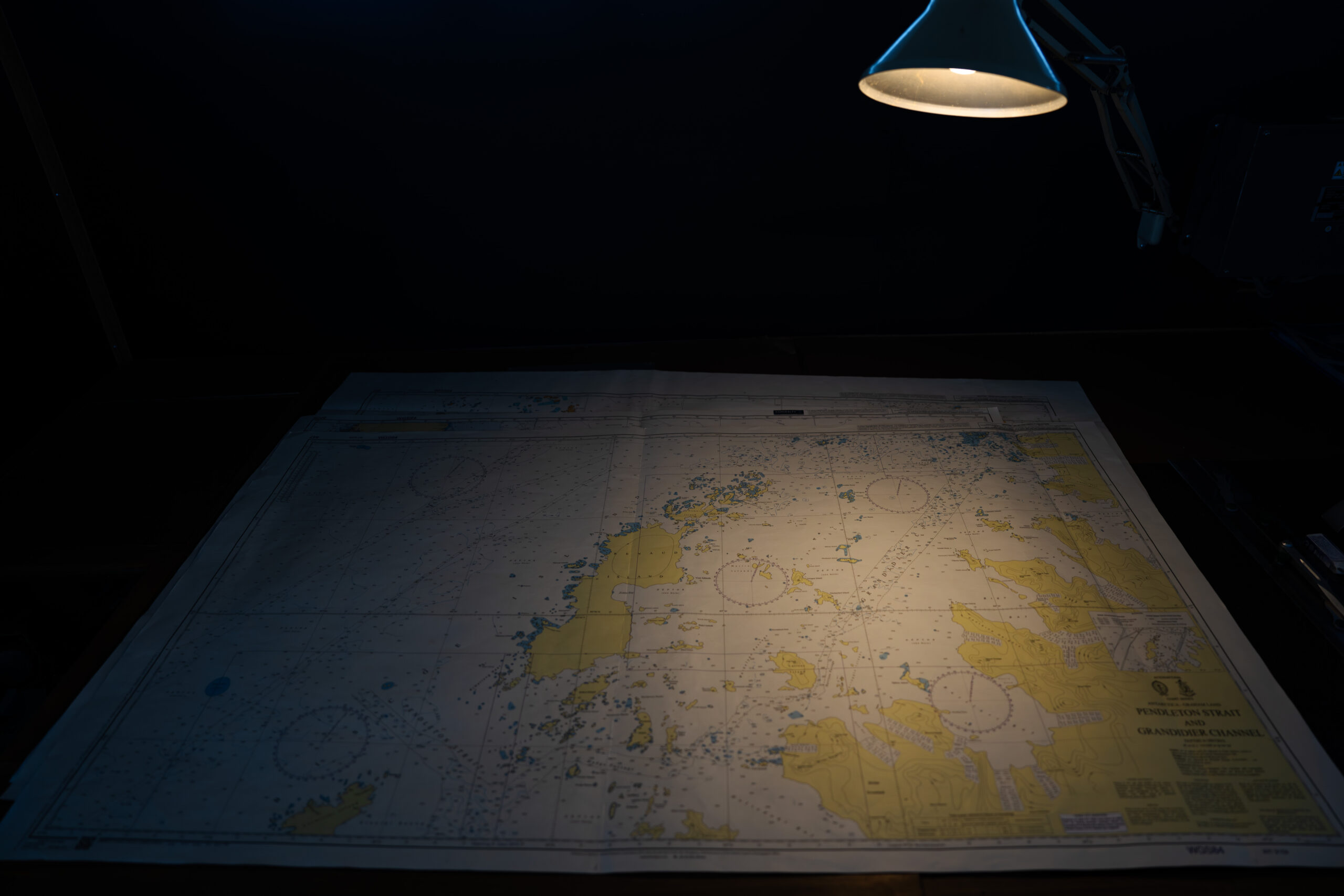
In 1915, after their ship Endurance was crushed in the pack ice and sank, Shackleton and his 28 men were forced to abandon their ship and were left stranded on the Weddell Sea. Against all odds, they survived an incredible 18 months in some of the most challenging conditions on Earth. Shackleton and five others spent 15 days in a tiny open boat crossing a horrendous stretch of the Southern Ocean – a journey similar in distance to that between London and Rome. Expert navigation landed them on the island of South Georgia, where they then crossed on foot to a Norwegian whaling station, seeking assistance to rescue the remaining men still stranded on Elephant Island in the sub-Antarctic, who had been surviving on penguin and seal meat.
Shackleton’s story had fuelled my desire to one day visit the vast, dry, icy continent – though I hoped my expedition would be slightly less extreme. For many, the most dreaded part of visiting Antarctica is crossing the Drake Passage. This 900-nautical-mile stretch of ocean, separating the southernmost tip of South America from the Antarctic Peninsula, is one of the most notorious bodies of water in the world, where the strongest ocean current on Earth circulates. The Antarctic Circumpolar Current operates as the engine room of the planet, distributing nutrients and CO₂, while regulating the global climate. Fierce winds are funnelled between the two continents, building relentless swells that can reach more than ten metres between peaks and troughs. The Drake Passage demands respect from those who attempt to cross it.
Other features
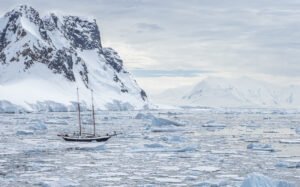
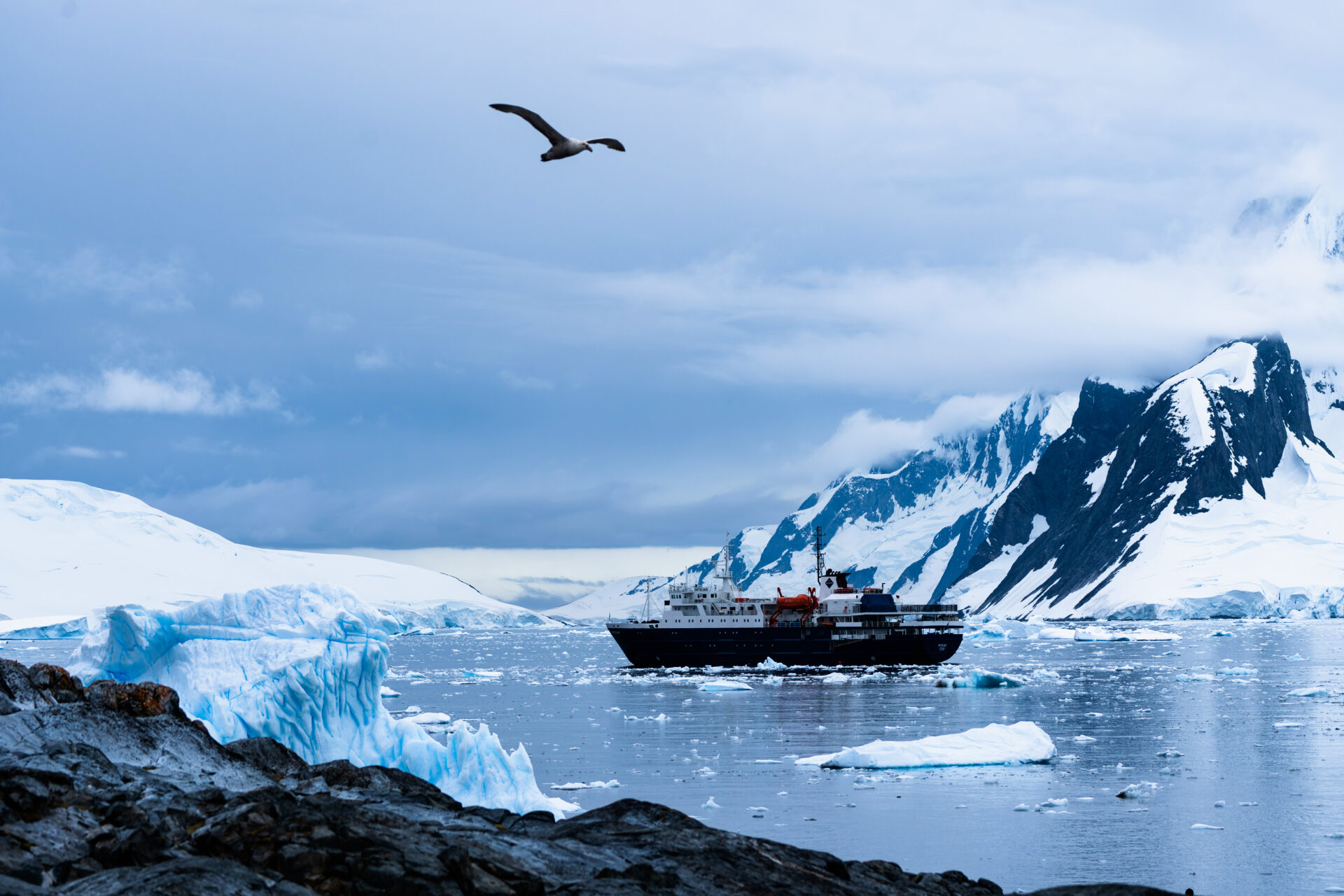
The official start of my expedition to Antarctica had been marked by our ship leaving the sheltered Beagle Channel in Argentina. Icy winds whipped across the open sea; there was nowhere to seek refuge until the Antarctic Peninsula appeared on the horizon. Giant Wandering Albatross (Diomedea exulans) patrolled the skies, their three-metre wingspans dwarfed by the vast openness of the Southern Ocean.
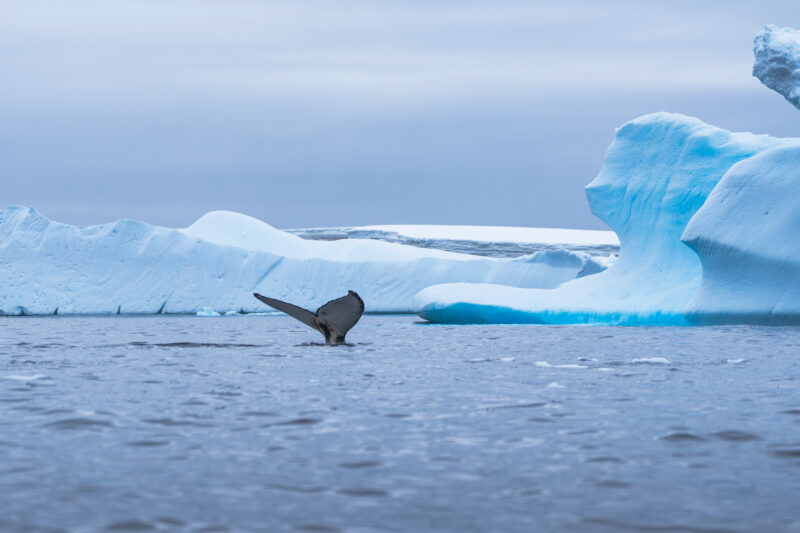
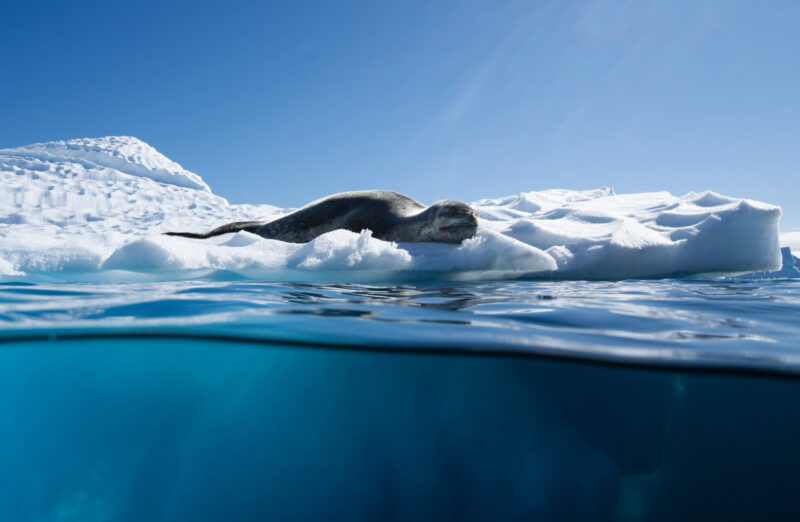
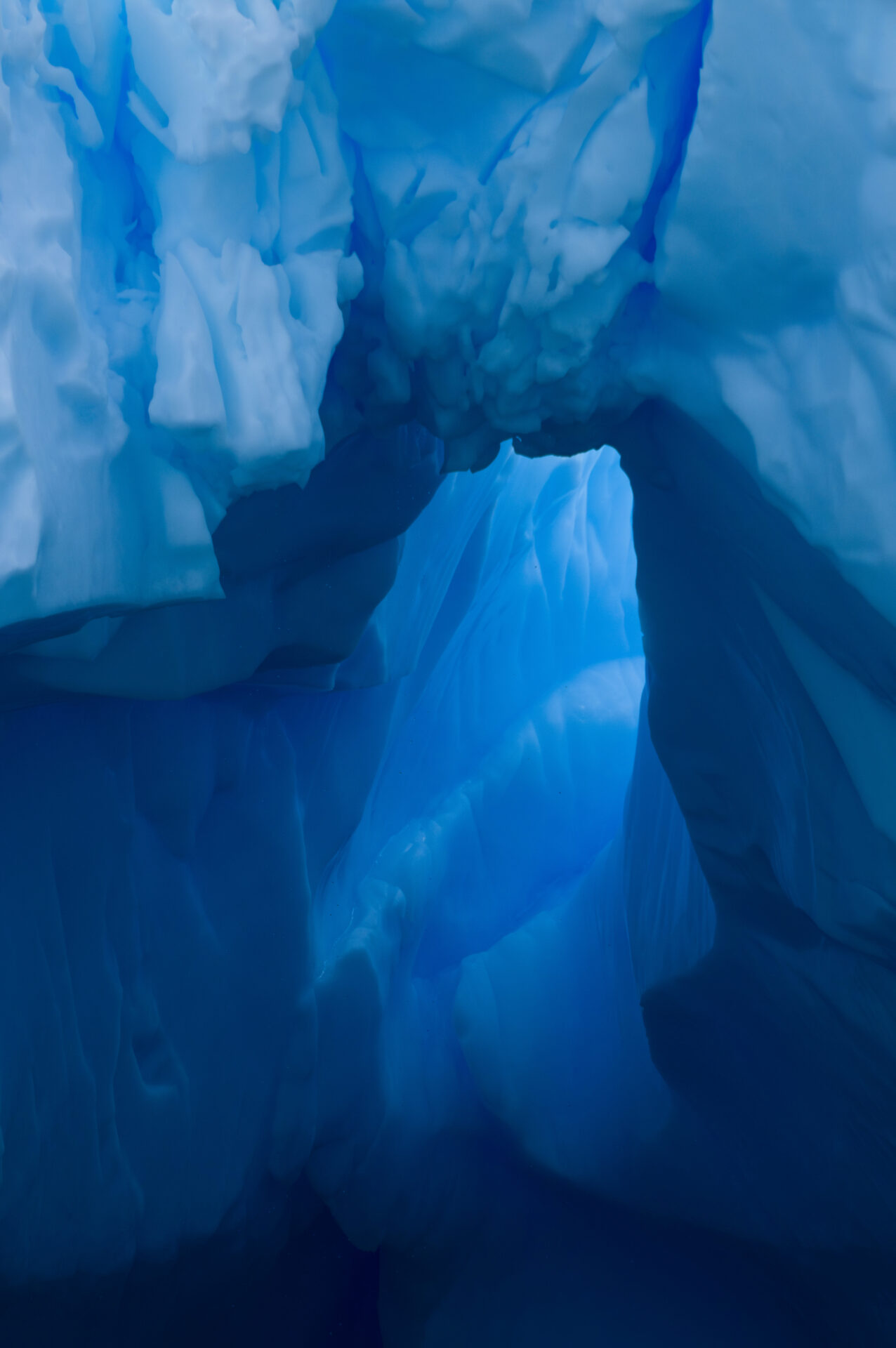
As I peeked over the side of our ice-reinforced ship, a shiver travelled down my spine as, in near silence, fragments of ice glided past the hull. We were surrounded by icebergs, a sight so foreign to me that it brought back a childhood sense of wonder and awe. From tiny shards of drifting ice to vast tabular icebergs the size of football fields, ice revealed itself in a kaleidoscope of shifting blues, greens, and – surprisingly – black. As light rays hit the icebergs, they glowed with unique colours determined by the ice’s age, and the amount of air trapped within.
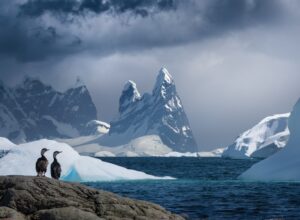
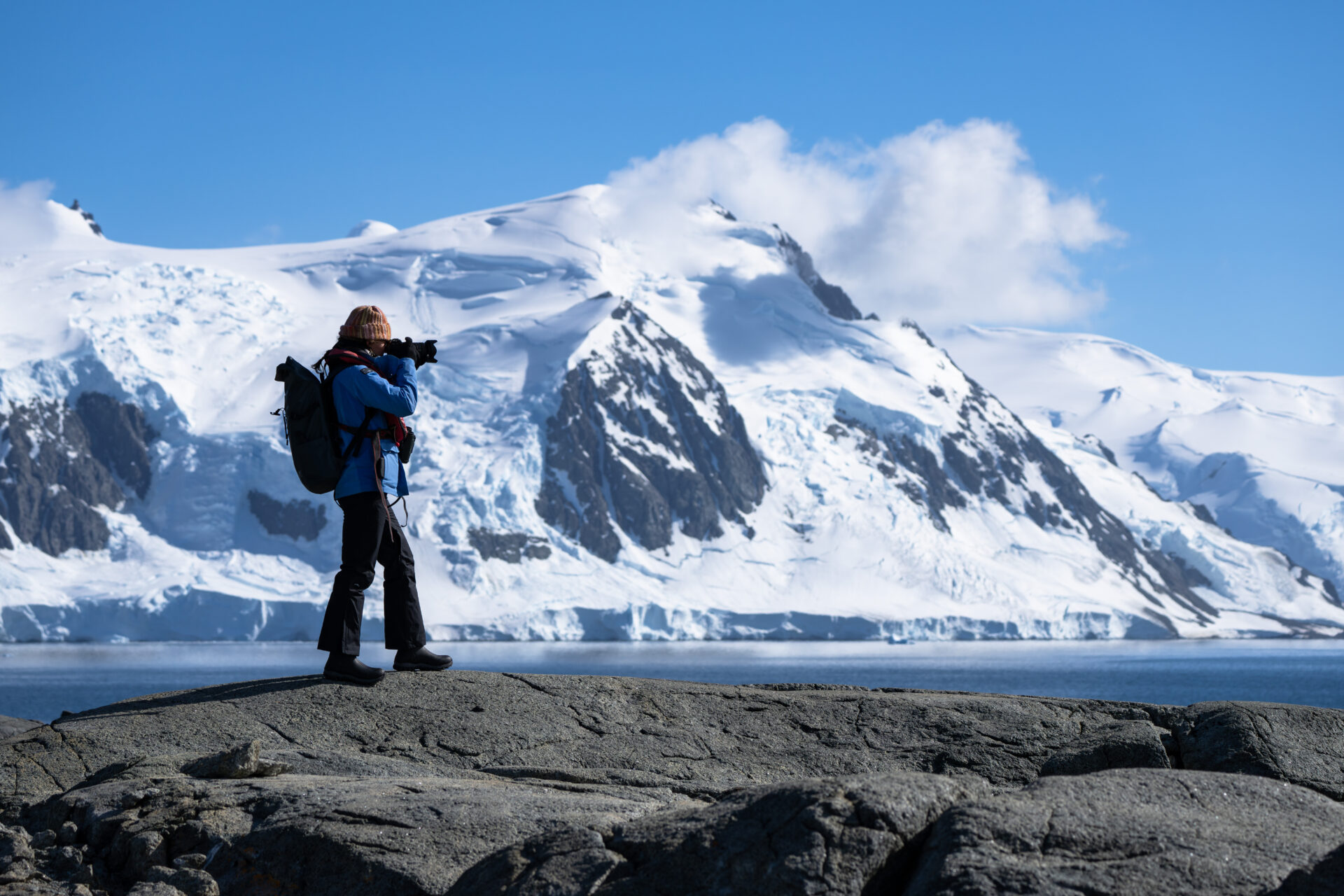
In every direction I pointed my lens, I was in awe of the raw beauty of Antarctica. We navigated tight passages lined with towering peaks, alongside ancient glaciers formed over millions of years as layers of snowfall accumulated and compressed. Deep crevasses lay silently across the vast, sprawling landscape, their depths glowing with shades of blue.
Highly variable weather conditions mean plans in Antarctica are made to be broken. The sea ice on the Weddell Sea side of the Antarctic Peninsular was heavier than we anticipated, and forced us to adapt our passage and travel down the western side of the Peninsula – opening the opportunity to venture south of the Polar Circle, a journey that few get to witness.
Antarctica is the only continent on Earth that has remained largely untouched from industrial expansion, but this did not happen by chance. In the 1980s, Antarctica began to face increasing pressure as technological advances heightened interest in extracting natural resources from this sensitive polar region. In 1991, the Madrid Protocol (formally known as the Protocol on Environmental Protection to the Antarctic Treaty) was adopted following international agreement to protect the continent.
This didn’t happen overnight. It took intense campaigning by environmental groups and a surge of global public pressure, which resulted in Antarctica being reserved solely for the purposes of peace and science. The protocol introduced a mining prohibition, banning the extraction of mineral resources in the Antarctic region – making it the only continent where mineral resource extraction is prohibited under international law. That doesn’t mean that Antarctica has managed to evade human impact entirely though: microplastics have been detected throughout the continent, and the area remains a focal point for industrial fishing.
Nowhere on earth is truly safe from the destructive impacts of human activity.
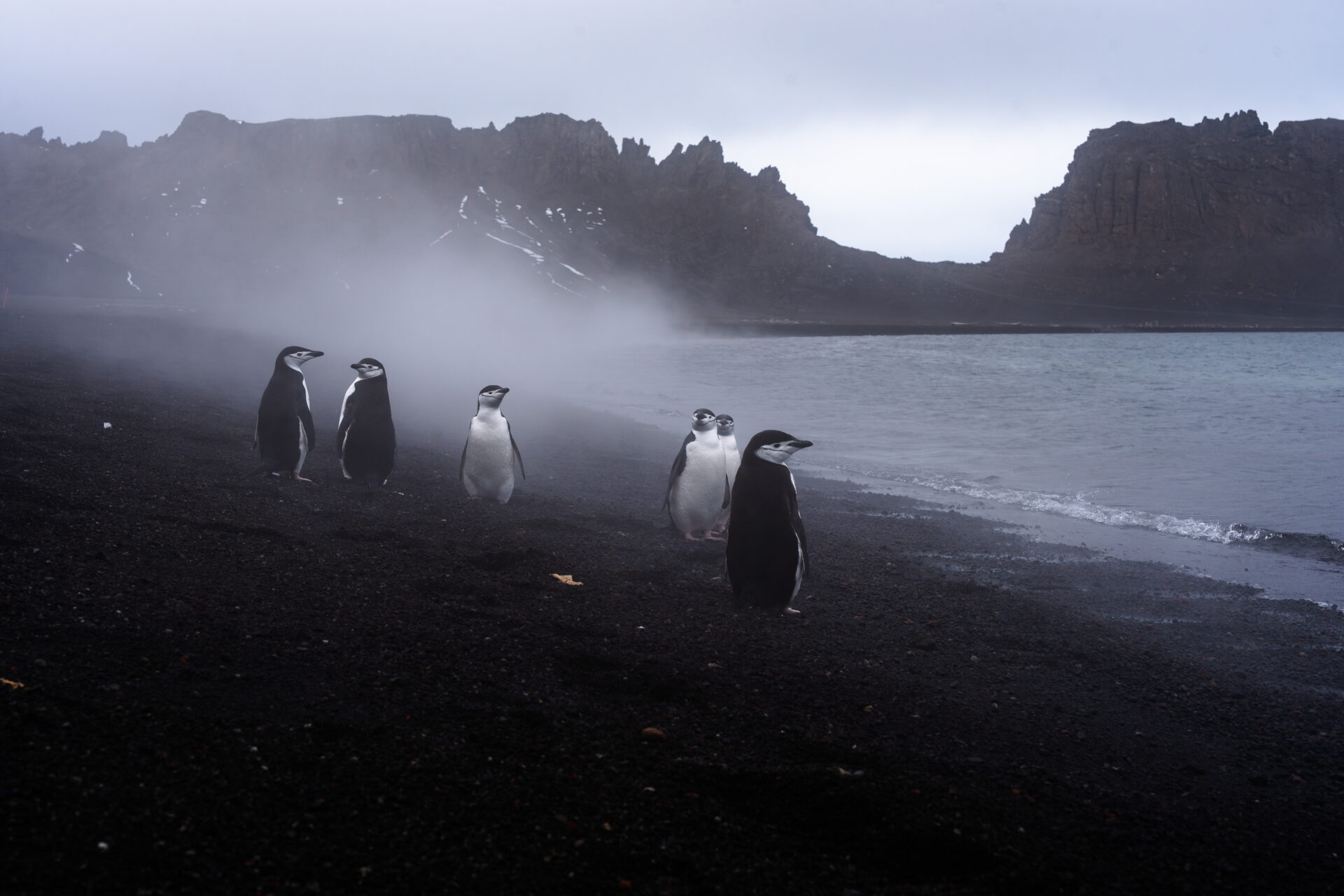
As I slipped off the rubber Zodiac for the first time into deep blue, one-degree-Celsius water, bundled in a drysuit and praying there were no leaks, I entered a world I had dreamed of for a long time. Photographing penguins in the water had become a spiralling obsession of mine, and it didn’t take long to realise it was going to be a challenge.
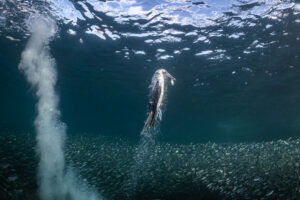
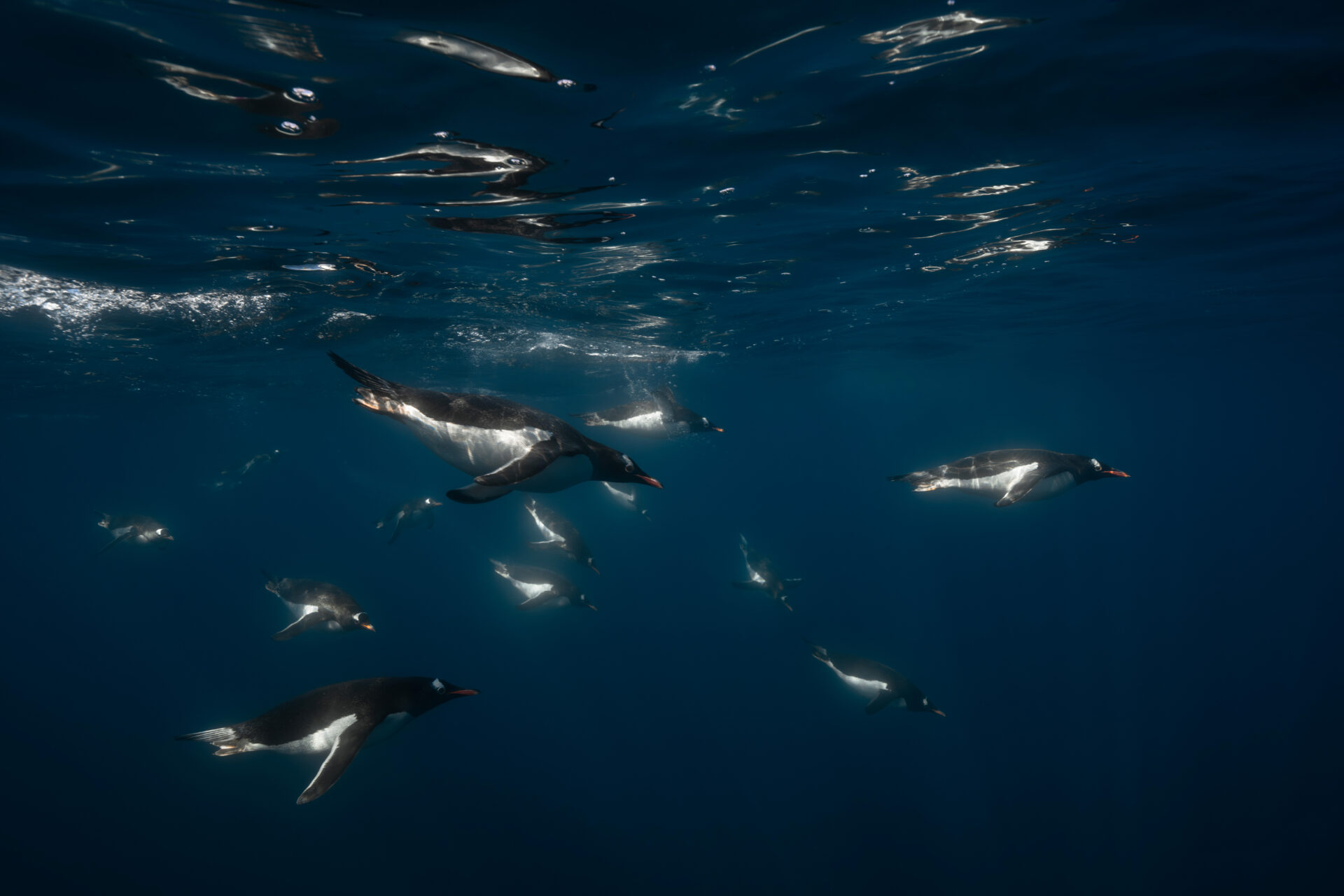
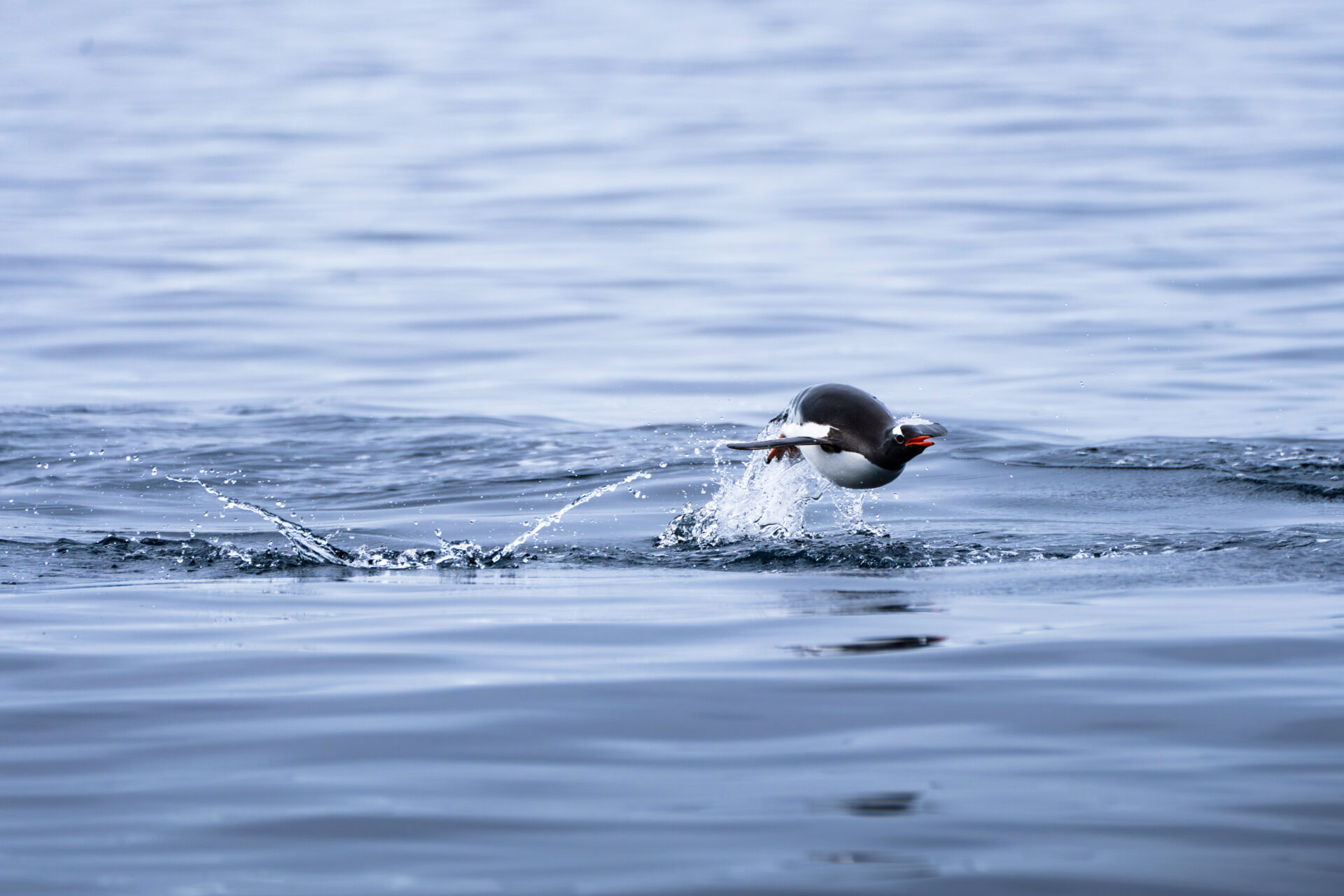
I watched a raft of gentoo penguins (Pygoscelis papua) gracefully break the surface in front of me. Underwater, they behaved more like tiny jet planes, and I caught only fleeting glimpses of them as they streaked past, leaving trails of tiny bubbles behind. All the while, mentally convincing myself that I was just imagining the burning cold feeling that had sunk deep into my fingers. As always, patience delivers the greatest rewards. When others around me began to get out of the water, the gentoo penguins became increasingly curious, gliding past with incredible speed and grace, appearing out of nowhere and disappearing just as fast. Suddenly, I lost the sensation of being cold and knew I was exactly where I was meant to be.
My time in Antarctica happened to fall during the peak of its summer, where we were met with exceptionally calm conditions and clear blue skies; almost a full day could pass without the sun dipping below the horizon. During these months, the ice is known to retreat before freezing and growing again through the dark winter. Yet watching meltwater drip from glaciers was a confronting sight. A question repeatedly ran through my mind: how much of this melting was considered “normal”? For me, I had no baseline for what is “normal” in Antarctica, as it was my first time visiting. The landscape before me was overwhelmingly beautiful, but I was aware that I was the classic example of a shifting baseline: inheriting a world already altered and learning to call it normal because I did not experience what came before.
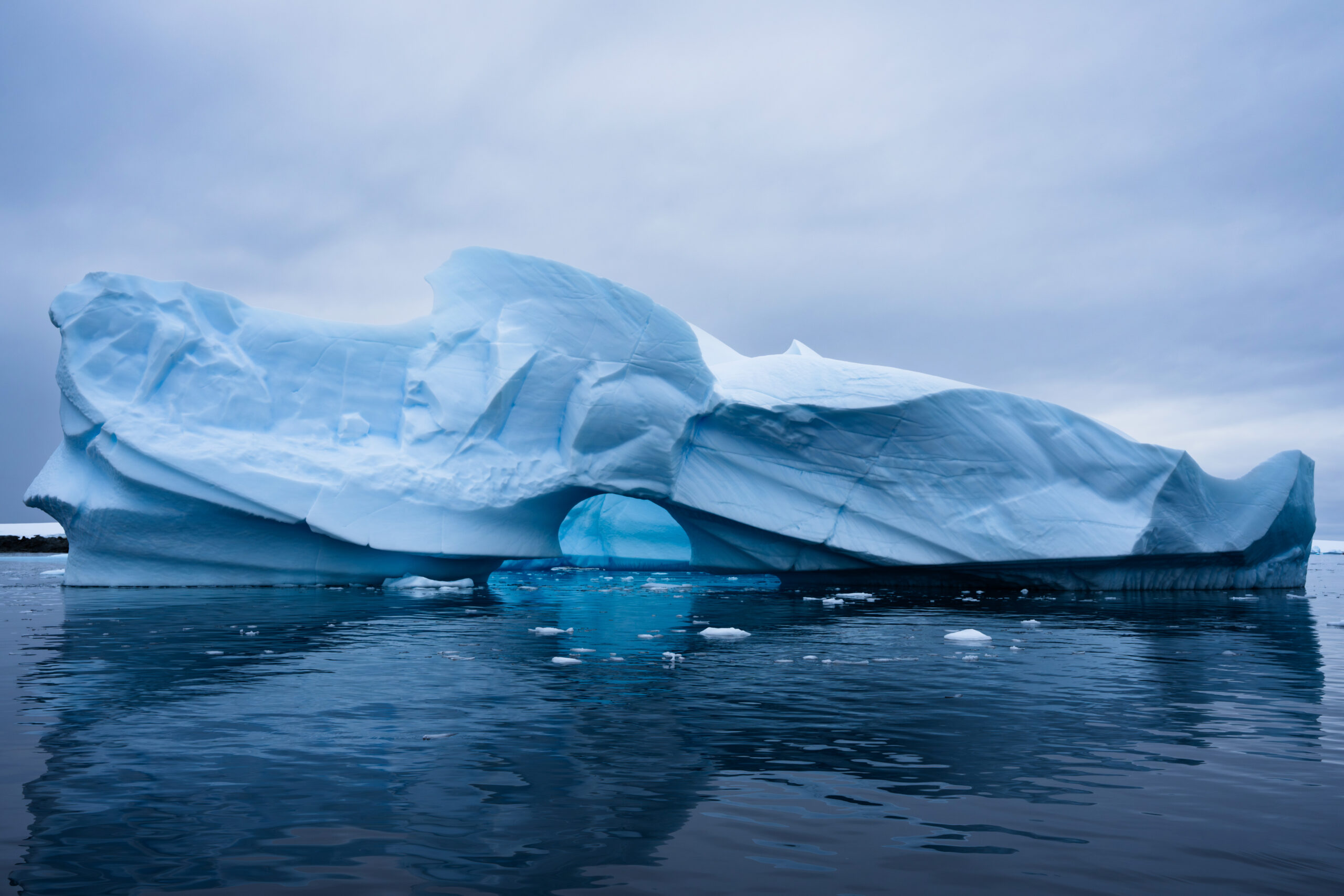
Antarctica is almost twice the size of Australia and contains around 70 per cent of Earth’s freshwater, locked within vast ice sheets that in some places are over four kilometres deep. It is hard to grasp the scale of the seemingly endless expanse of ice covering the continent, and it serves as a sobering reminder of the devastation facing coastal communities around the world if we do not curb rising temperatures.
As stated by the United Nations, the burning of fossil fuels – coal, oil and gas – is by far the largest contributor to climate change, accounting for around 68 per cent of global greenhouse gas emissions and nearly 90 per cent of all carbon-dioxide emissions. To date the ocean has been our greatest ally in curbing the impacts of this destruction – absorbing over 30 per cent of the carbon-dioxide that humans have produced since the Industrial Revolution, and over 90 per cent of the excess heat that these emissions have generated.
It has now been more than a century since Shackleton and his men were stranded in Antarctica, yet his story remains powerful to this day, as we were reminded when the recent discovery of his ship Endurance sparked international interest, when it was found lying remarkably in-tact, over 3,000 metres below the Weddell Sea, over 100 years after it fell. Shackleton’s story taught me that leadership, even under impossible conditions, can achieve the unthinkable. It took unbreakable determination and commitment, but on his third rescue attempt, Shackleton returned to Elephant Island and rescued the remaining 22 men.
Standing on the ice of a changing Antarctic continent, Shackleton’s story felt newly relevant to me. As we live through this chapter of rapid human-driven climate change and biodiversity loss, his story made me realise that what is required of us now is not endurance for survival, but leadership for preservation.
With the right people in political positions of power, I believe we still have the ability to alter course and protect the most extraordinary parts of our planet – and especially those that have done so much to protect us. It will require collective action and sustained pressure on those who lead to conserve these fragile ecosystems, but that does not mean that this leadership is beyond our grasp. I didn’t need to go to Antarctica to know that I wanted to fight to protect what I love, but I left knowing I carry a greater responsibility to do all I can to conserve it.
Printed editions
Current issue
Back issues
Enjoy so much more from Oceanographic Magazine by becoming a subscriber.
A range of subscription options are available.
