Beyond the break: the ecosystems behind our ocean’s most iconic waves
A new term published in Nature this month gives surfers, scientists and policymakers a shared language for the forests, reefs, rivers and coastlines that shape the world's best waves – and the ways we can and should protect them
Watching a surfer skilfully ride a wave at the nearly 4000 surfing sites across the world, you might not immediately consider the array of plants, animals, geophysical components and the human interactions that give the shore’s break its signature characteristics.
But the term “surf ecosystem” – which encapsulates the interconnected elements which shape the breaking wave and wave riding experience – has been formally scientifically recognised in the academic journal Nature this month.
There are nearly 4,000 surf spots globally, and they overlap with areas of key biological significance; a 2021 study found 46% of these located inside or within five kilometres of Key Biodiversity Areas (KBAs), and 63% are in areas currently without marine protection.
Building on indigenous knowledge, the term “surf ecosystem” articulates a holistic way of understanding iconic wave breaks across the world, and provides tools to protect them within the surf community, and in formalised legislation and scientific policy.
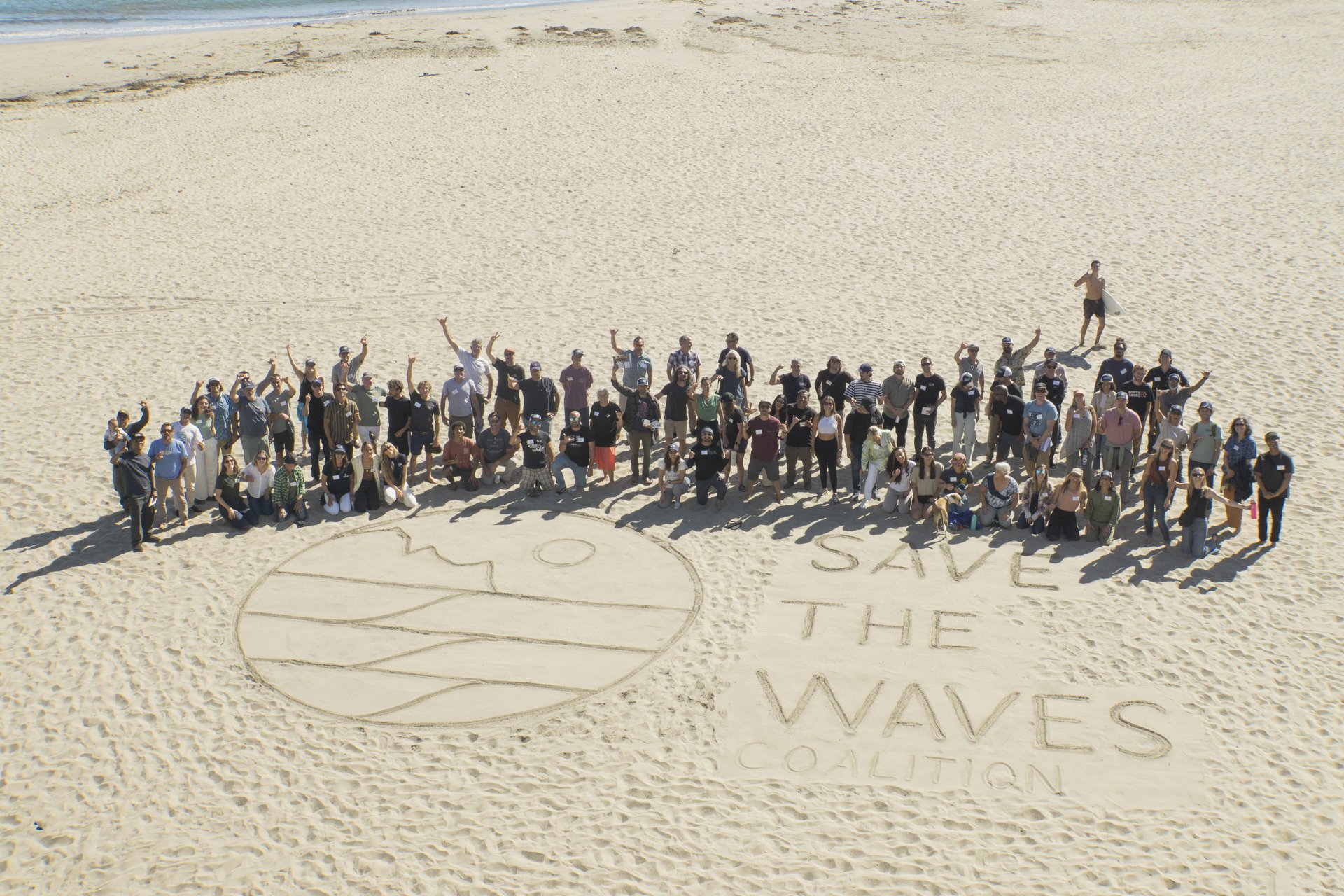
“Once you define what a surf ecosystem is, you can’t unsee it. I started thinking systematically about what makes the breaks we care about,” explained Nik Strong-Cvetich, the CEO of Save the Waves coalition, the lead-author of the paper and pioneer in using the term.
The integrated approach draws from indigenous understanding of how to manage coastal ecosystems. For instance, the rahui system in Tahiti and the ahupua’a system in Hawaii both treat the land-to-sea continuum as a single resource unit.
In other news
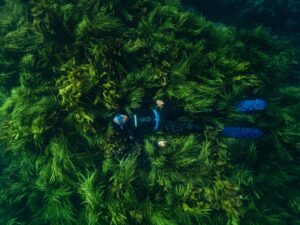
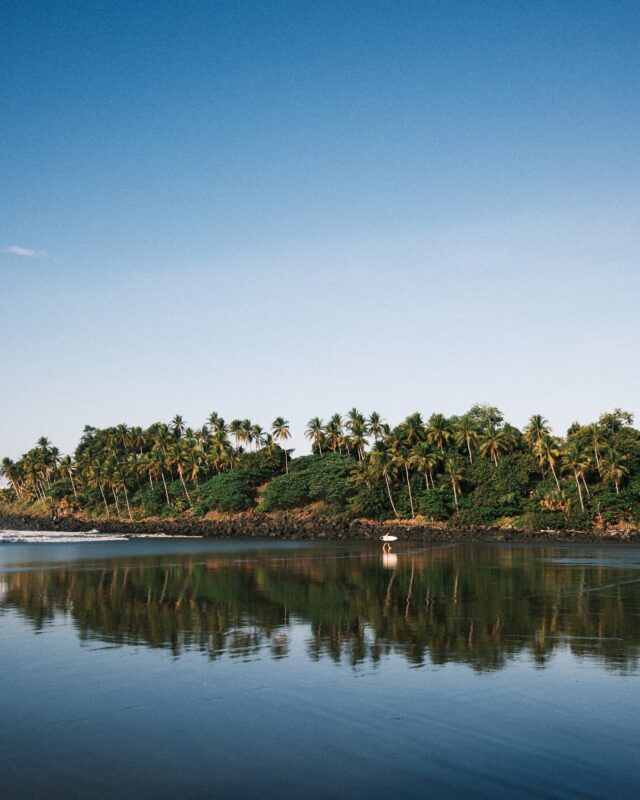
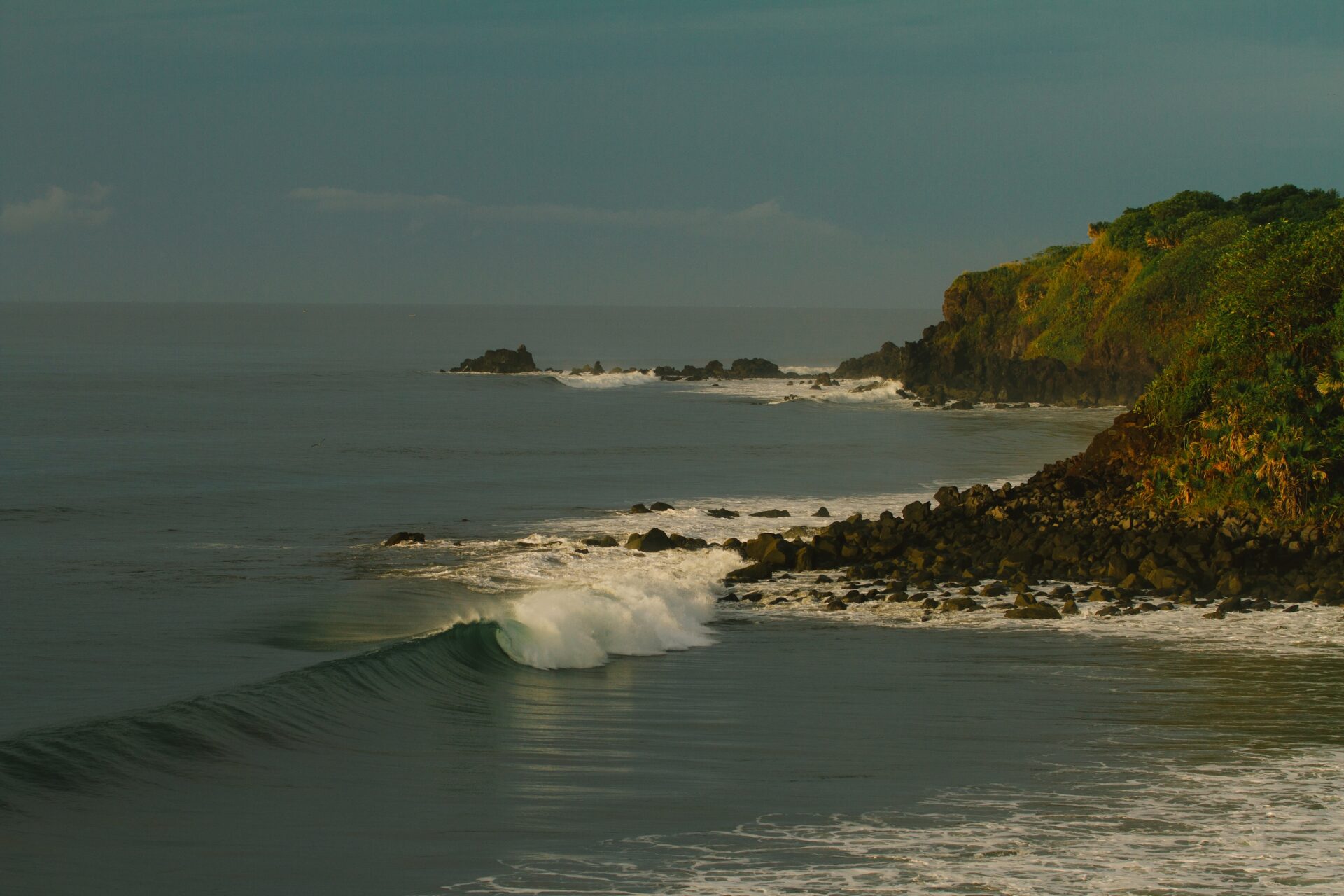
Surfer Natalie Fox, who works for ocean activism organisation RiseUp4theOcean, is enthused to see the concept entering scientific literature.
“Local stewards of surfing have long known about the connectivity, variables and precious marine biodiversity inherent in habitats where waves break,” she said.
Geophysical characteristics of the shore, including elements like the local swell, create the break which locals and tourists enjoy surfing on – in turn boosting local tourism and culture. But these geophysical elements are shaped by the health of the ecosystems surrounding them, which is also affected by local economies and social recreation that can cause pollution, disturbance and damage to surrounding habitats, water quality and biodiversity.
Reflecting on his own local break, Strong-Cvetich said: “A mile away in a redwood forest, there’s a creek full of salamanders, a path through a wetland that delivers sand to the beach and cuts the reef to make a perfect right-hand point break.”
The paper, co-written by Nik Strong-Cvetich, Diego Sancho Gallegos, Mara Arroyo, Cliff Kapono, and Dan Reineman, classifies surf ecosystems into six types based on their dominant geophysical characteristics: coral reef, headland/point, river mouth, beach break, rocky reef, and artificial structure.
Each type is home to its distinct ecological communities and threat profiles. For instance coral reef systems depend on sea-floor marine organisms, while river mouth breaks are shaped by terrestrial inputs of sediment, freshwater and nutrients washing down from inland.
The authors say these classifications can help practitioners identify site-specific conservation priorities and the right management response for each type of break.
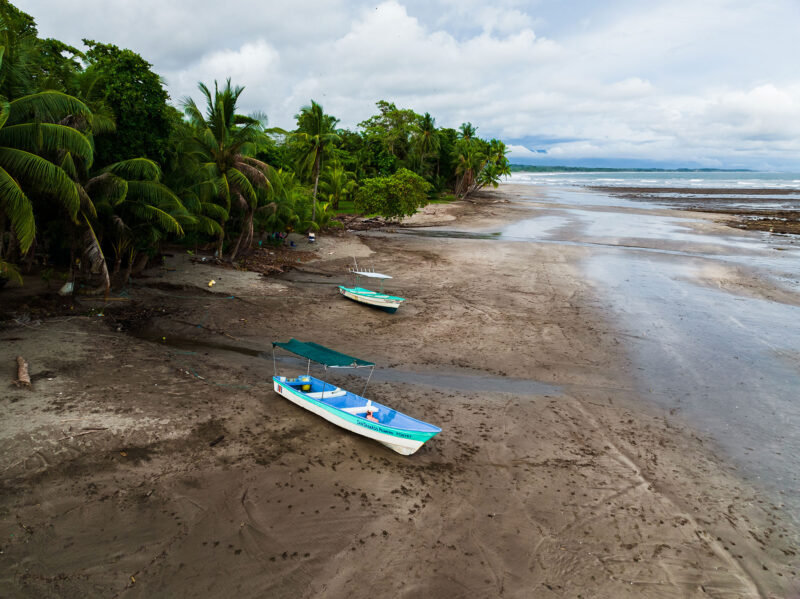
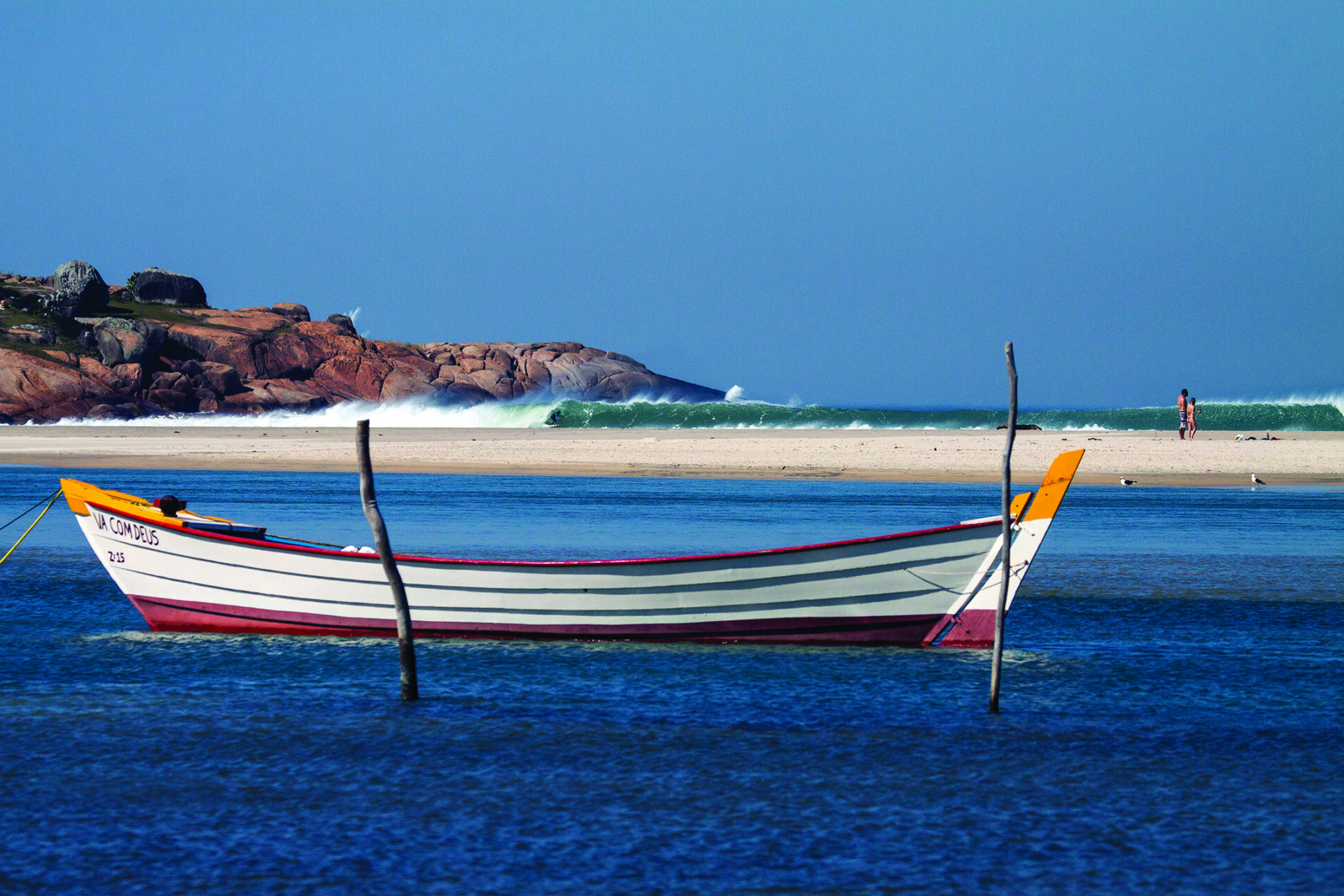
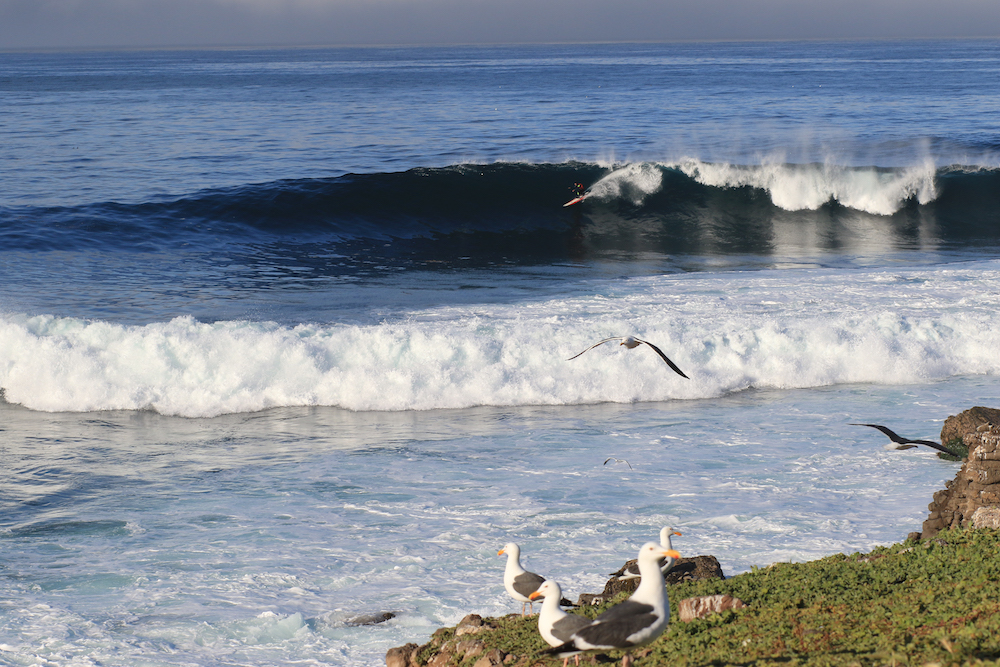
While the term “surf ecosystem” was first adopted by Save the Waves in 2018, and has been loosely used without formalised definition by the World Surfing League and the Global Environment Facility, it has lacked robust and universal clarity until now.
The formalised term, Strong-Cvetich explained, gives surfers keen to be stewards of their local spots the language to articulate what needs to be protected, how and why.
Part of making the case for “why” comes from the economic value the surfing economy brings to coastal communities – the paper puts the global surf tourism industry at $31.5-64.9 billion annually, likely an underestimate given the number of surfers has grown roughly 20% since the pandemic. Individual breaks can be worth tens of millions locally: Uluwatu in Indonesia generates an estimated $35 million a year for its local economy, while California’s Mavericks and Trestles contribute an estimated $24 million and $8-12 million respectively.
This is particularly important as current global administrations are particularly development-friendly: according to the World Travel & Tourism Council (WTTC), coastal and marine tourism now accounts for 50% of all global travel and tourism, generating $1.5 trillion annually as municipalities’ fast-track beachfront infrastructure.
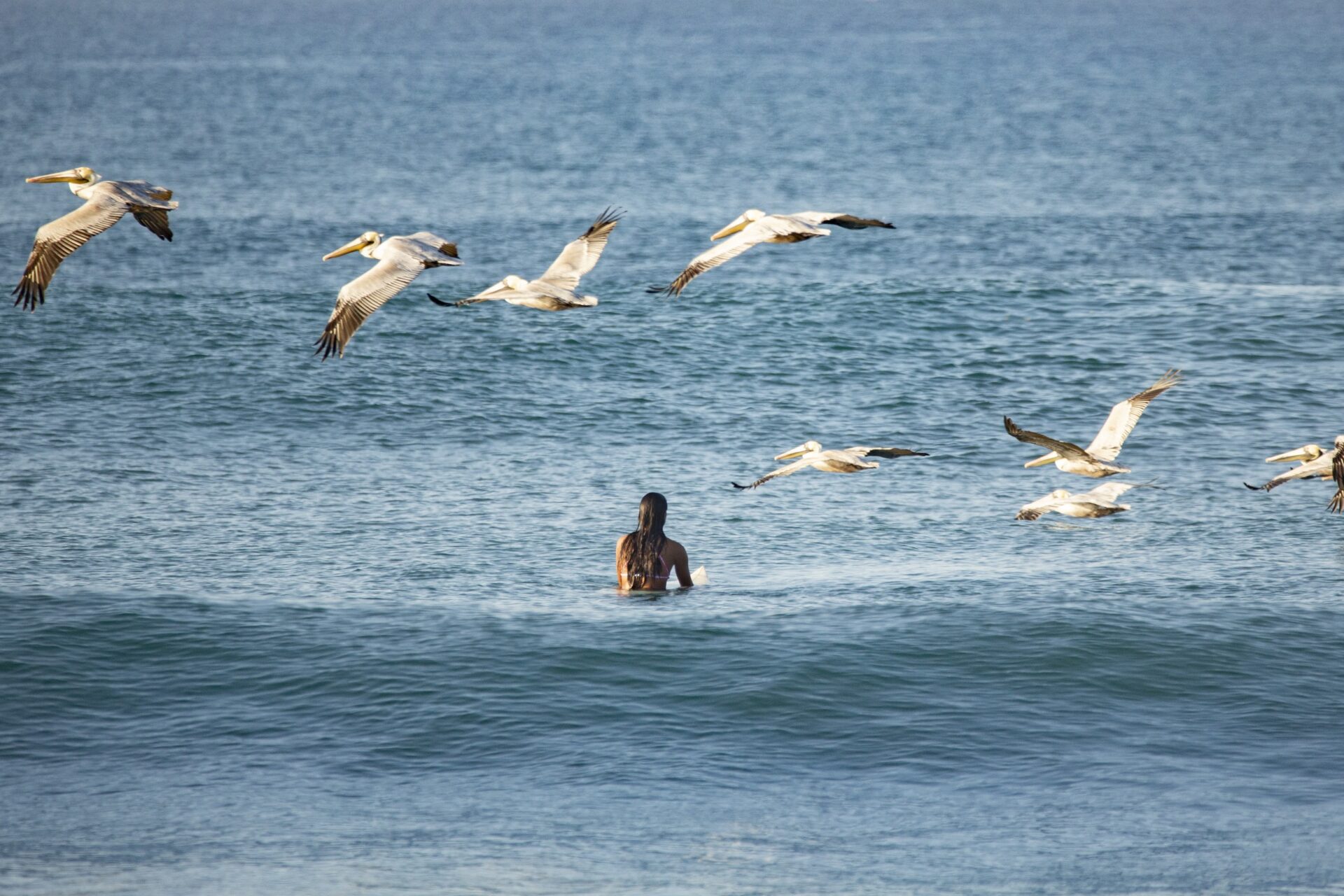
Strong-Cvetich also believes the “surf ecosystem” holistic approach will improve marine management, which often falls into arbitrary silos.
“We’ve unnecessarily drawn a line at the high tide/ low tide mark. If you have anadromous fish moving between freshwater and saltwater, or water quality issues originating on land, you can’t manage the marine part in isolation from what’s happening on land. That artificial dichotomy doesn’t work,” he told us.
Recent academic research has increasingly criticised this land-sea divide in ocean governance. A 2010 paper in Ocean & Coastal Management, “Mind the Gap,” identified MPA failure due to degradation of unprotected surrounding ecosystems as a recurring flaw, while a recent 2025 study argued jurisdictional boundaries – like those under UNCLOS – are poorly matched to ecological reality and have left conservation efforts “markedly divided” between land and sea.
Fox hopes that the formalisation can also encourage more active stewardship among the surf community.
“Waves are a convergence zone of human and ocean interactions, and as surfing’s popularity grows, I hope the science can infiltrate the culture and that surfers evolve to understand the bigger picture of ocean health, stepping up to be active participants in the monitoring, restoration and protection of surf ecosystems,” Fox said.
Click here for more from the Oceanographic Newsroom
Printed editions
Current issue
Back issues
Enjoy so much more from Oceanographic Magazine by becoming a subscriber.
A range of subscription options are available.
