Creel fishing is a bycatch-22 for Ireland's angel sharks
An upsurge in the growth of tangle net fishing for crayfish in Irish waters - driven by high prices, and declining traditional fisheries - is threatening the local extinction of critically endangered species, including the angel shark.
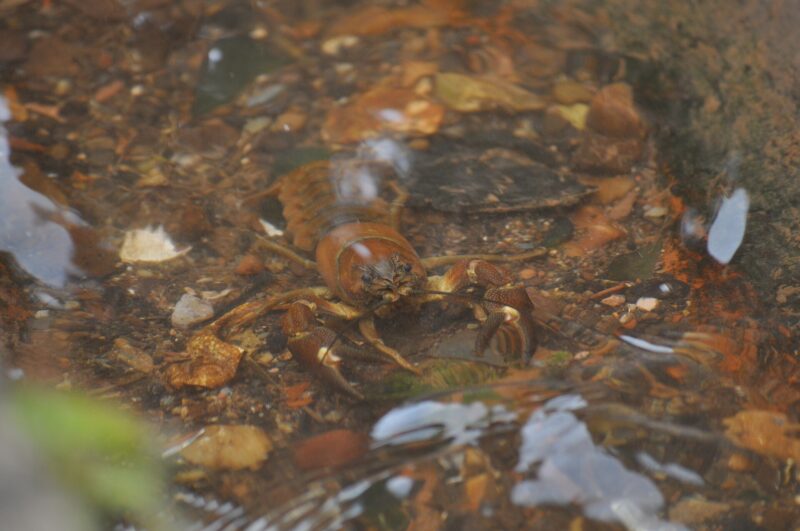
To Irish fishers, it’s twice as valuable as lobster and fifteen times as valuable as brown crab. The crayfish or crawfish, also known as the spiny lobster, has become a highly coveted species in waters off the southwest coast of Ireland in recent years.
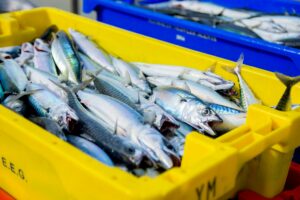
Crayfish have been targeted by Irish fishers for the past century, and have traditionally been caught using pots or ‘creels’, a highly targeted fishing method with little bycatch of unwanted species. Since the 1970s, however, the fishery has transformed into one that relies heavily on the use of tangle nets – long, poly-filamentous nets that are weighted to the seafloor. With a large mesh size and large amounts of slack, tangle nets typically give higher crayfish yields. But by fishing indiscriminately – effectively trapping whatever enters the net – they also capture vast quantities of other, non-target species as bycatch.
The extent to which this is decimating protected and critically endangered species in Irish waters, including within Ireland’s marine national park, is now coming to light. A recent report from Ireland’s Marine Institute – the state body responsible for ocean research and development – has documented egregious collateral damage from the tangle net fishery operating from two locations along Ireland’s southwest coast: Tralee in County Kerry and Dingle in County Clare.
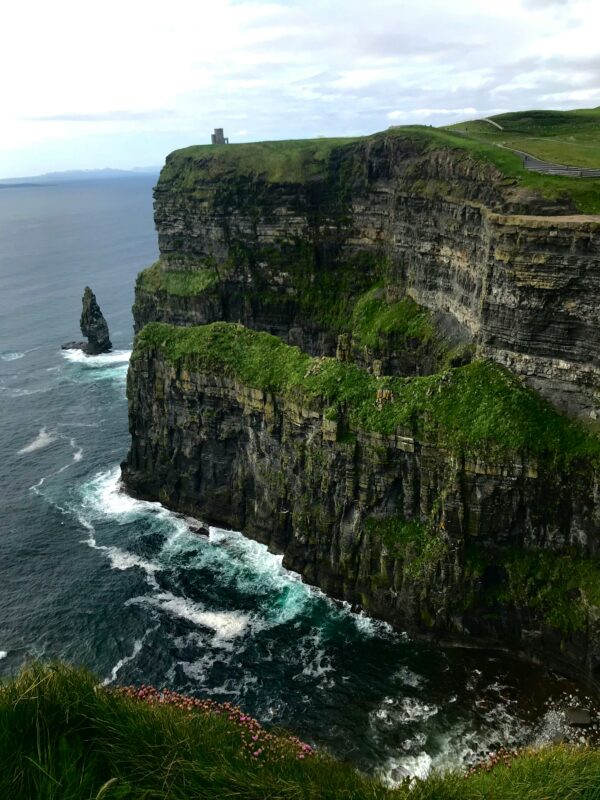
While tangle nets or “craynets” are deployed at various sites along the Irish coastline, these two fisheries overlap spatially with Ireland’s flagship marine park – Páirc Náisiúnta na Mara, Ciarraí, and with a marine protected area around the Blasket Islands – a site known nationally as the “grey seal capital of Ireland”.
The tangle net fishery also occurs within in a portion of the Greater Skellig coast, which has been recognised by Dr Sylvia Earle’s Mission Blue ocean advocacy non-profit as a global “hope spot” for wildlife conservation, and are adjacent to Tralee Bay, a site now named the “Bay of Angels”, after its 2025 designation by the IUCN as an Important Shark and Ray Area.
“The presence of these animals tells us that the place is special”, says Louise Overy, a wildlife biologist who leads Ireland’s national angel shark research programme.
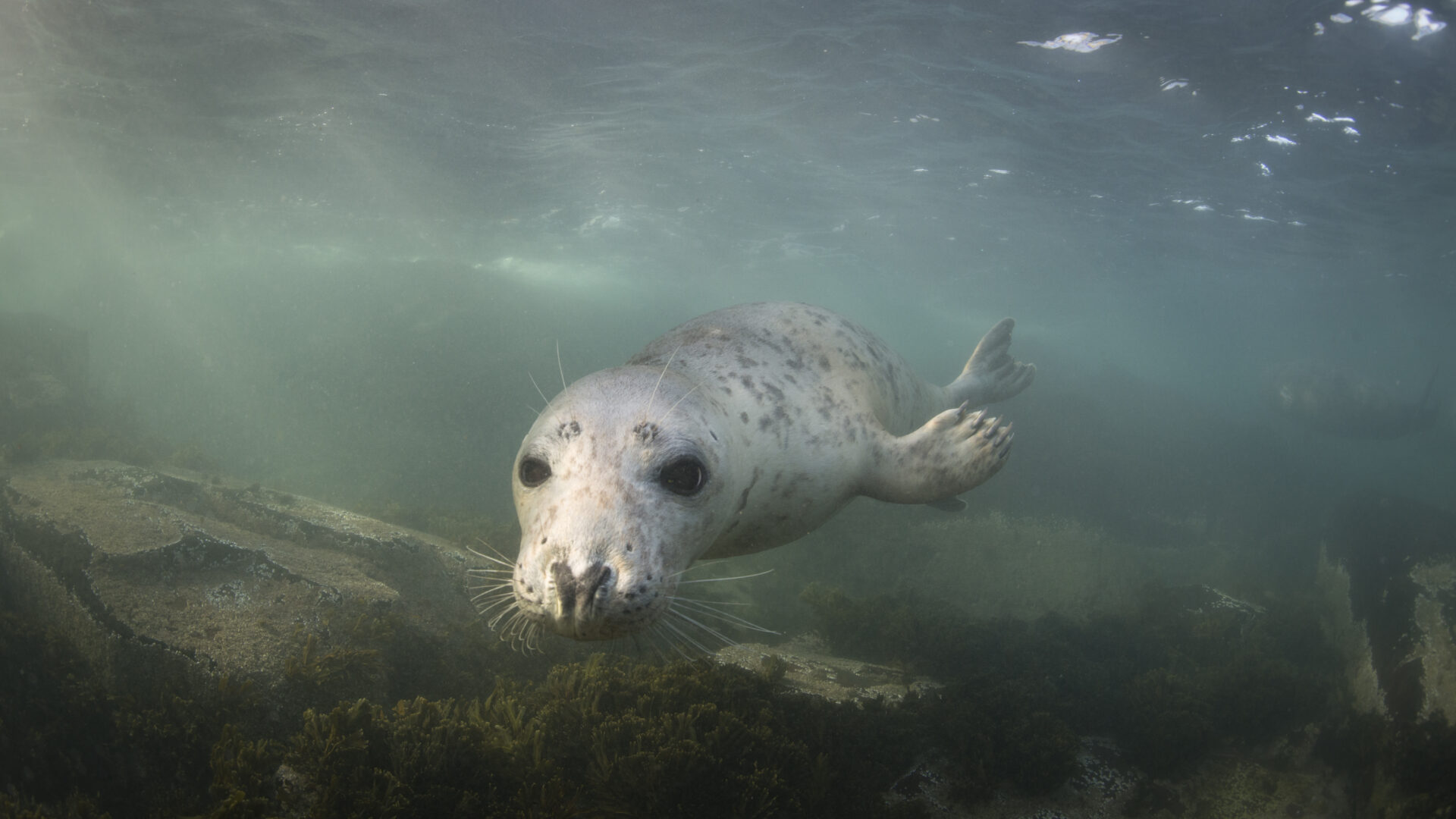
In the four years from 2021 to 2024, however, the bycatch from these two fisheries has included thousands of species that ought to be safeguarded in these waters, including 1,161 nationally protected grey seals, 81 critically endangered angel sharks, 1,712 critically endangered flapper skates and 532 endangered tope sharks.
While thousands of other non-target species were also caught, including 8,000 endangered spurdog, the death of species classified as ‘critically endangered’ on IUCN’s global red list, in enormous numbers, has shocked conservationists and spurred a moment of national reckoning as to how seriously Ireland treats its ocean conservation commitments.
It’s an absolute joke,” says Nicholas Payne, a shark biologist at Trinity College Dublin, Ireland. “Despite the recognition of this area as a hot spot for really rare, super endangered animals, we still have fishing going on that we know can lead to high mortality rates.”
Other features

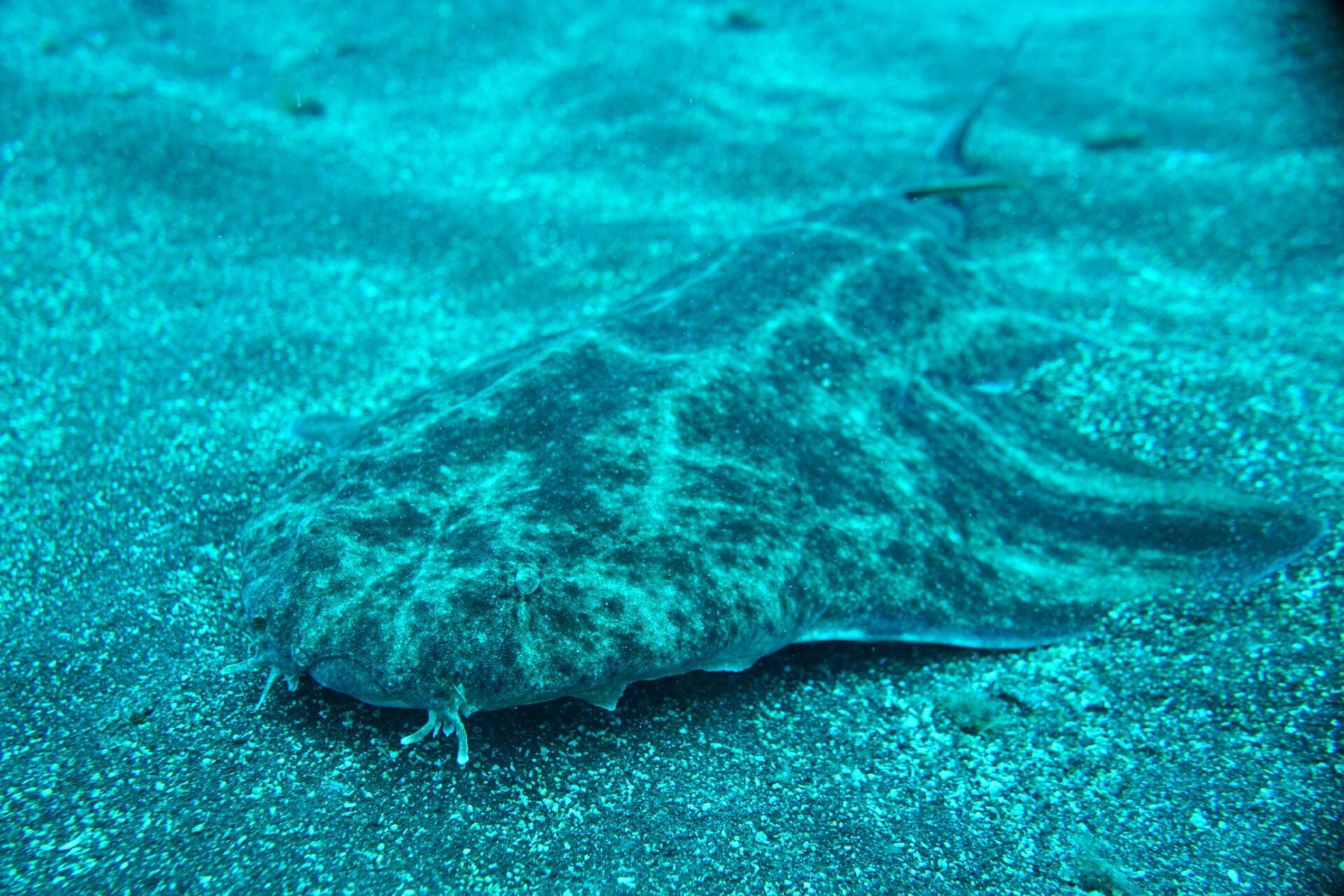
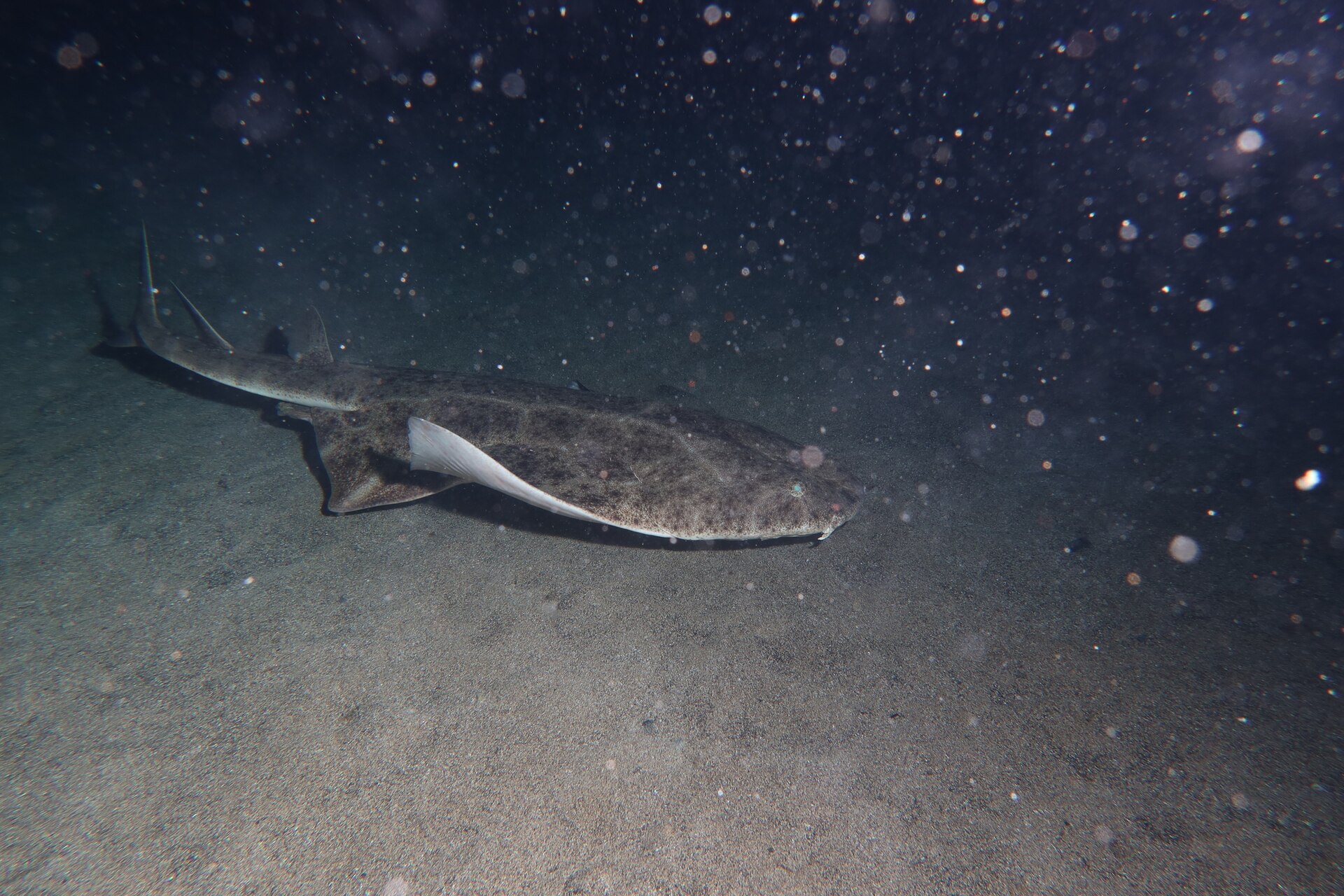
While several of the bycatch species in the tangle net fishery are deemed as high priority for conservation, the species of greatest concern is the angel shark, owing to its rarity. With large wing-like fins that allow it to glide through the ocean, the angel shark “is flattened, and looks a lot like a snow angel”, says Overy.
Once common in coastal waters from Britain to north-western Africa, angel sharks were heavily fished throughout the 19th and 20th centuries and sold as “monkfish” (not to be confused with the anglerfish, a bony fish, which later inherited the shark’s commercial name).
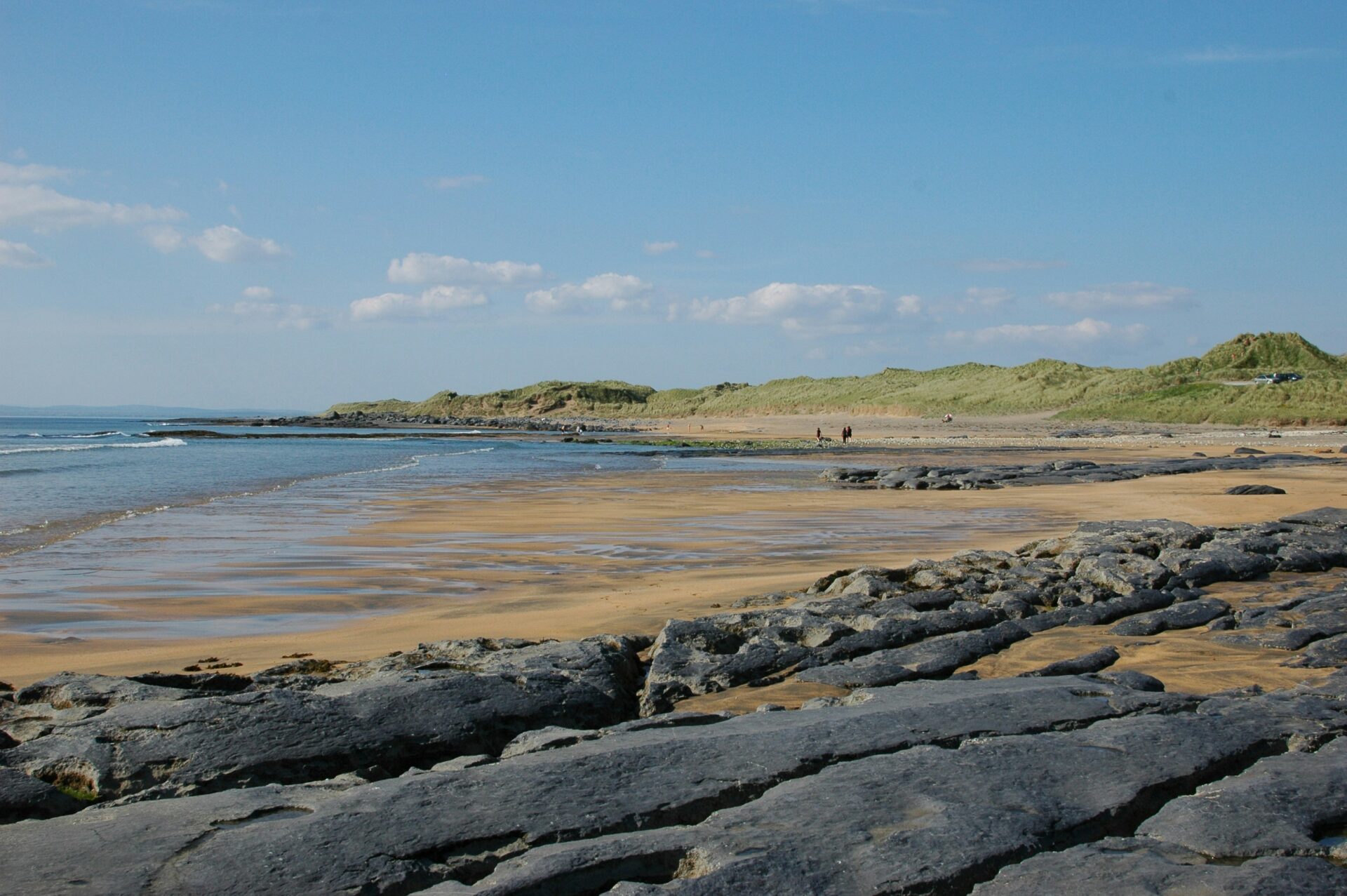
The angel shark now teeters on the brink of extinction, its population restricted to a few isolated pockets of its former range in Ireland, Wales and the Canary Islands. Of these, Tralee Bay on Ireland’s southwest coast is a critical stronghold during the warm summer months. Even here, however, the population has been reduced by at least 95% since the 1990s, a trend that mirrors the species’ wider decline since the early 20th century.
“You’re dealing with the equivalent of snow leopards here,” says Nick Dulvy, an Irish marine biologist based at Simon Fraser University in Vancouver, who holds the Canada Research Chair in Marine Biodiversity and Conservation. Dulvy, whose work has shown that 37% of the world’s sharks and rays face extinction, has been “blown away” by the extent of the bycatch in the southwest of Ireland fishery.
“They probably caught more angel sharks in the last four years than have been seen in the UK and Ireland since I was born,” says Dulvy, who, from 2009-2020 was co-chair of IUCN’s shark red list and involved in classifying the species as “critically endangered”.
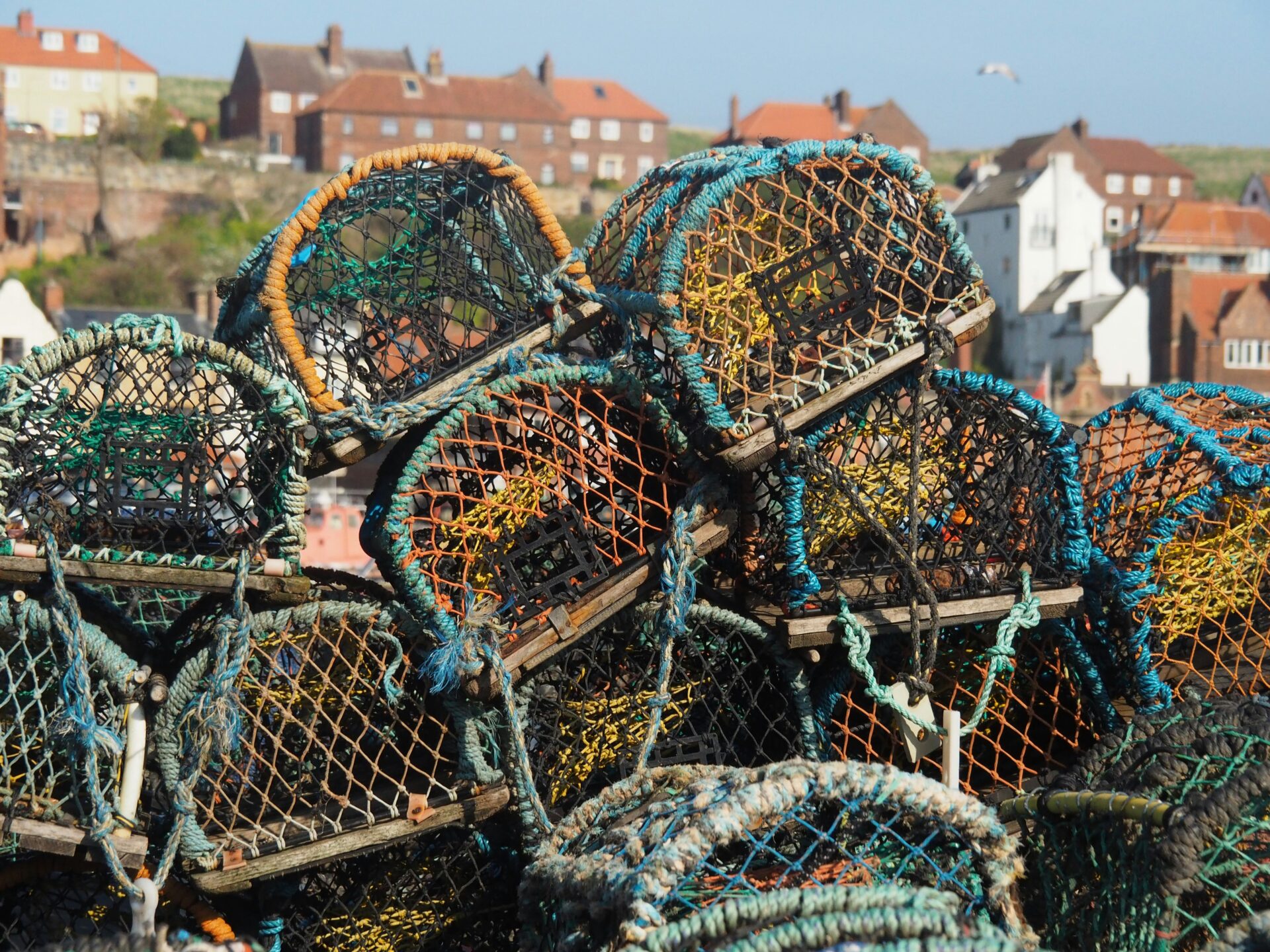
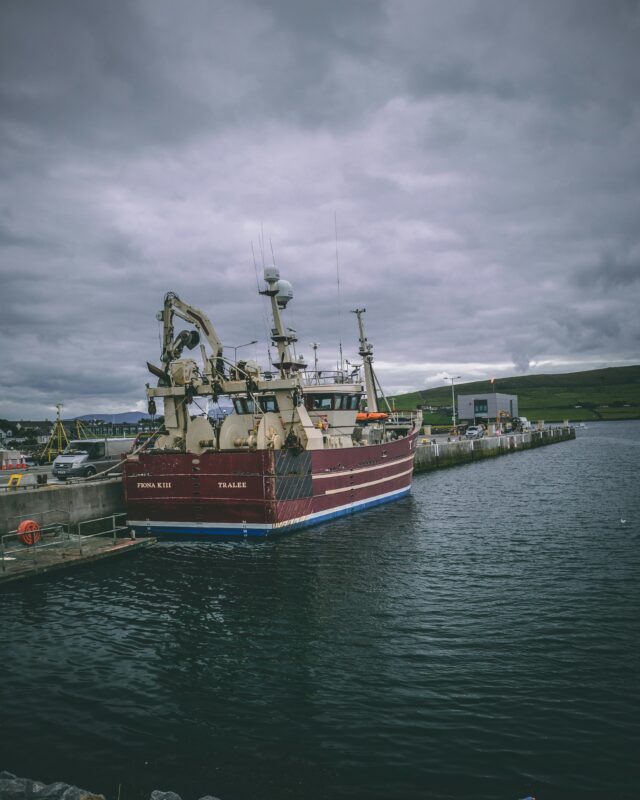
In Ireland, the move toward tangle netting for crayfish has been driven by the species’ high market price, especially at a time of few alternatives for the industry. “It’s the highest value species in the Irish fleet, by far, per unit weight” says Oliver Tully, a fisheries biologist who co-authored the bycatch report. “So you’d expect people to take that opportunity”, he says.
“Also, the number of fishing opportunities, the diversity of fishing opportunity and the number of species that are available has declined significantly in the last 30 years”, says Tully.
In that period, Ireland’s traditional fisheries, including herring, cod and eel, have seen strict quota cuts. Others have closed. The recent, 2024, closure of the Irish pollack fishery has driven more fishers to target crayfish. Between 2017 and 2024, national landings of crayfish increased eight-fold, from around 10 tonnes to 83 tonnes.
But while the fishery has grown, the regulations have yet to catch up. Though tangle netting is prohibited within Tralee Bay, to protect habitat of angelfish and flapper skate, both species are summer visitors that migrate in and out of the bay.
Tangle nets, positioned along these routes, can stretch, in a chain, for hundreds of metres, catching them on their inbound and outbound journeys. “It’s very predictable that if we fish there using that method, we’re going to catch a lot of these species,” says Payne.
Closer to the Blasket Islands off Kerry’s Dingle Peninsula, grey seals are falling foul of the nets in numbers large enough to threaten the future of this protected population. The area, which is an important seal haul-out, is designated as protected under European law, precisely because it is vital seal habitat.
One issue specific to tangle netting is the long “soak times”. Once the nets are set, fishers leave them for up to ten days. This can lead to a loss of valuable crayfish – up to 20% in some months – but also kills more marine wildlife as bycatch.
As seals are air breathers, their survival rate once entangled is low. Most sharks, such as tope, also struggle with entanglement as they are “obligate RAM ventilators,” meaning that they must continuously move forward in order to breathe. “That’s how they breathe, that’s how they get oxygen, and that’s how they get rid of carbon dioxide,” says Payne. “If you stop that animal swimming, it will drown”.
Nets can damage animals in other ways, such as through skin lacerations that become infected, through loss of protective mucus layers, through exhaustion and stress. Some species, such as the angel shark and flapper skate, use “buccal pumping” – where they sit on the bottom and pump water over their gills – if they’re immobilised, but even those species can only stay entangled for so long.
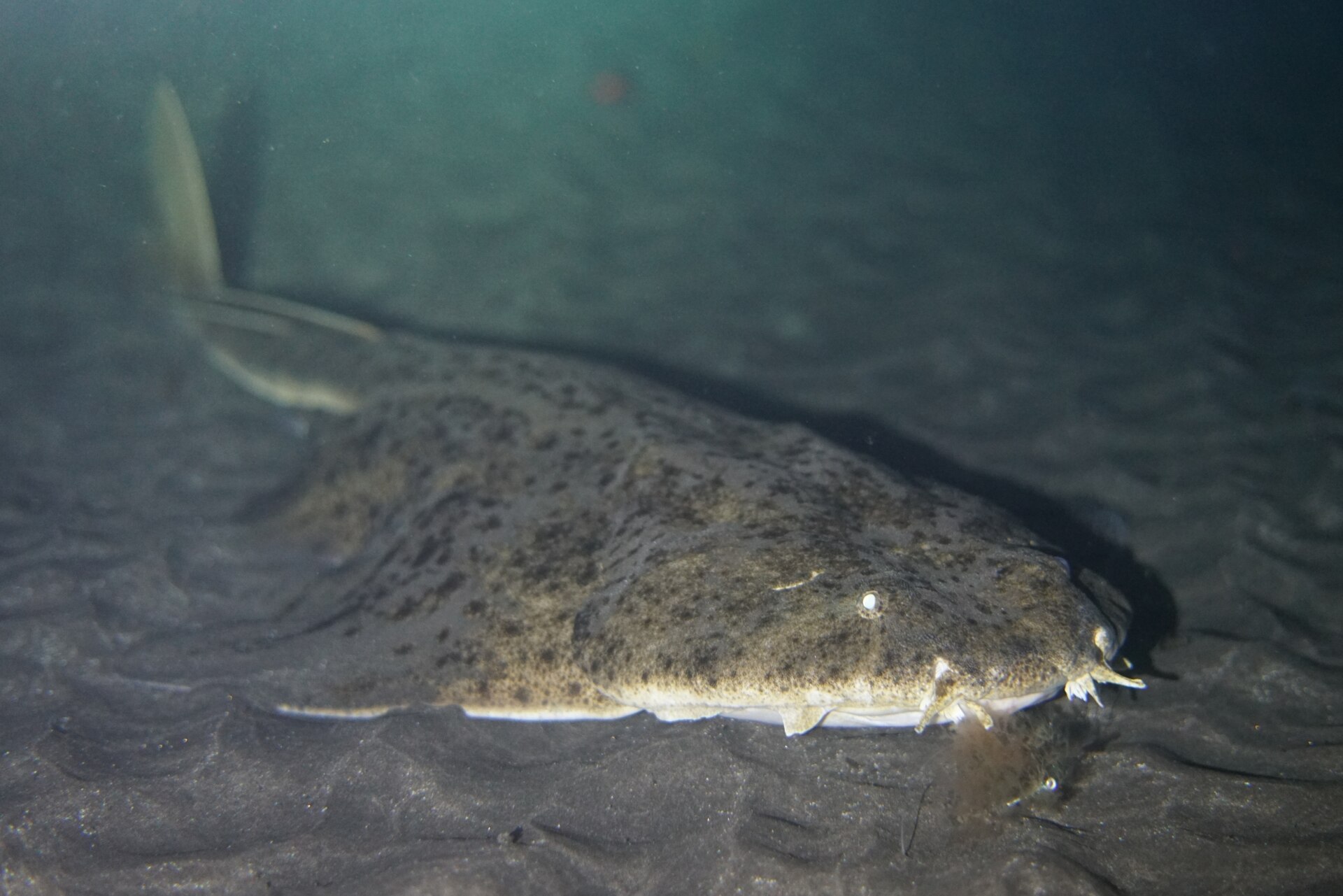
“The obvious solution is to ban the fishery in the season when the species is present,” says Dulvy, referring to the migratory angel sharks. A seasonal closure could protect other species too, says Dulvy, but it would affect local employment. Tully says while seasonal closures are “on the table”, the most sustainable solution, for wildlife, would be a transition back to pot fishing.
Working with local fishers, Tully is assessing whether that would prove economically viable, though pot fishing, unfortunately, comes with other risks. According to separate research, published in February and authored by Tully, pot fishing in Irish waters can cause entanglement of minke, fin and humpback whales. “There are incidences, but it’s not common”, says Tully, adding that the conservation benefit of replacing nets with pots is undeniable.
A larger question is whether fishing should happen, at all, in areas that have been designated for conservation. Currently, Ireland has nearly 260 protected sites that are partly or wholly marine – occupying almost 10% of its marine area – but none of these sites is managed for wildlife protection. National legislation, aimed at improving ocean protection, has been delayed for the past three years. And without a strategy to support fishing communities from lost income associated with safeguarding species, the conversation risks reaching an impasse.
“We all want the same thing. We all want to see these species there. We want to see more fish. We want to see that lovely, rich and thriving ocean,” says Overy. “It’s just…how do we make that transition?’
Meanwhile, Overy is hopeful that, with the right measures, the angel shark will rebound – hope that comes from the presence, in recent years, of three baby angel sharks within Tralee Bay. “At that stage of their lives, they’re not mobile, they’re not leaving”, she says. “So, they must have been laid there.”
Printed editions
Current issue
Back issues

Enjoy so much more from Oceanographic Magazine by becoming a subscriber.
A range of subscription options are available.
