Trouble in paradise
In the biodiversity oasis of Raja Ampat, cyanobacteria poses a serious threat to the region's abundant coral reefs. Is tourism to be blamed?
Imagine Earth about 2.8 billion years ago. Silent seas shimmer beneath a dark-peach sky and the air is thick with volcanic gases. Life as we know it has yet to be born. There are no trees to provide shade, no animals to stir the Earth or glide through the Ocean.
But while the land lay stark and calm, life was stirring beneath the surface of the mineral-rich oceans. Tiny microorganism architects were about to perform a groundbreaking trick: releasing a molecule of oxygen with every ray of light they absorbed. Cyanobacteria, the first organisms to perform photosynthesis, triggered a biological revolution, slowly introducing oxygen to Earth’s atmosphere and laying the foundation for all modern life.
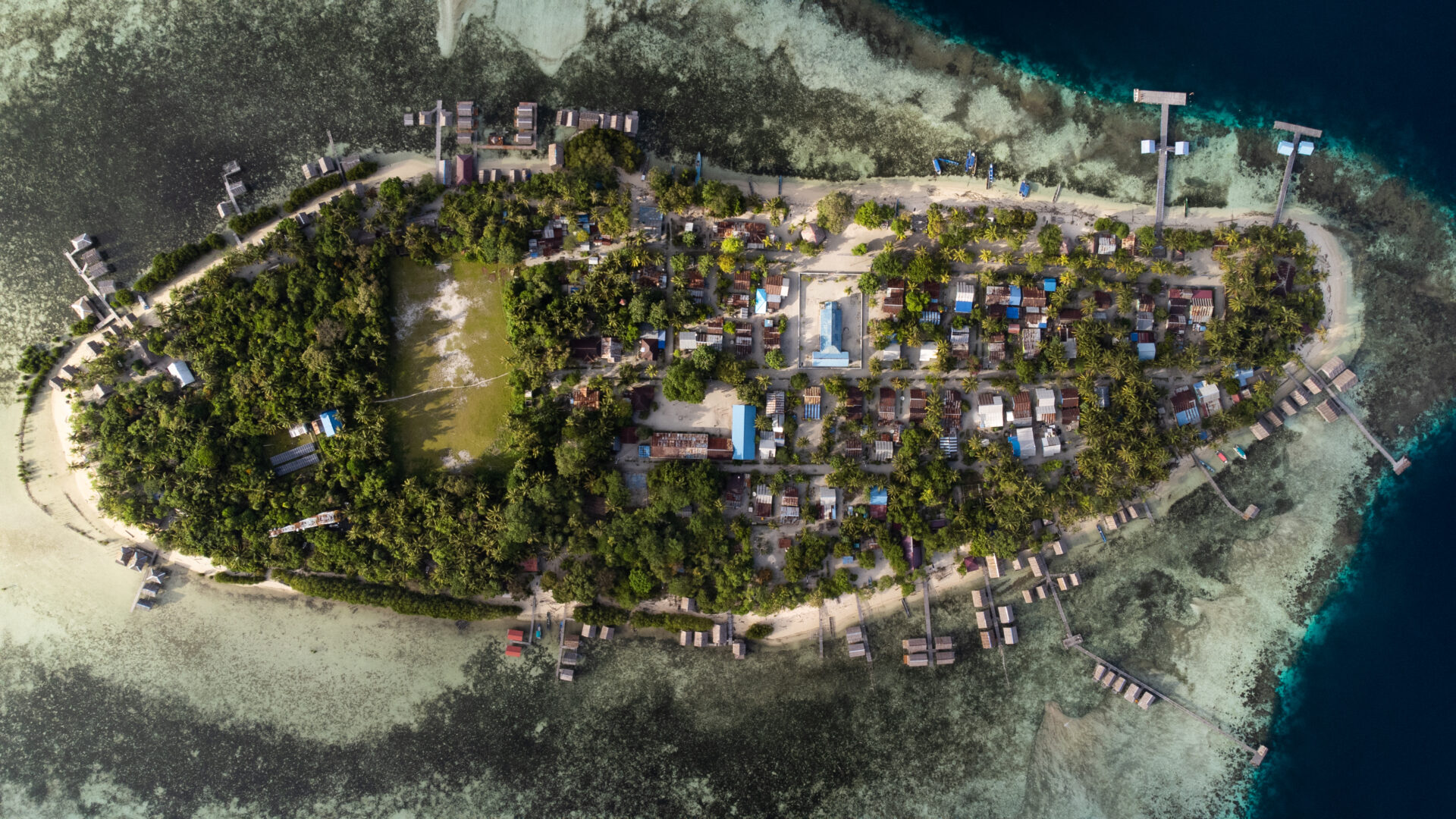
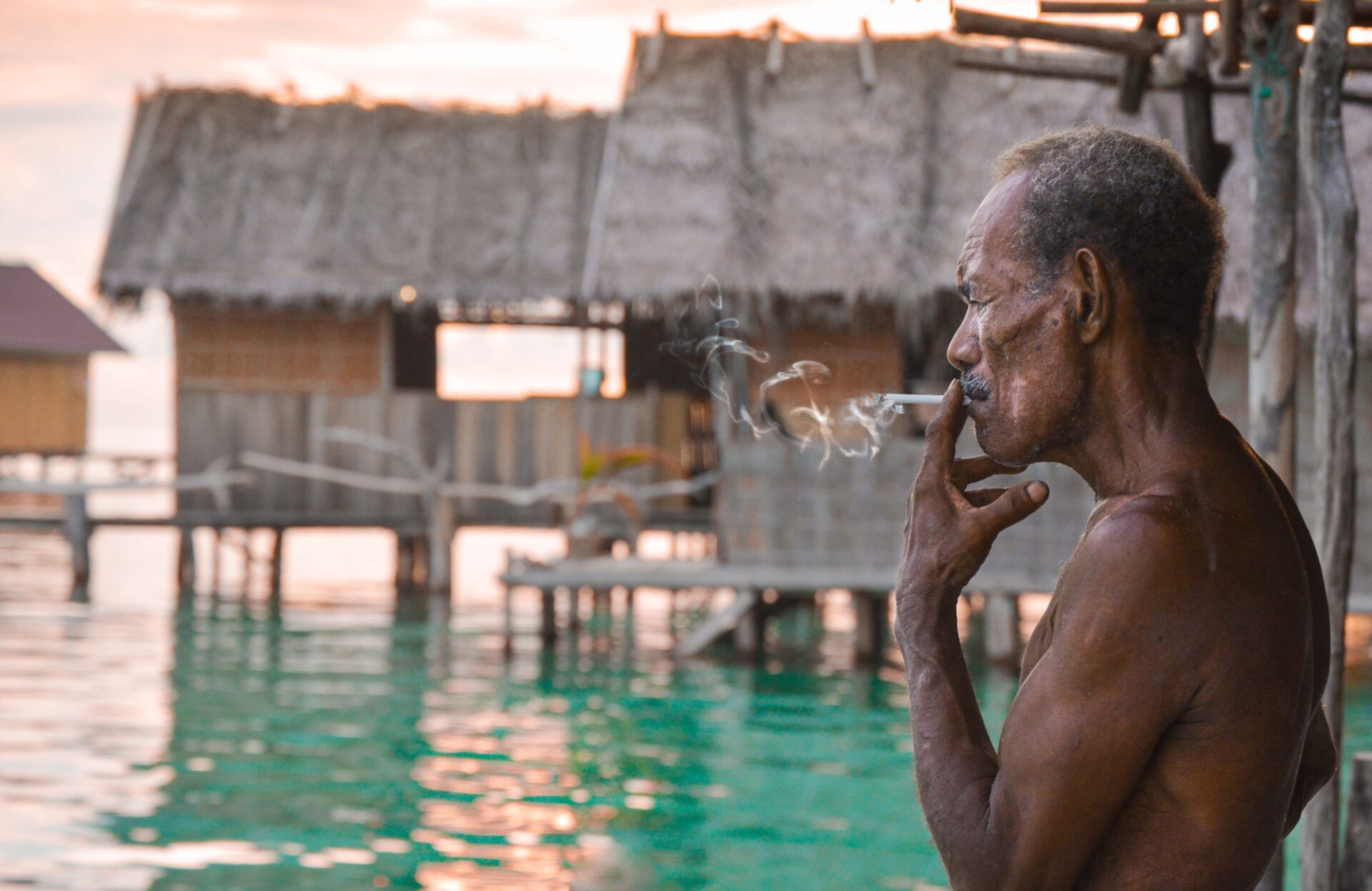
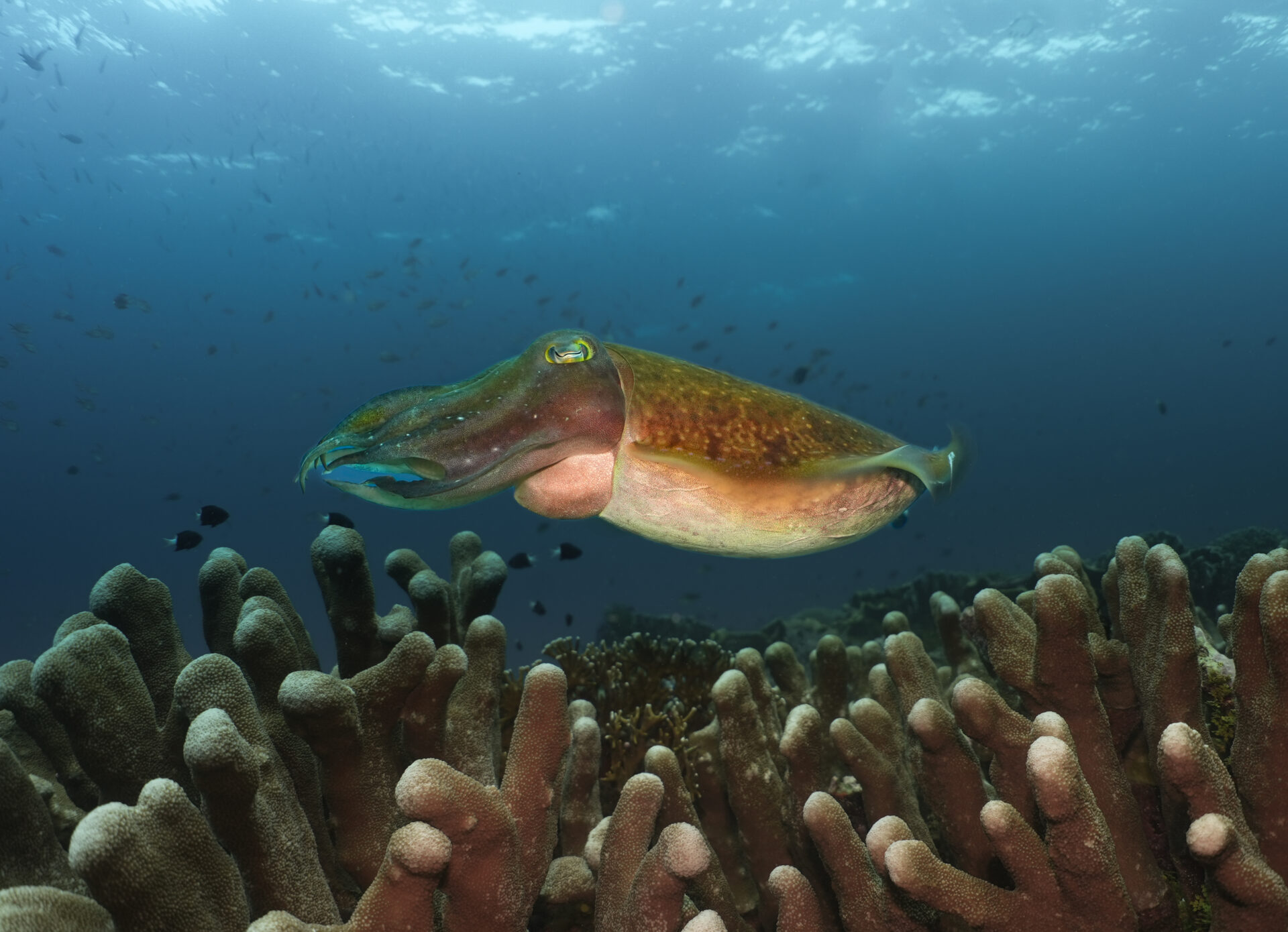
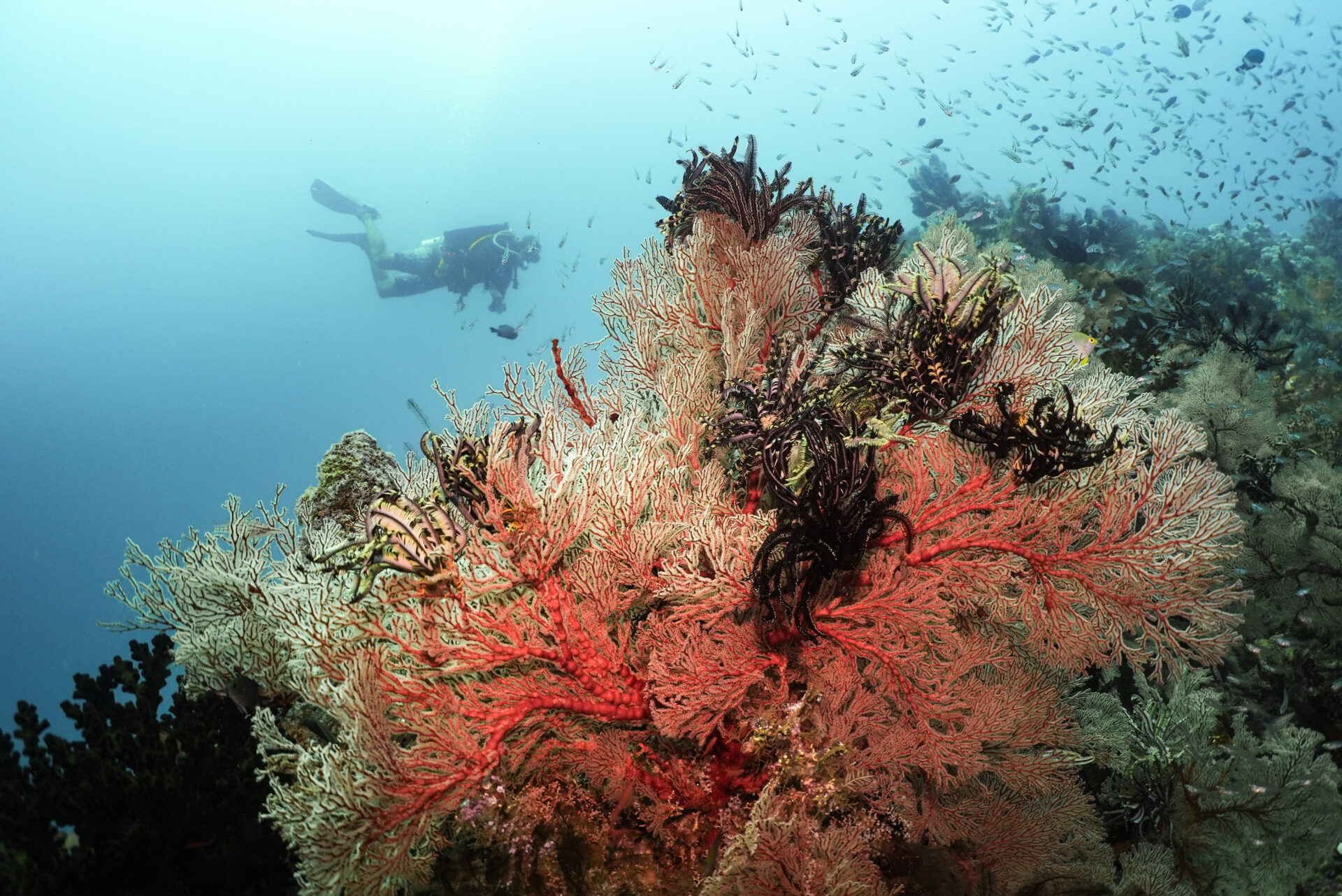
In northeast Indonesia, the equatorial archipelago of Raja Ampat teems with life. It is home to more than 550 coral species and over 1,500 fish species. Dolphins, manta rays, Omura’s whales and even orcas roam these waters. In the heart of this region, between the islands of Mansuar and Waigeo, lies the small island of Arborek. About 200 people – along with a handful of dogs, cats and chickens – live on this coral-fringed island. Life here is simple: electricity is only available between 6pm and 6am, showers consist of buckets of rainwater; and the only food markets are a two-hour boat ride away.
Of my ten years in Indonesia, I have lived half of them on Arborek. When I first arrived, in 2017, I was uncertain I could endure a week in such raw conditions, let alone the six months I had signed up for. I arrived in a harrowing storm, and when shown my accommodation, I was met with squadrons of scuttling cockroaches. Light pierced through the holes in the leaf-woven roof, illuminating an old, sagging mattress. Everything was damp and smelled of mold. But the next morning I was greeted by the island’s true beauty: turquoise seas lapping at white shores, sunlight dancing on coral gardens, and palm trees swaying in a gentle breeze. By the end of the day, I’d extended my contract to a year.
When I returned in early 2021, Arborek was largely unchanged. Tourism was low key, with a few homestays – family-owned, eco-friendly accommodation offering simple huts on stilts – dotting the coastline. Some islanders rented out snorkel sets, and if you trained your eyes on the horizon, you might have seen the occasional liveaboard. But over the past four years, the island has undergone a rapid transformation. The post-pandemic surge in travel demand has propelled Raja Ampat into overdrive. Now, Arborek’s coastline is taken up by 12 homestays. In high season, a dozen liveaboards circle the island, ready to offload their passengers for diving and snorkelling tours. Often ignorant of local customs, tourists wander around this devout Christian community, taking selfies with children, consuming beer (forbidden to the community), and strolling through private gardens in swimwear.
Latest features
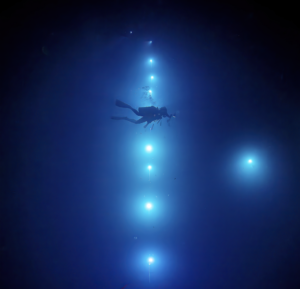

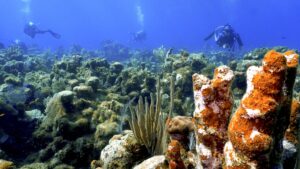
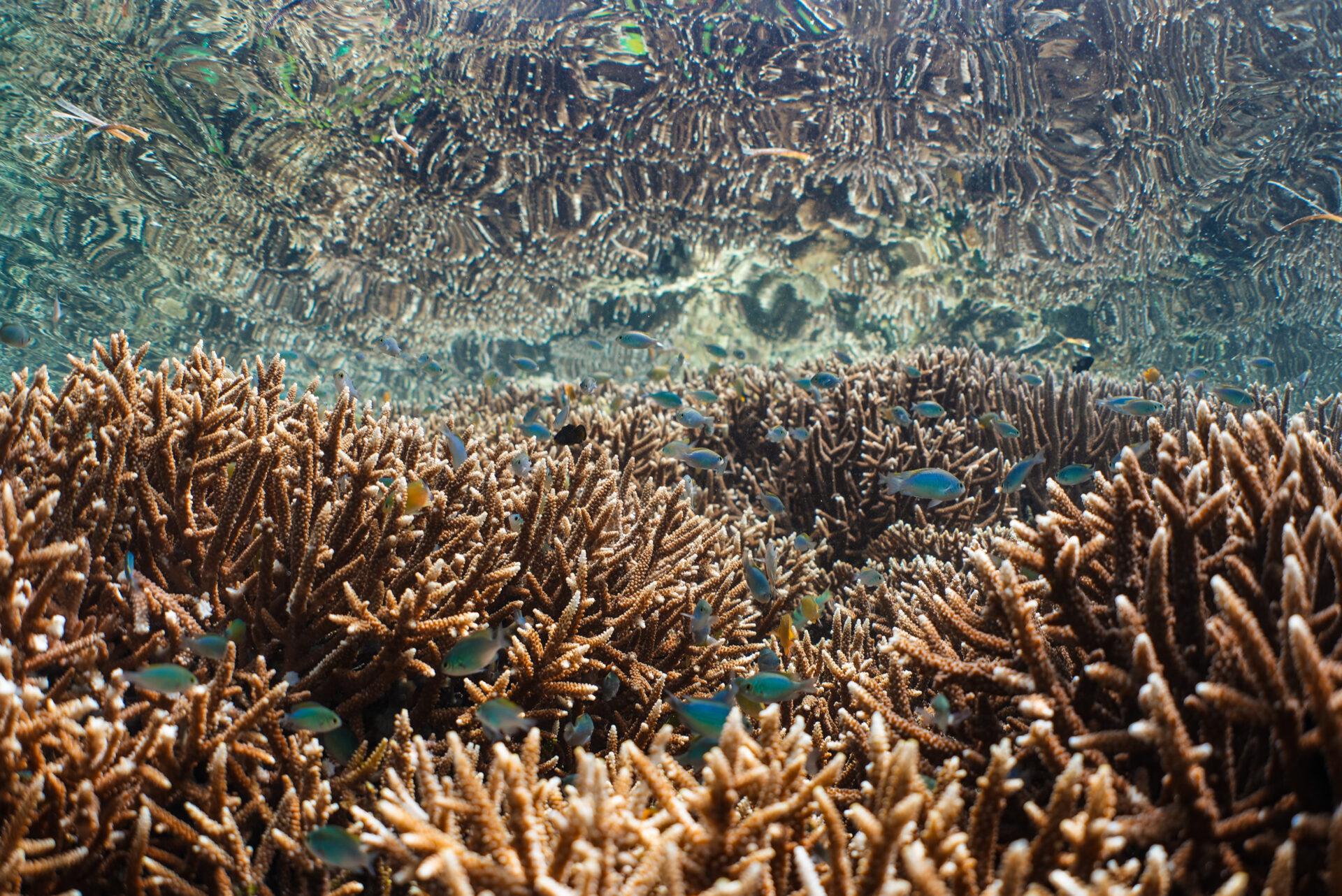

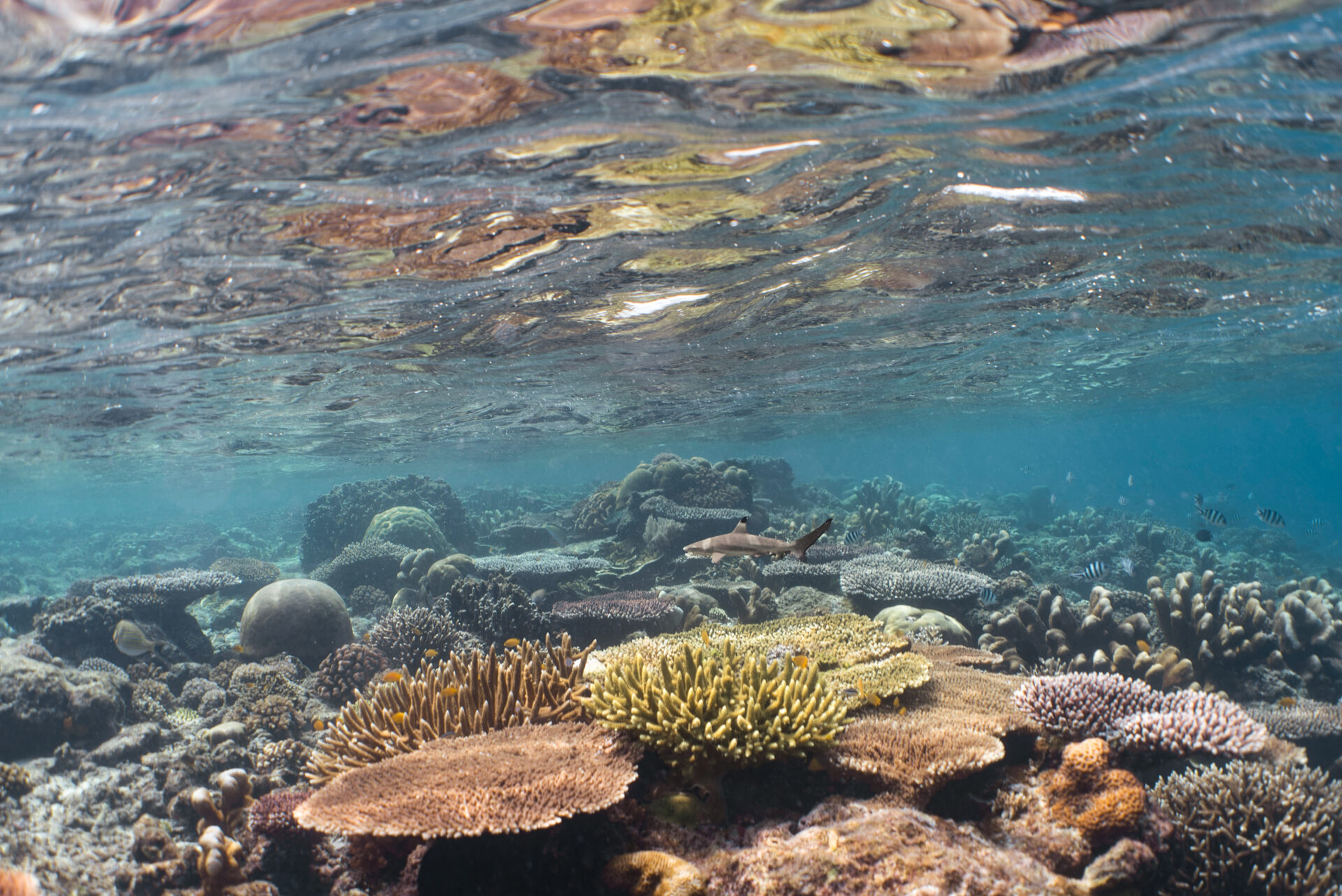
When managed responsibly, tourism can be a powerful force for good. In Raja Ampat, the community has embraced sustainable development by establishing homestays and partnering with BLUD, a government agency that manages the Marine Protected Areas and oversees sustainable tourism, ensuring environmental protection and community benefits in the region. The archipelago’s government was the first in Indonesia to declare the region a shark sanctuary, banning the fishing of sharks, rays, dugongs and turtles.
Tourism in this remote region has brought economic prosperity for many. The region’s increased exposure since the 2010s has sparked a greater awareness of marine conservation. Non-governmental organisations (NGOs) are monitoring manta ray populations, resorts have implemented coral restoration projects, and shark finning has been (almost) halted. The passion to protect the most biodiverse marine ecosystem in the world is shared by the people of Raja Ampat, foreign scientists, Indonesian NGOs and tourists alike.
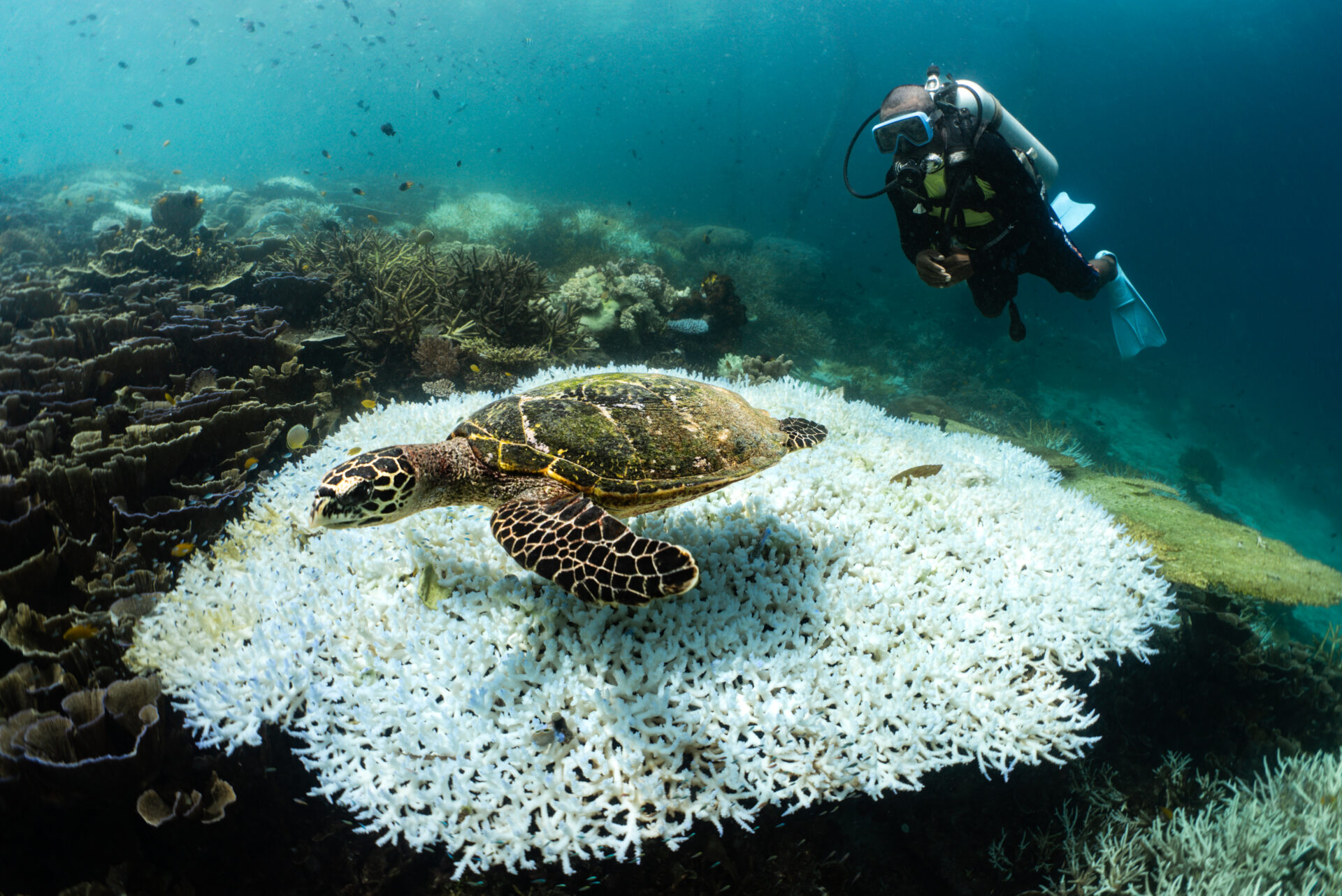
However, the impact of increased tourism activity in Raja Ampat has resulted in tangible changes above and below the surface. One of the most significant – and perilous – shifts has been the proliferation of that ancient life form, cyanobacteria. These microorganisms thrive in nutrient-rich water, and untreated wastewater from Raja Ampat’s strained sewerage infrastructure provides ideal conditions. Add to this excess rainfall and climbing temperatures due to climate change, and it’s a perfect storm. And it’s also a catch-22: while Raja Ampat is benefiting economically from the influx of tourism, its pristine environment – the very reason why it is so popular – is suffering.
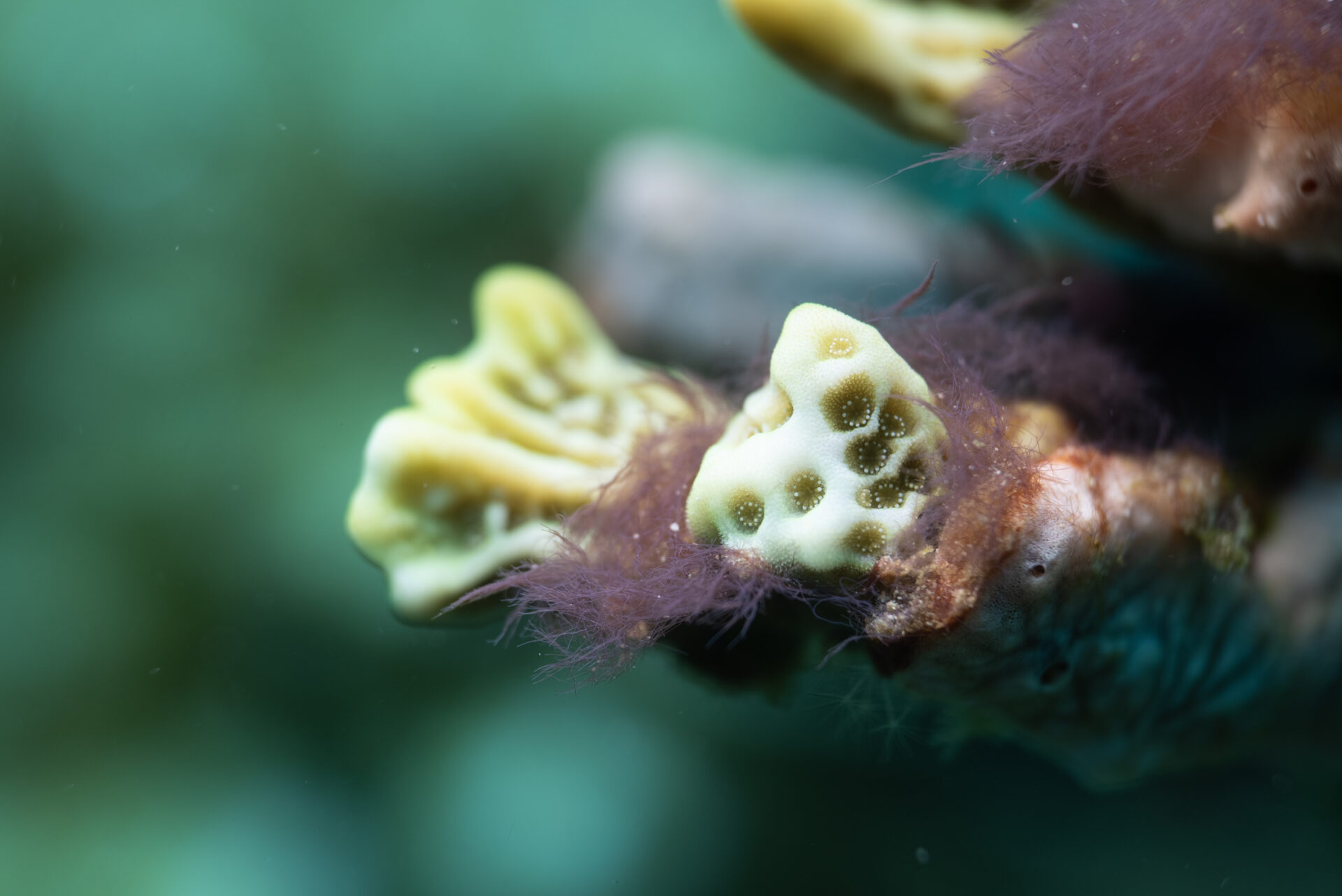
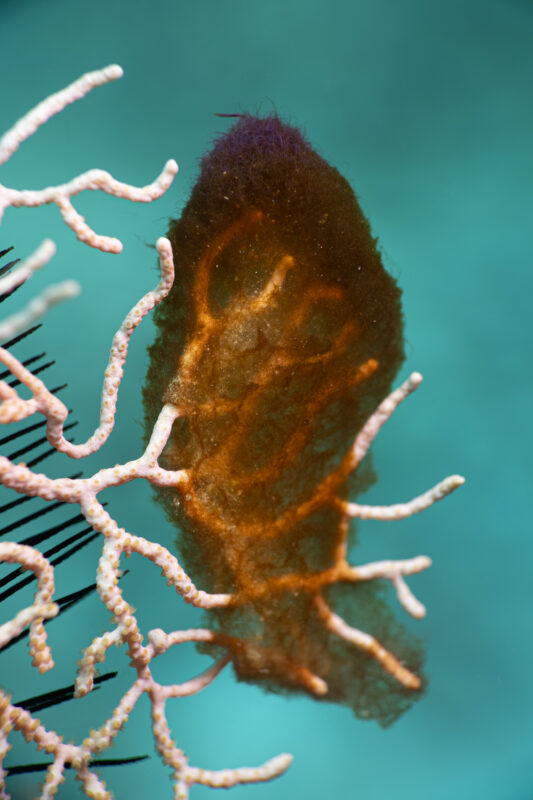
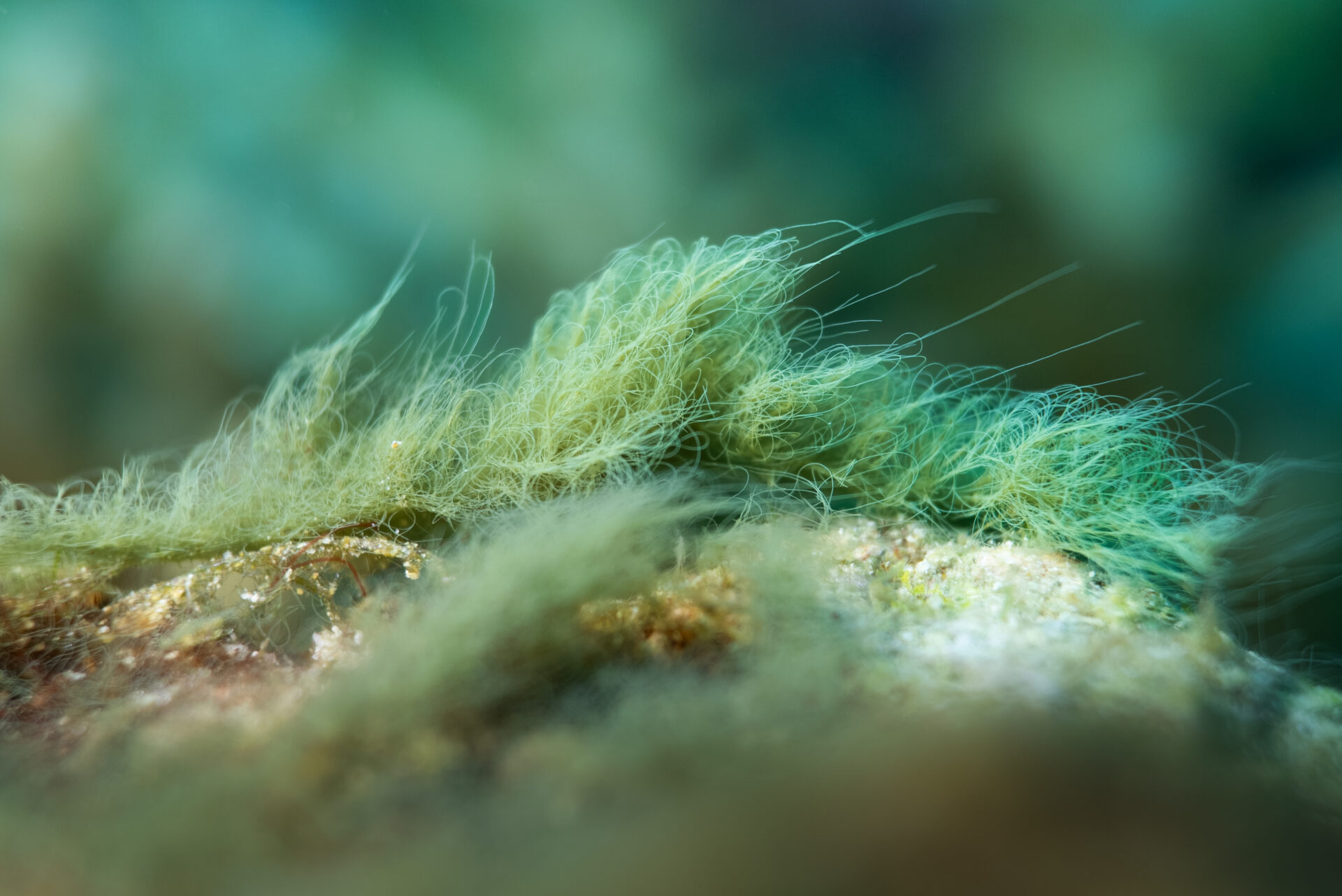
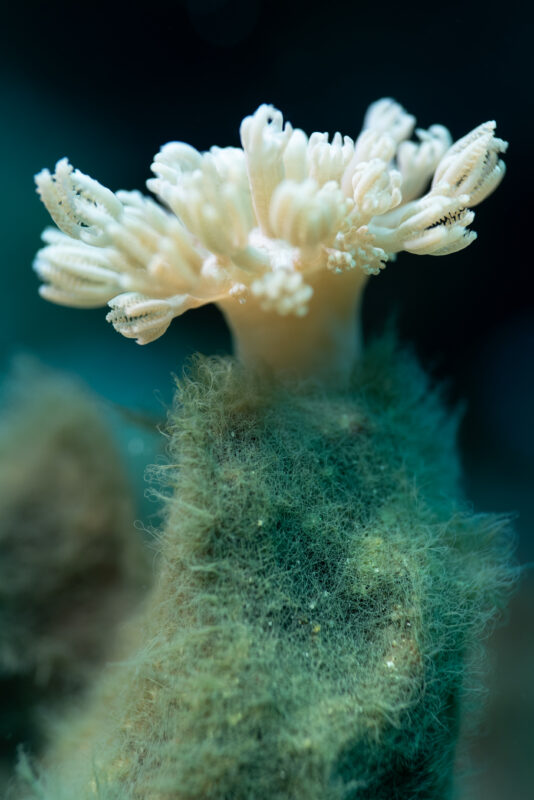
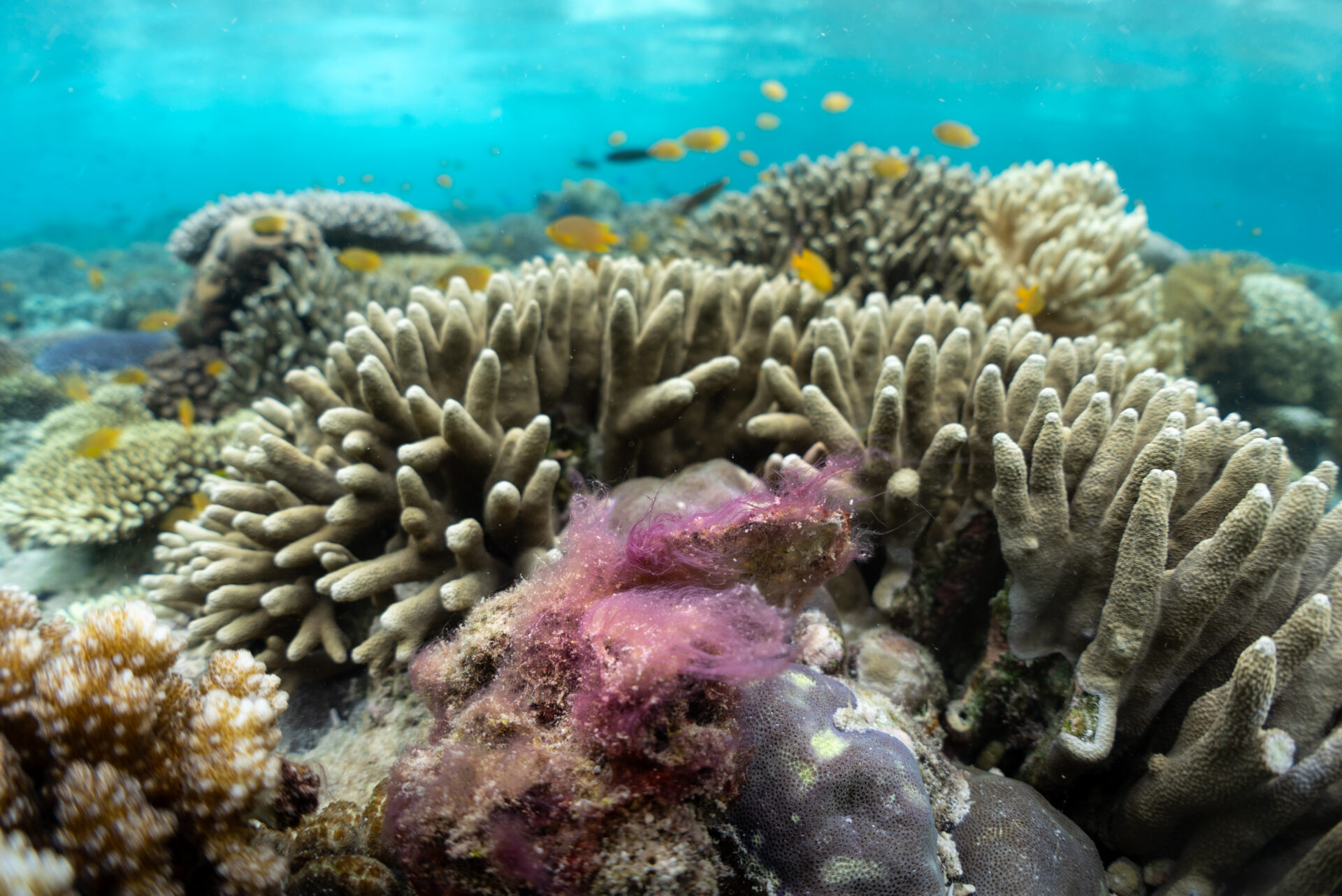
Over time, cyanobacteria began to spread across Raja Ampat’s coral reefs. At first, they blended into the tropical ecosystem, their presence unremarkable. But soon, they formed thick, colourful mats – purple, green and red – that smothered the reef.
Within days, these blooms can overtake entire coral colonies, blocking out sunlight and releasing toxins. Diving Arborek’s reefs every day, I’ve watched a vibrant, two-metre-wide sea fan turn lifeless in just a week, suffocated beneath a creeping purple sheet. Newly installed coral restoration frames succumb in vain. And then, suddenly, like a veil being drawn away, the cyanobacterial bloom dissipates, driven out by changing tides, possibly towards another sensitive marine ecosystem. Arborek’s southeast coral reef seems to exhale as sunlight seeps through once more, but parts of the reef are irreversibly damaged.
“I have seen cyanobacteria kill massive tropical ecosystems before. It happened in the Caribbean – I saw it happen in front of my eyes when I was a child,” says Dr Erika Gress as we sit on a jetty and take in the sunset gilding the ocean’s surface. “The coral in Raja Ampat is resilient, but at this rate cyanobacteria will win. It will smother complete reefs within the next few years. We don’t have time to lose.”
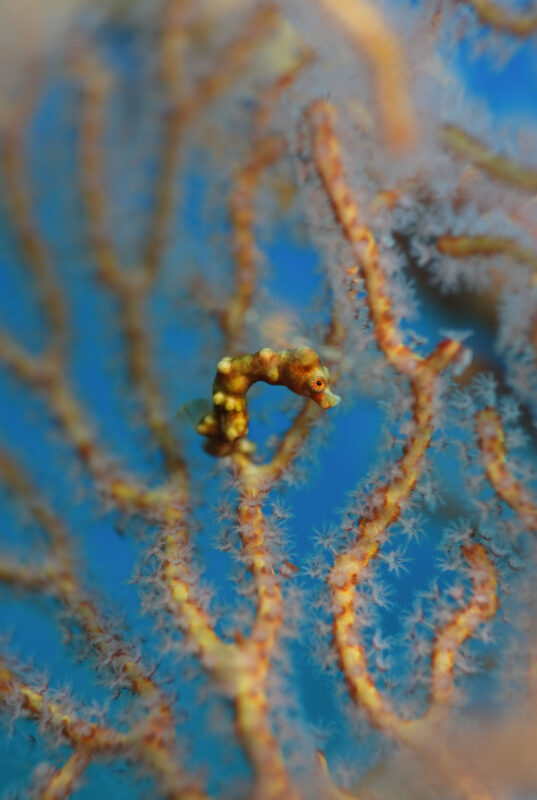
Gress is an ecologist and scientist who researches shallow, mesophotic and deep-sea ecosystems. She is one of a handful of scientists studying antipatharia, or black coral, and spends many months a year on Arborek because Raja Ampat has unusually high populations of these species. Since we met in 2021, I have helped her map black coral populations in the area. At the start of 2022, Erika flagged the increase in cyanobacteria around Arborek.
Together with Dr Josie Chandler, the head of science at the NGO I manage, we started monitoring the presence of the microorganisms. Chandler is a marine biologist who specialises in coral reef ecology, with her most recent research focused on crown-of-thorns starfish populations in Australia. “I had not heard of cyanobacteria covering coral reefs to this extent before, so as soon as Erika mentioned the issue I jumped into a rabbit hole of papers and studies to learn as much as possible about what is happening. Turns out, this is serious.”
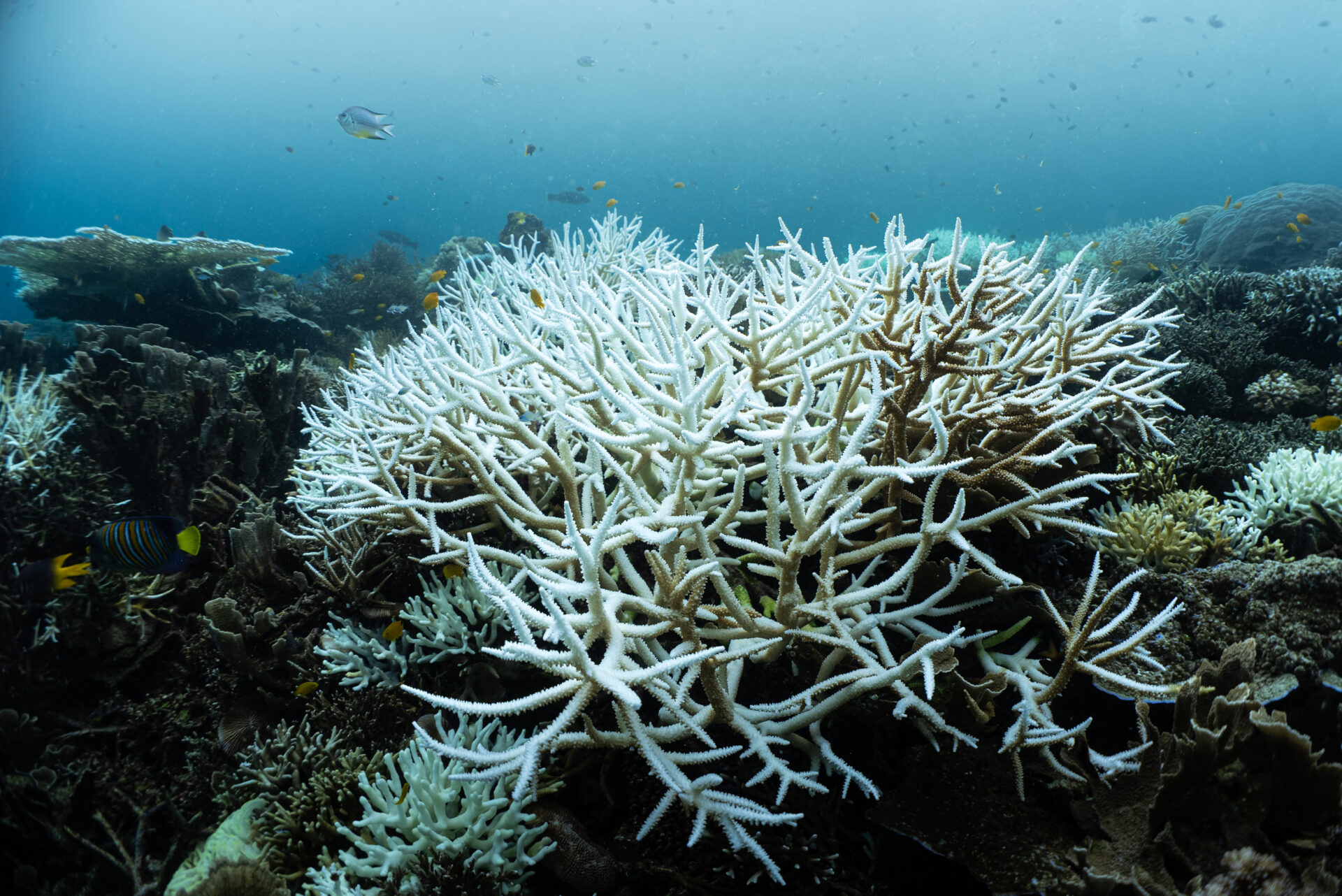
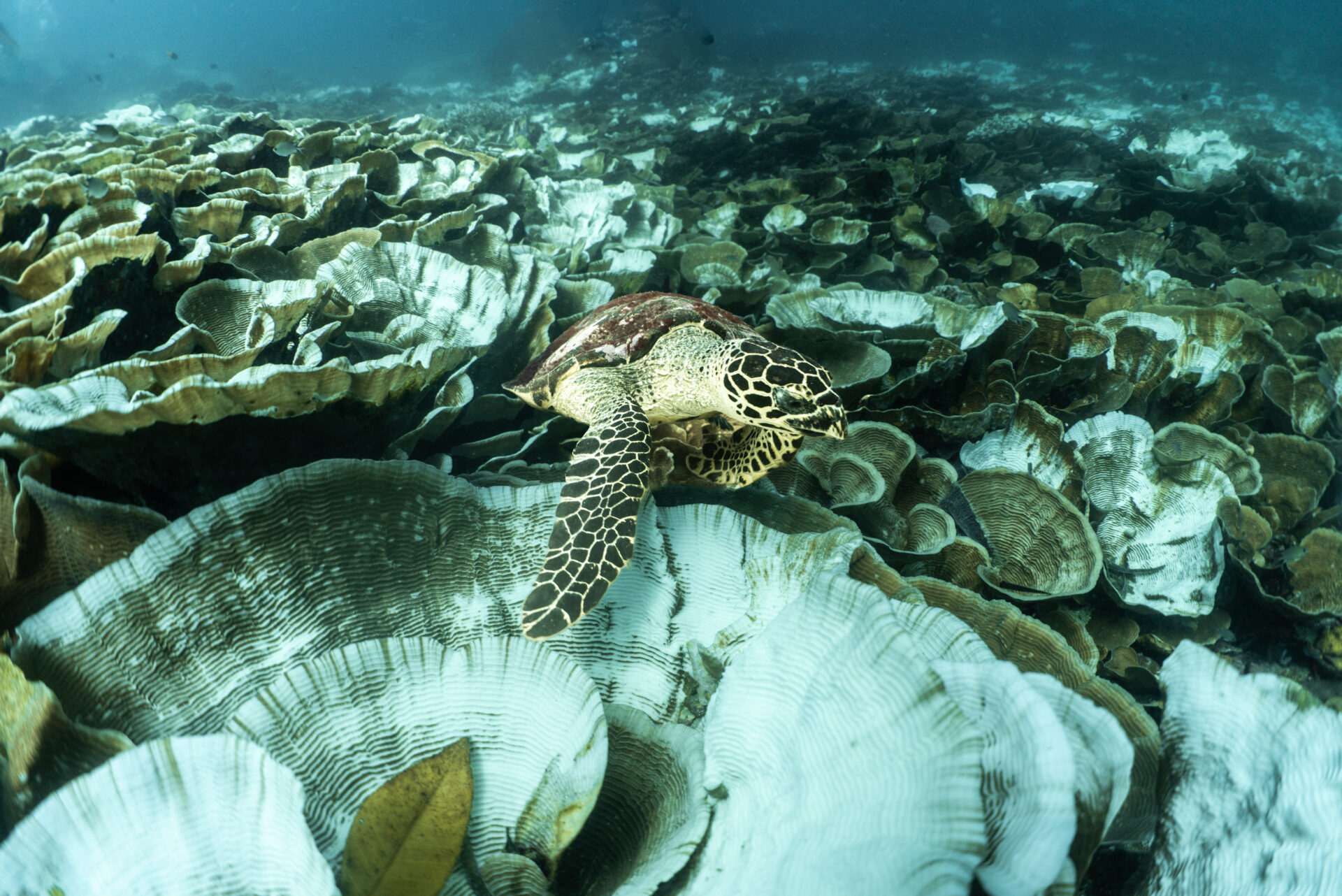
A few months ago, I did a drift dive from the northwest of Arborek to the east. The seriousness of the situation was stark. At one point, the reef morphed from a pristine, colourful ecosystem into a vast green field. The corals were smothered in cyanobacteria. By the end of the dive, I was in tears. Cyanobacteria blooms pose a serious threat to hard, reef-building corals – especially when bleached, as they halt their recovery. The first mass bleaching event in central Raja Ampat was observed in November and December 2024 and may have been caused by the bacteria. The microorganisms consume a significant amount of oxygen and the resulting hypoxia (low oxygen levels) causes corals to bleach and stresses other marine life. New coral recruits (baby corals) don’t stand a chance as the microorganisms deter larvae settlement and rapidly kill newly settled corals. The blooms also release toxins that harm fish, contaminating coastal populations’ major protein source. The spread of cyanobacteria poses a serious health hazard not only for Raja Ampat’s coral reefs, but also its people.
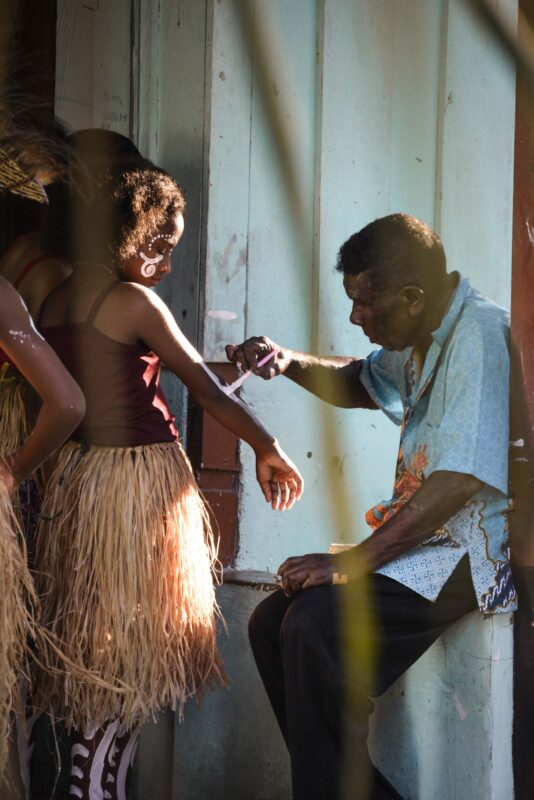
Leveraging my fluency in Indonesian and the deep relationships I have cultivated with Arborek’s villagers over the years, I asked for their thoughts on the bleached reefs. “Someone poured chemicals over the reefs, that’s why the coral is white,” one said. “Too many foreigners on the reefs is putting too much stress on the corals,” my neighbour said, while a village elder added that the windy seasons were arriving “too late, so nature is confused”. When asked exactly which chemicals and how people stressed the corals, I was met with a ubiquitous “tidak tahu” – don’t know. For centuries, their Indigenous traditions have guided them in managing marine resources, allowing them to live in harmony with the coral reefs and read the ocean like no one else. Yet now, anthropogenic factors leave even the most knowledgeable elders uncertain about what is unfolding.
“The problem is not sunscreen or breakage of corals by irresponsible divers, but without question the major issue is the increase in human sewage. Sanitation systems here are basic pit toilets, which meet the needs of small local populations without harming groundwater or marine ecosystems. However, the surge in tourism has overwhelmed these systems. The issue is accelerated by new beachside toilets near the shore, reducing the longer travel through soil before reaching the reef – the biological breakdown. The discharge of untreated sewage from liveaboard boats intensifies the challenge,” says Chandler as we sit on the deck of my overwater bungalow, worried and deflated after diving the bleached reefs. We’re brainstorming a campaign to tackle the issue.
“Liveaboard operators have a lot to answer for, because their solutions for this problem are much more straightforward than island-based operations. Of course, this would come at a cost, but ultimately the cost of losing Raja Ampat reefs would be a lot more expensive. The livelihoods of local communities depend upon these reefs. Strict regulations need to be put in place,” says Chandler. She manages the team of on-site scientists remotely but has come to Raja Ampat to see what is happening with her own eyes. Under her leadership, cyanobacteria blooms have been monitored around Arborek Island for almost two years, and various photogrammetry projects 3D-map nearby reefs to observe bleaching in collaboration with the National Oceanic and Atmospheric Administration, an American scientific and regulatory agency.
“The problem with cyanobacteria is that stopping the blooms is a huge task. It demands all stakeholders – villagers, resorts, liveaboards, and homestays – to come together, as new ways to offload sewage need to be put in place. But it has to be done if we want to keep the coral reefs alive,” says Chandler. “The real worry lies with the fact that bleached reefs’ chances to recover are minimal once smothered by cyanobacteria, and the cyanobacterial blooms are only getting bigger and more frequent.”
Installing bio tanks – wastewater treatment systems that use microorganisms to break down sewage – across Raja Ampat and on liveaboards could be a critical first step. However, Arborek’s low-lying geography presents a challenge: high tides cause septic tanks to float up, complicating their installation. But the stakes are high. “It would be heartbreaking to see the most biodiverse reefs in the world succumb under the weight of preventable anthropological stressors like wastewater and overtourism,” says Chandler. Since 2022, Gress and Chandler have sent multiple alerts to the government and BLUD, accompanied by data collected over many months clearly showing the increase and impact of cyanobacteria. Their appeals have been rebuffed.
This disconnect between the government and those seeking urgent action was evident at a recent stakeholder meeting. Wawan Mangile, senior manager at The Nature Conservancy Nusantara, shared a presentation explaining the sewage problem.
In response, Yusdi Lamatenggo, head of the Tourism Agency for Raja Ampat, argued that “waste is not the responsibility of the state. We are all on this earth.” He then swiftly moved on to the next item on the agenda, disputing that Raja Ampat might be suffering from overtourism. “Where is the ‘overtourism’? Where? We only use 3% of the land, while it should be 30%,” he said.
BLUD head Syafri Tuharea conceded that sewage harms the environment, but he wasn’t convinced of its enduring effects. “I saw a bleached coral reef in 2018, completely white, but three months later it recovered,” he said. However, he promised to publish water testing results soon – after Chandler had emailed him results six months before.
There was a lot of talk about ‘collaboration’, which some attendees dismissed as mere talk-shop that would release the government from responsibility or action. Syafrudin Sabonama, chair of the PAN Regional Executive Board for Southwest Papua, called for regulations that would be enforced: “Don’t just talk about collaboration while turning a blind eye. This forum cannot simply be a happy story after a meeting. Our NGO friends bring in foreign resources and funding, work hard, and are ignored. Don’t let someone else do the work, and the government takes the credit.”
One homestay owner questioned the authorities’ stance on the state of the coral reefs: “Some say the bleaching is just a seasonal change, but what season kills the reef and leaves nothing behind? This isn’t nature’s cycle; it’s a disaster we’ve failed to confront.”
Ancient cyanobacteria once breathed life into this planet, setting the stage for all living things. Yet here they are, quietly rewriting the fate of entire ecosystems in the most biodiverse reefs in the world. Raja Ampat’s coral reefs carry the weight of our choices. Change must happen, or this world of vivid colour and life may fade into memory. Or perhaps, like the cyanobacteria of billions of years ago, we can turn oxygen into a life-giving force by using our voices to ensure this paradise endures for generations to come.

Printed editions
Current issue
Back issues

Enjoy so much more from Oceanographic Magazine by becoming a subscriber.
A range of subscription options are available.
