Guardians of the lagoon: Green sea turtles of Mayotte
Mayotte is one of the last true sanctuaries where green sea turtles can feed freely among abundant seagrass beds. Here, the relationship between animal and habitat is still intact. But with the impact of human activity ever creeping, the question is: for how much longer?
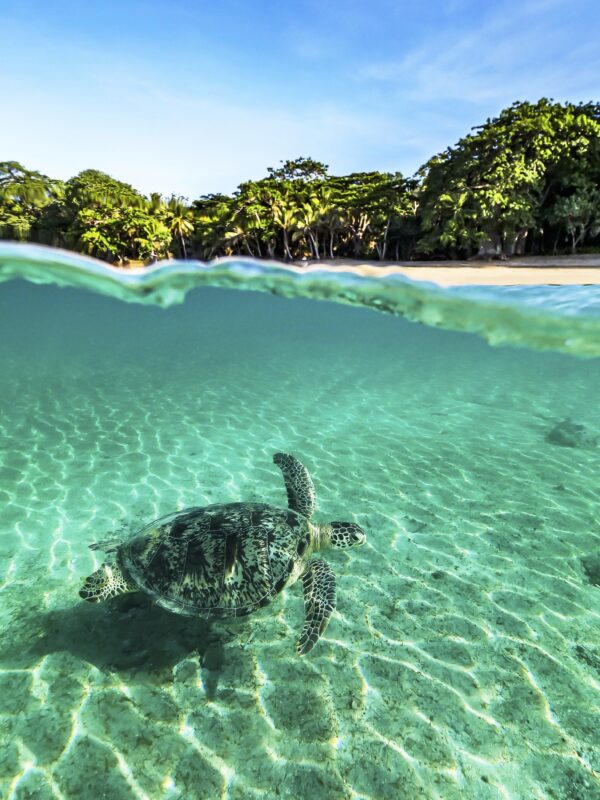
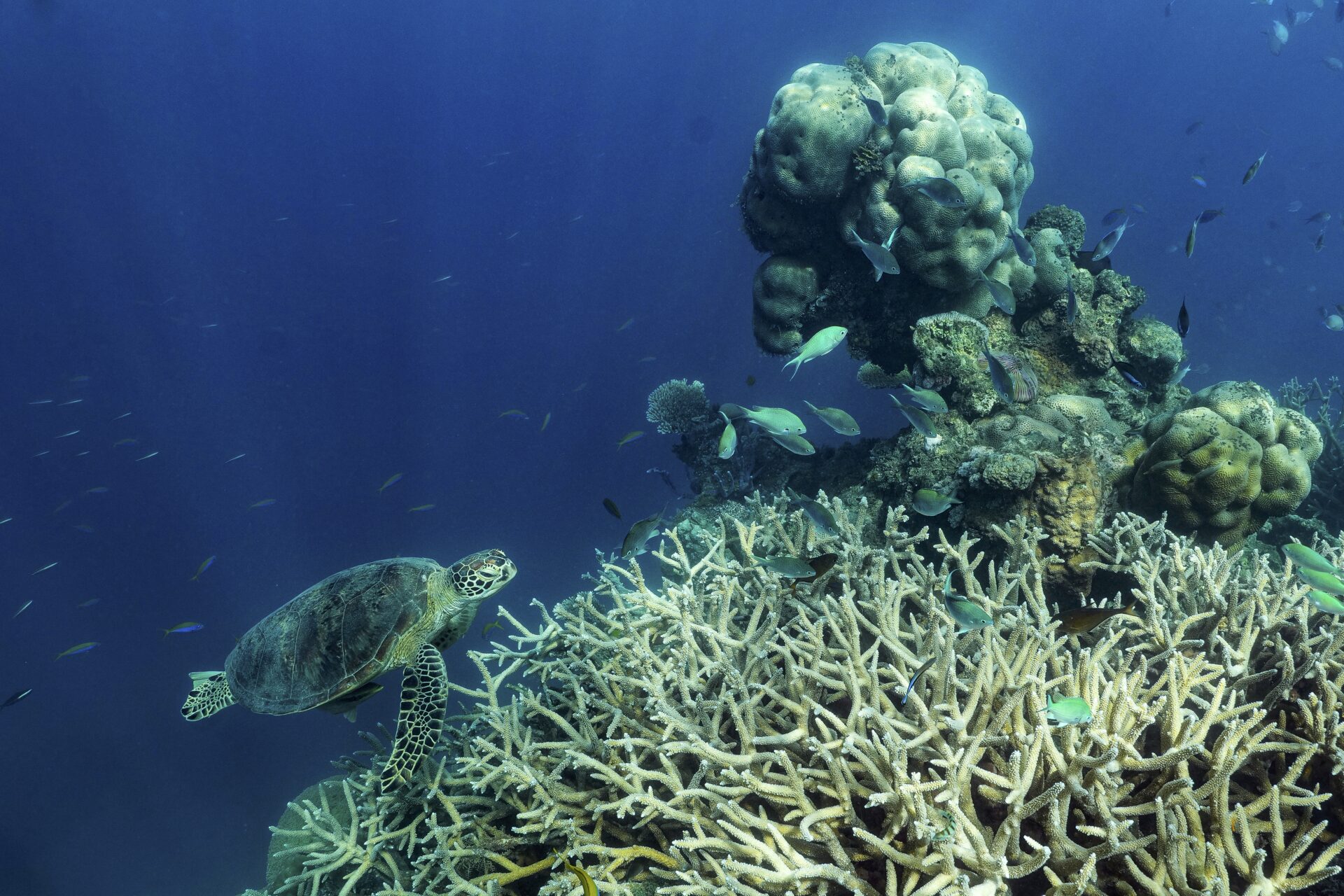
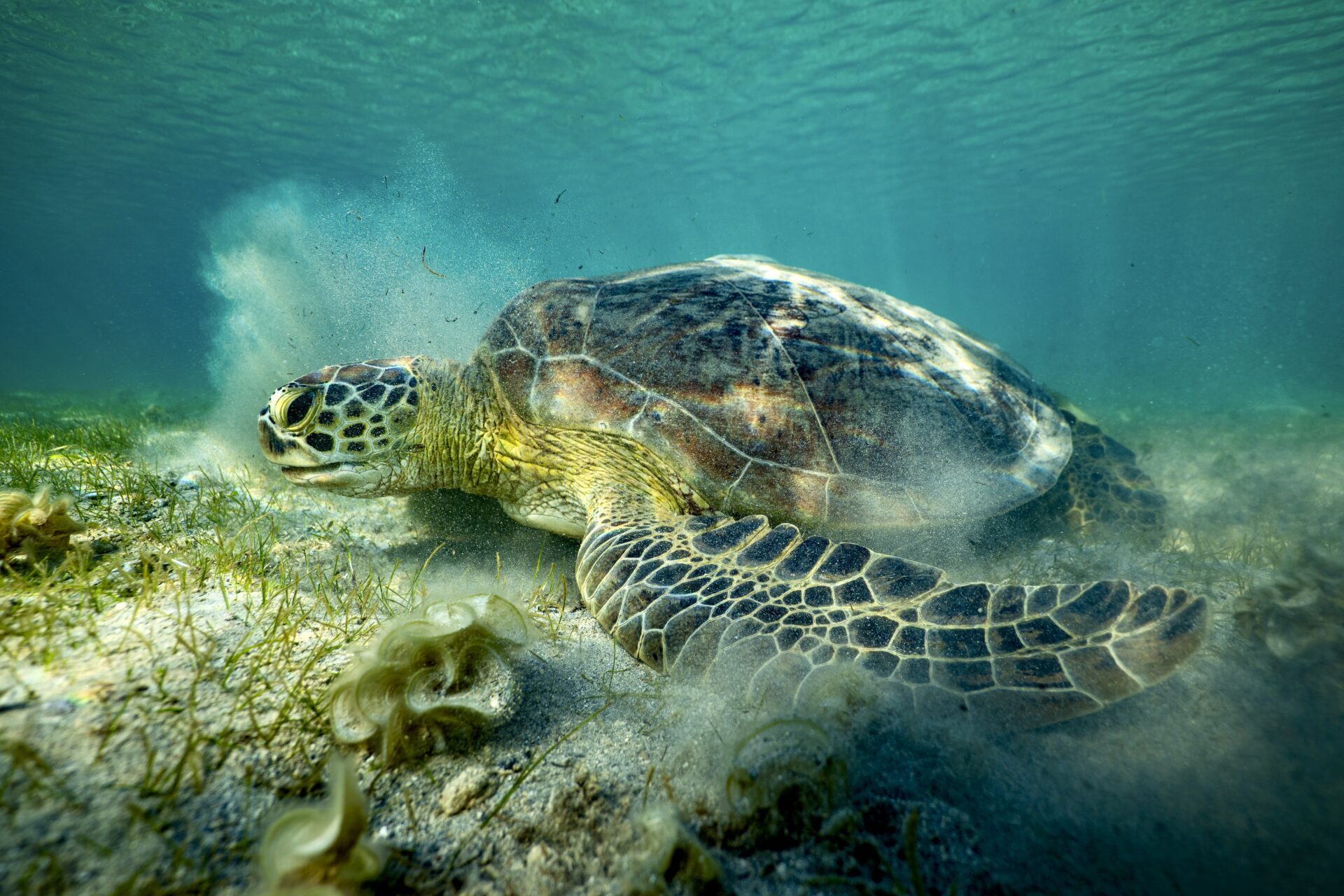
Just beneath the surface of the lagoon, in the calm waters of Mayotte, a green sea turtle slowly rises from the seagrass. Each movement of her flippers is precise, almost choreographed, like calligraphy drawn through water. I’ve spent years observing them, and still, every encounter feels like a gift.
In a world that moves faster each day, these turtles remind us of the power of slowing down, of resilience, of the deep connection between a species and their home.
Mayotte remains one of the last true sanctuaries where green sea turtles (Chelonia mydas) can feed freely among abundant seagrass beds. Here, the relationship between animal and habitat is still intact. But with the impacts of human activity and anthropogenic climate change slowly tightening its grip on even the most pristine of marine environments, the question remains: for how much longer?
The ecosystem engineer and me
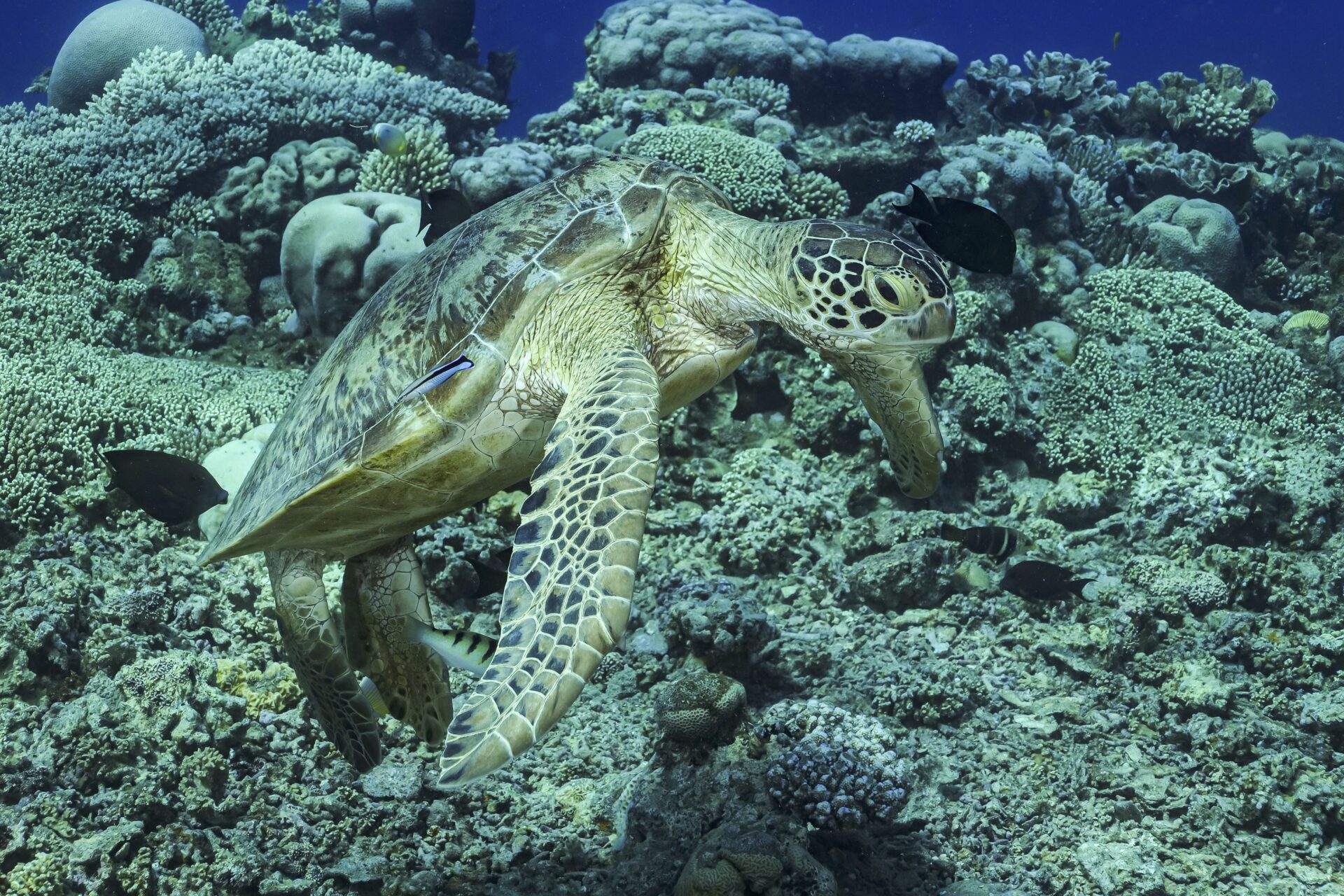
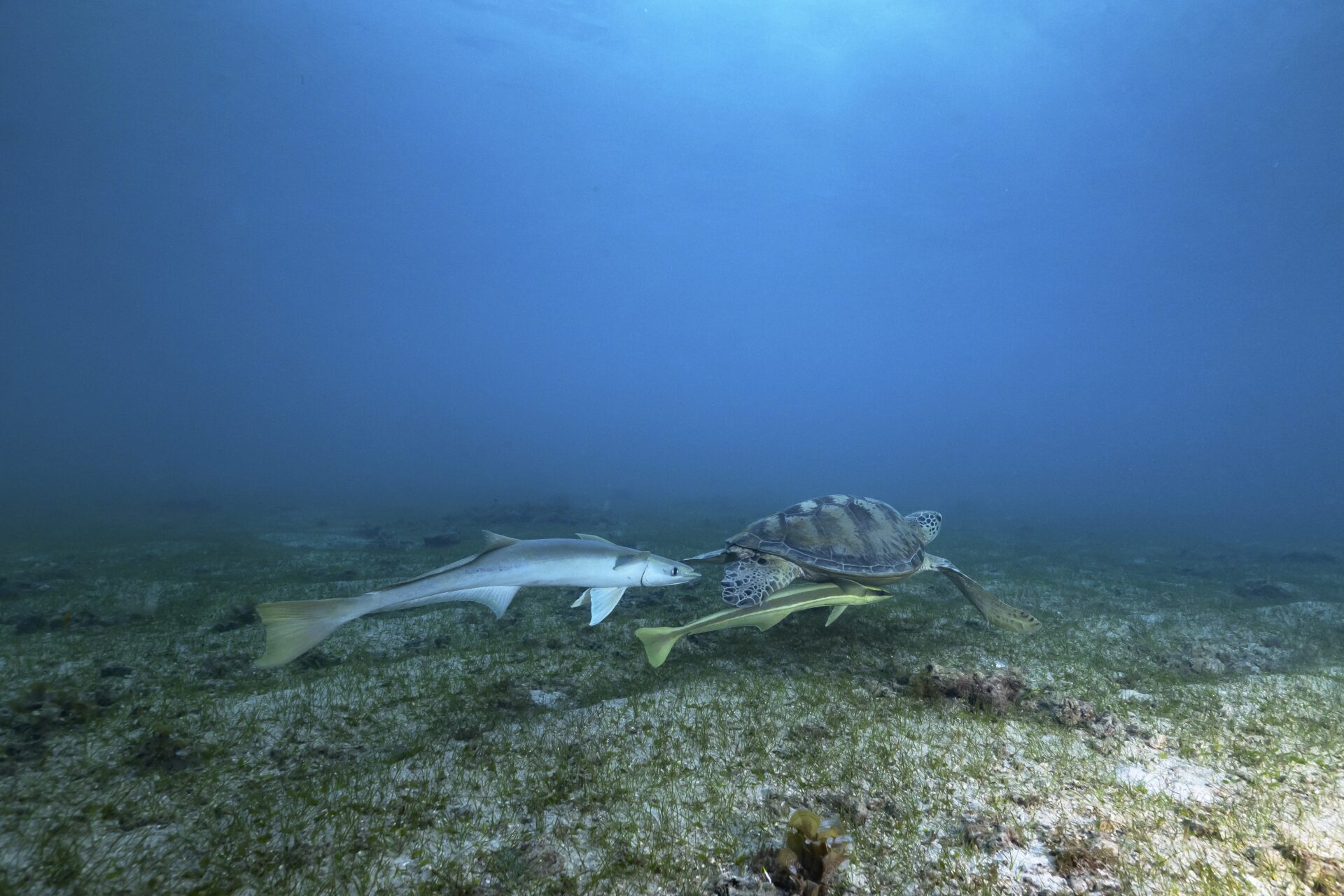
Green sea turtles are more than graceful silhouettes in turquoise water. They are ecosystem engineers. By grazing regularly, they shape the structure of seagrass beds, preventing the overgrowth of invasive species and promoting the regeneration of tender shoots. In doing so, they influence the entire web of life – juvenile fish, invertebrates, microscopic algae.
Where turtles are present, seagrass meadows are healthier, more dynamic, more resilient. These animals are both gardeners and sentinels. Yet their ecological role remains largely unknown to the general public.
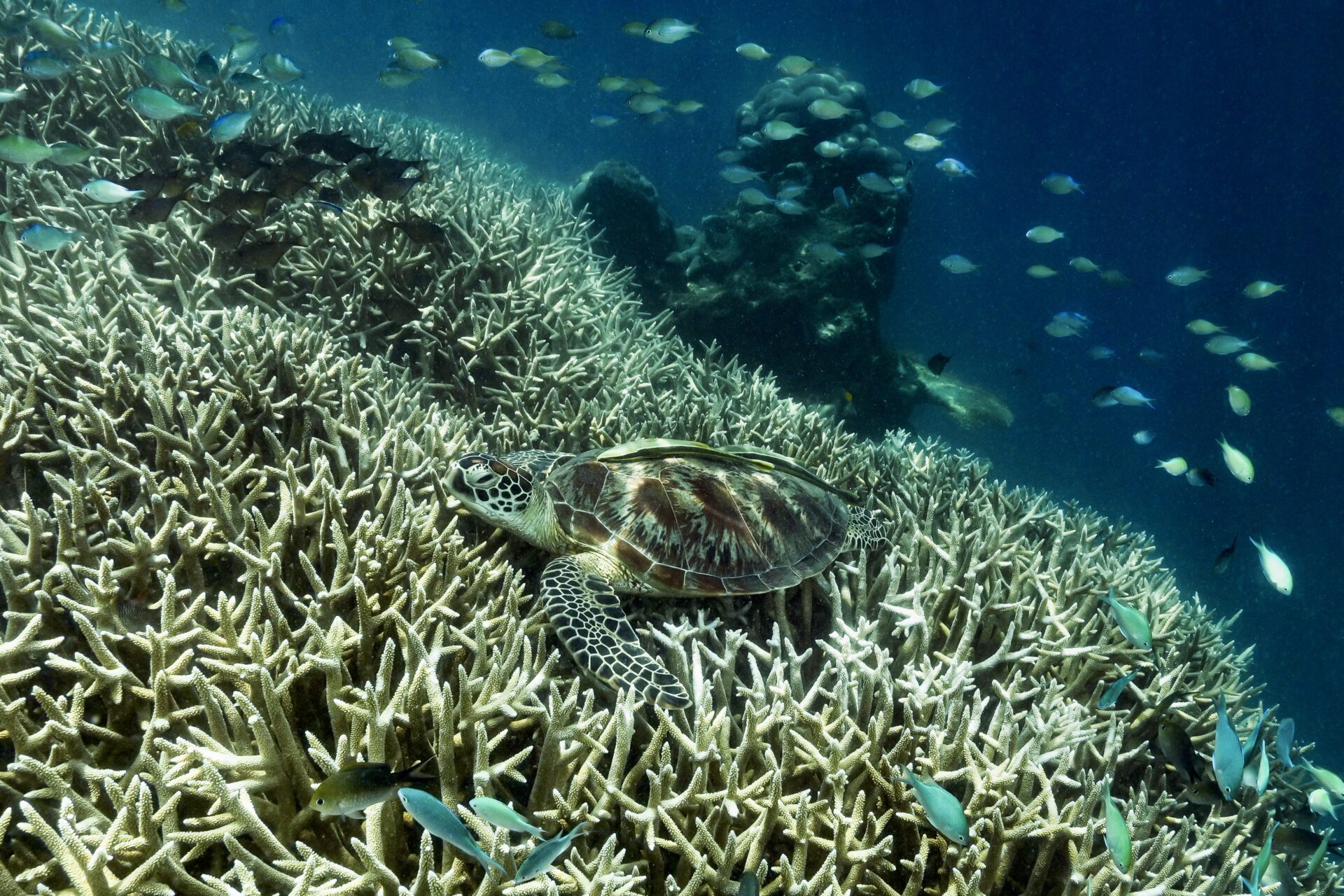
Their impact goes beyond the seagrass. Some turtles frequent coral reef zones, indirectly contributing to the balance between algae and coral. Others nest on beaches, creating a direct link between land and sea, between marine cycles and the sand that receives new life from each of them.
Other features
A fragile peace
Mayotte gives the illusion of being a refuge. Its seagrass beds are vast, its beaches numerous, and turtles still relatively present. But behind this richness lies a more fragile truth.
Every year, between 3,000 and 5,000 green sea turtles come to nest on the island’s beaches. Yet up to 10% of them are victims of poaching, with as many as 350 nesting females killed annually, according to estimates from the REMMAT network. Their meat is still consumed locally, despite legal bans. Females, slow and exposed when they come ashore to nest, are the first to be targeted.
But the threat isn’t just human. Climate change is altering turtle biology itself. The sex of turtle embryos depends on the temperature of the sand during incubation. Warmer sand leads to more female hatchlings. In some Indian Ocean rookeries, researchers have already recorded up to 99% female births. In the long term, this imbalance could endanger the species’ reproductive future.
On top of this come degrading seagrass habitats, plastic pollution, discarded fishing gear, and careless anchoring – all of which weaken the fragile stability of the lagoon.
It is said that, not so long ago, you could barely swim without brushing past turtles at every turn in Mayotte’s waters. Today, they are still here—but their numbers have declined dramatically. And often, as I watch a turtle graze calmly just a few meters from me, I wonder: for how much longer?
What the sea taught me
What I’ve learned through years underwater is not just how to observe, but how to listen.
Turtles do not speak, but they teach. To those willing to slow down, they reveal another way of living in the world – without noise, without conquest, without violence.
Mayotte is far from perfect. But every turtle encounter is a reminder of what still exists. A sign that there are still places where wildness remains, fragile but real.
Photography will not save sea turtles. But it can awaken wonder. And wonder can lead to awareness. And perhaps awareness is the only true beginning of conservation.
Serge Melesan is a French underwater and wildlife photographer based at Mayotte. A self-taught visual storyteller, he focuses on the Indian Ocean’s biodiversity and conservation challenges. His work has been featured by National Geographic Traveller and recognized in international photography awards.

Printed editions
Current issue
Back issues
Enjoy so much more from Oceanographic Magazine by becoming a subscriber.
A range of subscription options are available.
