Help or hindrance? Is ecotourism in the Philippines working?
On a research expedition to the Philippines, marine biologist Alex Butler decided to swim with whale sharks... it was an experience that would shape an entirely new outlook on the role of ecotourism and the benefits it brings to communities and importantly, the ocean
It is written in the Philippines constitution that the people have a right to “a balanced and healthful ecology in accord with the rhythm and harmony of nature.” While on a recent research expedition to the region, I was lucky enough to catch glimpses of that rhythm and harmony in the real world.
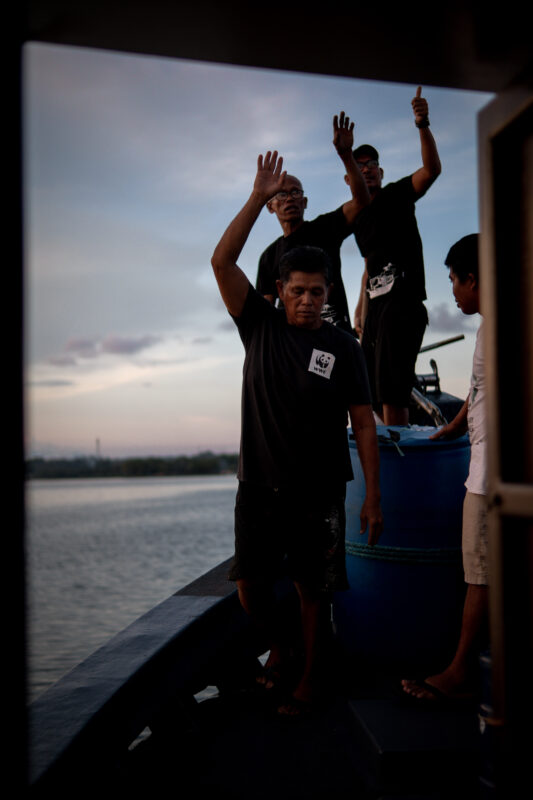
Its presence is felt in the rangers who spend two months at a time on a remote station to protect their reefs from poaching; in local women leading summer camps on an island restored from deforestation; and in the scientists still excited by the reefs they work in every day.
But across the more than 7,000 islands that make up the Philippines, not all of that rhythm is equal. For years there has been a battle between keeping food on the table and keeping life in the ocean. The fight to avoid overconsumption is a daily tug of war, and one that I have witnessed. It’s a battle that needs a peace treaty. So, could ecotourism be the one to provide it?
For years, whale sharks were fished for their meat which was sent to markets in Singapore and Taiwan. During this same period, overfishing left once plentiful reefs depleted and the communities that depended upon them without either the food or economic stability they provided.
By 1998, the Philippines had banned the catching, selling, and transporting of whale shark meat, marking a bold and critical step in the protection of a new-endangered species. In the years since, whale shark numbers have began to recover, returning to the coastal waters where they were once fished in great numbers.
Olsob, located on the coast of Cebu, is now famous for hosting the largest non-captive whale shark tourism business in the world. For a couple of marine scientists with a rare day off from research and desire to see a whale shark in the real world, Oslob presented what felt like a golden opportunity. However, when we mentioned our intentions to visit Oslob to local collaborators, we were met with uneasy glances.
“Haven’t you heard it disrupts their migration patterns?” came one reaction. “They lure them to come close to you by using krill,” came another. There were those that argued for it, of course. “The amount of krill they feed them is like breadcrumbs. It’s not enough to change their migration patterns,” seemed to be a common reply.
Without realising it, we had wandered into the ongoing controversy surrounding whale shark ecotourism in the Philippines, one that could be traced back just over a decade, to 2012 when the Barangay – a small governmental unit of Tan-awan – allowed the Tan-Awan and Oslob Sea Wardens and Fisherman’s Association (TOSWFA) to feed these sharks krill, giving tourists and up-close experiences of the world’s largest fish.
Taking greater notice of the more positive stance, we journeyed to Oslob. Once we arrived, we soon realised why we shouldn’t have.
Other features



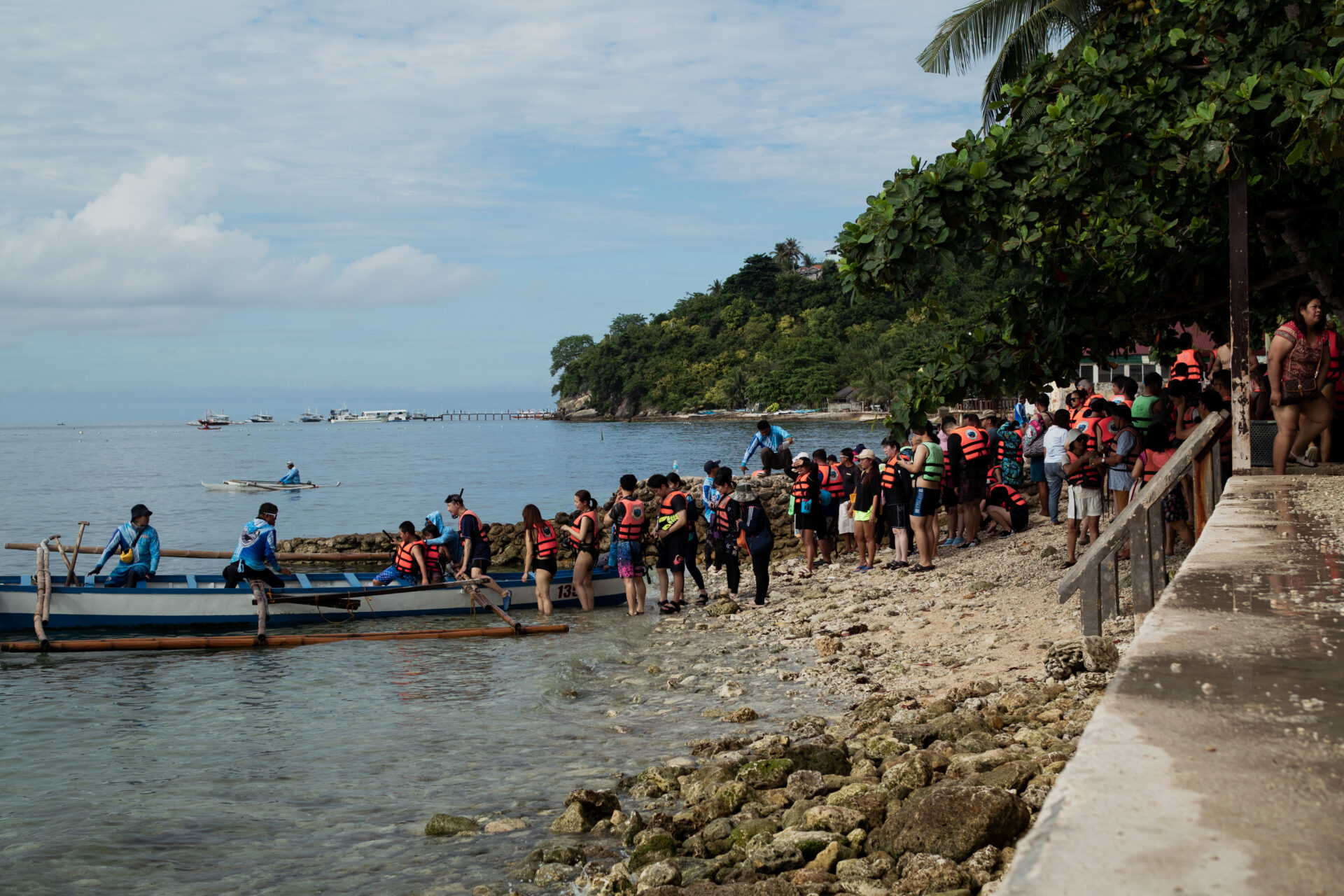

We were taken through an assembly line process of walking through small shops selling whale shark keychains and t-shirts and into a tent in which we were given a presentation on the “proper etiquette of swimming with whale sharks”. From here, we were moved to another tent to join over 100 other people waiting for their number to be called out, summoning them to finally join a boat.
The crowds on the water painted a similar story. Over 20 boats out at a time, each was carrying ten people all eagerly awaiting their cue to get into the water for a 30-minute snorkel. We waited and watched, until finally it was our turn.
Within minutes of getting in the water, a TOSWFA member came by throwing krill off of a small banca. At that very moment and out of the murky blue, came our first whale shark.
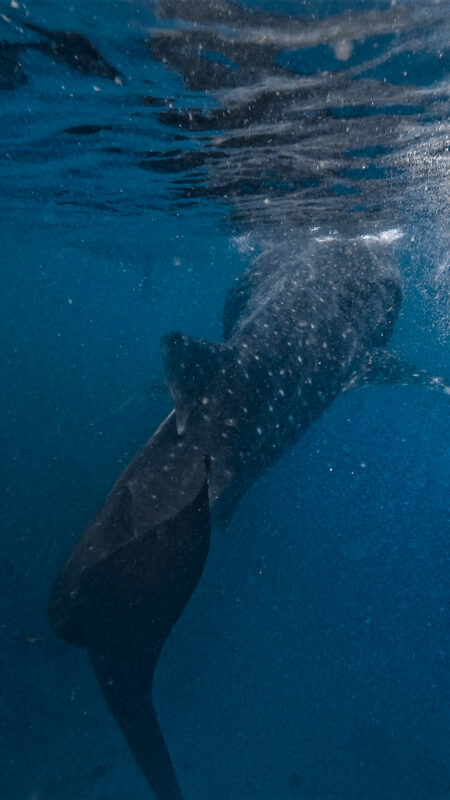
The sharks that visit Oslob are small – often juveniles no longer than 20 foot in length. Our visiting juvenile swam within arm’s reach, brought its mouth towards the surface, and swallowed the krill in one motion. Once the giddy excitement had subsided, it became abundantly clear that the one presentation on “etiquette” was by no means enough to command any control over the situation.
The rule is to keep a distance of four metres from the shark. But with krill being flung so close to us, we were left without a say in our proximity. Similarly is it forbidden to swim in pursuit of or to touch a whale shark if it should swim nearby. It didn’t take long for us to spot breaches of these rules in abundance. Finally, you are required to keep crowds to a maximum of six people near each shark. With so many boats on the water, there’s simply no hope of controlling those numbers. And, with the TOSFWA being a relatively new organisation it simply seems to lack the people-power to enforce these rules with any effectiveness.
We left Oslob with a promise to never join a whale shark snorkel again.
But this is a highly nuanced area of controversy that must be approached with balance. After all, it is with thanks to ecotourism like this that fisherfolk have been able to cease harmful fishing practices that have destroyed coral reefs and earn a living selling tickets to see its sharks. Meanwhile, thanks to the nearly five-million-dollars brought in by this form of ‘ecotourism’ per year, the town’s infrastructure, educational, and career opportunities have also significantly improved.
The question is: is it all at the expense of the sharks?
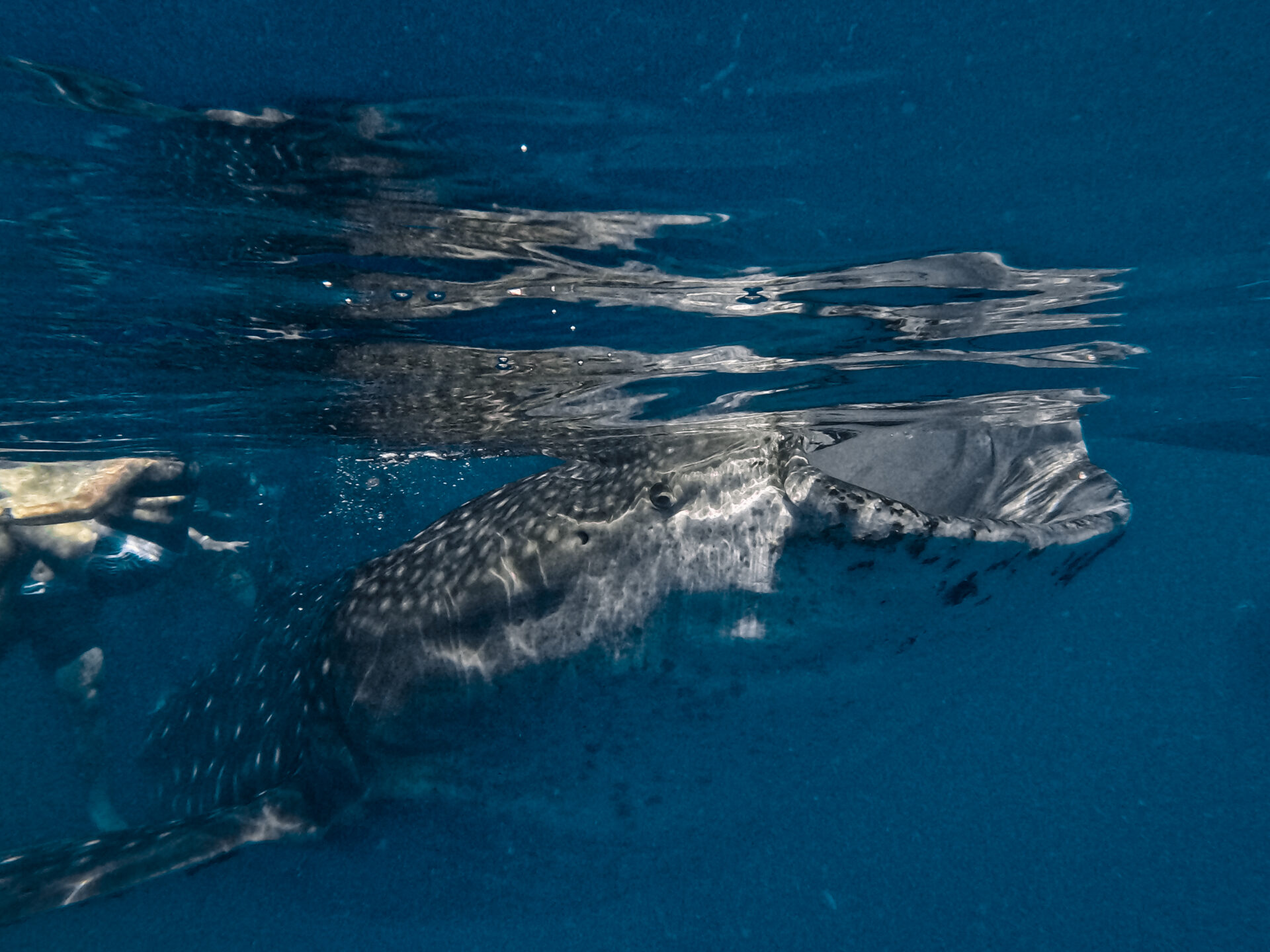
Research shows that whale sharks in Oslob have more human induced scars compared to whale sharks in other parts of the world and that feeding them for tourism may alter their natural foraging behaviour as they become more habituated to humans.
While fishing for whale sharks has been banned, Oslob has launched an ecotourism empire that appears to sacrifice respect of the animals’ space for ticket sales. Local scientists generally agree that work still needs to be done, but with a history of unwilling stakeholders and unenforced management practices, change might not come as quickly as some would prefer.
Several hours north of Oslob is the island of Malapascua – where local communities have struck a balance with thresher sharks. Malapascua’s Monad Shoal was once heavily fished. Like Oslob, as fish populations began decreasing from overconsumption, fisherfolk saw an opportunity in their sharks. Over time, the island’s main income became diving ecotourism hinged upon the rare chance to see thresher sharks.
So successful has this form of tourism become that eventually Monad Shoal became a designated Marine Protected Area in which fishing was banned. Unlike Oslob, Malapascua has largely enforced the sustainability across its ecotourism.
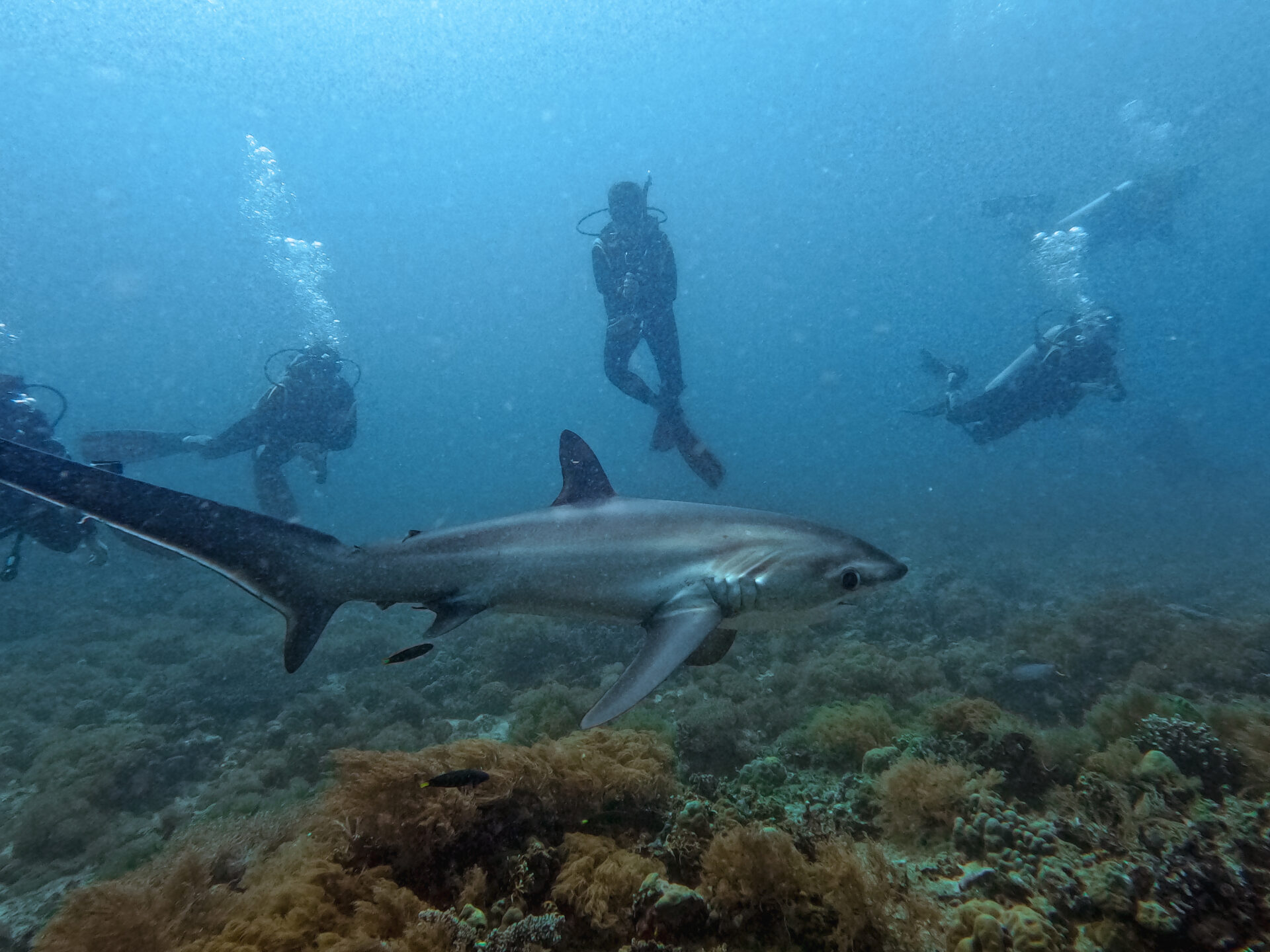
Diving here with thresher sharks was an experience free from controversy. It began with a small conservation fee to enter the park and fewer than 10 other divers on the boat. As we approached the shoal, there were enough dive boats on the water to appear like a small town from a distance. The threshers are most common at dawn when they swim upwards from the depths to be cleaned of parasites. By late morning and by the time we had got into the water ourselves, most other boats had left, leaving our small group alone with the sharks.
These sharks aren’t lured into proximity by the promise of food. Instead, they engage and indulge in their own curiosity. Three sharks at a time would circle the group as we stayed as still as possible. Their tails whipped in our periphery before they circled back to look at us with eyes designed to see in murky waters and the darkness of the deep sea.
As night falls and divers leave, fisherfolk from surrounding islands will also visit Monad Shoal. Instead of diving, they visit to poach. They do this out of necessity. Reefs surrounding Monad Shoal are still overfished for food and income and the benefits of ecotourism aren’t as widespread outside of Malapascua’s dive centres.
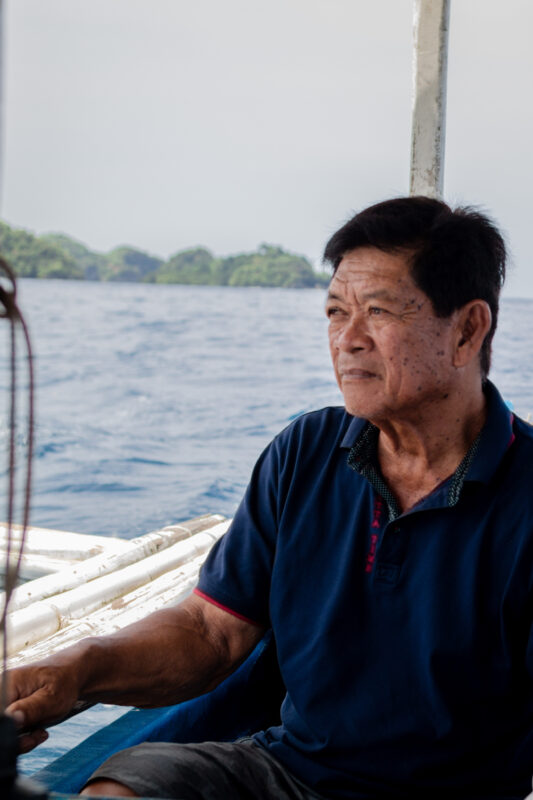
While ecotourism here is well regulated, poaching is an issue Malapascua struggles to enforce. Instead, it relies on the Sea Patrol – the Bantay Dagat – to control illegal fishing in the MPA. But it’s a dangerous job. Poachers often carry firearms while – by law – the Bantay Dagat can’t. Even so, conservation fees from tourists have been used to supply the Bantay Dagat with patrol boats.
With their presence on the water, illegal fishing is no longer as common, and the threshers continue to thrive in a reciprocal relationship with the community.

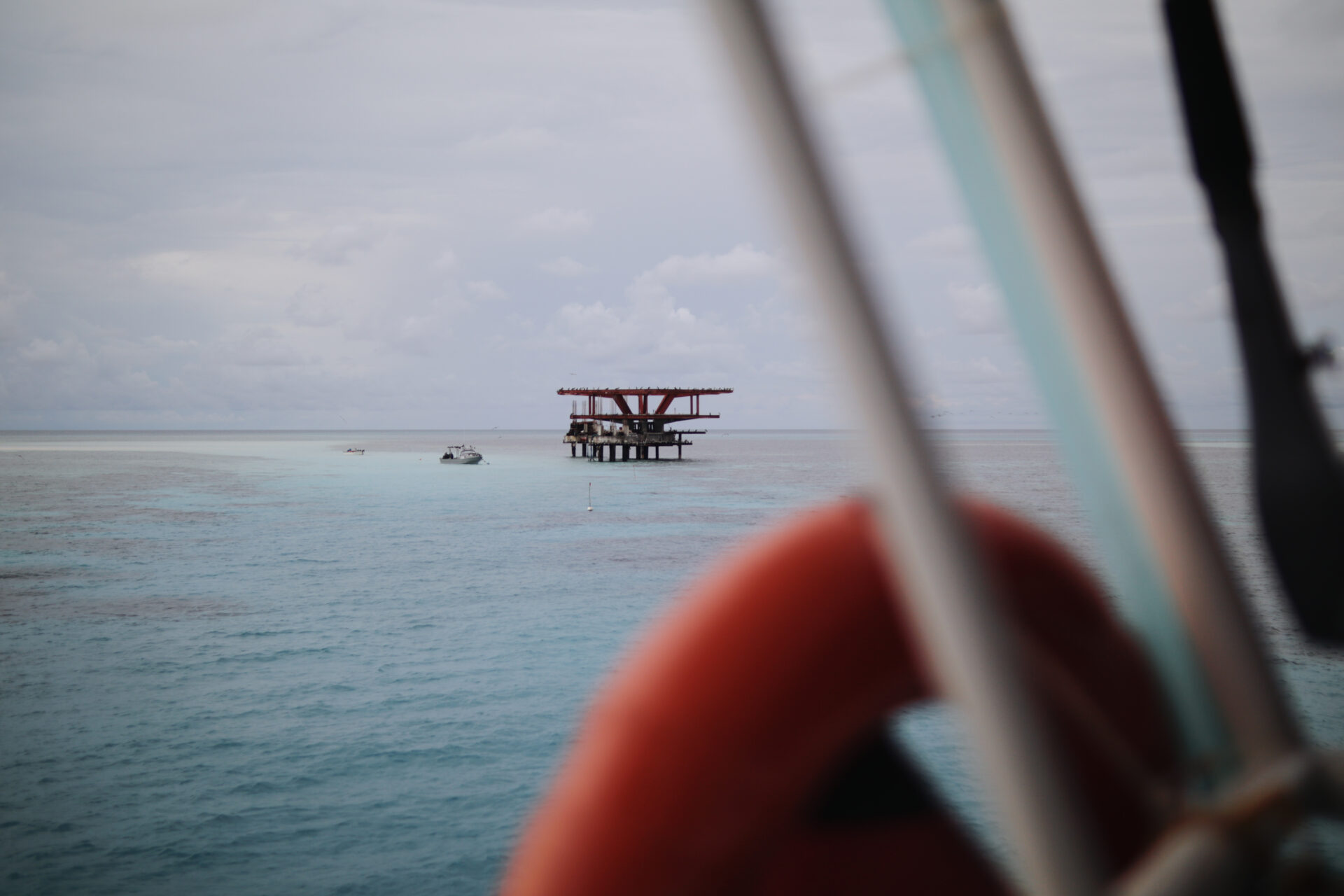
Over 500 miles from Cebu is Tubbataha Reefs Natural Park – recognised as the pinnacle of ecotourism in the Philippines. It’s the country’s largest fully protected MPA and has the megafauna and coral cover to prove it. And it would seem that Tubbataha has reached near-perfect harmony between people and nature.
Accessible only via live aboard vessels, Tubbataha is something of a sanctuary. Fishing is not allowed here and only certified dive charters or research teams are able to enter. I was privileged enough to spend 14 days exploring the two atolls here as part of a research team myself, taking the opportunity to uncover the beauty of the nearby Jessie Beazley reef in the process.
It was here in Tubbataha that I saw my first pristine coral reef: fields of healthy, unbleached, untouched coral stretched out in visibility nearing 100 feet. The reef is like an Easter basket with its pastel pinks, greens, and sometimes vibrant blue corals peeking out at us on dives.
We swam alongside fish that had never seen a fisherman and had learned no reason to fear us. Whitetip reef sharks were spotted on every dive and – on the lucky occasion – we even caught sight of them moving in groups of 14 or more, hunting side-by-side giant trevallies. Tiger and nurse sharks are common here, while whale sharks have helped make Tubbataha a world-renowned site.
The areas is protected by the Tubbataha Management Office and its fleet of rangers who stay on a remote station for a two-month stint each time. They’re led by Park Manager Angelique Songco – the much revered ‘Mama Ranger’. During these two-months, the rangers patrol the park for poachers – oftentimes found to be locals from nearby islands or Chinese fishing vessels. Enforcing fishing regulations on locals is fairly successful, but for Chinese ships it’s a process that requires the manpower of the Philippine Coast Guard.
Then there are the issues that simply cannot be controlled. Single use plastics are carried here in abundance by the current. No matter how much garbage the divers, snorkelers, or rangers pick up while on the water, there always seems to be more floating in to replace it.
Over dinner one night, Mama Ranger climbs aboard our live aboard vessel to a warm greeting from the crew. She’s here to tell us the history of the park and her first-hand account of the slow decline of shark populations since she first visited the area some 40 years ago.
“We used to see them immediately on every dive,” she recalls. “Now I have to wait for them.”
This too, is no fault of Tubbataha’s management. Sharks are mobile animals, and if they wander out of the park’s invisible boundaries, they become subject to the commercial fishing that rages throughout the Indo-Pacific. Still, it shines as a beacon of hope. Even with prolific overfishing outside of its borders, Tubbataha is rich in abundance and biodiversity thanks to the work of the rangers, dive operators, and scientists working together to report illegal activities and to educate visitors.
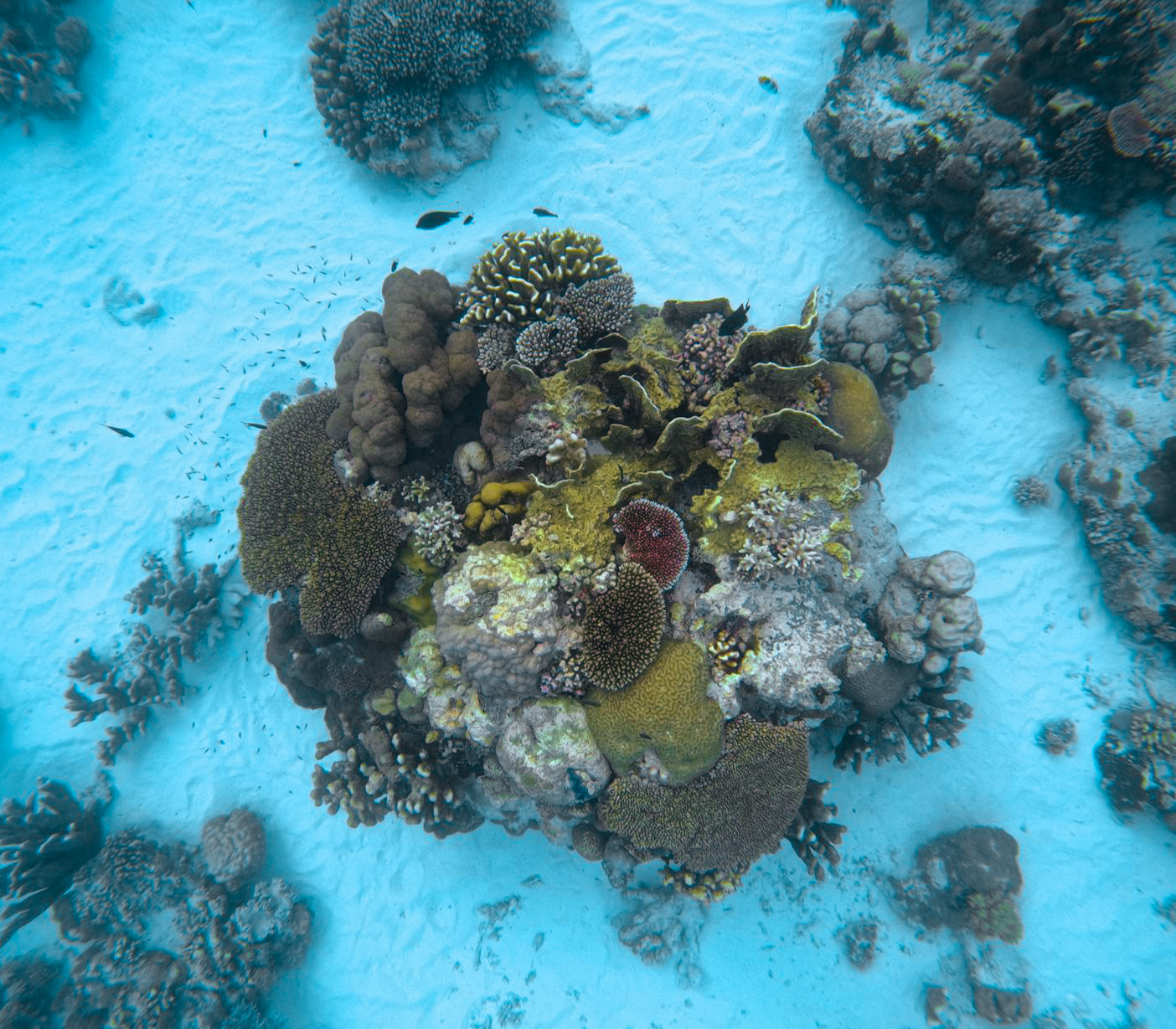
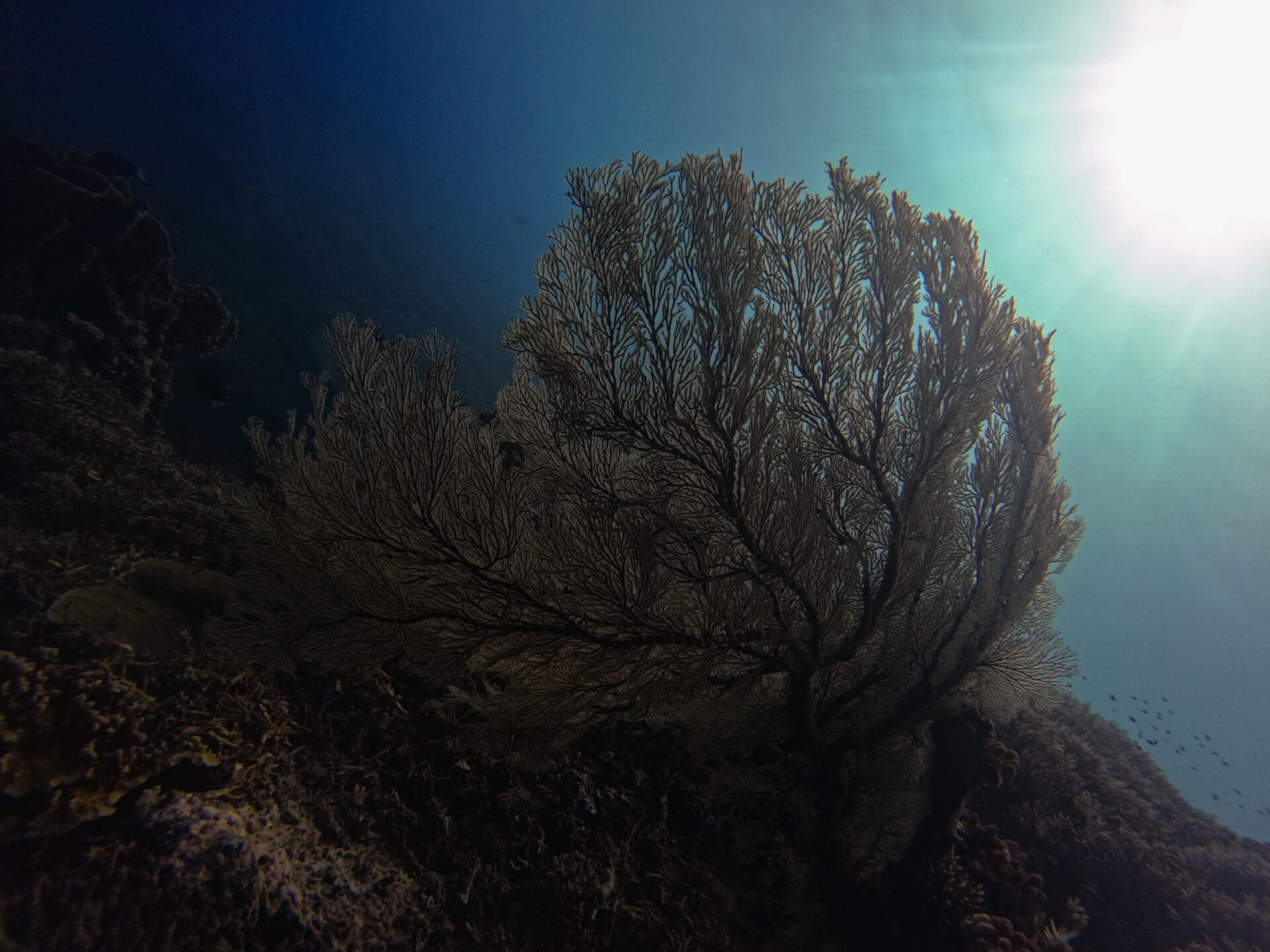
Somehow, its coral has escaped mass heatwaves with minimal bleaching, and both the fish populations and communities employed through ecotourism or wildlife management can reap the rewards.
It’s over dinner the next night that Mama Ranger tells us she’s lost sleep at night thinking about Tubbataha’s future amidst climate change. No matter what park managers do to enforce protection on their reefs, warming oceans are largely out of their control. Yet still she has hope. She fights for hope. And it is our hope, she tells us, that inspires her.
“It’s desperate to live,” she tells us.
The continued strive for that balanced and healthful ecology in accord with the rhythm of nature can help keep the reef alive. By protecting fragile ecosystems, the fish that feed so many communities can be restored to abundance. And by learning from the mistakes of early ecotourism, we can evolve in our relationship with the marine environment and the life it holds while we learn to join in with nature’s rhythm.

Printed editions
Current issue
Back issues

Enjoy so much more from Oceanographic Magazine by becoming a subscriber.
A range of subscription options are available.
