Paddling with porpoise: A journey of 1,000 miles
It was in Sean's bleakest moment of depression that the beauty of the Baja Peninsula in Mexico reached out to him like a lifeline to another world, one in which he could give back to the environment he had this far taken for granted. Chance for a new life, in which he could focus his energy on rescuing Mexico's most endangered species. And it all started with a paddle.
The swells were coming at me from both directions and all at once, I found myself at the mercy of the mighty Sea of Cortez. I had paddled over 900 miles at this point. Surely, that had granted me the goo fortune enough to see this trip through? To find success in a strong finish, without any further hiccups? Surely? What I discovered is that here, paddling against the full power of the Sea of Cortex, surety doesn’t exist.
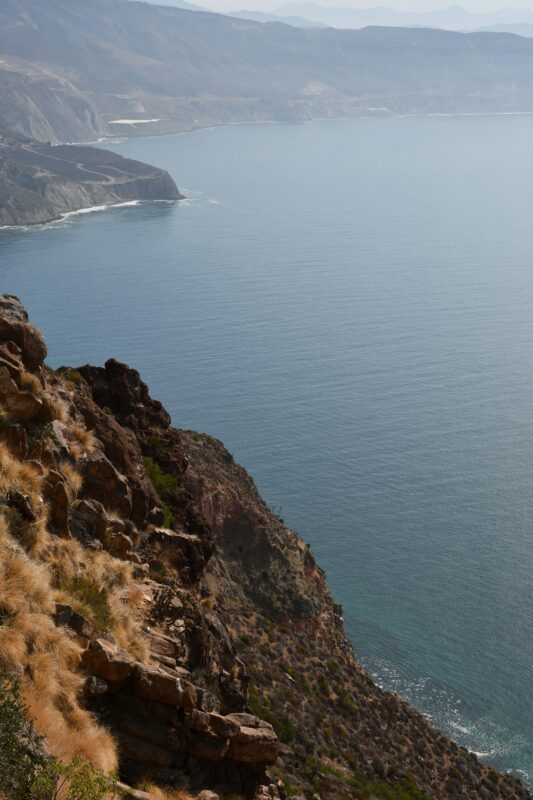
I had the usual waves I got daily from wind swell coming from the north. The north winds of the Sea of Cortez are a force to be reckoned with, and something I joked at before I even started standup paddling. But now three months into the trip, it was just another day. Coincidentally, I was now beginning to see the power of the Pacific Ocean. Swells starting their life down in Antarctica were making their way up and into the Gulf of California, greeting me along a cliff-lined stretch of coast.
The multi-directional wave action was stewing me into a version of ‘pissed off’ that I haven’t experienced in a while. It was one thing to deal with swells and wind from one direction while focusing on my balance, but it was another to have them meet from two separate directions. Adding to my frustration, the mile-long cliff face I was paddling along was reverberating those swells back at me; causing me to spin, dance, and bounce all while doing my best to maintain balance and not capsize.
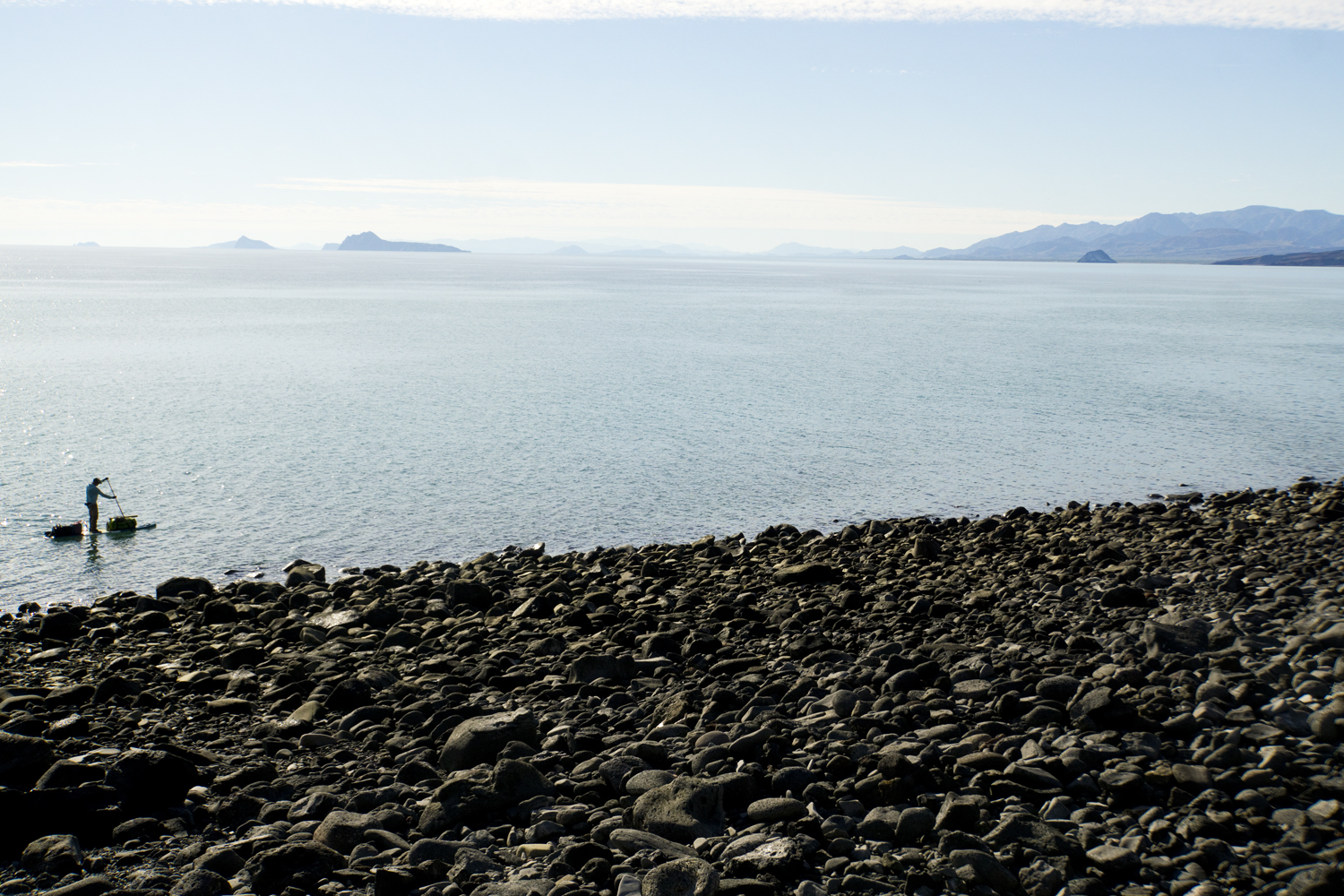
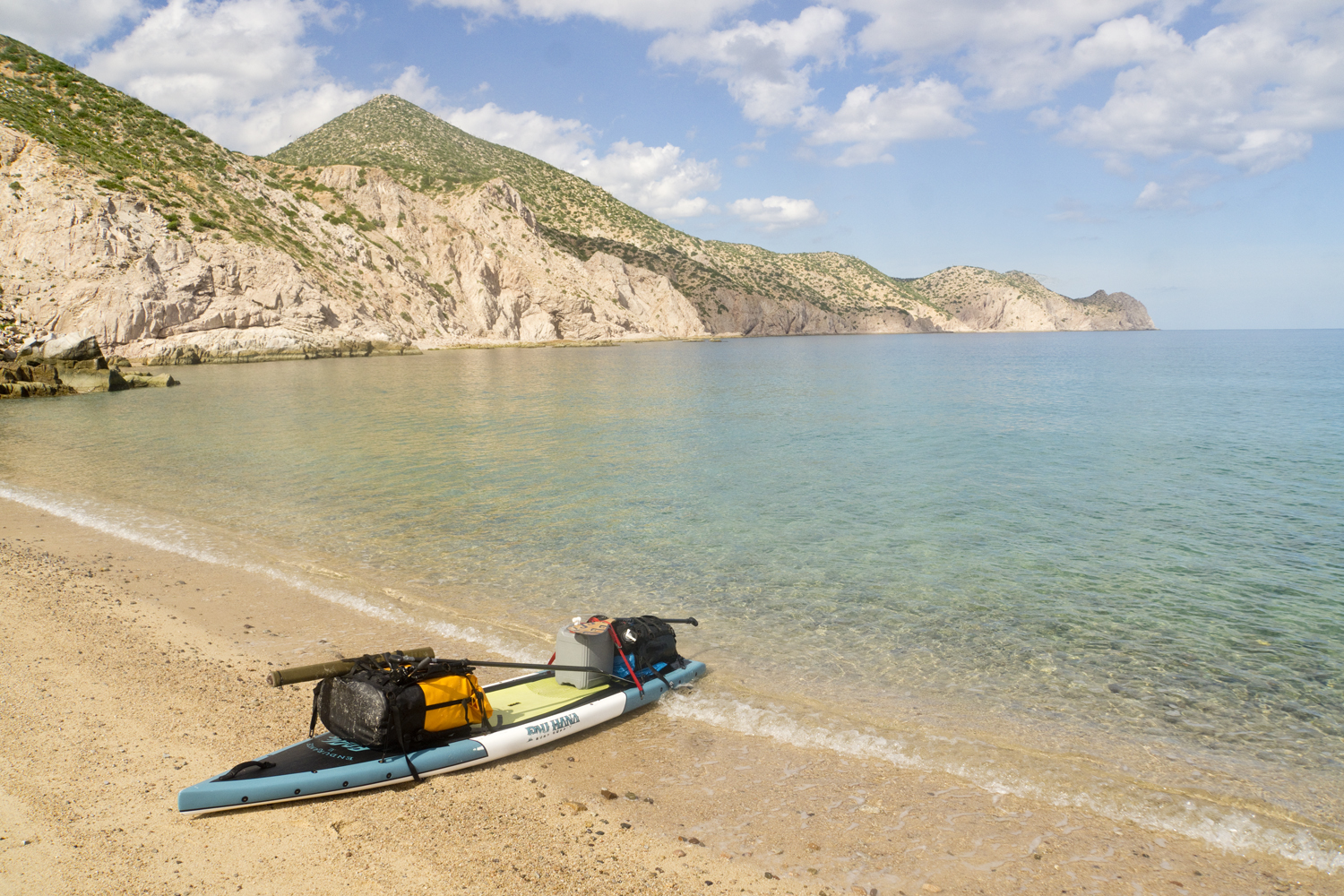
My twelve-foot board was fully loaded – front to back – with two dry bags, five gallons of water, camping gear, and camera equipment. Paddling away, I had to focus as each wave from all directions threatened the operation. I capsized once 800 miles north and screamed underwater as loud as I could without anyone to hear my panic.
When I need to focus on my balance, I stare at the nose of my board. Timing my strokes of the paddle with the crest of a wave was also crucial as if I dug into a paddle while I was in the trough, I would be reaching further than normal and potentially putting me off balance.
With my intended gaze at the nose of my board and turquoise blue water slightly churned from the swells, my eyes caught the swirl of a large school of fish directly underneath me. Well over one hundred fish circling in unison.
Other features
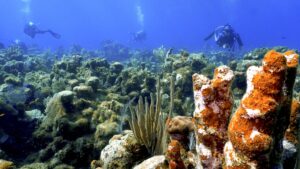
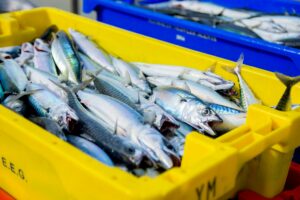
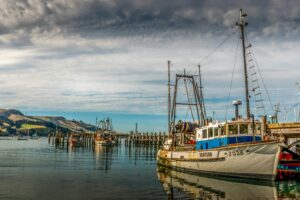
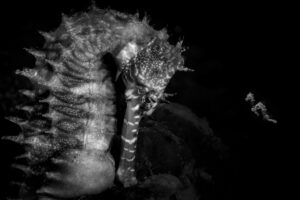
It was a beautiful sight and one that is praised given the location of where I was, in a marine protected area. I was admiring the beautiful silver and wonderful distraction that they were, when out of my periphery, something bigger and darker caught my eye.
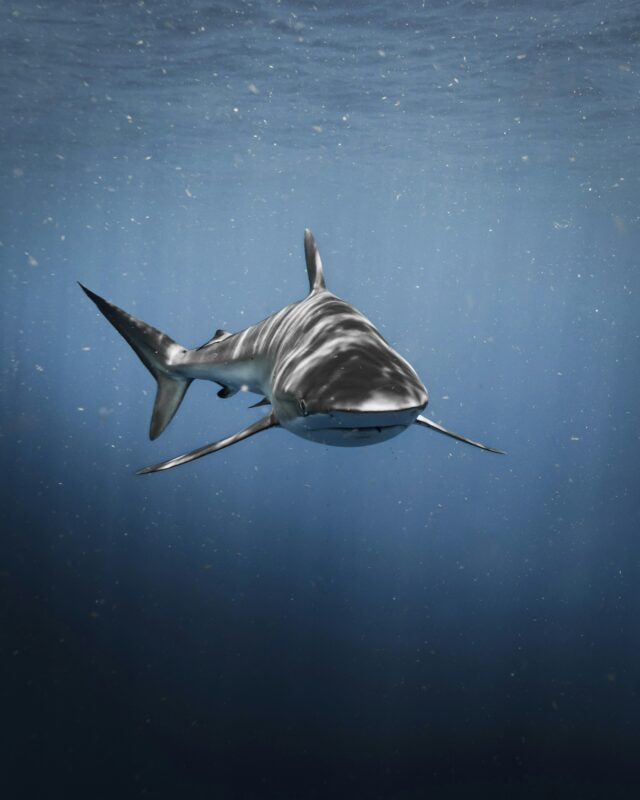
At first I didn’t want to look in case it simply – as with many times on my 123-day paddle down this peninsula – turned out to be a rock. I also didn’t want to stray from my focus, as I was certainly in the depths of a “no fall zone.” Curiosity got the better of me, however, and just as I knew I would, I glanced over to see the shape of a shark, its large tail whipping back and forth; torpedoing towards me. The shark was coming at me with impressive speed and I didn’t know what to do other than brace for impact.
It all unfolded in what could only have been a mere matter of seconds. In one instant, there was a six-foot bull shark swimming directly towards me. The next, and with less than a foot spare before impact, it had turned away. But now, I was locked in quite a different battle: one of balance. Here I was, in the elements, paddling along a cliff-edged coast, with no one around to call for help.
In the 900 miles it took for me to have that shark encounter, never did it occur to me that shark presence was something I’d encounter. As it transpired, I only spotted four sharks in the 1,004.50 miles it took me to standup paddle from San Felipe to Cabo San Lucas, the length of the Baja Peninsula in Mexico.
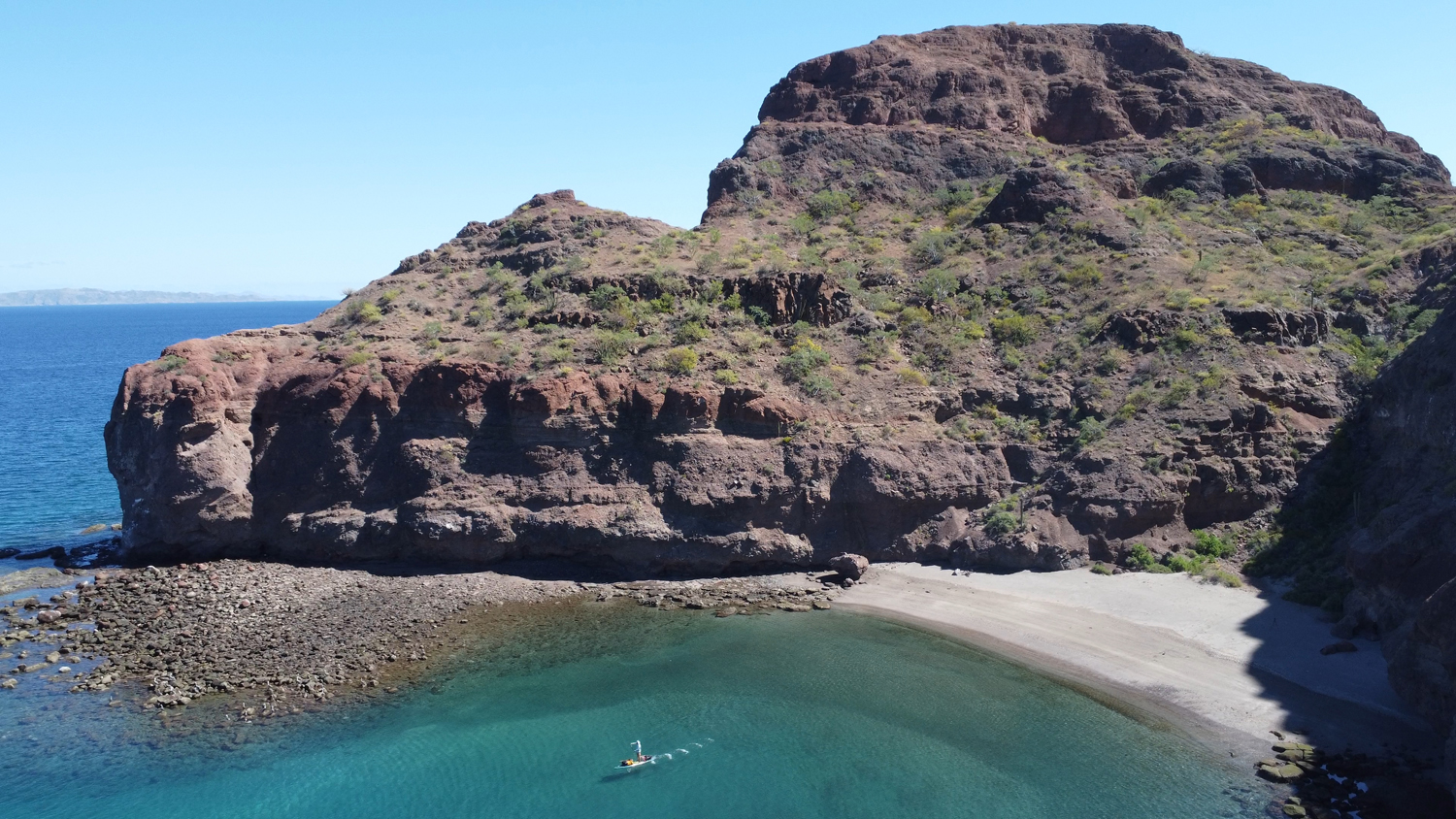
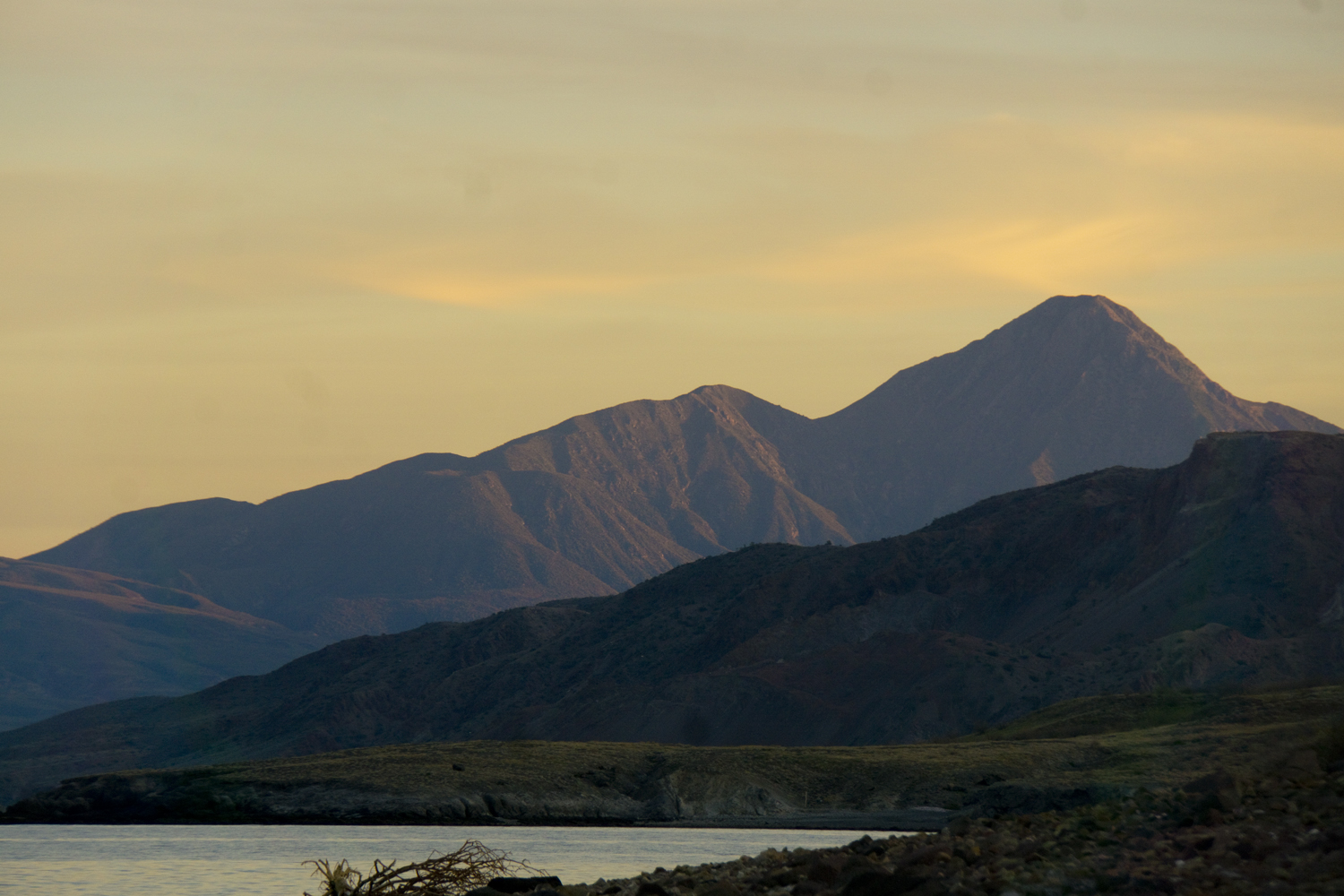
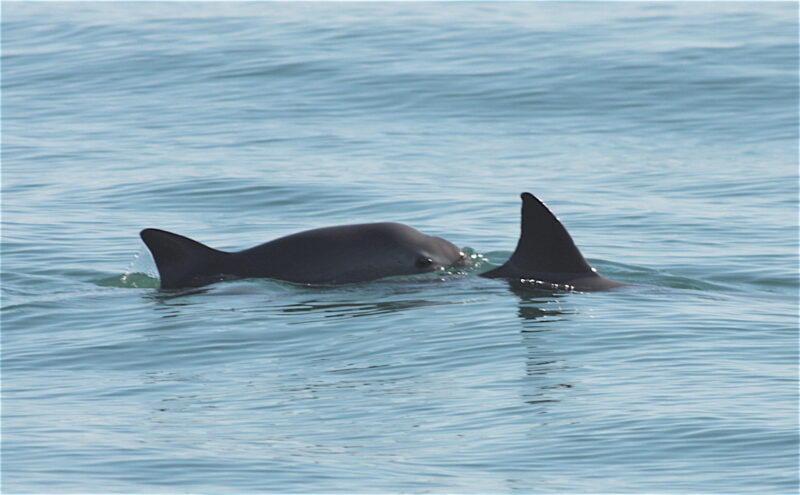
But the trip was never meant to be about sharks, but instead all about the Vaquita Porpoise. For nearly 20 years, much of my youth was spent travelling down the Baja peninsula of Mexico, chasing waves as a surfer up and down the Pacific Coast. For nearly 20 years, I selfishly pursued my passions of surfing remote waves with no one around while I ate tacos, drank beer, and left the comforts and controls of home to be in the solitude of the desert.
But over time, something started to change in my life. I grew depressed, angry, and felt a deep sorrowing hole in my gut that I couldn’t fill even if the perfect swell forecast on the radar presented itself. Even the idea of travelling down to Baja to eat tacos grew stale. And the thought of another night in another cheap motel down that way… well…
There was a deep and hollow void inside of me that sadly could only be filled with outrageous amounts of alcohol. And for years, this was to be the story of my life. I had abandoned Baja, abandoned my love of surfing, and abandoned the love for myself. In one of my darkest moments, having collapsed to near death multiple times, I recall a dream I had of exploring Baja and seeing its natural beauty. I wanted to see the deep blue water of the Sea of Cortez and experience the incredible flora and fauna of its environment – an environment that decades before me, Jacques Cousteau had coined the aquarium of the world. I knew that I needed to stop this degradation of my life and fill it with something other than alcohol.
I woke from that dream with an overwhelming and urgent need to give back. I had travelled a lot to fill my own soul, but on not one of those trips did I ever give back. I felt guilty, awful, hungover, and even depressed that for as long as I could remember, I enjoyed Baja without so much such as caring for its environment. An environment that had given me so much, and with a social media post about the porpoise, being the most endangered marine mammal on the planet, while only living in Baja’s Sea of Cortez, I knew what I needed to do.
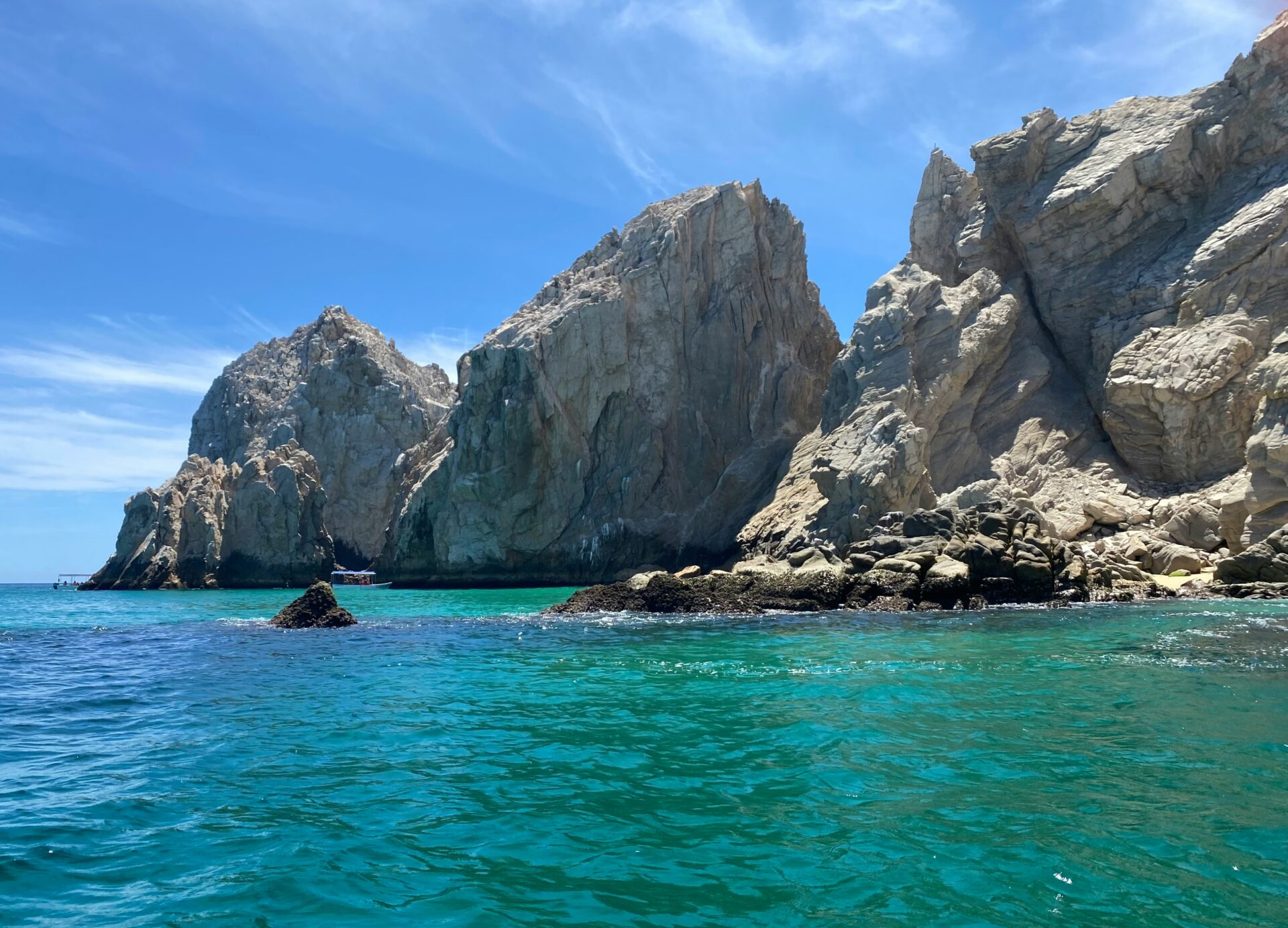
It took nearly two years of constant meditation, paddling, running, and constant eco-therapy before I was finally able to put the bottle down and refocus all my energy towards the things I was truly passionate about. I returned to Baja, loaded up my paddleboard with dry bags and camping gear and began my paddle down the coast. My intention? To write articles, give presentations, and raise awareness anywhere I could about the endangered porpoise. Eventually, I ended up writing a book about the trip and still to this day donate 100% of the funds to conservation.
The trip – and the paddling itself – was, however, speed bump after speed bump. Strong winds had nearly capsized me at almost every turn; huge tidal swings from the upper gulf had me swaying back and forth; while the 6.2 magnitude earthquake that struck in the middle of the night jolted me awake in fear of a tsunami. At one point, I had ran out of food and had to paddle to a remote fish camp – one that turned out to be a shark fin trade fish trade at that – and ask for help.
What this trip turned out to be, was the wildest, most demanding, and most beautiful 123 days of my life. It took all the knowledge I’ve gathered in my life to make each day possible, while testing it to its last stitch of gear and last ounce of patience. The memories that Baja evoked had me on the threshold of relapse several times, but I paddled through. My reward? The bluest of water I had ever seen and an abundance of wildlife I had never known existed.
Since completing my trip, I have partnered with organisations and scientists on the recovery of the Vaquita. There were between six and 12 individuals swimming around when I started the trip. One year on and those numbers have increased to between ten and 15, with a mother and calf being witnessed during the last survey.
People told me the trip was hopeless and that any further conservation of the porpoise was a lost cause. I disagree. If my trip has taught me anything, it’s that humans are capable of a great deal. With just a shift of perspective, I think we can all be capable of a great deal more.

Printed editions
Current issue
Back issues
Enjoy so much more from Oceanographic Magazine by becoming a subscriber.
A range of subscription options are available.
