Poison in the wake: When shipping plastic escapes justice
In this special report for Oceanographic Magazine, Luke McMillan investigates the X-Press Pearl disaster and the poison pollution of plastic it has left in its wake not only for the Sri Lankans cleaning up after it every day, but the biodiversity that has suffered because of it.
Warning; This feature contains graphic imagery.
In 2021, a cargo ship caught fire off Sri Lanka’s coast, spilling hundreds of tonnes of hazardous chemicals and plastic into the sea. The owners expressed regret and offered cooperation but stopped short of admitting legal liability. This wasn’t an oversight. It was strategy. Maritime law protected them, and they knew it.
One ship burned, but the system was already on fire.
According to black box transcripts obtained and analysed by Watershed Investigations, the captain of the X-Press Pearl, Vitaly Tyutkalo, raised the alarm days after leaving Dubai. A container of nitric acid was leaking. The crew activated fire pumps. Orange vapours trailed from the base. No port would take it.
Watershed also obtained internal company emails showing repeated requests for help from Tyutkalo to his superiors. He reported the leaking, smoking, nitric acid container on day two of the journey. Ten days later, it caused the fire.
The vessel was refused unloading in both Qatar and India. When it approached Colombo, the Sri Lankan capital, the captain again requested emergency assistance. The request was denied.
“Again. Sorry for disturbing. Yes, we have same problems smoking container, but inside cargo hold too much smoke. Smoke, very chemical, very noisy, very, I don’t know, very poison. Already 10 days and still not stop leakage, still nonstop, smoke on the increase.” – Vitaly Tyutkalo, Ship’s Captain
For nine days, the fumes curled into the sky, unanswered. Then, just after dawn on 20 May, heat met pressure. The deck ruptured. Flames tore through the containers. Tyutkalo screamed into the radio.
“Fire increasing, increasing, increasing on deck… Boom. Boom. Boom.”
The flames were visible from shore. Fishermen turned back. Residents evacuated. By the time the fire was under control, it was too late.
Other features
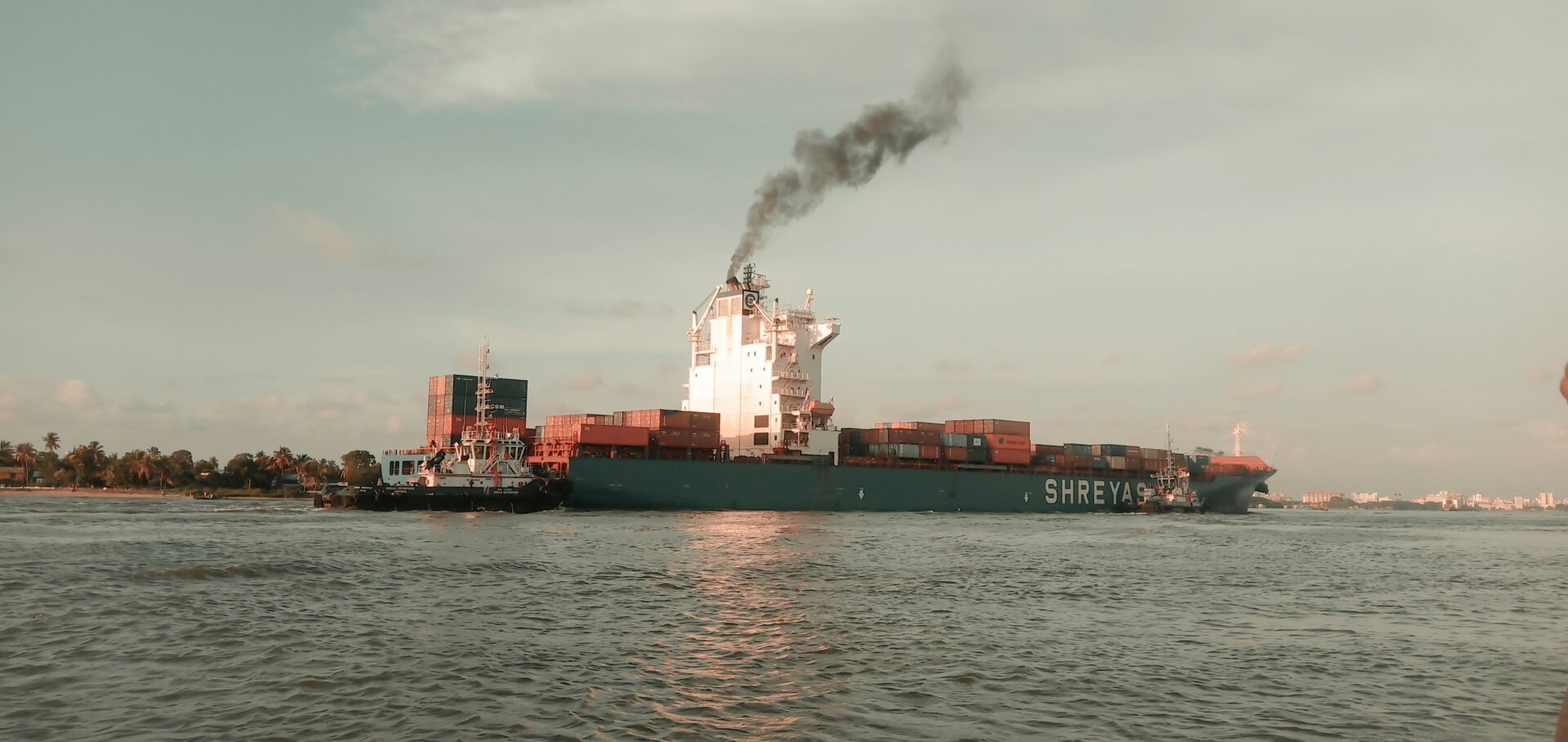
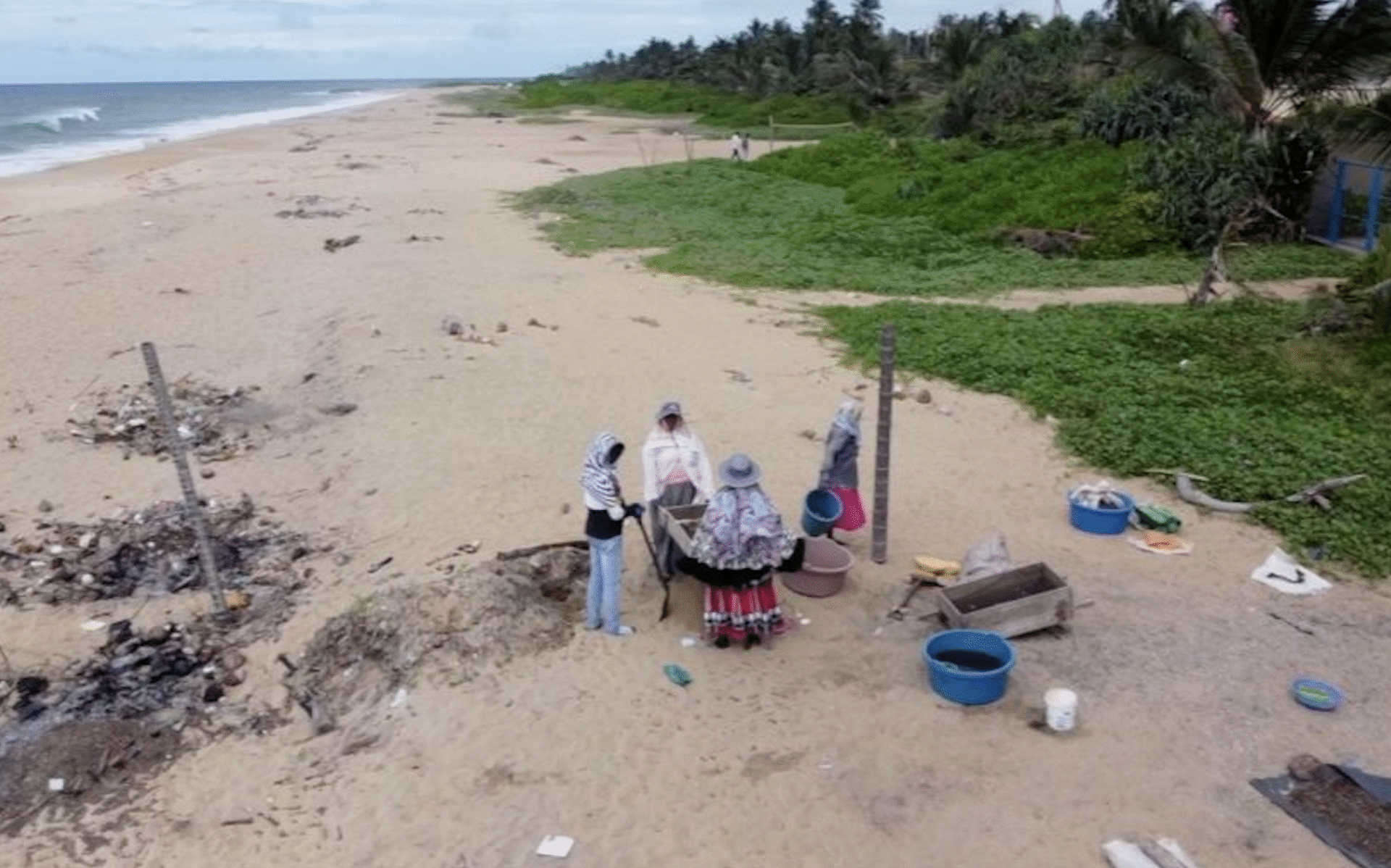
Beaches along Sri Lanka’s western coastline were buried in what locals called “plastic snow.” In some places, the layer was knee-deep. Local women sifted them from the sand.
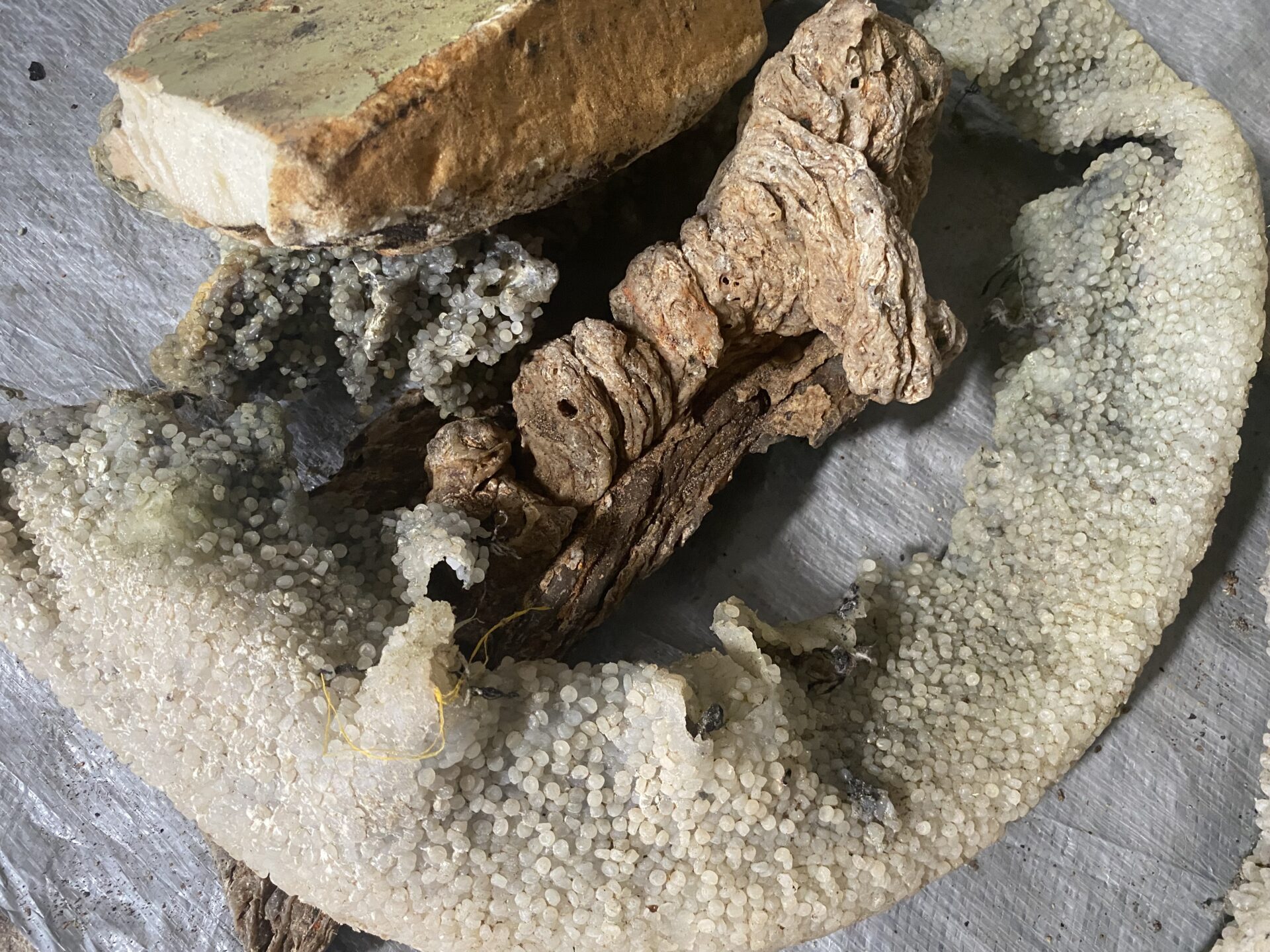
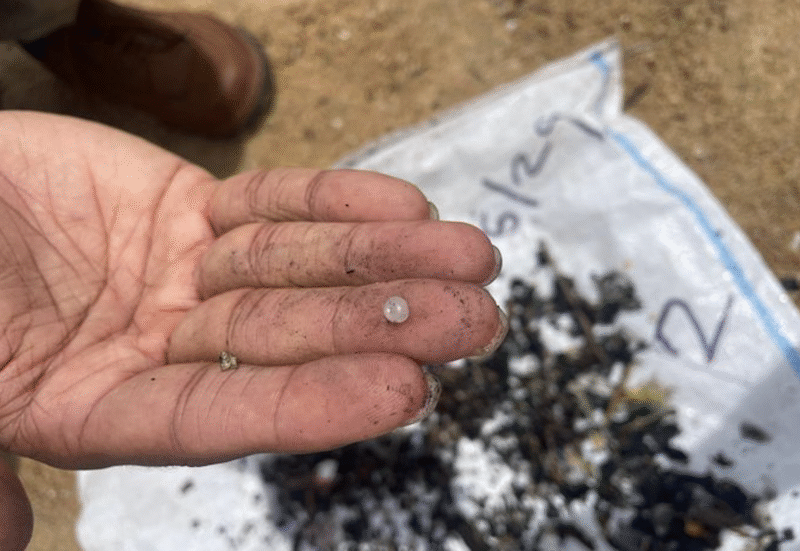
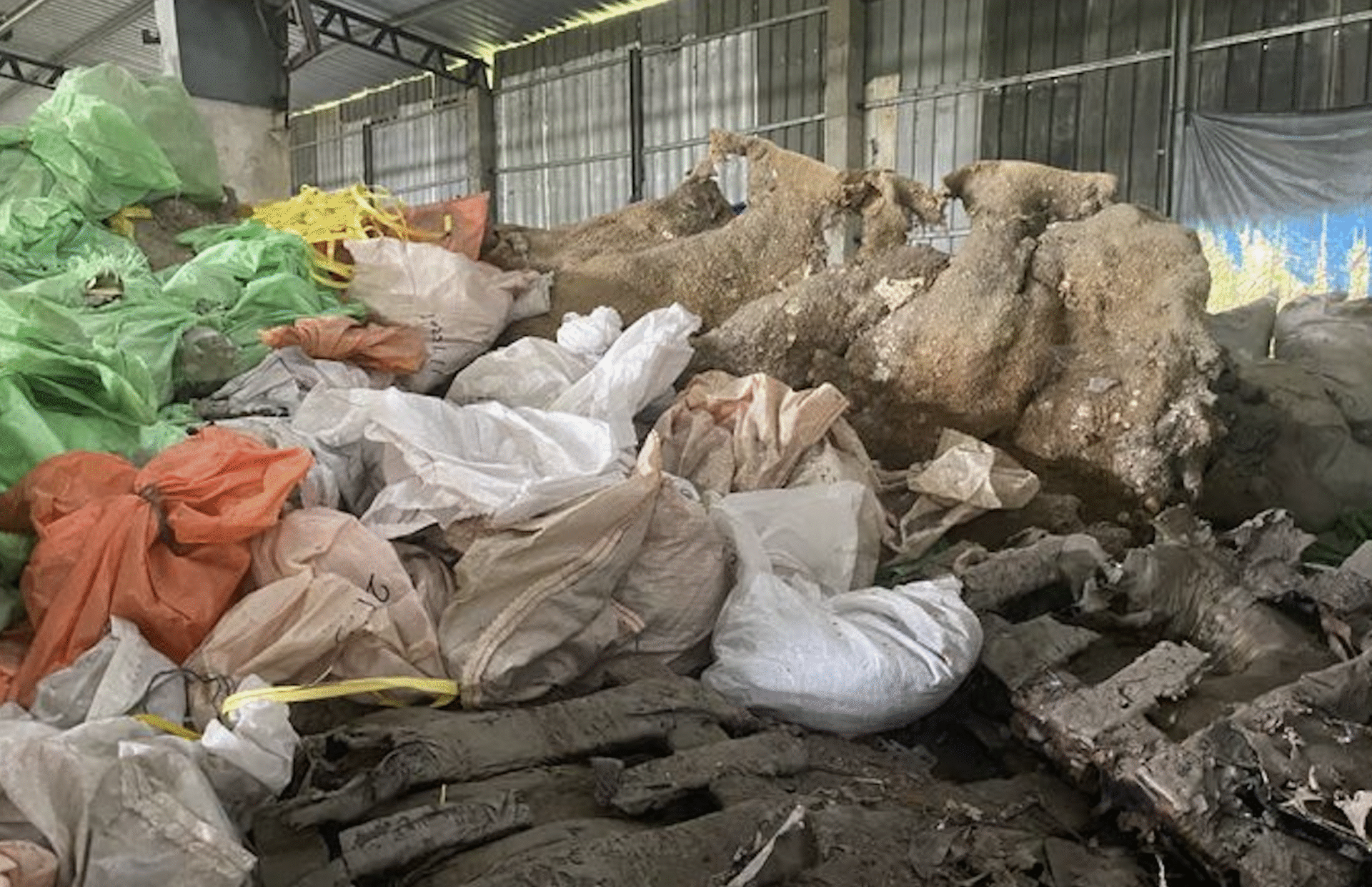
The X-Press Pearl carried 1,600 tonnes of plastic nurdles, that is, 50 billion small pellets of raw plastic used to make most plastic goods. When fire ruptured the containers, many melted and fused into blackened lumps. Others spilled into the ocean.
Four years on, the pellets are still being collected. The same women return day after day, sieving the beach by hand. And tomorrow, they will still be there, the women, the sieves, the plastic that will not go away. The most toxic nurdles are believed to remain adrift.
In collaboration with Watershed Investigations, environmental chemist Dr David Megson analysed pellets collected from Sri Lanka’s coastline over four years. His findings were damning. The nurdles were absorbing and concentrating contaminants from the water.
“The plastic pellets that are still going round appear to be sucking up more pollution from the environment and are becoming more toxic, like a lovely big chemical sponge.” – Dr David Megson, Forensic Chemist
“These pellets don’t just stay toxic, they get worse,” said Dr David Megson. “The burnt ones are especially dangerous. We found they leach arsenic, lead, cadmium, copper, cobalt, and nickel, all toxic to marine life, and potentially to people.”
Subsequent lab tests suggested that the longer these nurdles stay in the environment, the more hazardous they become, acting like sponges for pollutants already present in the sea. These accumulating toxins could pose a long-term risk to marine life and potentially human health.
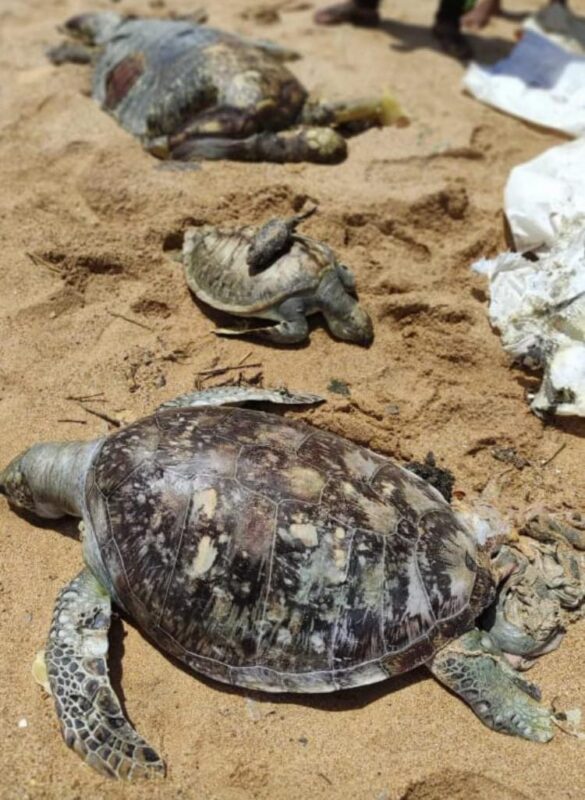
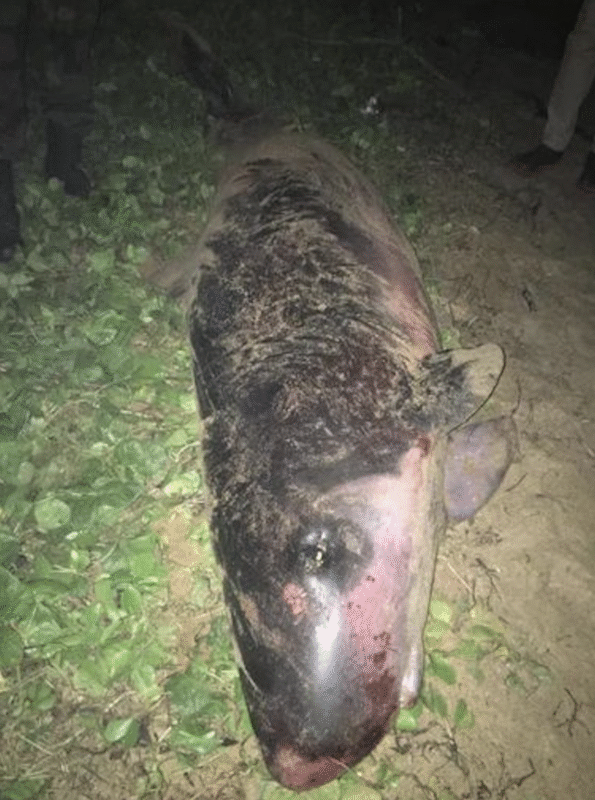
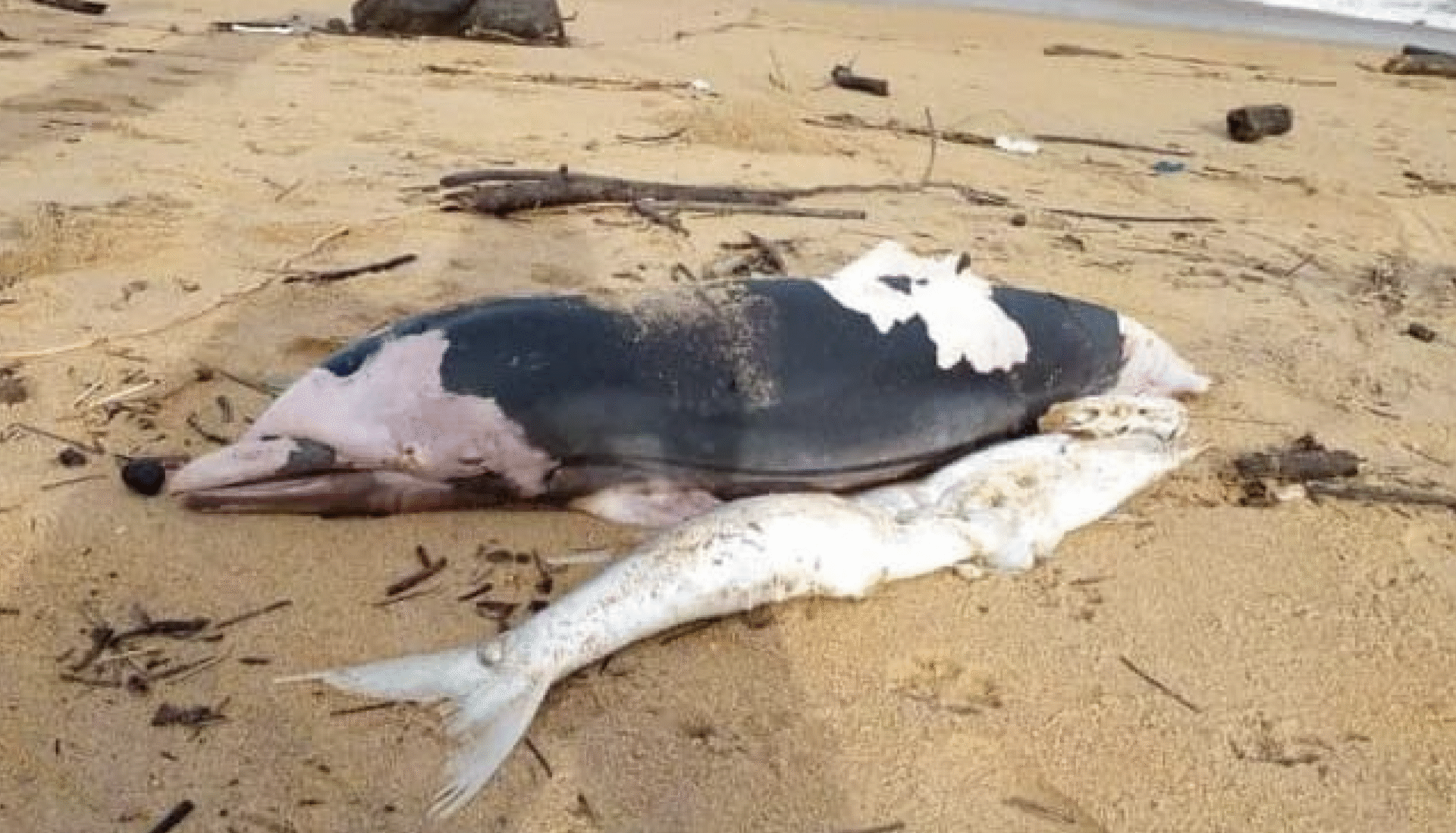
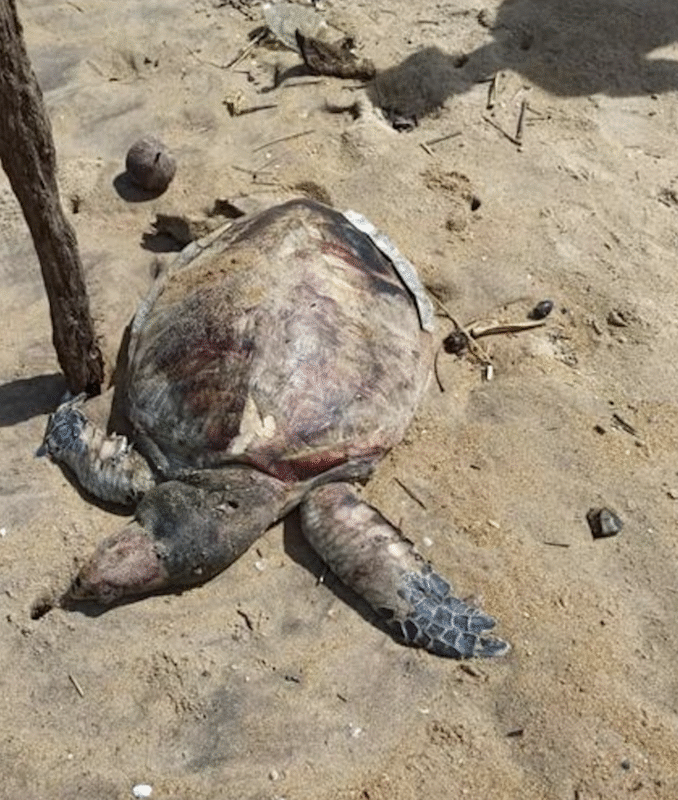
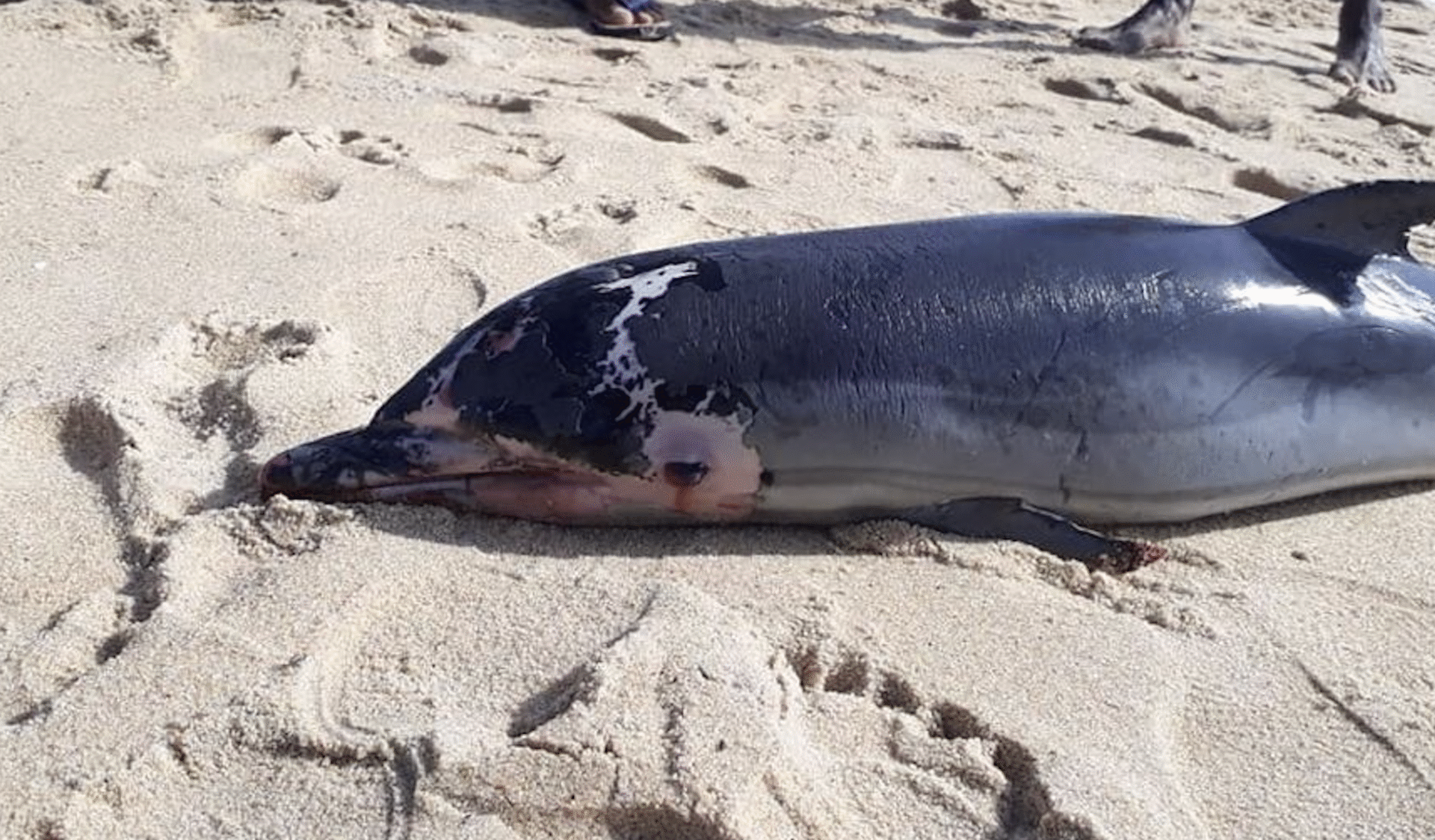
“We saw turtles with red, swollen eyes and peeling skin,” said Katuwawala. “The dolphins were the same. It was like a warzone, the beach turned white with plastic and red with blood. The disaster is not over. I think it’ll persist for a lifetime.”
The ecological consequences remain hard to quantify. The Sri Lankan government has reported increased sea turtle mortality, dead dolphins and pilot whales, seabird carcasses, and fishery collapse in the western region. A comprehensive health study has yet to be undertaken.
Tests on fish caught near the wreck found heavy metals matching those in the X-Press Pearl’s cargo. In some cases, the levels exceeded safe limits. While causation hasn’t been definitively proven, the overlap raises serious concerns for both ecosystem and human health.
Globally, cargo ship fires are rising fast. Allianz Safety & Shipping Reviews confirm a clear trend: 174 shipboard fires were reported in 2018, rising to 209 in 2022, the highest in a decade (source: Allianz, 2023). In 2023, fires dipped slightly to 205. Many involved container ships, ro-ro ferries, and car carriers, vessel types vulnerable to internal combustion and battery-related fires.
A major cause: hazardous and mis-declared cargo. Lithium-ion batteries now rival charcoal as leading causes of onboard combustion. Gard and GCaptain reported in 2020 that a cargo-related fire occurred every 10 days. By 2024, 250 ship fires were recorded globally, a new high (Allianz, 2025).
In June 2025, another cargo ship caught fire. The Morning Midas, a 600-foot car carrier flagged in Liberia, was carrying 3,000 vehicles, including over 700 electric and hybrid models, from China to Mexico. The fire broke out on 3 June, about 300 miles southwest of Adak Island, Alaska. A plume of smoke rose from the EV deck. All 22 crew members were rescued. The ship remained adrift.
On 24 June, the Morning Midas sank in waters 5,000 metres deep. It now rests on the seafloor with lithium batteries, thousands of submerged vehicles, and unknown quantities of fuel.
In 2023, a similar freighter, the MV Fremantle Highway, burned for over a week, with 3,000 vehicles on board. One crew member died. A Dutch safety board later warned of “inadequate fire response capacity” for battery-related cargo.
These are not isolated accidents. They are warnings.
The X-Press Pearl disaster didn’t happen in isolation. It unfolded within a global shipping system built to obscure responsibility, deflect blame, and shield those at the top from consequence.
More than 70% of the world’s merchant ships are registered under “open registries”, countries like Panama, Liberia, and the Marshall Islands that offer tax breaks, weak oversight, and legal secrecy. Even ships registered elsewhere, like the Singaporean-flagged X-Press Pearl, operate under the same fragmented system.
Ports can turn ships away, and they did. Insurers cap liability, and they did. The International Maritime Organisation (IMO) sets rules but doesn’t enforce them. That’s how it played out. Qatar said no. India said no. Sri Lanka said yes, too late.
Shipowners are shielded by a web of liability insurance. Payouts are capped by outdated treaties, often amounting to less than the cost of replacing the ship. The X-Press Pearl’s cleanup is estimated at over $6 billion. The actual payout will be a fraction of that.
Some claims are quietly paid. Others drag on. Few reach court. Fewer deliver justice.
The IMO has no investigative arm, no enforcement division, and no authority to hold violators accountable. Its rules are widely adopted, rarely enforced, and never retroactive.
I asked the IMO whether ports can still refuse dangerous ships, whether 1970s liability caps still apply, and who speaks for poisoned nations. At the time of publication, no reply. No global shipping court. No ocean crimes tribunal. No independent disaster board. Just silence.
Shipping is also largely exempt from the Paris Agreement and many pollution treaties. While the International Maritime Organization has adopted a greenhouse gas reduction strategy, critics argue it remains weak, non-binding, and decades behind the pace of climate science. Shipping remains one of the most polluting industries, and among the least accountable.What this means is simple. Ships can carry hazardous waste through some of the world’s most biodiverse waters, and if something goes wrong, the burden falls on coastal communities, not carriers.
It’s a system optimised for profit, not safety. For secrecy, not justice.
“With the volume of shipping that we have across the world and with the standards for the shipping fleet that’s moving all this material, I think we should expect regular occurrences like the X-Press Pearl.” — Ian MacDonald, Professor of Oceanography, Florida State University
In Mauritius, the Wakashio spill. In Lebanon, deadly port fires. And in Sri Lanka, women with sieves, still gathering poison from the sea.
“The total damage we calculated as an interim number as 6 billion US dollars.” – Professor Prasanthi Gunawardhana, Environmental Economist
For every $1,000 in damage, the shipping company has paid less than $2.
An expert committee appointed by the Sri Lankan government estimated the total damage from the X-Press Pearl disaster at $6.4 billion. This includes $4.3 billion in biodiversity losses, $1.1 billion in fisheries and livelihood damage, and hundreds of millions in healthcare, coastal restoration, and long-term cleanup costs. (Source: Pulitzer Center, 2023)
By late 2023, Sri Lanka had received less than $8 million from the ship’s insurers (Maritime Executive, 2023). Even if additional pledged or pending amounts are included, the total recovered is less than 1% of the total damage, far short of the “under 2.5%” figure sometimes cited.
In 2023, a UK court capped the shipowner’s liability at just £20 million, invoking the 1976 Convention on Limitation of Liability for Maritime Claims, a treaty that allows shipping companies to limit payouts based on the weight of the vessel, not the extent of the damage. Legal experts say Sri Lanka’s appeal in Singapore has slim prospects (Maritime Executive, Pulitzer Center).
In 2025, Sri Lanka’s Supreme Court ordered X-Press Feeders to pay $1 billion for long-term damage. But with the cap still in place and the company headquartered in Singapore, the ruling may be more symbolic than enforceable.
Professor Prasanthi Gunawardena estimated that as many as 70 people may die prematurely due to dioxins and furans released from the fire – compounds she says were “added to the atmosphere in large quantities.”
This is a system working exactly as designed, to protect polluters and abandon victims.
“We think they don’t give enough money to recover the damage they have done to our nature and to the other people.” – Dr. Ravindra Kariyawasam, Ministry Advisor.
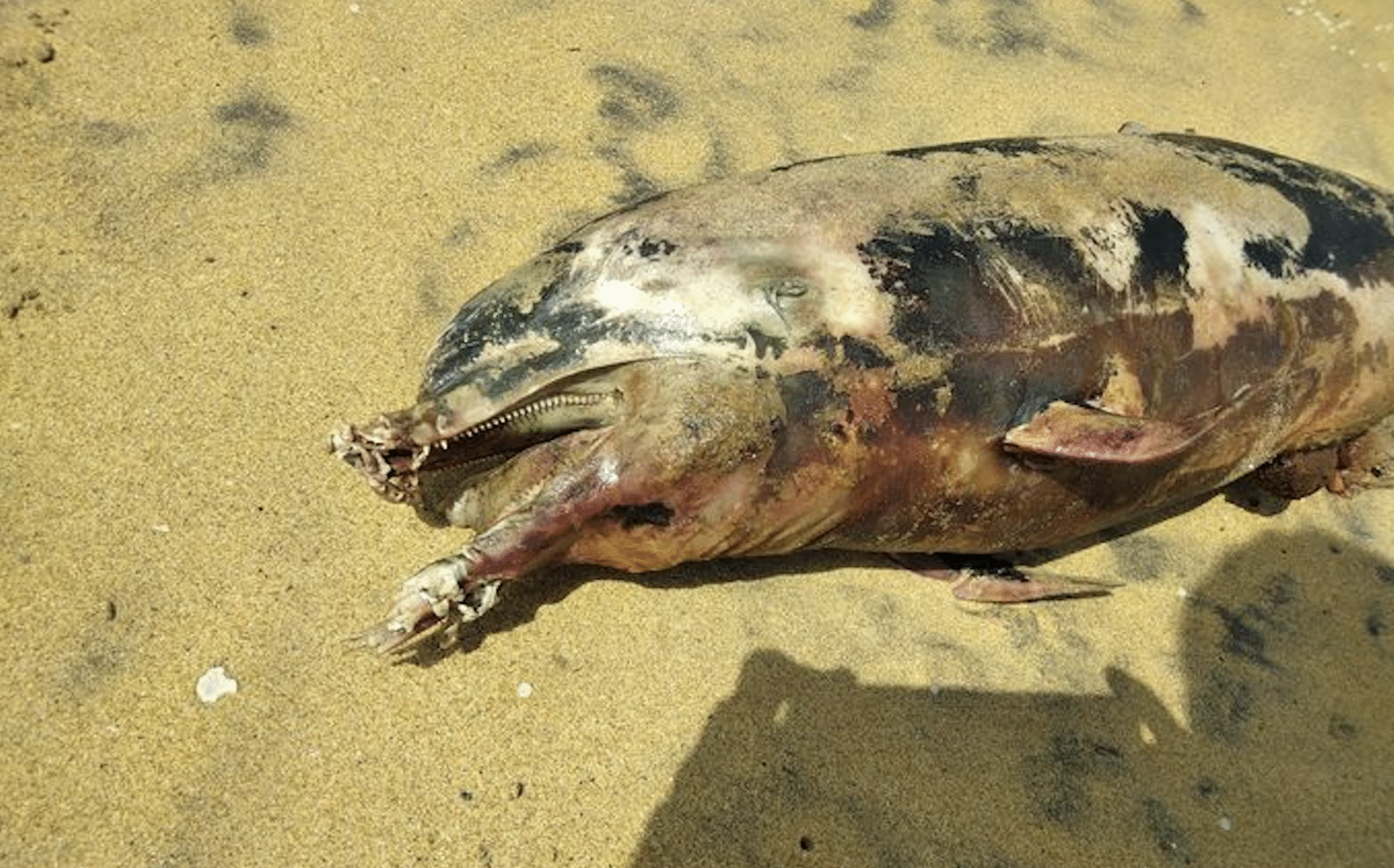
Parts of the X-Press Pearl still lie on the seafloor off Sri Lanka. The ship broke in two; while some wreckage was removed, debris and cargo remain. Microplastics have entered fish, and toxic residues contaminate nearby waters. Heavy metals, nitric acid remnants, and plastic nurdles continue to wash ashore. Fisheries haven’t recovered. It didn’t sink into silence. It sank into people’s lungs, their nets, their daily lives.
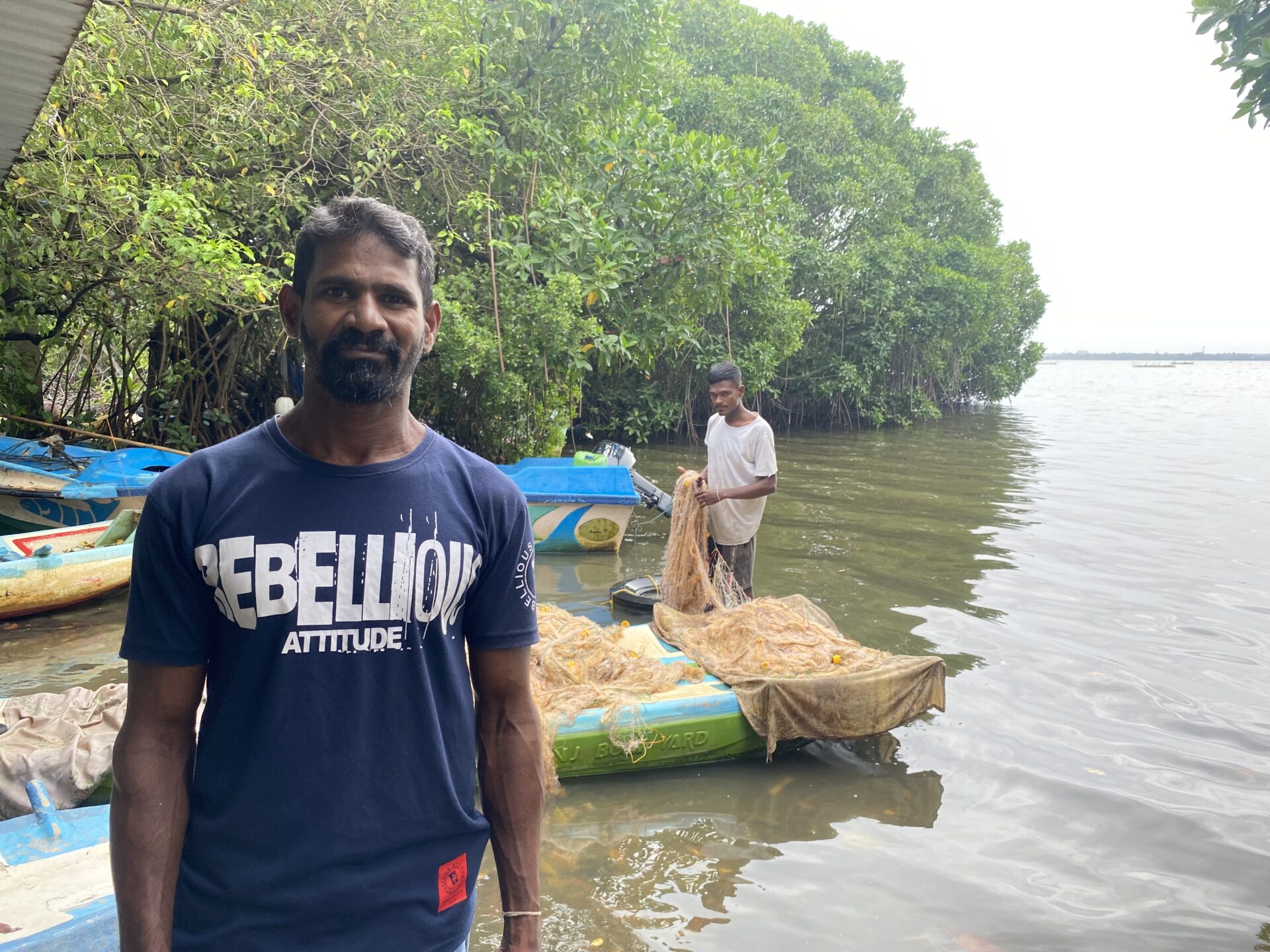
Jude Celanta, a fisherman near Negombo, remembers the disaster clearly: “I saw a huge ball of fire coming out of the ship, and then the beach was covered with oil, dead turtles and shipping containers. I kind of felt it was the end of the world.”
“There’s no fish since then. We’ve never had the same amount of fish that we used to catch. My son is also considering leaving the country.”
His hands, once calloused from nets, are now idle. His son is applying for a visa to Canada.
I spoke with Leana Hosea, an award-winning environmental journalist of Sri Lankan heritage and founder of Watershed Investigations, who along with the Ocean Reporting Network Fellow, Saroj Pathirana, first obtained and analysed the ship’s black box transcript. Hosea’s reporting, based on leaked documents and chemical testing, helped reveal how the disaster unfolded and why no one stopped it.
“It was one of the worst environmental disasters in the country’s history,” she told me. “Yet I felt it didn’t get the coverage it deserved, because it happened during COVID, and because it happened to a small developing country. With several ongoing compensation cases, there are the legal challenges and the difficulties of getting information from the shipping industry.
“There’s now a second influx of nurdles onto Sri Lanka’s coastlines, believed to be from the MSC Elsa 3, a cargo ship which caught fire and sank off the coast of Kerala, India, on May 25, 2025. So the X-Press Pearl disaster is not one of a kind and shipping pollution is not as rare or insignificant as you might think.”
This is not just about Sri Lanka. It is about us. The laws we permit. The seas we sacrifice. A treaty to stop plastic nurdle pollution is being drafted. Nations could mandate better fire detection. Ports could be required to accept hazardous cargo. None of that will happen without pressure.
So long as a ship can sail under one flag, burn under another, and be buried by a third. The ocean pays. The polluters sail on.
The X-Press Pearl will not be the last. It could be the one we finally learn from.
Tomorrow, they will still be there, the women, the sieves, the plastic that will not go away. Tomorrow, even more nurdles will wash ashore.

Printed editions
Current issue
Back issues
Enjoy so much more from Oceanographic Magazine by becoming a subscriber.
A range of subscription options are available.
