Saiko killers: How illegal trawlers almost broke Ghana’s coast
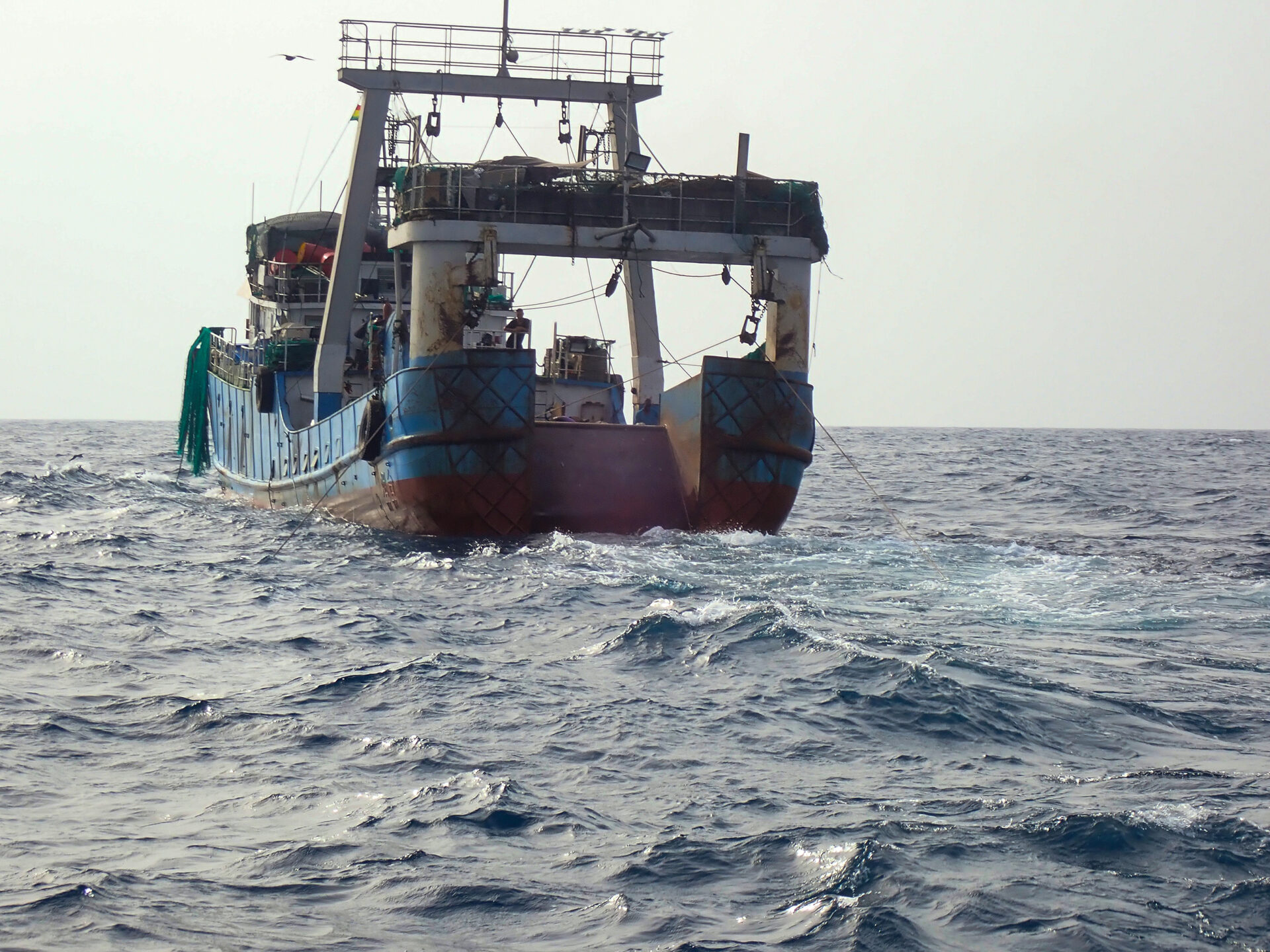
In the 1990s, Chinese trawlers began arriving in Ghanaian waters, threatening marine ecosystems and local communities. Unlike the nets used by Ghanaian artisanal fishers, Chinese industrial vessels dragged weighted nets across the seabed, catching everything in their path.
In the 1990s, Chinese trawlers began arriving in Ghanaian waters, threatening both marine ecosystems and local community networks. Unlike the nets used by Ghanaian artisanal fishers, Chinese industrial vessels dragged weighted nets across the seabed, catching everything in their path.
This included small pelagic fish – which spend most of their life in open water – that had not yet grown to full size, which the trawlers would then dump back into the sea to rot. Ghanaian artisanal fishers, however, began collecting the dead fish from the water’s surface and converting the waste into food.
This continued until trawler operators noticed that the discarded fish were being retrieved by small-scale fishers. An informal trading system soon emerged, with smaller fish exchanged for food, fruit, and livestock brought to the trawlers by local canoes. Over time, Chinese vessels began intentionally targeting small fish such as sardinella and chub mackerel, freezing them into blocks and selling them to Ghanaian fishers for local consumption.
This marked the birth of what became known as saiko fishing, a type of illegal fishing that threatened to become the death knell of Ghana’s small-scale fisheries sector.
By 2021, Ghana had received its second “yellow card” from the European Commission, a formal warning that could lead to a seafood import ban to the EU, largely due to the rapid growth of the saiko trade over preceding decades. By targeting both the small fish consumed by coastal communities and those destined for export, trawlers were driving the collapse of fish populations across the board.
By 2020, almost 100% of sardinella landed was below the legally accepted minimum size, indicating that the fish had no opportunity to mature – and therefore reproduce to sustain the fishery – before being caught.
Other features

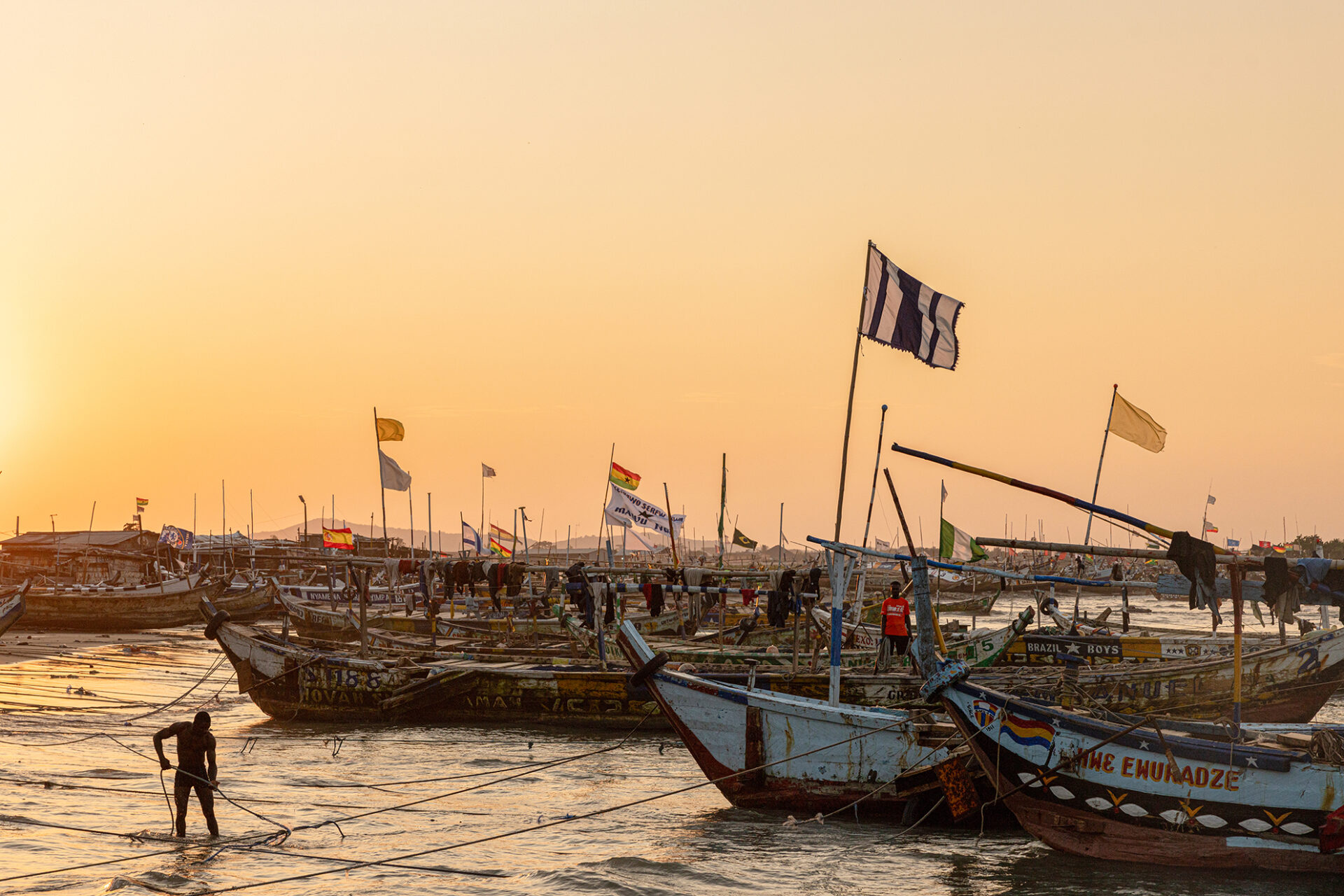
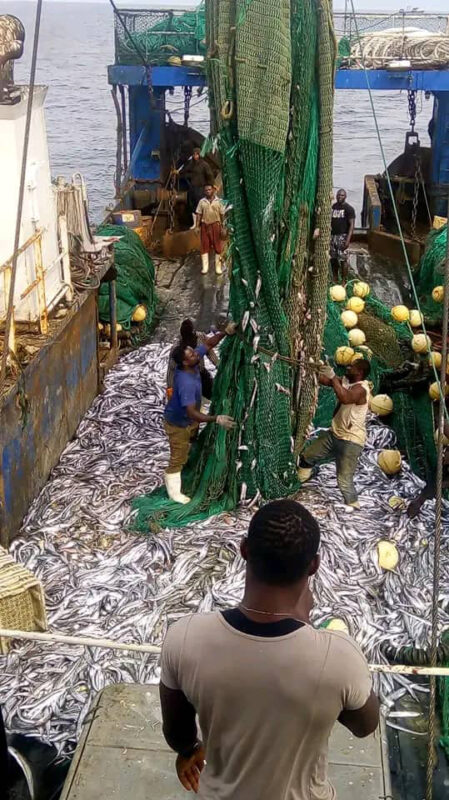
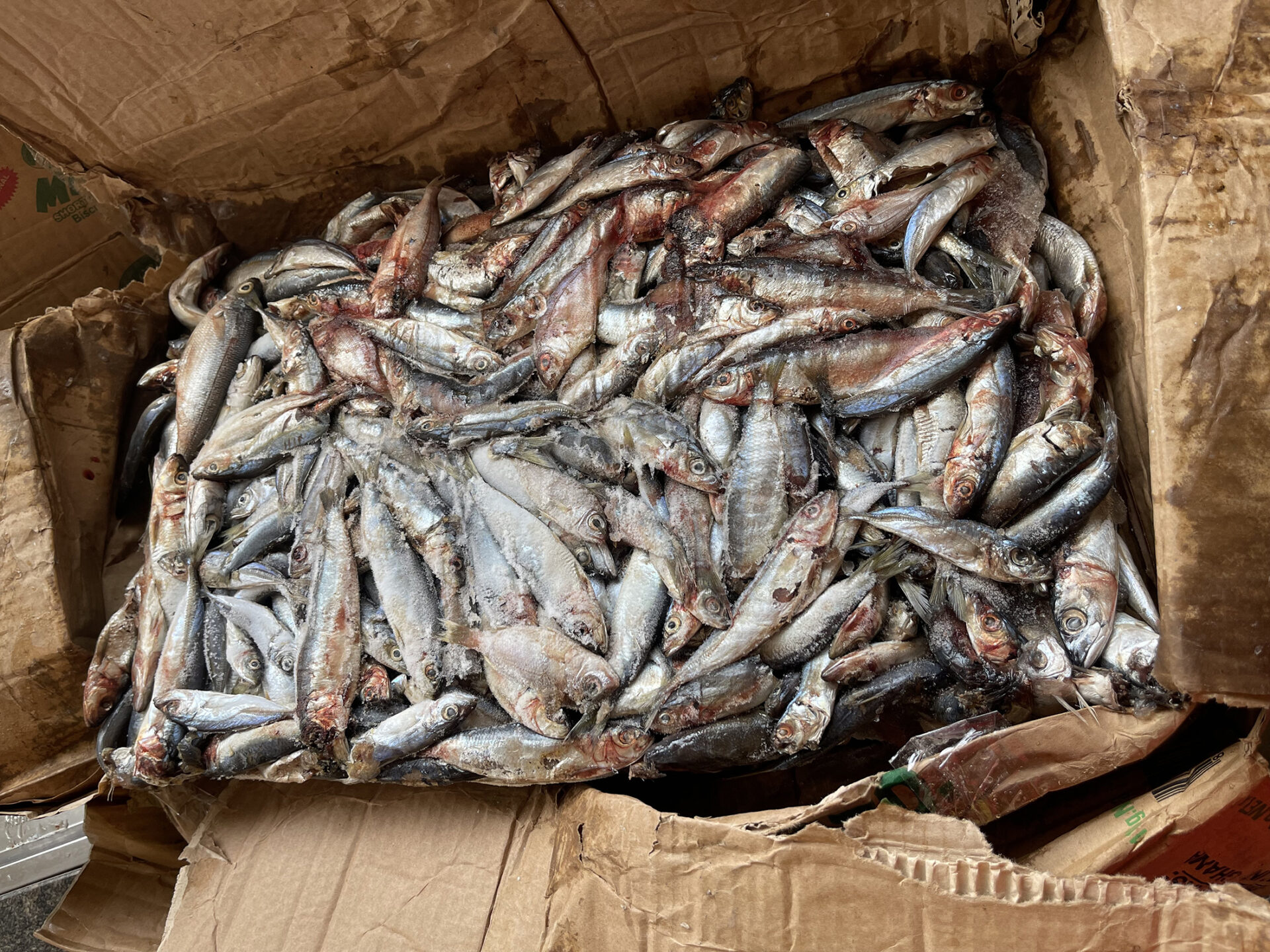
The trade also distorted coastal communities. For the majority of artisanal fishers using canoes, livelihoods were decimated: nets were hauled from the ocean empty, and the fish that were caught continued to shrink in size. For many, the only viable option was to sail out to the trawlers to purchase frozen slabs of the fish they once caught themselves.
Emmanuel Arthur, Secretary to the Chief Fisherman in Apam, told the Environmental Justice Foundation (EJF): “It changed a lot of people’s lifestyles, and their income levels rose high … it had an impact on the entire community. The fish processors who used to buy from the artisanal fishers turned to buying saiko fish since there were no fresh fish available.”
A new EJF report estimates that up to around 60% of fish caught by trawlers are bycatch, either resold to artisanal fishers or dumped at sea. While some community members might have benefited briefly financially from saiko fishing, almost 90% of fishers interviewed by EJF said their incomes had fallen in recent years.
Transformative change, however, should follow the signing of the new Fisheries and Aquaculture Act by President John Dramani Mahama in 2025, which Hon. Emelia Arthur, Minister for Fisheries and Aquaculture, led on.
The legislation has provided the basis for the inshore exclusive zone, the waters reserved for artisanal fishers, to be extended from six nautical miles to 12. This single, decisive move could secure the future of Ghana’s waters if sufficiently implemented, giving marine ecosystems – previously under pressure from industrial fishing – the time and space to recover. As saiko fishing declines, coastal communities are similarly being given a chance to rebuild.
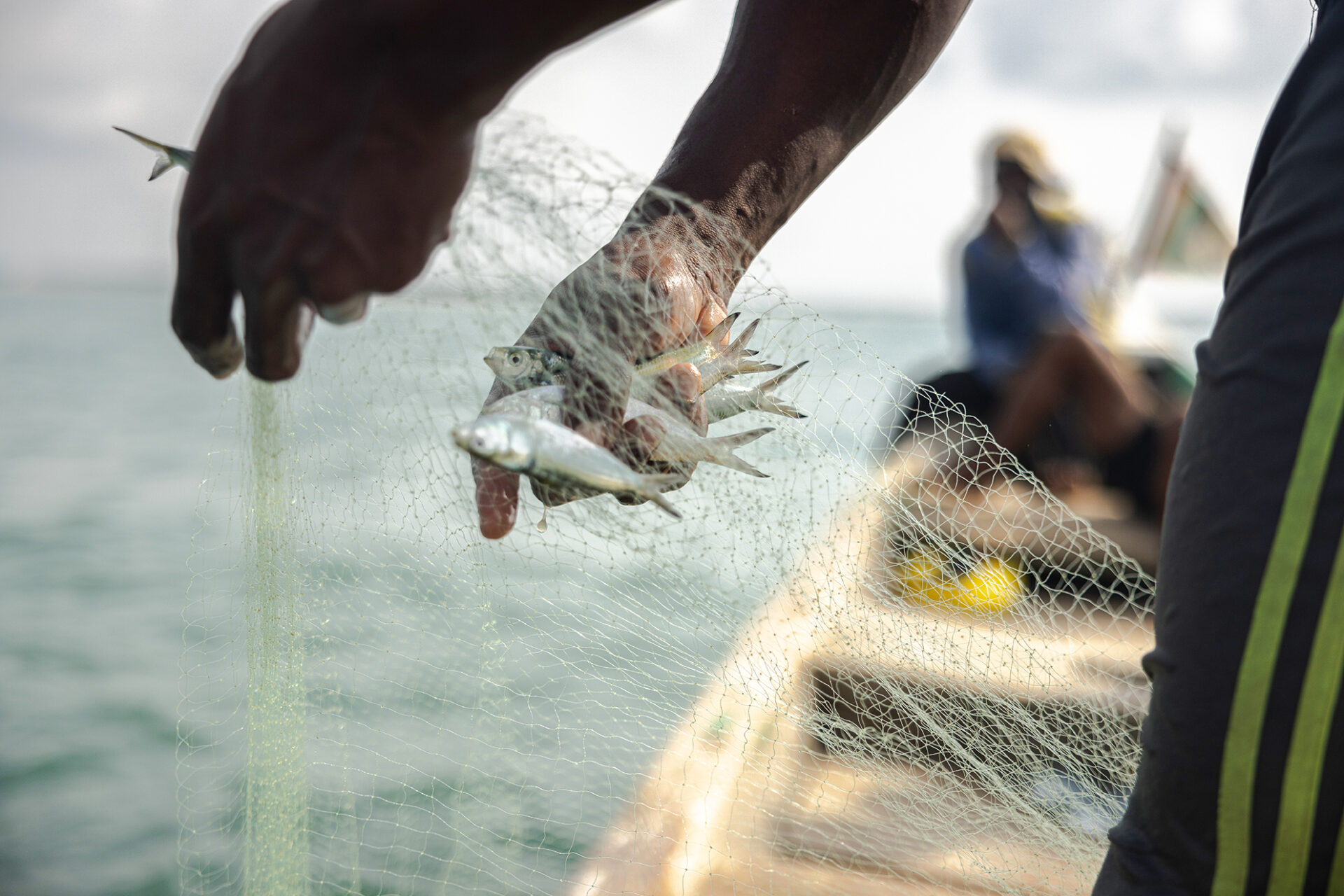
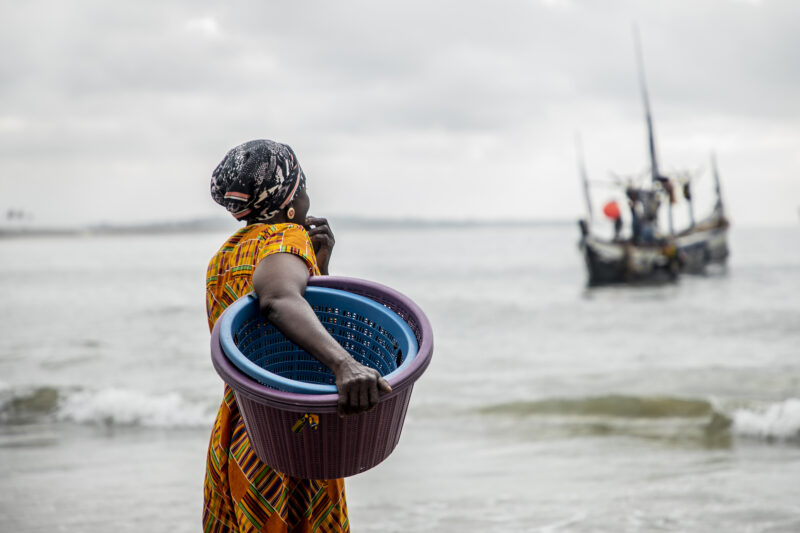
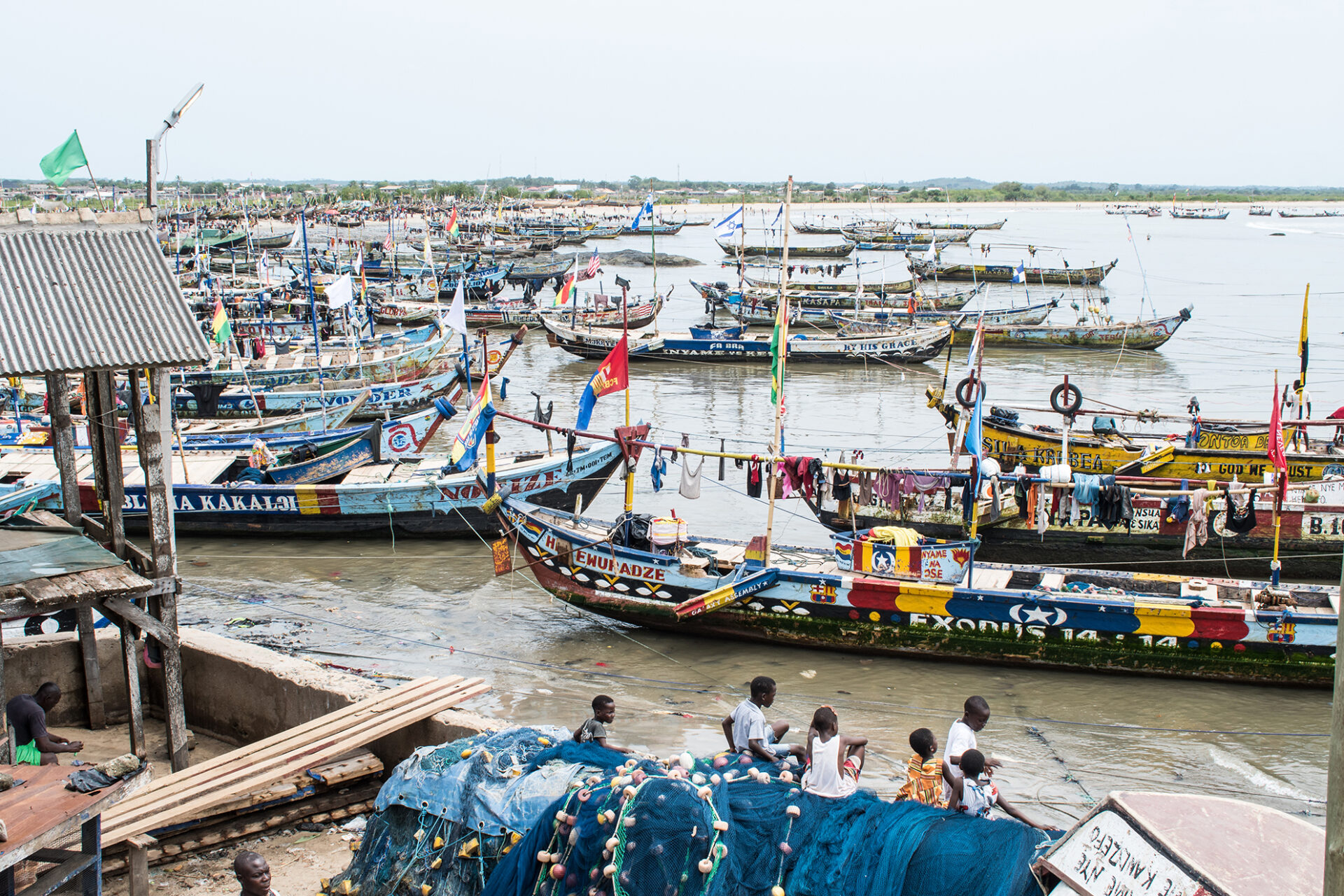
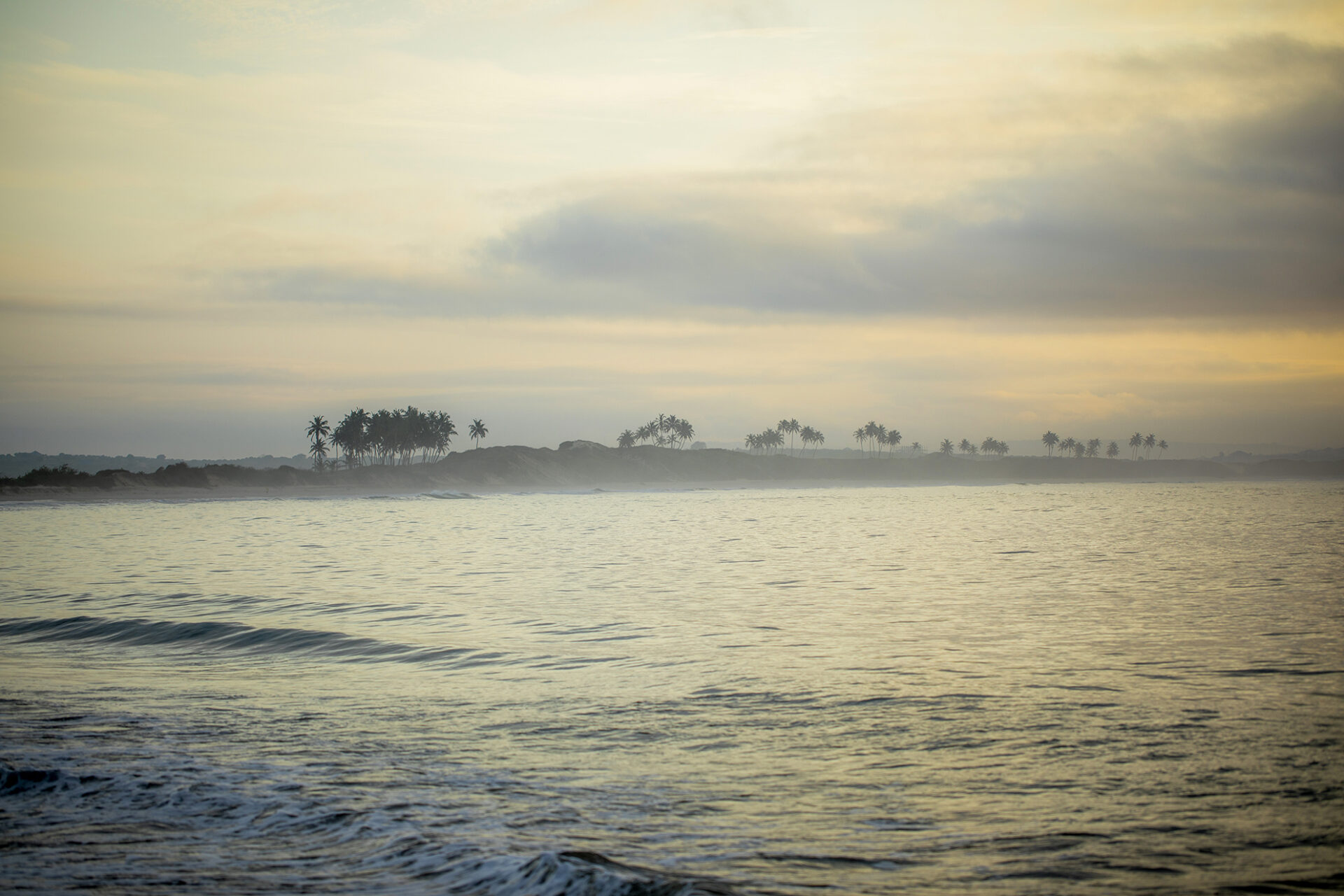
Emmanuel Arthur, Secretary to the Chief Fisherman, shared his advice with EJF, urging that “everyone remain calm and go back to the olden ways of fishing practices our forefathers used … what they used to feed their kids, so that we can all support the ban on saiko … The community can lead normal lives without saiko. They can go about their normal fishing practices without any issues or problems.” While the illegal trade brought short-term gains to a few, Arthur acknowledged that its disappearance would benefit the entire community in the long term.
Despite these positive developments, misconduct among Chinese industrial trawlers persists, likely slowing the recovery of marine ecosystems. As detailed in EJF’s latest report, vessels continue to modify their nets to target small pelagic fish, dump unwanted bycatch back into the ocean, with 86% of crew admitting to doing so, and half of the fish processors in several coastal towns report still buying fish caught and frozen by trawlers. While the trans-shipments at sea have all but stopped, frozen fish slabs continue to be bought from the trawlers at port.
Decisive government action will be critical to ending this impunity. In April 2025, several Chinese trawlers had their licenses suspended for multiple violations, sending a clear message to operators: Continued disregard for Ghanaian law will now have consequences. After years of foreign-owned fleets depleting Ghana’s waters and fish populations, authorities are now pushing back.
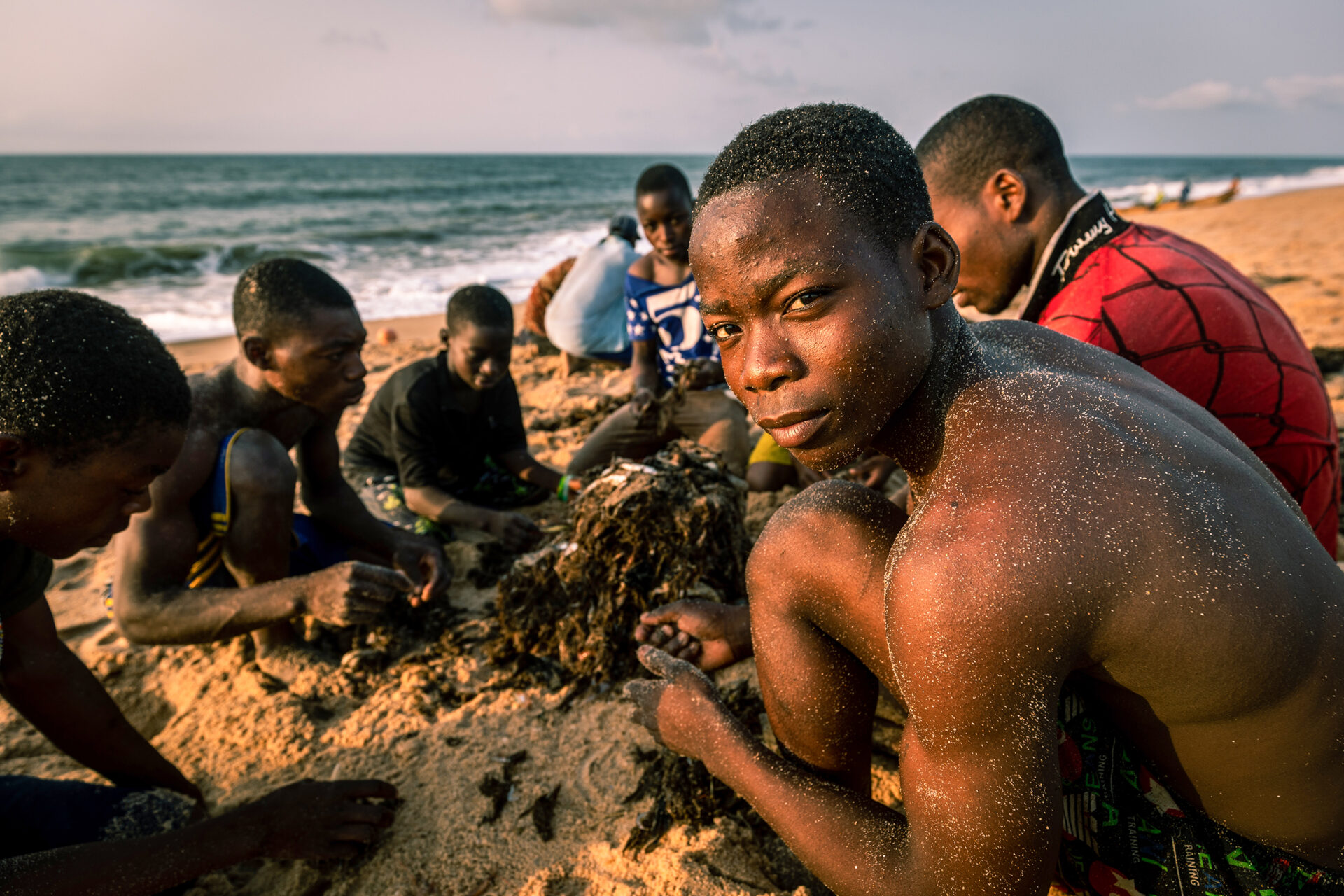
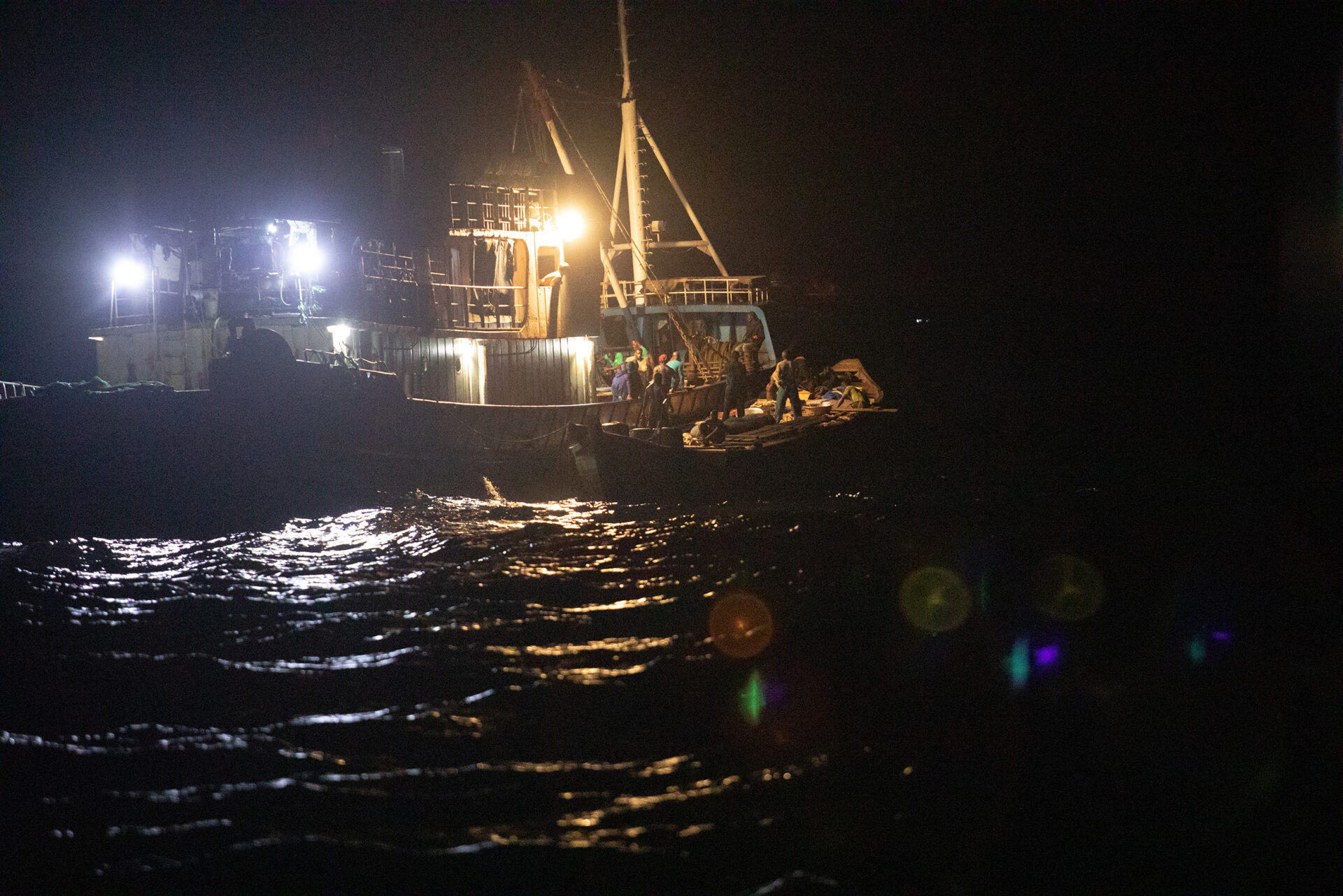
The positive impacts of recent measures, including banning illegal trans-shipments, increasing sanctions, and endorsing the Global Charter for Fisheries Transparency, are already emerging. EJF analysed nearly 70 frozen fish slabs representing more than half of the fishing companies with licenses to operate trawlers and found that, while most fish remained below the minimum landing size, their average size is increasing.
Nevertheless, illegal bycatch and the targeting of undersized small pelagics remain central to the industrial trawl fleet’s profit model, driven by weak regulation, poor enforcement, and sustained demand for saiko fish. This systematic extraction is accelerating the collapse of Ghana’s small pelagic fishery, undermining artisanal livelihoods, raising local fish prices, and deepening inequality across coastal communities. Compounding the damage, a significant share of profits appears to flow to foreign, primarily Chinese, beneficial owners, draining value from Ghana’s economy at a time of mounting social and ecological crisis.
Urgent action is needed to break this cycle and secure a sustainable, equitable future for Ghana’s fisheries. With the reforms introduced under the new Fisheries and Aquaculture Act, the government is already making unprecedented progress. Meaningful, lasting change can now be achieved by pushing for robust enforcement against the trade in illegal bycatch by foreign-owned fleets and maintaining a zero-tolerance approach to the destructive saiko industry.
By enforcing these new regulations and fully implementing the Transparency Charter, Ghana can protect the biodiversity of its coastal waters while making its fisheries deliver far greater benefits for its people. Action now will protect food security and safeguard livelihoods, today and for tomorrow. This same action will set an example for the world in building sustainable, legal and ethical fisheries, offering greatly needed African leadership on a global stage.

Printed editions
Current issue
Back issues



Enjoy so much more from Oceanographic Magazine by becoming a subscriber.
A range of subscription options are available.
