Sea moss sustainable: Growing the future of Saint Lucia
Saint Lucians farmed sea moss since the '80s, but global demand has catalysed the industry. Today, there are hundreds of farms across the Caribbean; more than a third of them run by women, providing a sustainable income for families and reducing reliance on tourism.
March 2020. I remember standing on the beach looking out at the Caribbean Sea, terrified of what would lie ahead. I’d just heard on the news that the world was shutting down, and we didn’t know when it would start back up again.
I thought of Saint Lucia, an island that had become a second home to me and wondered when I would get to return. The Covid-19 pandemic brought an immediate and strict lockdown and Saint Lucia shut down before many other nations. Borders were closed, curfews were in place and – apart from supermarkets and other essential shops – all businesses were shut.
As a young conservationist, I worried what the lockdown would mean for the wildlife I was working to protect, as well as for the communities I was helping to support – communities which, like many living in the Caribbean, largely relied on tourism for their income.
Like the rest of the world, people in Saint Lucia and across the Caribbean feared the unknown, concerned about when this might end and how many lives would be lost. But we also remained hopeful – feeling blessed that we call such a beautiful place home – and we started to innovate.
This is where the sea moss comes in.
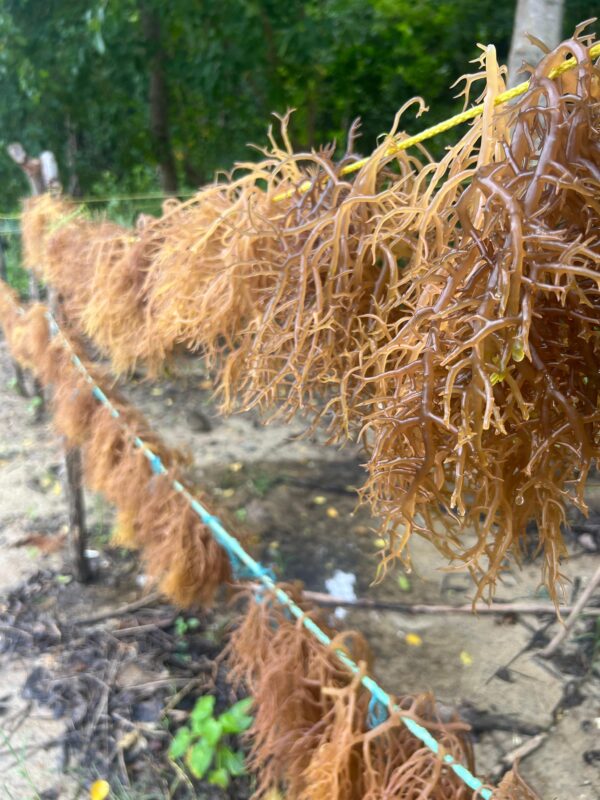
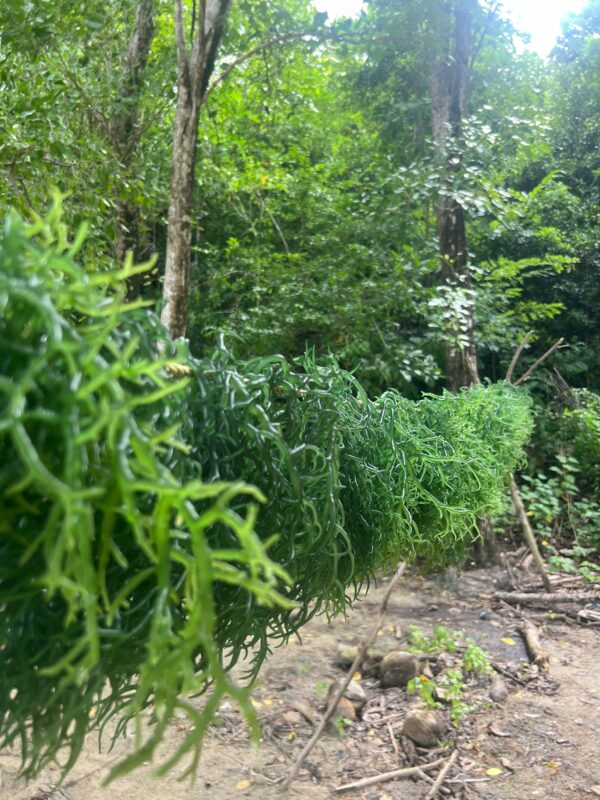
Tourists didn’t first return to Saint Lucia until 2021 and, as we all now know, we were not yet out of the woods. Those people relying on tourism for their livelihoods knew that they needed to start thinking differently. At the same time, a global market was emerging for sea moss – a type of red algae or seaweed that is both edible and nutritious. Sea moss also has a broad range of uses in cosmetic products like lotions, toners and hair gel, and it has become the new ‘superfood’ supplement all due to the density of nutrients it contains.
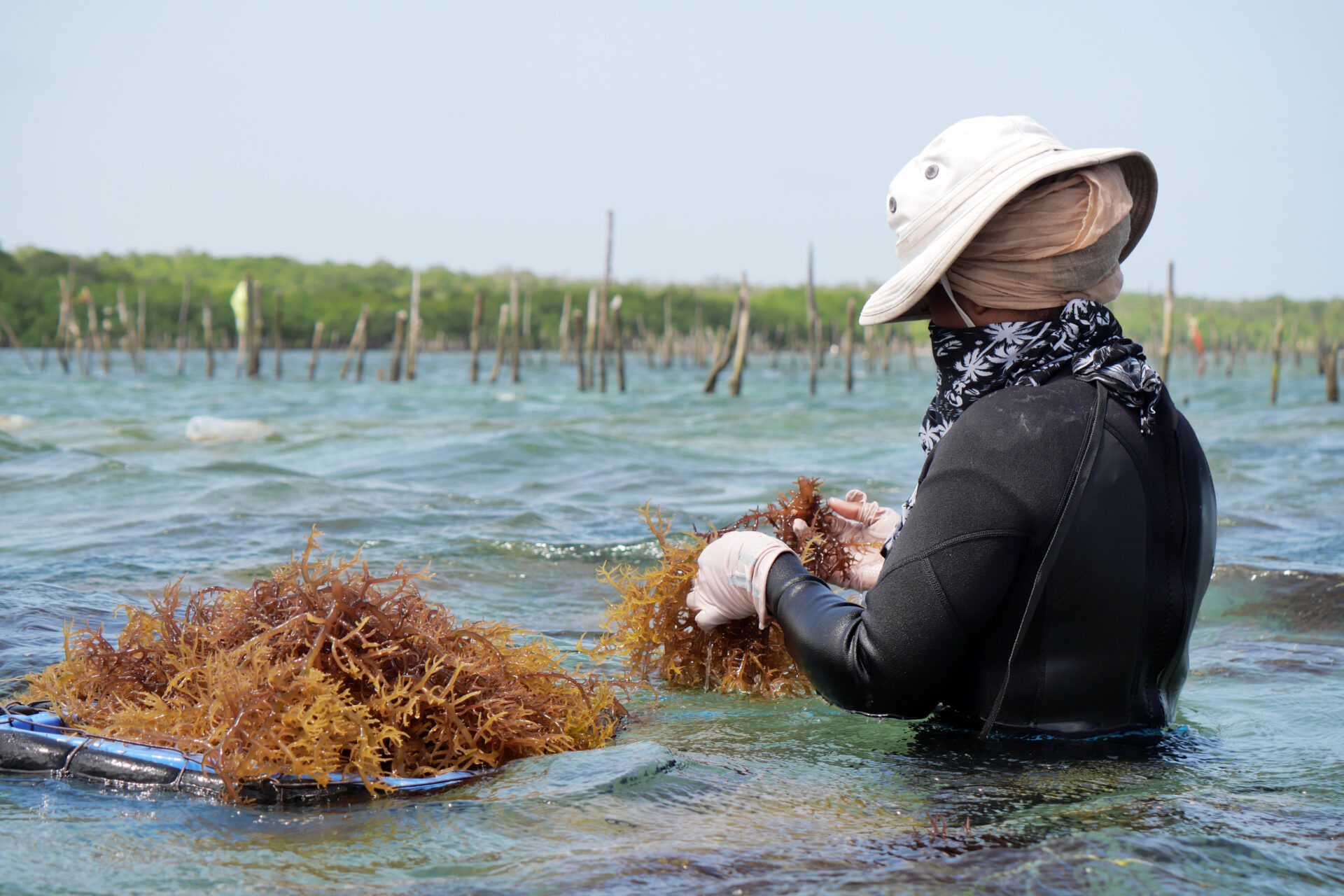
Saint Lucians have been farming sea moss since the 1980s, but the pandemic and this invigorated global demand catalysed the industry, and there are now hundreds of farms off our island and across the Caribbean. More than a third of these farms are run by women, providing a sustainable source of income for many families and reducing reliance on tourism.
On top of this, sea moss farming can have positive environmental benefits; for example, the sea moss itself locks in carbon from the ocean as it grows – which means that it is also more resilient to climate change and warming sea temperatures. But only if it’s farmed responsibly. If not, and this becomes a burgeoning industry carrying a heft of negative environmental impacts too.
Other features
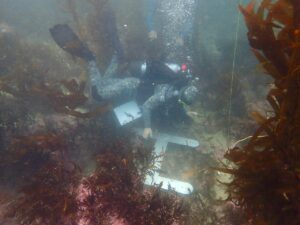
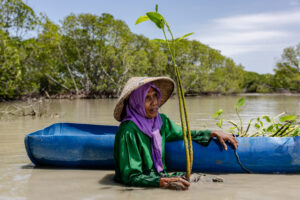
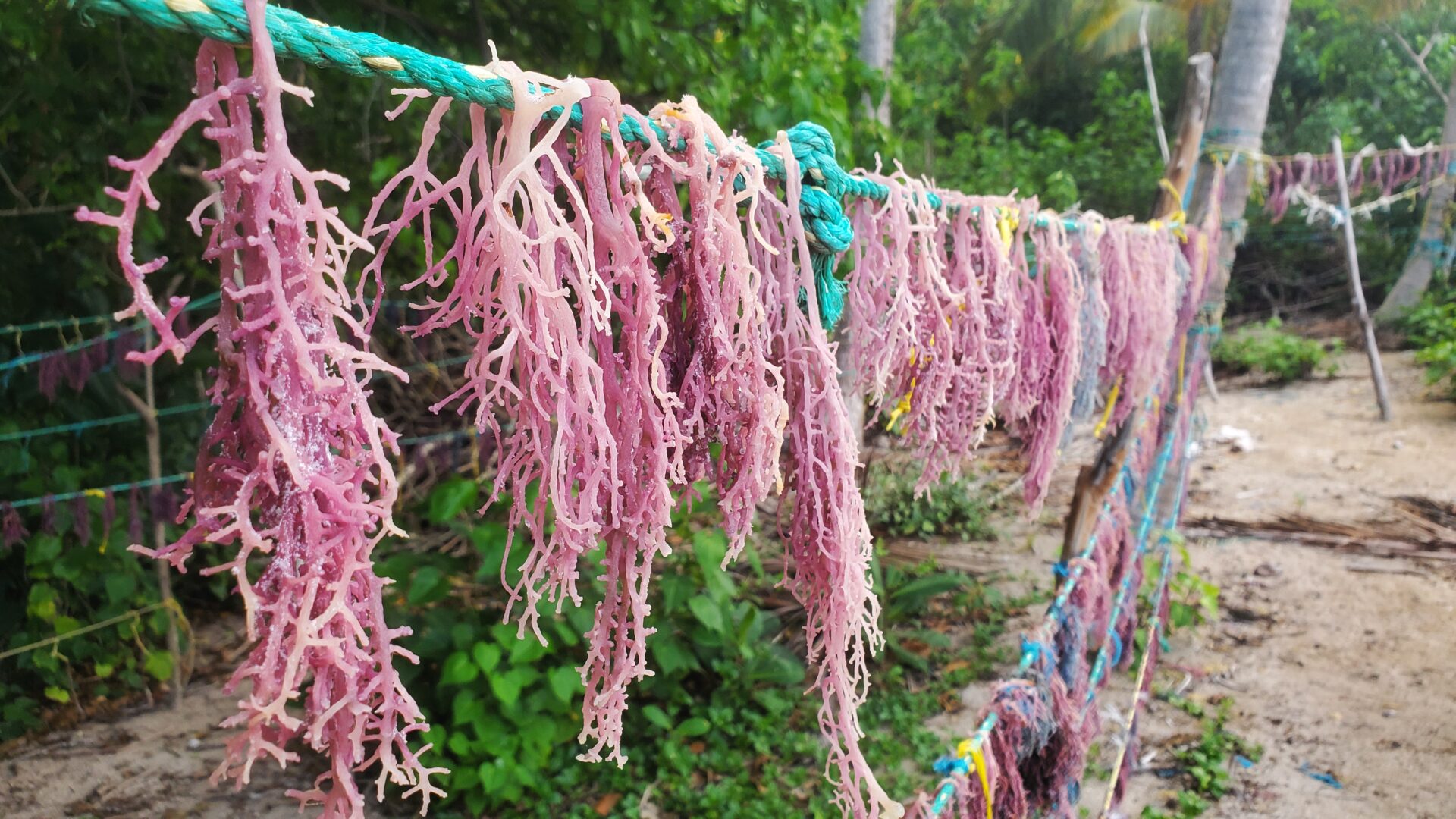
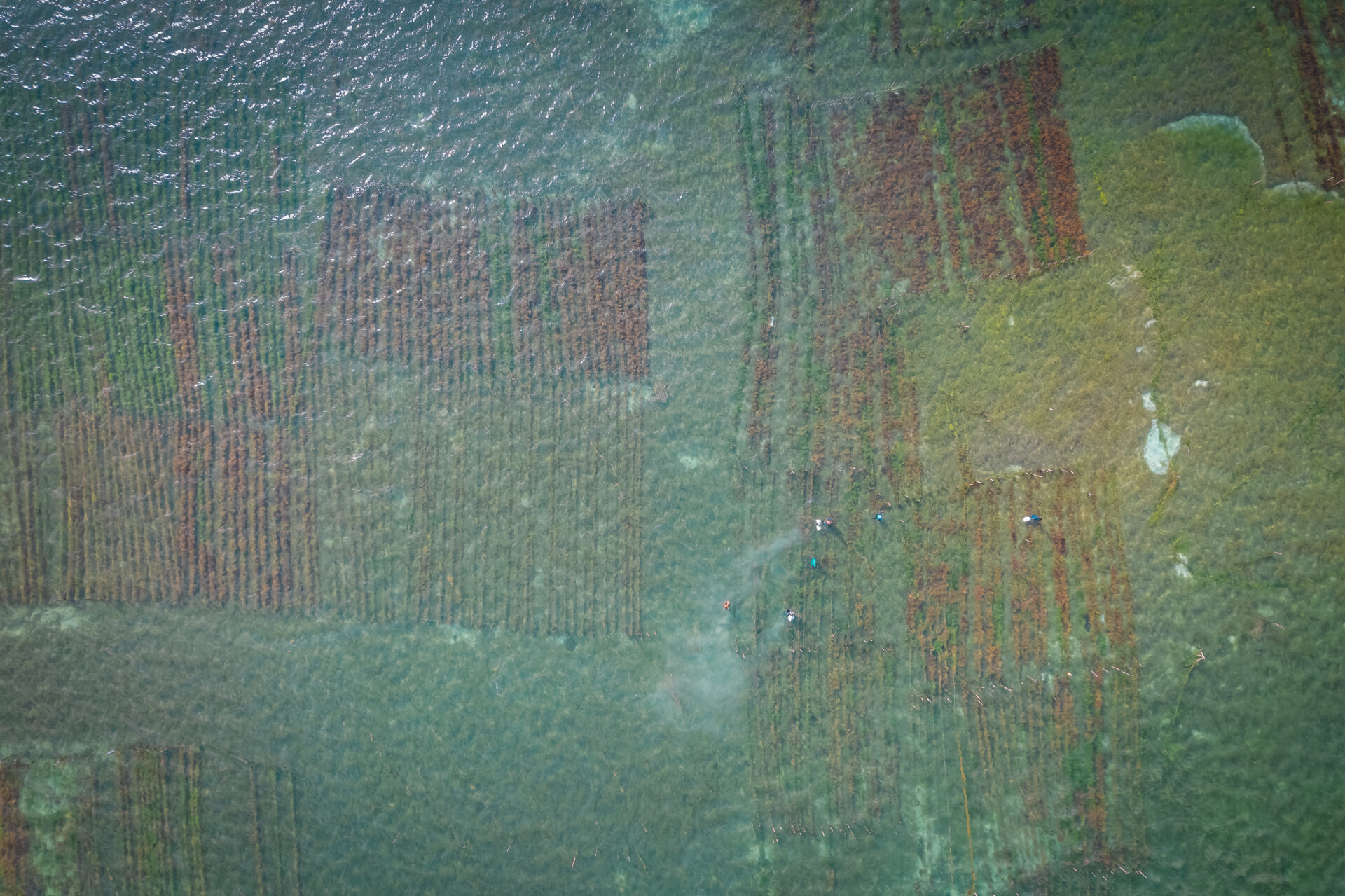
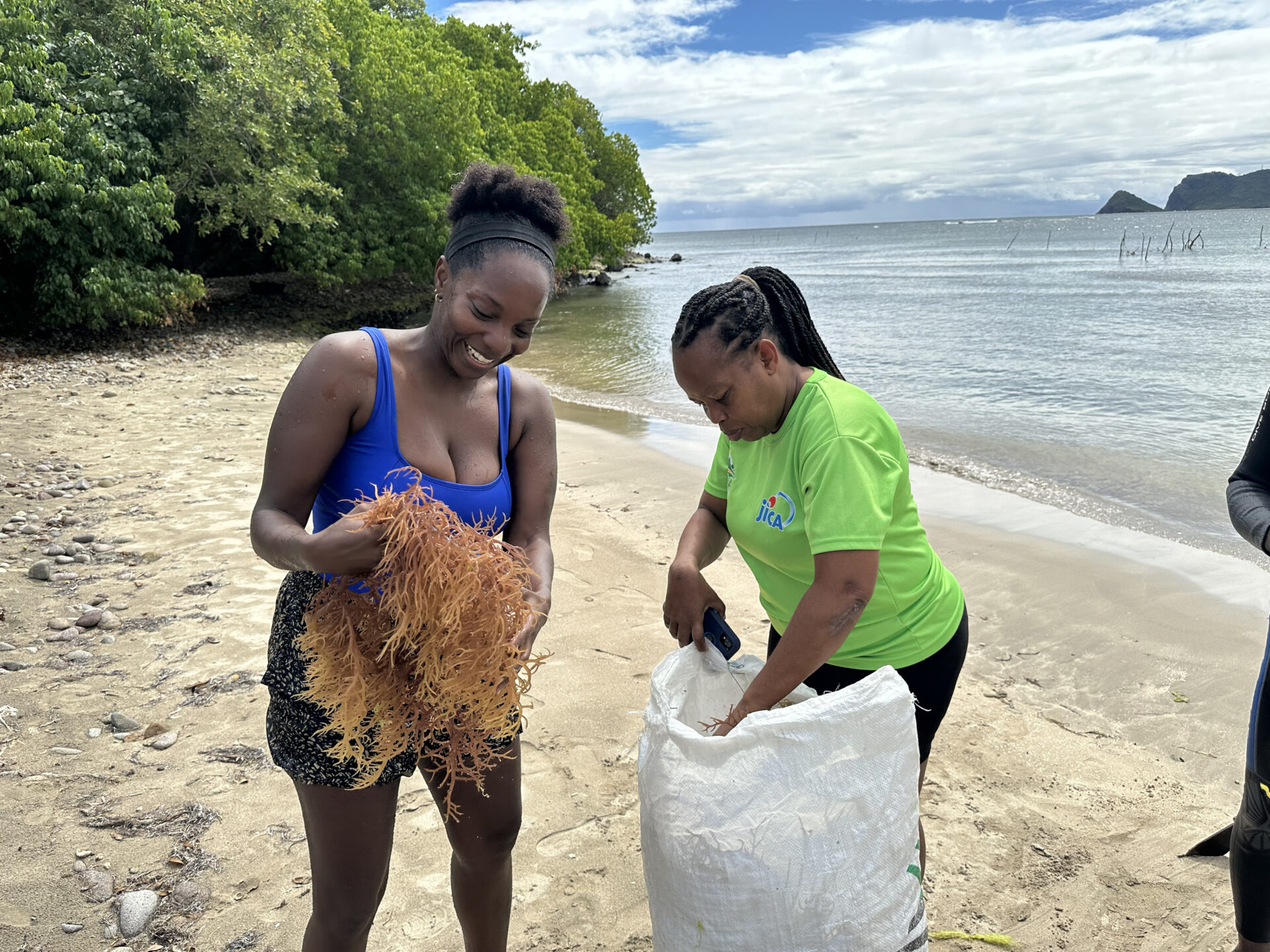
The dominant method currently being used to grow sea moss in Saint Lucia uses a bottom-fixed system with seeded ropes – or mono-lines – tied to plastic bottles a few feet apart to allow them to float in the water. These ropes are anchored into the ground by wooden stakes. Farms involve multiple long lines of ropes, and supporting stakes, upon which the sea moss grows and from where it is harvested.
Sea moss farms often share the same shallow, coastal areas that host Saint Lucia’s most important biodiversity and habitats, including coral reefs, seagrass meadows and mangroves. As such, the farming can cause a few issues…
First, the ropes. While they should remain taught, they can sometimes cause entanglement, strangling wonderful creatures like sea turtles. The plastic bottles? Well, I don’t need to explain the problem here, should they be accidentally lost to the ocean. And, of course, the wooden stakes holding everything together. Anchoring these into the seabed causes disruption and destruction primarily to seagrass meadows that rely on a healthy sea floor to function.
Additionally, round wood used as stakes for sea moss farm infrastructure has sometimes been harvested from mangroves and the coastal dry forests. The coastal dry forest near Praslin Bay is home to the Saint Lucia thrasher, an endemic bird species that is endangered due to habitat loss from land use changes and degradation caused by illicit felling and harvesting of trees for sea moss farm infrastructure.
As the demand for sea moss boomed – great for our local communities – unfortunately the impacts this practice has on nature also intensified.
So, how to solve this combination of problems, without taking away the work our local communities have come to love and rely on? With support from the UK Government’s Darwin Initiative, Fauna & Flora’s team and our local partners – including the Fisheries Department, the Saint Lucia National Trust and others – have embarked on a multi-year mission to develop sea moss cultivation practices that can benefit both people and nature.
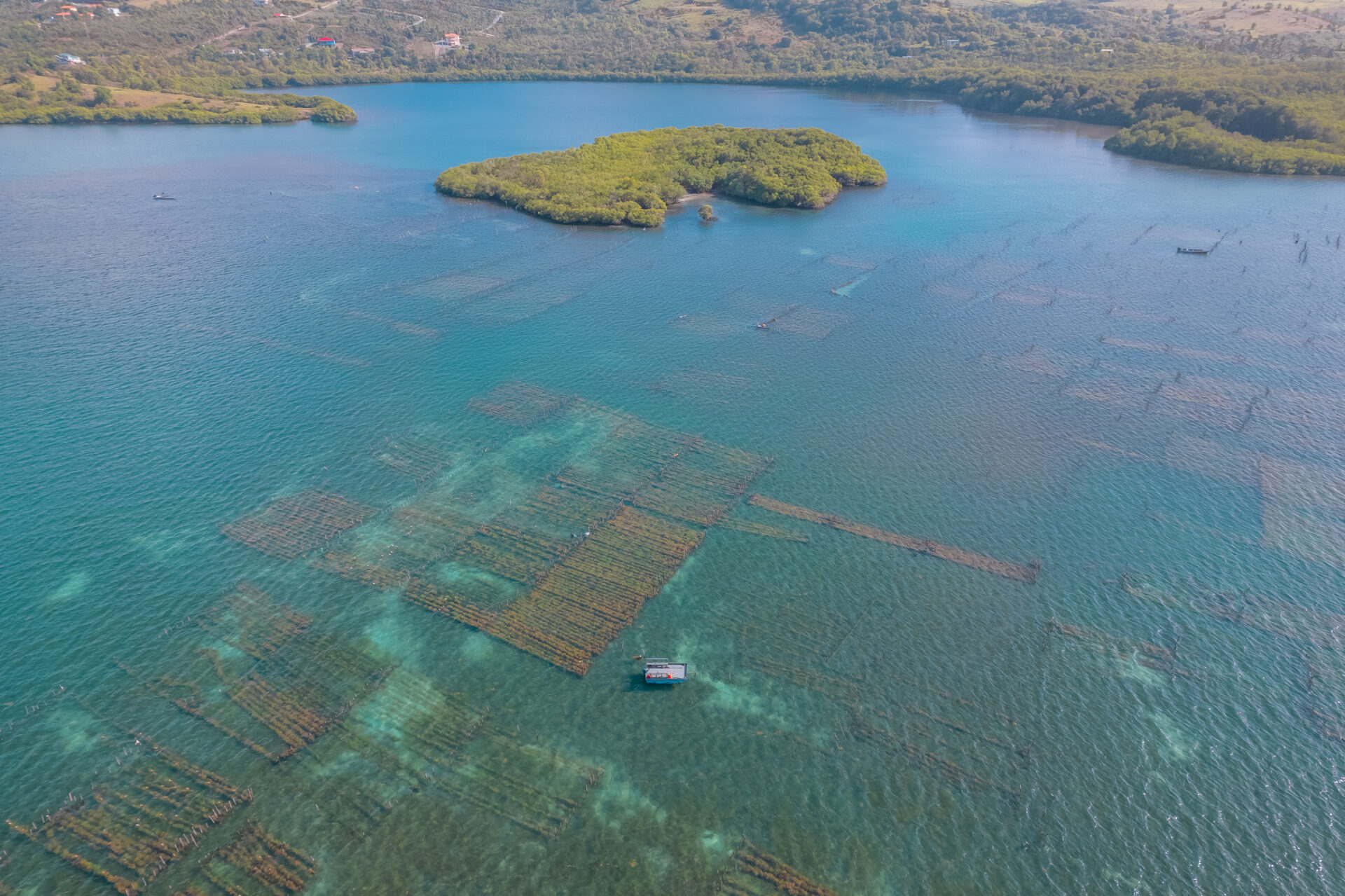
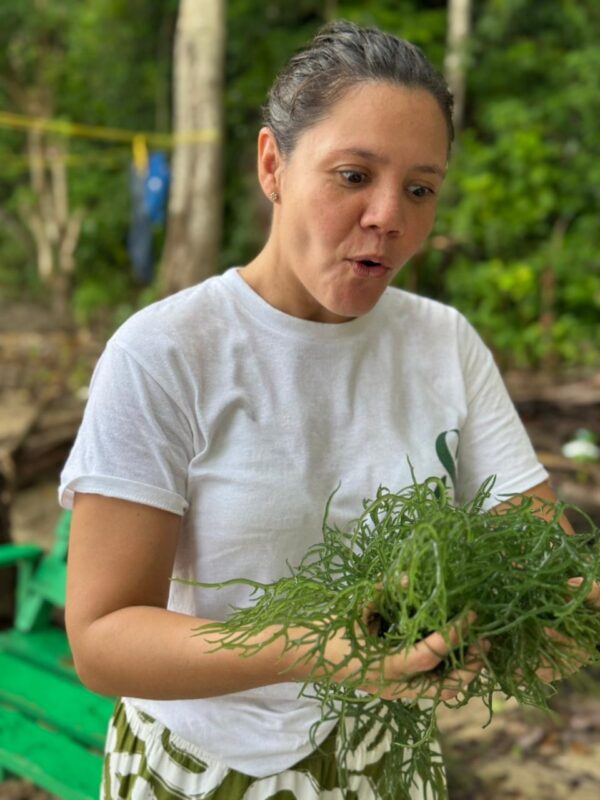
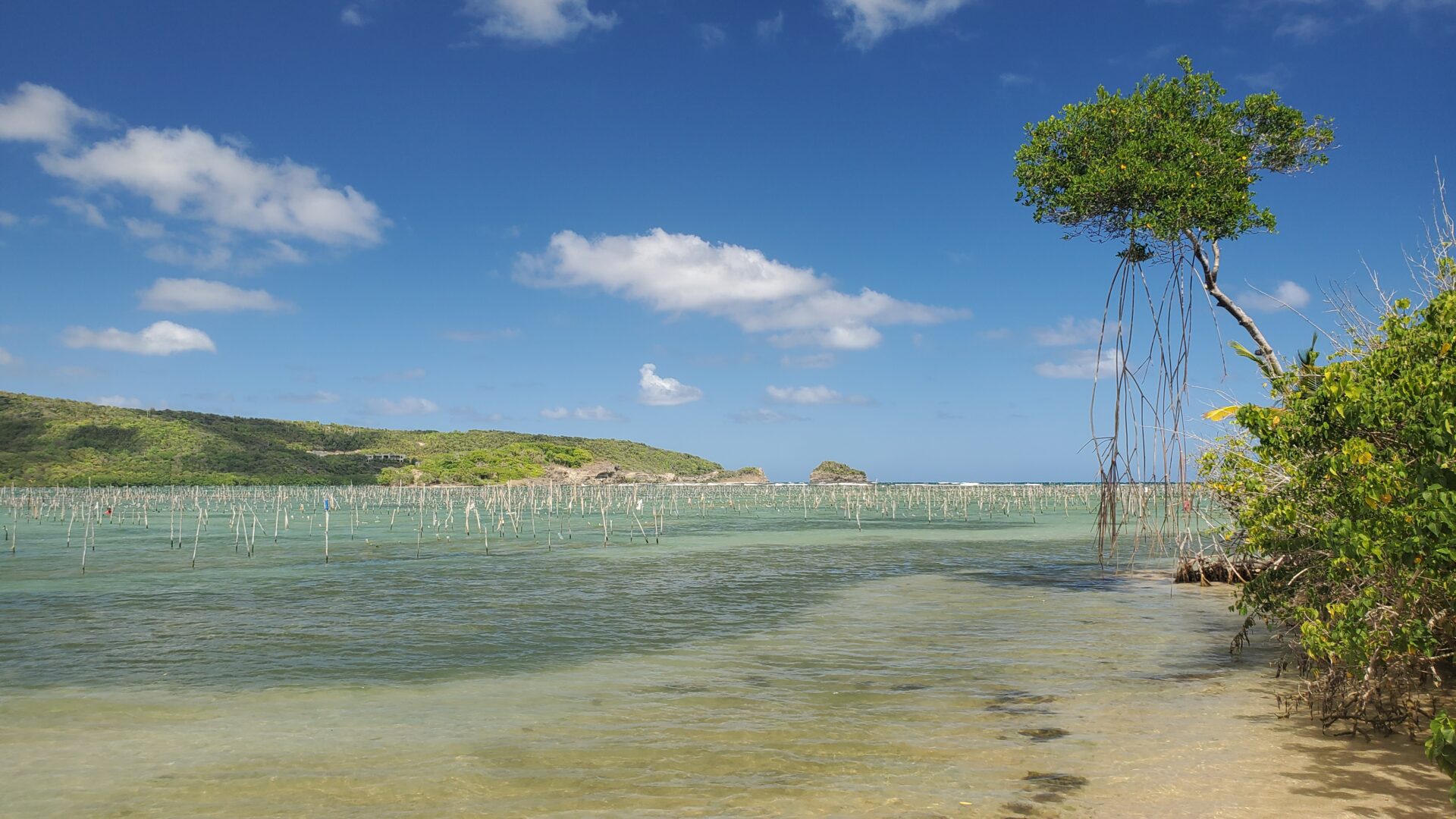
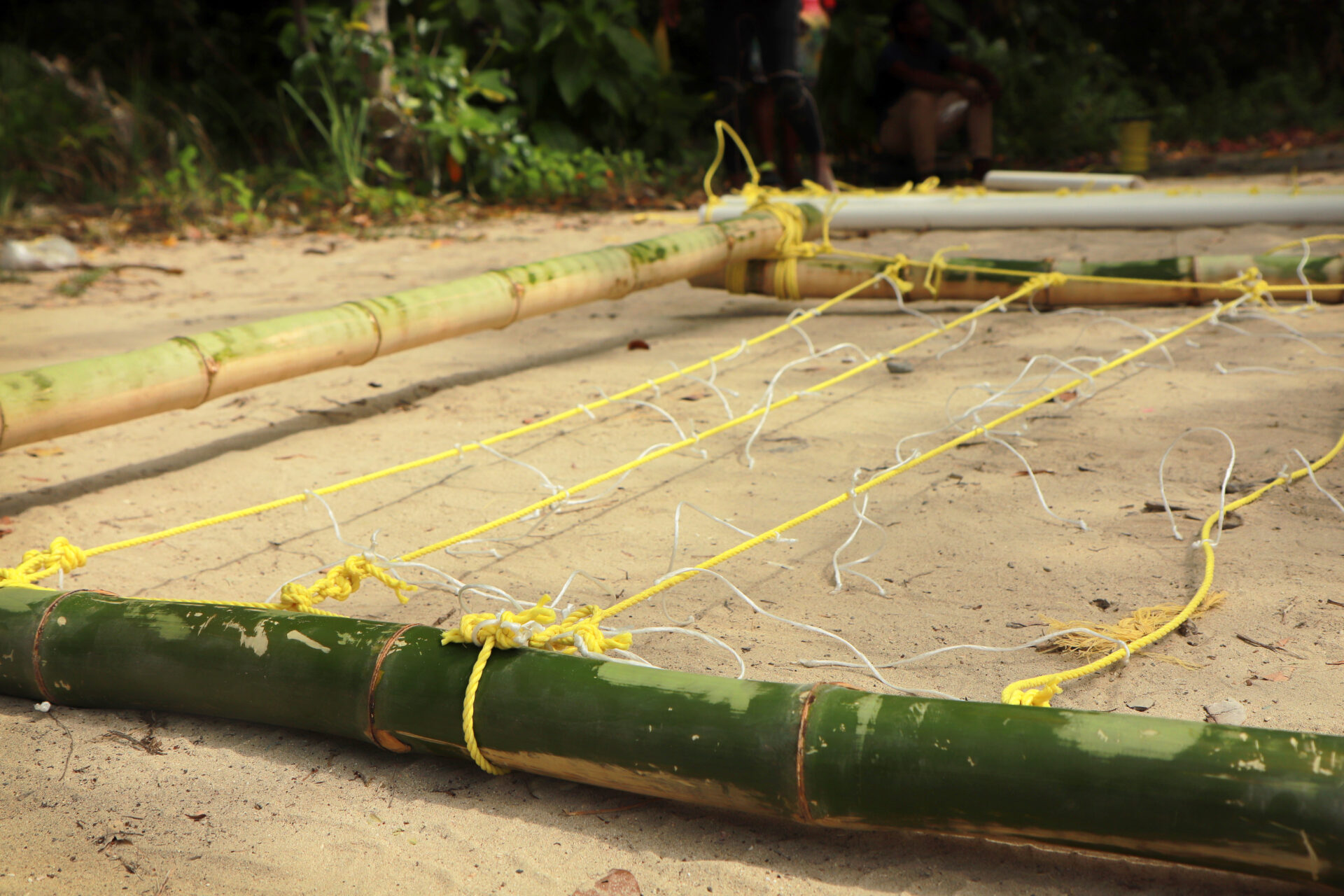
Central to this initiative has been the introduction and improvement of a method of farming sea moss that minimises environmental impact: floating sea rafts.
Attached to the seafloor in just a few places, the rafts can be used to harvest vast amounts of sea moss while minimising disruption to the species that live on or near the seabed. For a 10ft x 10ft farm, just four anchor points are required – compared to the 20 anchors needed with the traditional mono-line method.
To ensure they can float, the rafts are made of bamboo, a material that is easy to grow and harvest, eliminating the need for plastic bottle buoyancy aids, and reducing timber extraction from the thrasher’s forest home.
Results so far are promising. As well as minimising disruption to biodiversity, the rafts have shown increased resilience to storm damage, another crucial consideration for ensuring this industry can be sustainable in the face of climate change. When Hurricane Beryl struck in July 2024 – a horrific Category 5 storm that caused devastation across the Caribbean, including Saint Lucia’s south coast – the bamboo rafts held up. We think, because of the flexibility of the bamboo, the structure was able to move with the changing tides, which helped prevent significant damage.
The rafts have been a proven success to date, and we’ve been working to roll this method out to as many farmers as possible – training them in the use, construction and deployment of sea moss rafts so they really can ‘do it themselves’. We’re also supporting the strengthening of the governance and operational framework for sea moss farming in Saint Lucia: to help small farmers compete and ensure that regulations and management strategies are in place to support sustainable farming practices, while protecting coastal ecosystems.
Our ultimate goal is to establish sustainable sea moss farming in south-east Saint Lucia and, eventually, across the entire island – a key objective of our Darwin Initiative funding. Our hope is to improve community well-being, while safeguarding healthy coastal ecosystems and supporting thriving populations of critically endangered wildlife.
“My dream is to see sea moss farming scaled up in a way that remains deeply local – supporting families, preserving marine ecosystems, and creating a blueprint for how ocean-based economies can be both sustainable and equitable,” says Darren Walker, one of the sea moss farmers we’ve been working with on the project, echoing our goal.“I want to see young people of Saint Lucia inspired to see the sea not as something to exploit but as something to nurture and be nurtured by.”
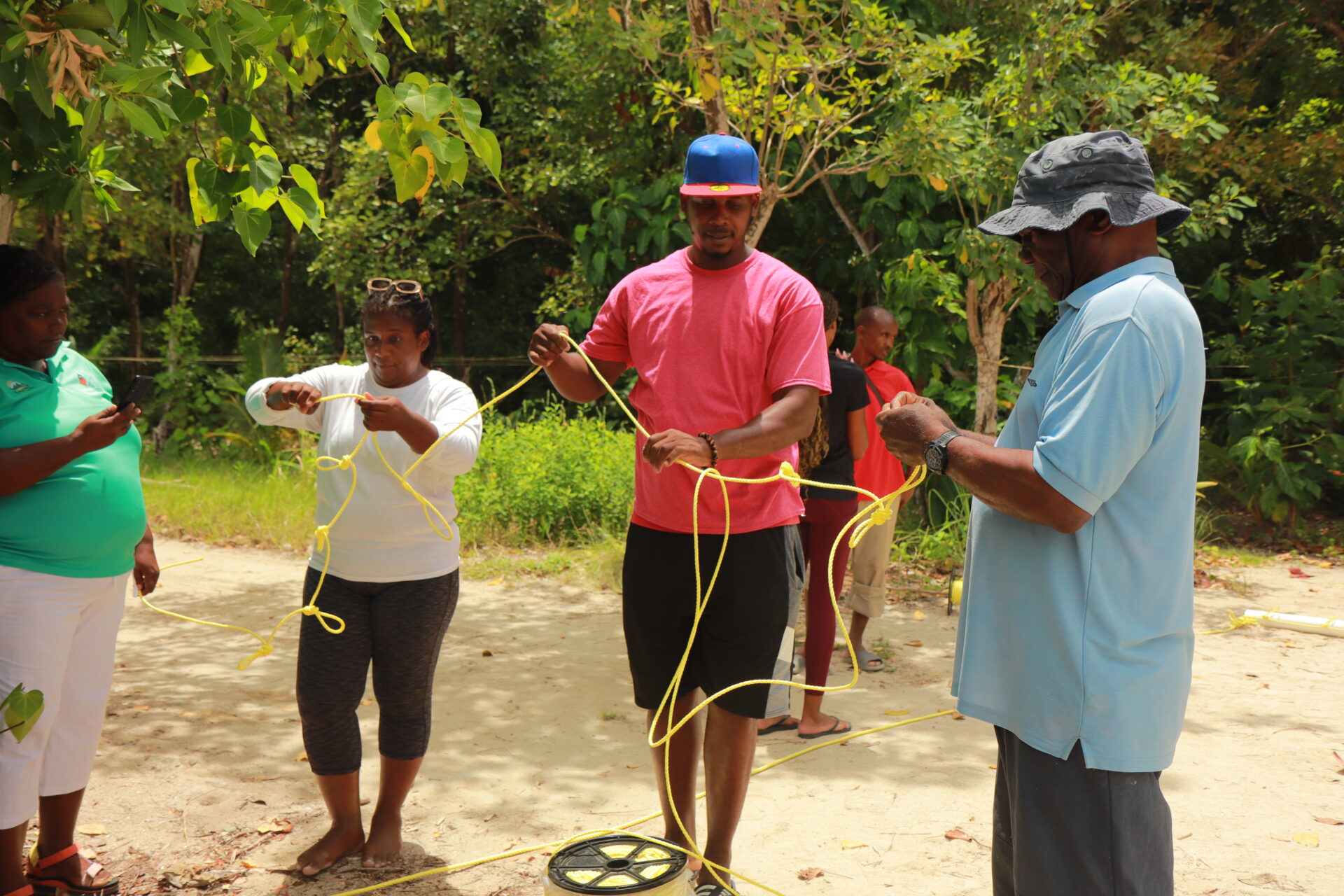
Reducing the risks of sea moss farming to the environment is one part of the project, but we also want to help create a thriving industry that can provide a long-term source of income for Saint Lucians – and to help put our island on the map as a leading producer of sustainable sea moss products.
Our work with sea moss farmers goes beyond just how to harvest better. We’ve trained over 100 farmers in food safety practices, helping them meet international standards, improve the safety of their produce and products, and reduce risks in each phase of production. Many of these farmers also gained skills in record-keeping and business practices, enabling them to sustainably expand their businesses.
“Sea moss farming means freedom, sustainability, and growth to me. It gives me the opportunity to work with nature while providing a product that helps people live healthier lives,” says Lyntus Serieux, another sea moss farmer working with us on the project.
“It’s not just a source of income, it’s a way to build something meaningful for my community, my family and future generations. Being close to the ocean and seeing the results of my own hands is deeply fulfilling. It’s more than farming, its purpose and a lifestyle.”
Up next, we’re supporting the establishment of a Geographic Indicator for Saint Lucian sea moss. This certification, being led by supporting project partner Export Saint Lucia, will recognise and distinguish Saint Lucia’s sea moss as a high-quality, sustainably harvested product.
By creating this Geographic Indicator, we can help enhance the marketability of our sea moss products, ensuring consumers know that the product they are buying meets rigorous environmental and sustainability standards, while opening doors to premium markets.
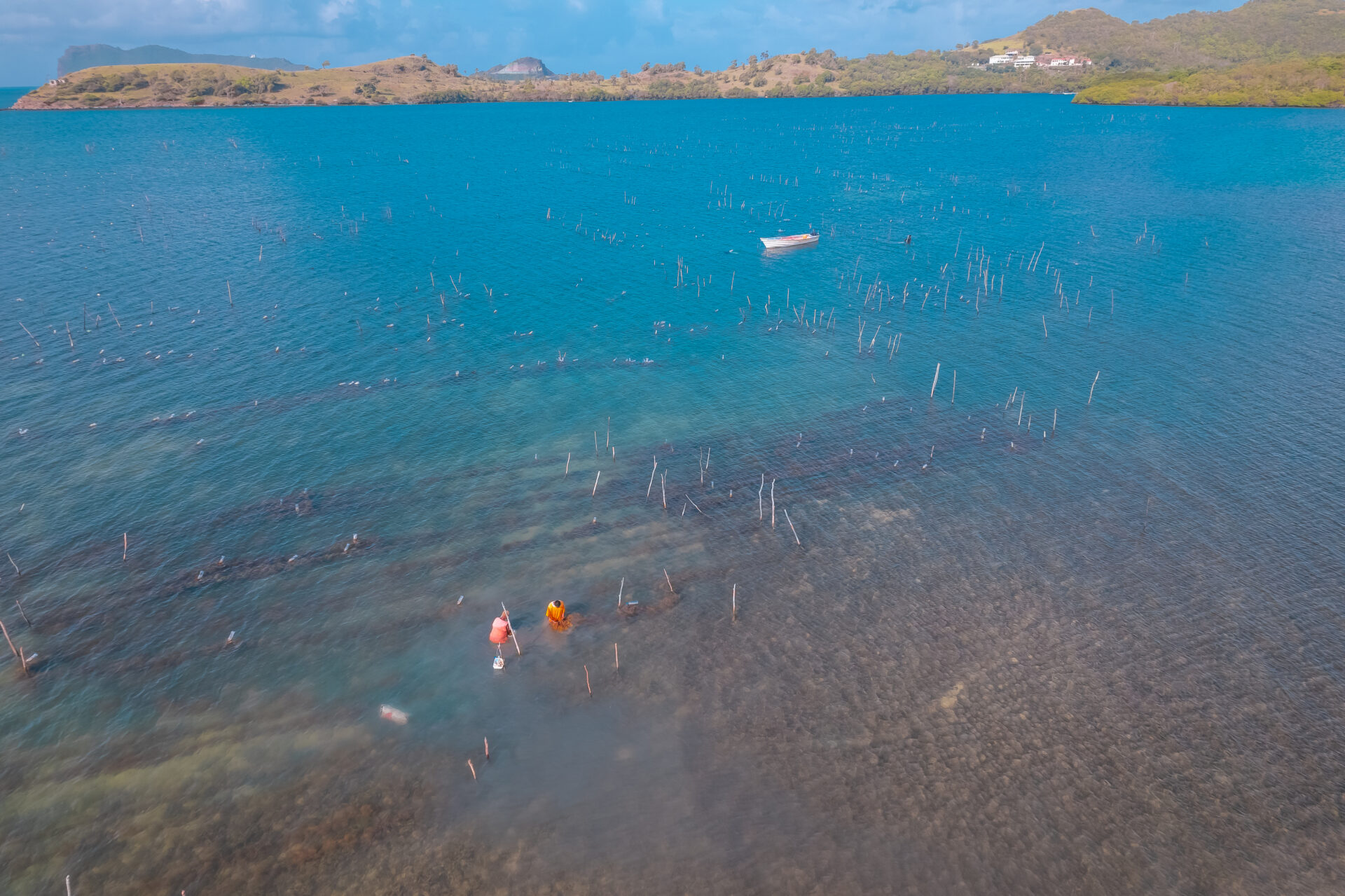
We’ve come a long way since 2020. Our beautiful island is open to the world again. Nature is rebounding. Economic opportunities are growing. Women, in particular, have increasing opportunities to not just contribute to the family income, but to support themselves independently.
“The reason we started the group is to empower women,” says Prieul Walter, a member of the Praslin Community Women in Sea Moss Group. “We, as parents, came up with the initiative so we can help each other and be supportive of our families financially. Sometimes life gets difficult, and women have to stand alone with their children. Sea moss is a way and a means of bringing money to the table.”
There are, of course, still plenty of challenges to overcome. The impacts of climate change are being felt more and more acutely here each year, with the Caribbean increasingly susceptible to extreme weather events, as well as an ever-heating ocean.
We have our work cut out, but we know that when we give the ocean space, it can repair itself. And it will continue to provide a thriving home for countless beautiful creatures of the sea, as well as an income for its neighbours.
The ocean will also keep on playing an essential role in managing our warming climate, absorbing and storing vast amounts of carbon dioxide from the atmosphere – a role that can be strengthened by the humble sea moss.
Bianca Young is a Project Coordinator with the environmental NGO, Fauna & Flora working out of Saint Lucia.

Printed editions
Current issue
Back issues



Enjoy so much more from Oceanographic Magazine by becoming a subscriber.
A range of subscription options are available.
