Spawning hope: How is 'coral IVF' building heat-resilient reefs?
Coral Spawning International, Nature Seychelles and Canon are pioneering a new era of coral restoration in the Seychelles, using controlled spawning and selective breeding to build genetically resilient reefs capable of surviving a warming ocean.
There is a moment, sometime around nine or ten o’clock on a warm night, when a coral reef becomes something almost miraculous.
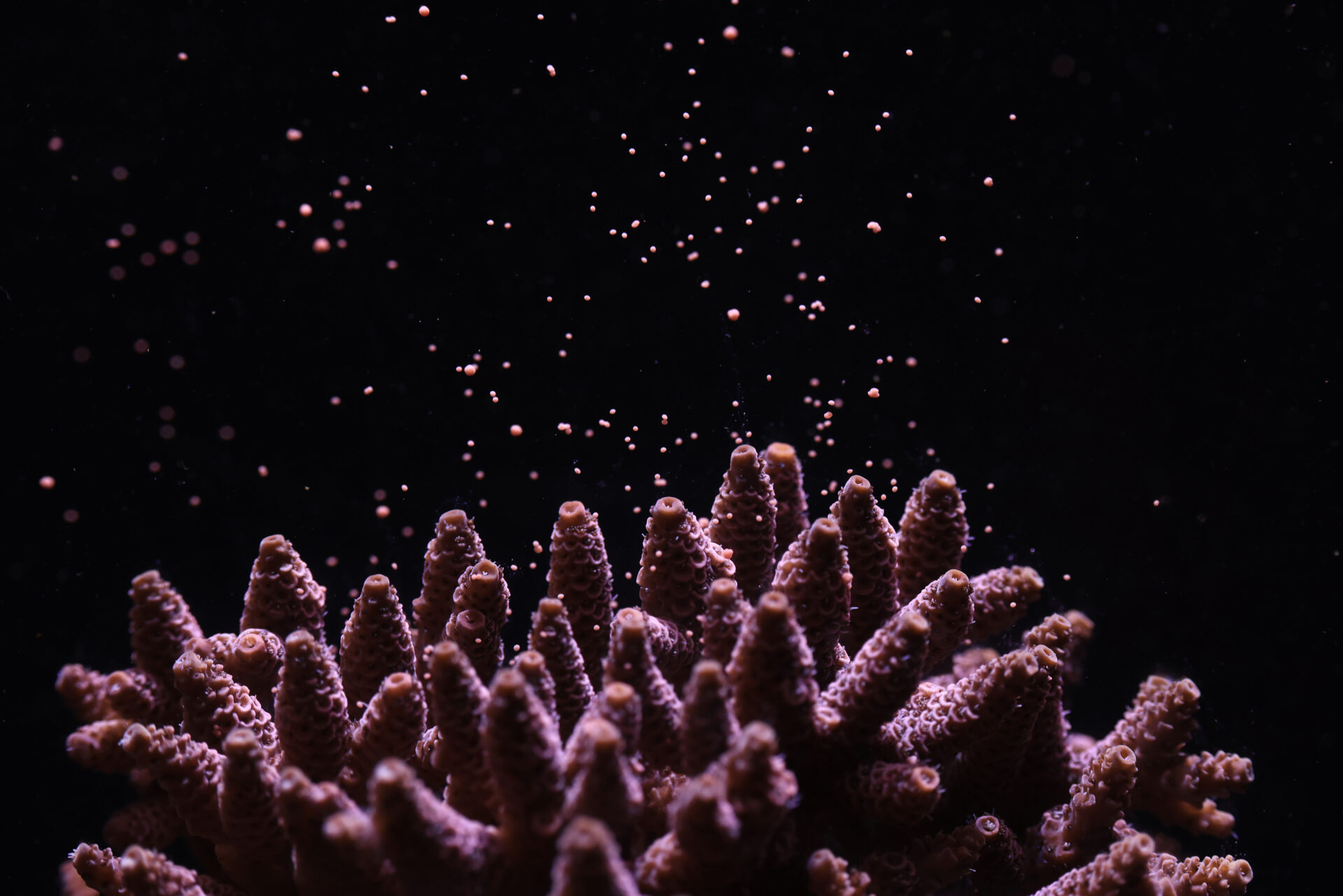
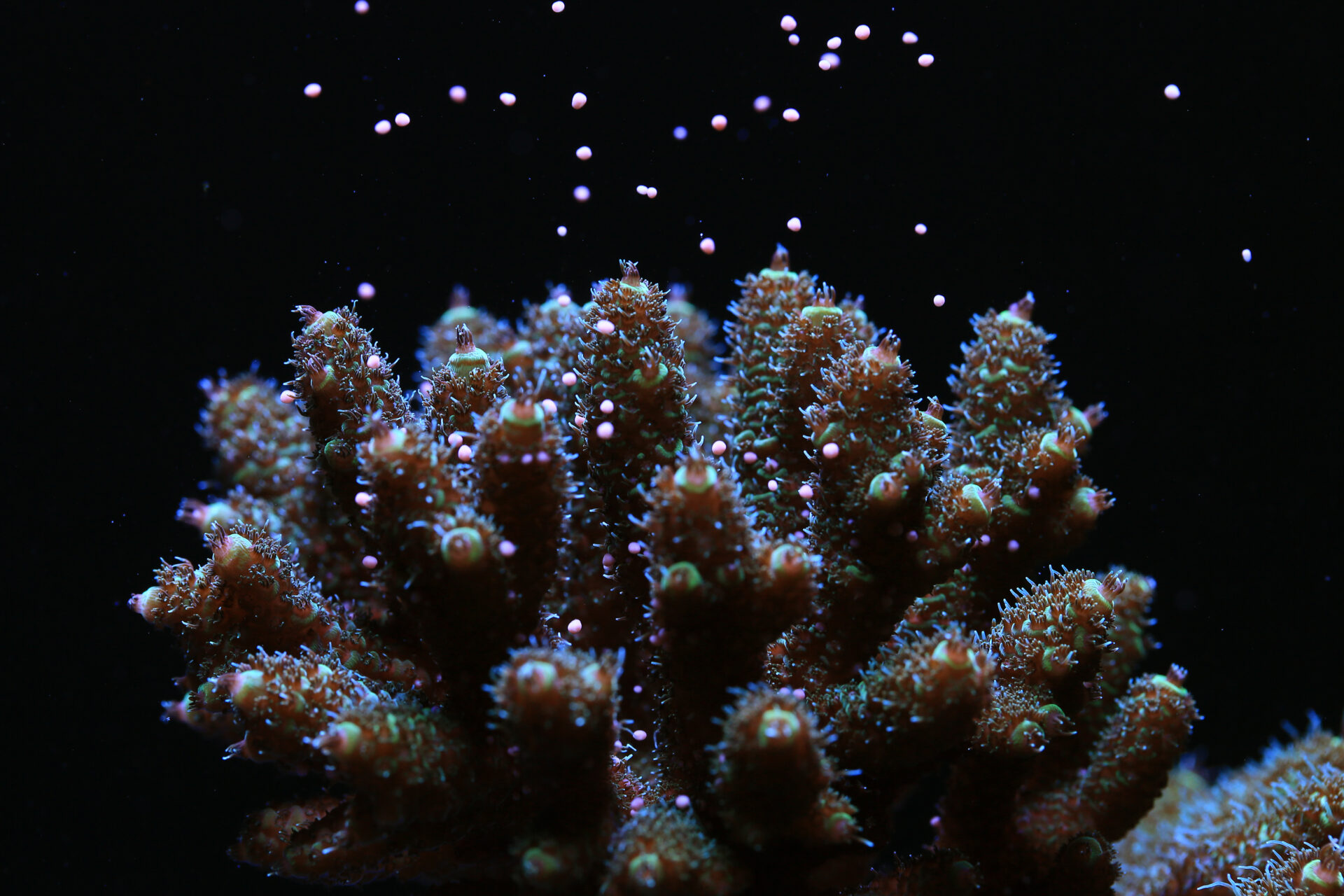
The cue can be subtle – a shift in water temperature, the angle of the moon, the fading of the day’s light. And then, all of a sudden, thousands of tiny animals release their eggs and sperm simultaneously into the water column in an explosion of pink and white bundles rising through the darkness. For a few hours, the ocean above the reef resembles, as Jamie Craggs describes it, a living lava lamp. Then the window closes. The gametes are gone and the moment will not come again for another year.
It is one of the most extraordinary events in the natural world. It is also, for the scientists trying to harness it as a tool for reef restoration, the problem they have spent their careers trying to solve.
Craggs grew up in Essex, swimming, sailing and windsurfing in the Atlantic from as far back as he can remember. The sea, he says, was simply part of life. A childhood obsession with keeping fish tanks evolved – eventually – into a professional career in marine biology, and a pivotal realisation, while working as Principal Aquarium Curator at the Horniman Museum and Gardens in London, that the process underpinning coral reproduction was still, in fundamental ways, a mystery.
“I was watching corals every day, up close, and it started to dawn on me how little we actually understood about their reproduction,” he says. “This process happens in the wild once or twice a year under very specific conditions, mostly at night and mostly out of sight.”
In 2012, he founded Project Coral at the Horniman with a single goal: to understand and predictably induce coral spawning in a closed, land-based system. What followed was, by his own description, a ‘long stretch of coral hours’; 18-hour shifts, nocturnal vigils, the painstaking work of replicating the environmental conditions of a wild reef inside a building in south London. The breakthrough, when it came, was in some ways simple: Craggs realised he could phase-shift the corals into spawning during the day, removing the need for late-night laboratory sessions and making the research genuinely scalable for the first time.
That insight has since travelled far beyond the Horniman. Coral Spawning International – the organisation Craggs co-founded with his wife, Kate – has now deployed its systems to more than 80 institutions across 19 locations in 12 countries. Craggs has spawned 16 species in his kitchen laboratory at home, three of which had no previously documented spawning behaviour. The science that began in a London museum has become a global tool.
“I’m motivated by the urgency of the problem and a strong belief that we should use all the tools at our disposal to try and save these valuable ecosystems,” he says. “That momentum is hard to walk away from.”
More features
The science of coral spawning is, at its heart, a race against time. With an El Niño now staring down the clock, haste is more important than ever.
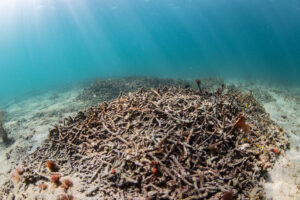
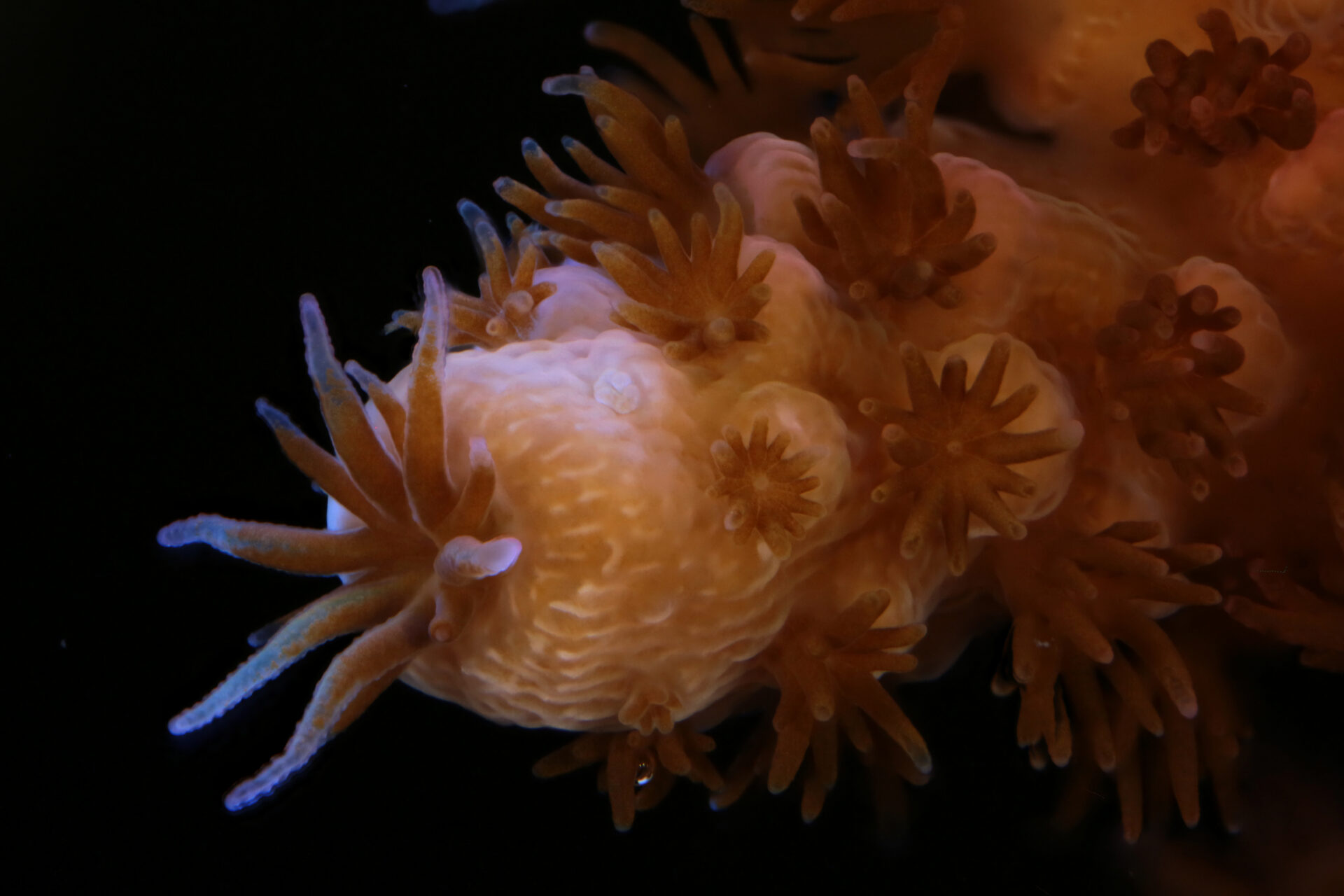
Each coral is built from thousands of tiny soft-bodied animals called polyps, living in a three-dimensional calcium carbonate city of their own construction – a structure that supports biodiversity far exceeding anything its modest footprint would suggest. Coral reefs cover less than 0.1% of the ocean floor, yet support more than 25% of all marine life. When a spawning event occurs, the gametes released into the water column are viable for only a few hours. Fertilisation happens at the surface. The fertilised eggs develop into larvae — planula — that drift until they find a suitable surface on which to settle and begin the slow process of becoming a new colony.
In a controlled laboratory environment, that process can be interrupted, directed and repeated. Gametes can be collected the moment they are released. Eggs from one colony can be crossed with sperm from another – a kind of coral IVF – creating larvae with genetic combinations that may never have occurred in the wild. Those larvae, grown carefully over days and weeks, can then be out-planted back onto the reef.
Craggs calls this work coral matchmaking. The principle is straightforward: identify parent corals that have demonstrated natural resilience – colonies that have survived bleaching events when their neighbours did not, or that are thriving in warmer-than-average conditions – and bring them together deliberately, guided by science rather than chance.
“When you bring together eggs from one resilient colony and sperm from another through our controlled IVF-type process, each offspring is genetically unique,” he explains. “You are creating unique genetic combinations, and some of those combinations will express greater heat tolerance and a greater ability to maintain their symbiotic relationship with the symbiodinium acae, the tiny algae that live inside coral tissue, give them their colour and provide them with food, under conditions of thermal stress.”
Outwardly, a more resilient coral looks no different from any other. The difference only reveals itself under stress. When water temperatures rise, a resilient coral holds its symbiodinium acae while its neighbour bleaches and begins to weaken. The work of CSI is to stack the genetic odds – to build reefs whose foundations have an adaptive future rather than simply replicating the past.
This matters because the dominant method of coral restoration – what the field calls coral gardening, the process of taking a fragment from an existing coral and regrowing it – is, in genetic terms, a dead end. It is fast, it works and it has value. But what it produces is a clone. If the parent colony has no resilience to bleaching, neither will its hundreds of offspring. The reef that results is structurally impressive but genetically fragile.
“Sexual reproduction is the answer,” says Craggs.
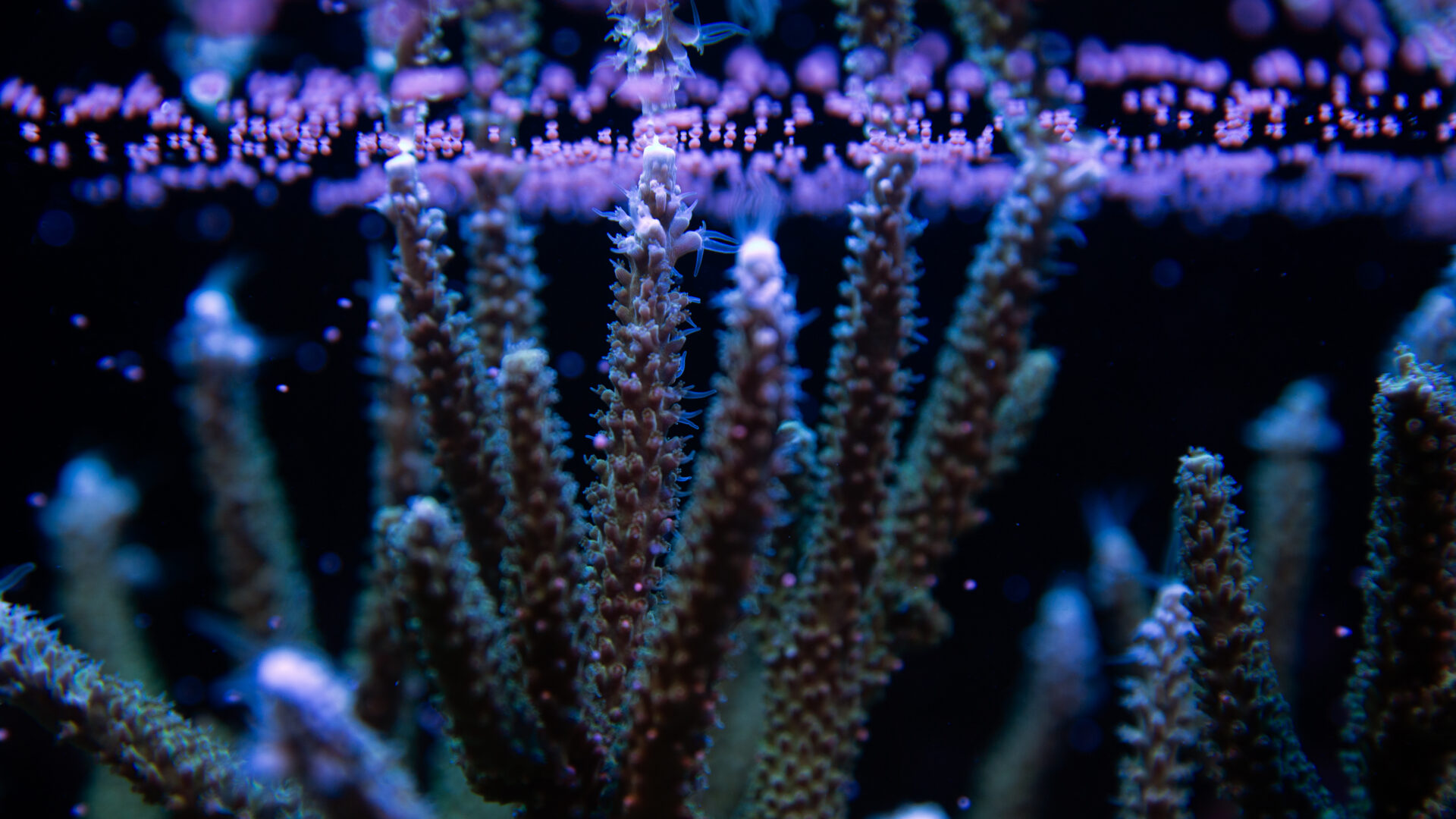
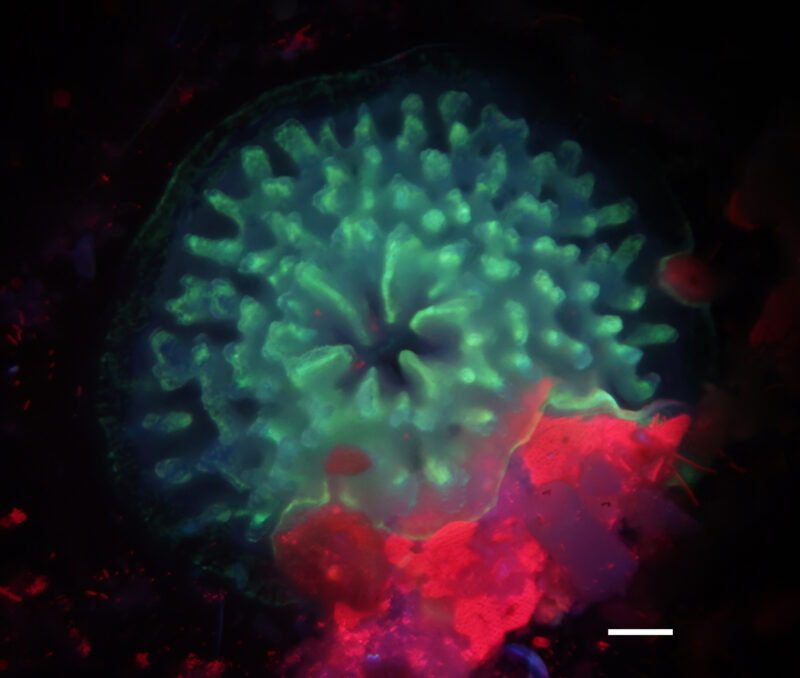
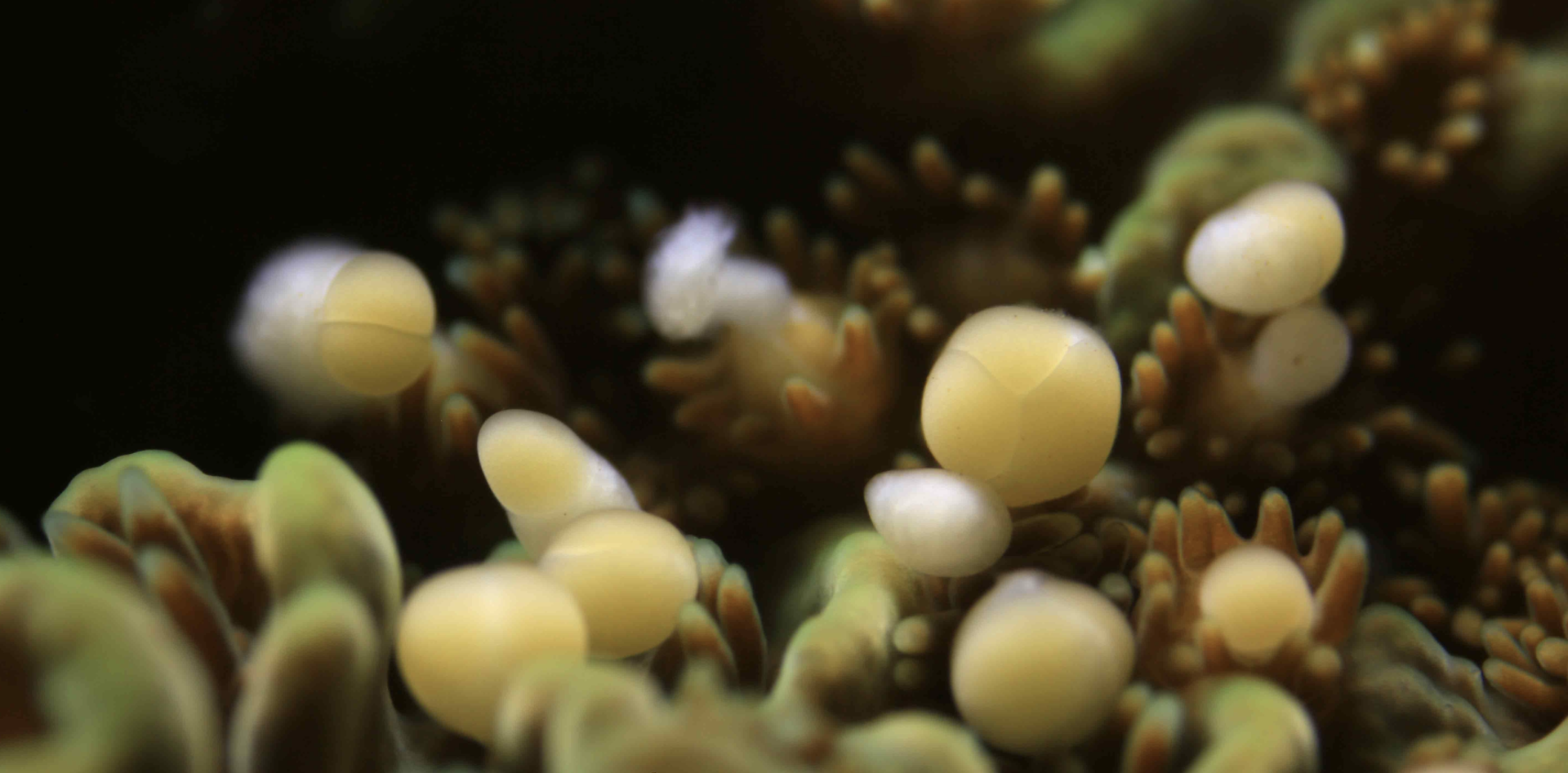
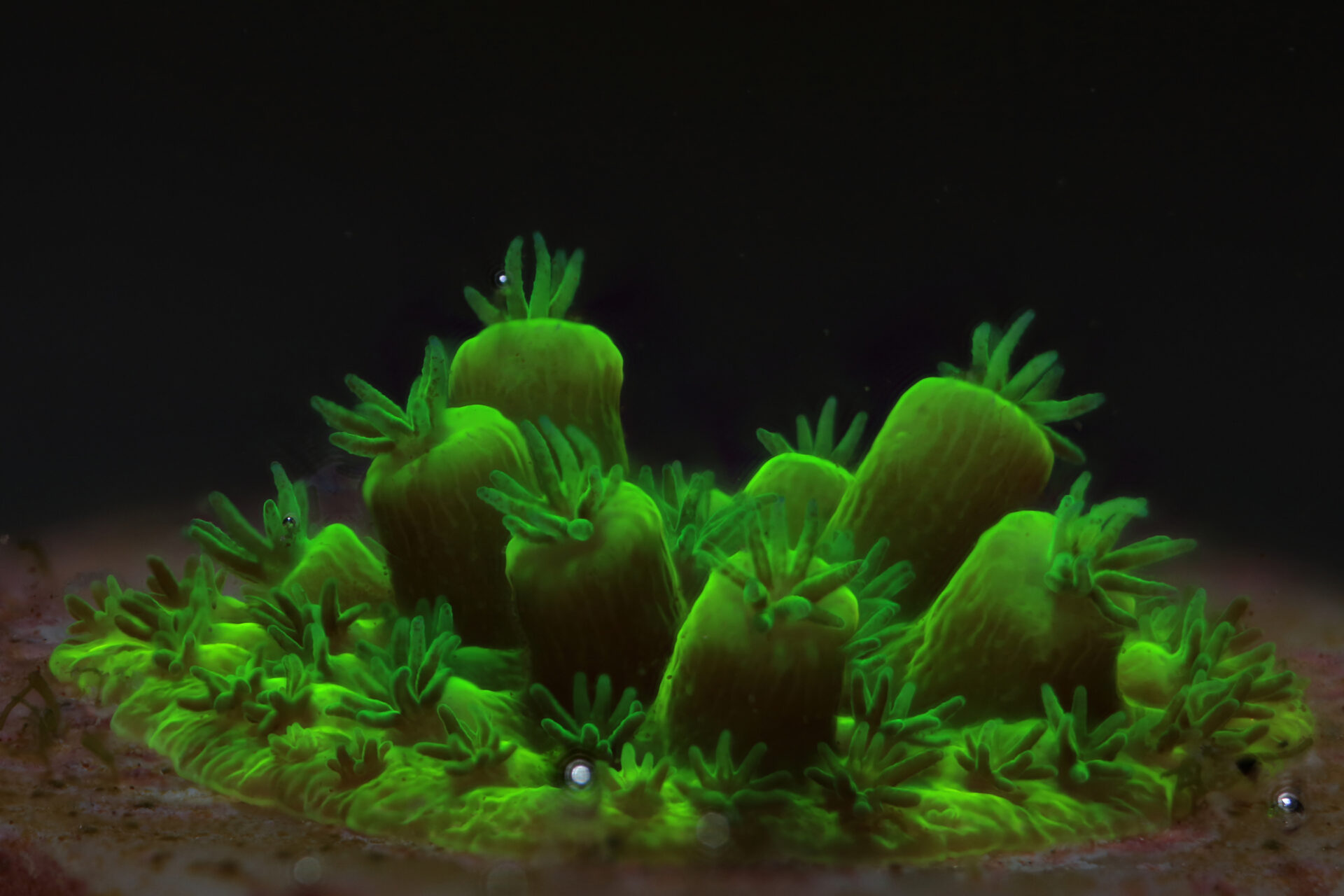
In November 2025, on the island of Praslin in the Seychelles, that answer took physical form.
Nature Seychelles – the non-profit organisation that has led coral reef conservation and restoration in the Seychelles for decades – opened a new coral breeding facility at its Assisted Recovery of Corals centre: the first land-based coral spawning facility in Africa and the entire Western Indian Ocean. In February 2026, the facility celebrated its first successful spawning event, producing roughly 800,000 coral embryos from 14 parent colonies, with around 65,000 juvenile corals successfully settling.
For Dr. Nirmal Shah, who has spent his career at the intersection of Seychellois conservation and international science, the moment represents something new, and not just for the Seychelles, but for the wider region.
“The new coral breeding lab at ARC changes the game,” he says. “It allows us to work with sexual reproduction in a controlled, land-based environment.”
Shah speaks with the authority of someone who has watched the reefs he loves change over decades, and one who knew them before the catastrophic 1998 bleaching event that hit Seychelles harder than almost anywhere on Earth, killing more than 90% of corals on the granitic islands, and who has watched subsequent bleaching events knock back the recovery that followed.
“The great shock came in 1998, when the first major bleaching event hit us hard,” he says. “Today, visitors may still see fish and coral and think the reefs are beautiful. But those of us who knew them before 1998 know the truth. They are not what they were. We have lost part of our natural heritage.”
Nature Seychelles has been working to rebuild what was lost since long before the new facility opened. Through its Reef Rescuers programme, the organisation has grown around 50,000 coral fragments in underwater nurseries around Cousin Island over the past four years alone. That work has genuine value, Shah is careful to say. It has rebuilt reefs and built expertise. But it has limits that the new facility is specifically designed to address.
“Much of it relies on fragments, which means we are often multiplying the same genetic material,” he explains. “A natural reef is not simple. It is a complex living system, with many species and enormous genetic diversity. That diversity is what gives reefs resilience.”
The facility is already revealing things the team did not know. Despite years of working with Seychelles’ coral, the precise spawning timing and conditions for many local species remained undocumented. The breeding lab is beginning to answer those questions for the first time – and opening bigger ones about whether heat resilience can be bred into the next generation of corals in ways that give them a genuine chance of surviving a warming ocean.
Running through both CSI’s research and Nature Seychelles’ restoration work is a technological thread that has become increasingly central to what is scientifically possible.
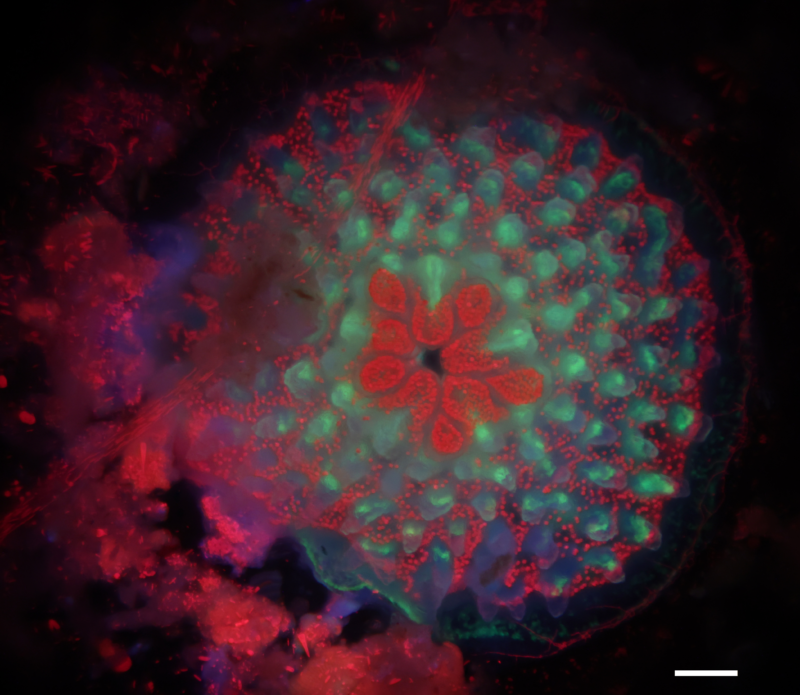
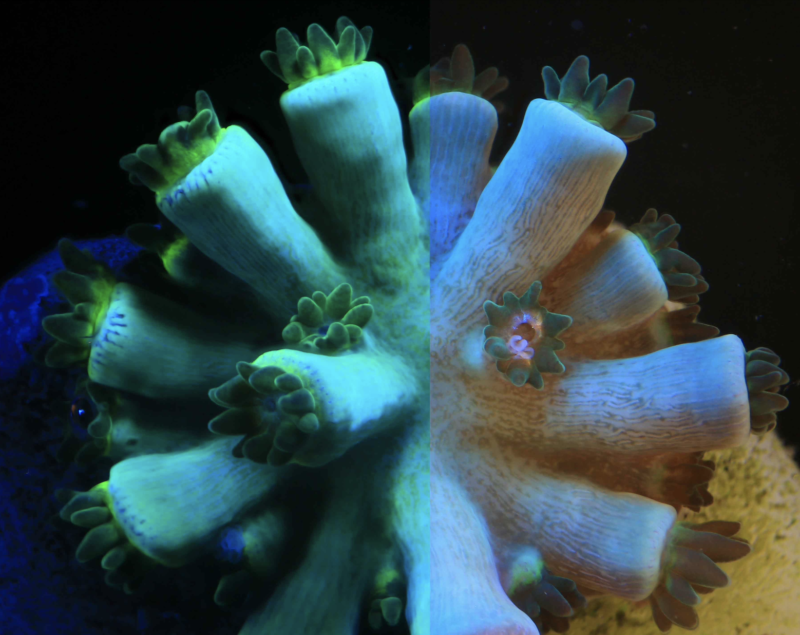
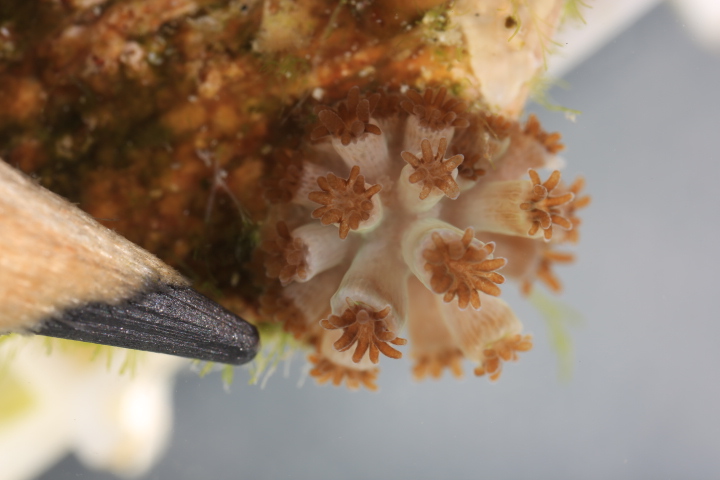
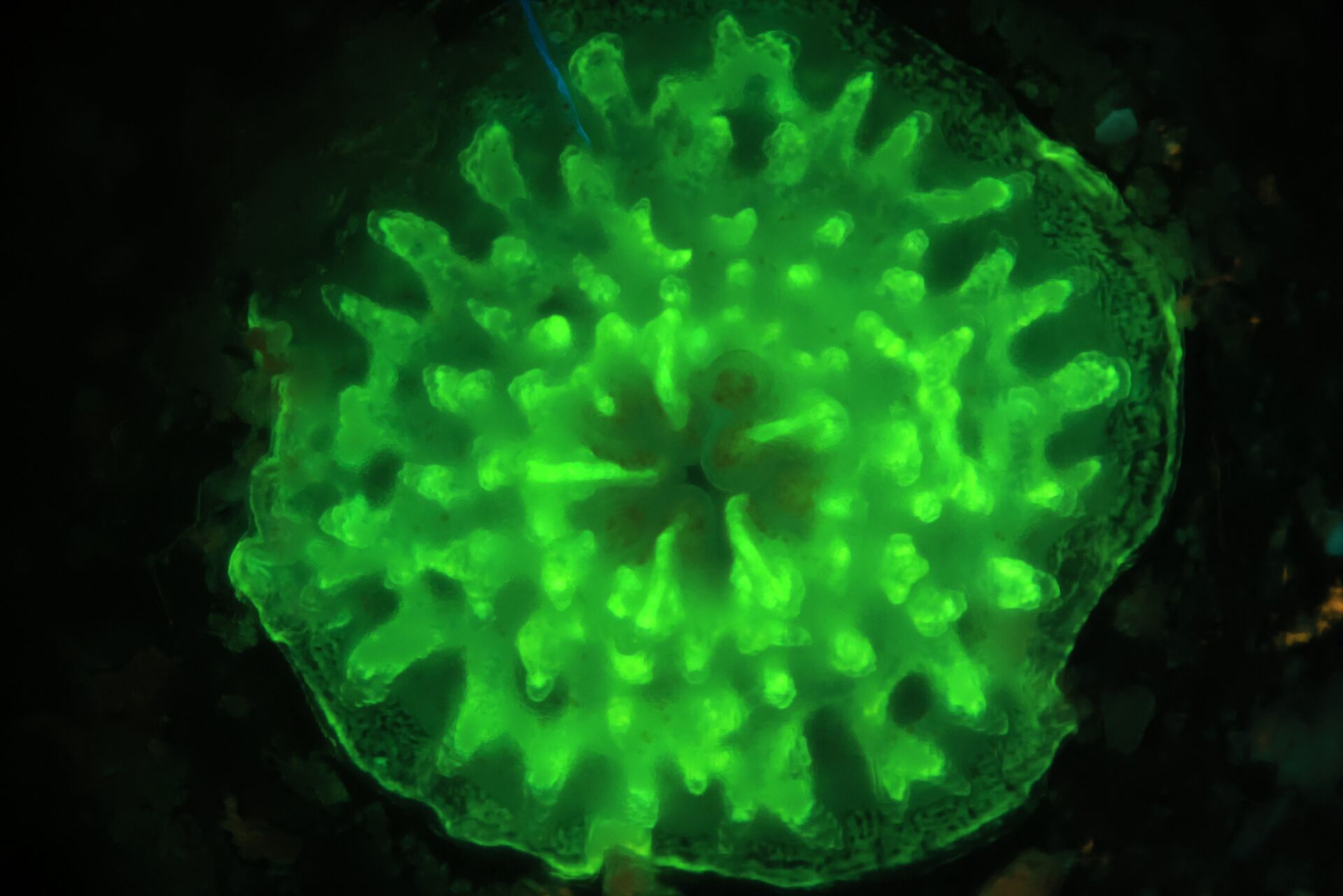
Canon’s imaging technology – high-resolution cameras paired with macro lenses capable of magnifying up to five times life size – has given the researchers the ability to document the coral life cycle at scales and speeds that were, until recently, simply invisible. The release of gametes, the first hours of fertilisation, the early embryological stages, the moment of larval settlement: all of it can now be captured with a clarity that generates new scientific data.
“It has transformed what we can see and therefore what we can know,” says Craggs. “For a long time, some of the most critical moments in the coral life cycle were simply invisible to us in any practical scientific sense.”
Beyond documentation, the imaging tools have operational applications: individual coral plugs can be tracked over time, mortality rates monitored, surface area measured. Photogrammetry – building three-dimensional models of coral structures from sequences of photographs – allows growth to be tracked with precision that would otherwise be very difficult to achieve. And the resulting imagery serves a purpose beyond the laboratory, communicating what is happening at microscopic scale to researchers, policymakers and the public in ways that build understanding and make the case for action.
CSI’s model for how this science should travel is deliberately open. From the outset, the principle has been that the knowledge developed – on coral life cycles, spawning induction, post-settlement growth and survival – should be freely available to any community, institution or research team anywhere in the world that wants to restore its local reefs.
“The moment you put this knowledge behind commercial walls, you limit who can benefit from it,” says Craggs. “And the reefs that need it most are often in places with the fewest resources.”
The partnership with Nature Seychelles represents an evolution of that model in practice: staff trained on the ground, local expertise built into the process, the facility run as a core part of Nature Seychelles’ programme rather than as an externally managed intervention. The long-term vision is to see it replicated across the Western Indian Ocean and Africa’s reefs more broadly, with the lessons from Cousin Island feeding into research and practice far beyond Seychelles’ shores.
Shah shares that ambition – and frames it in terms of what the Seychelles has always been capable of, despite its size.
“Seychelles is a small island state, but we have always punched above our weight in conservation,” he says. “Our Coral Reef Restoration Toolkit began here and has been used far beyond Seychelles. I believe the same can happen with this new generation of work.”
There is a question that hangs over all of this – one that both Craggs and Shah engage with directly and without evasion. Selective breeding and assisted reproduction are powerful tools. They can buy time. They can increase genetic diversity and improve the odds of survival for out-planted corals. They cannot substitute for addressing the root cause of reef decline, which is carbon emissions and the ocean warming that follows.
“Selective breeding and reef restoration buy time,” says Craggs. “They give coral populations more runway to adapt and recover. But they cannot substitute for addressing the root cause, which is reducing carbon emissions and halting ocean warming. The science and the climate action are not alternatives to each other. They are both essential.”
Shah is confident in what success looks like, and what it does not.
“We should not sell false hope,” he says. “But we should not surrender to despair either.”
What he is optimistic about is the power of doing something visible, measurable and tangible in the face of a crisis that can feel overwhelming. Coral restoration is, in his words, one of the most powerful antidotes to environmental despair precisely because it is hands-on. You are not standing on the shore watching the damage unfold. You are in the water, doing something.
“I am optimistic because I have seen what happens when science, commitment and the right partnerships come together,” he says. “Now, with the breeding facility, with the science brought by Coral Spawning International, and with Canon helping us document and share this work, we have tools we did not have before. We are no longer only trying to regrow coral. We are trying to restore diversity, resilience and hope.”
On a warm night somewhere above the reefs of Cousin Island, the moon is doing what it has always done. The water temperature is shifting in ways that the corals, in their ancient and precise way, are registering. And in a land-based facility on Praslin, the tools now exist to listen to what the corals are saying – to catch what the reef releases, to cross it deliberately, to grow it carefully, and to send it back.
And the living lava lamp rises. The window opens. And this time, someone is ready for it.

Printed editions
Current issue
Back issues


Enjoy so much more from Oceanographic Magazine by becoming a subscriber.
A range of subscription options are available.
