Tradition in Tanzania: Reviving East Africa's Ocean Heritage
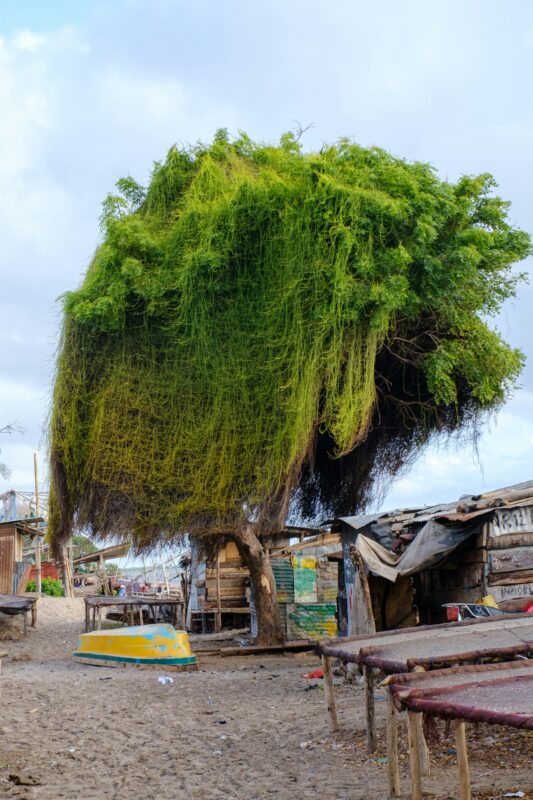
Along the eastern shores of Tanzania, where the sun meets the Indian Ocean's azure waters, a timeless connection between humanity and the sea thrives. Here, the rhythmic sound of waves mingles with the creaking of wooden vessels, and ancient wisdom coexists with modern challenges.
The world’s ocean, an expansive blue domain covering more than two-thirds of Earth’s surface, has profoundly shaped human history. These waters have connected diverse cultures, serving as vital conduits for global trade and fostering the exchange of goods and ideas across continents. Throughout history, the sea’s far-reaching impact is evident, shaping cultures and linking people worldwide.
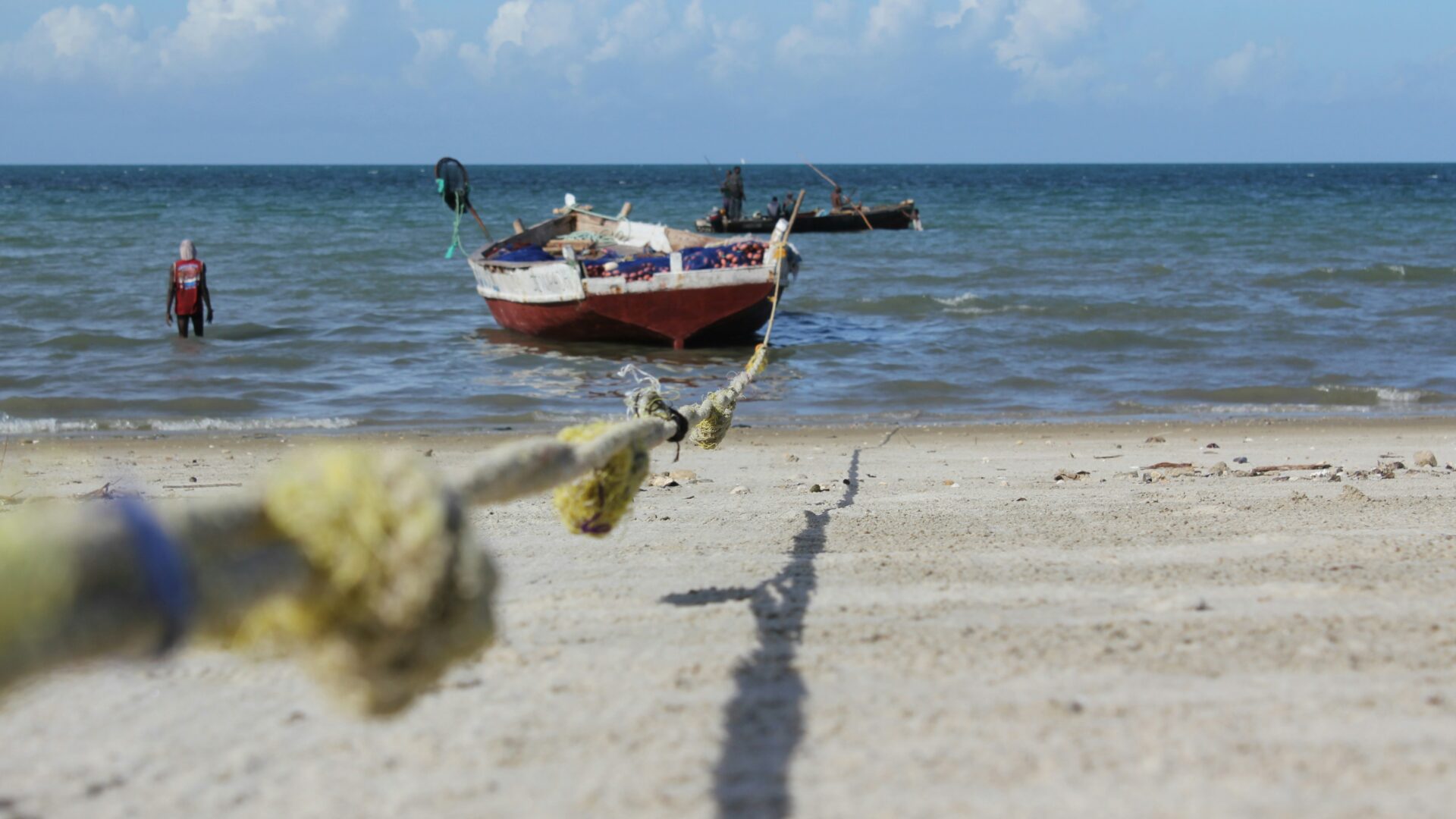
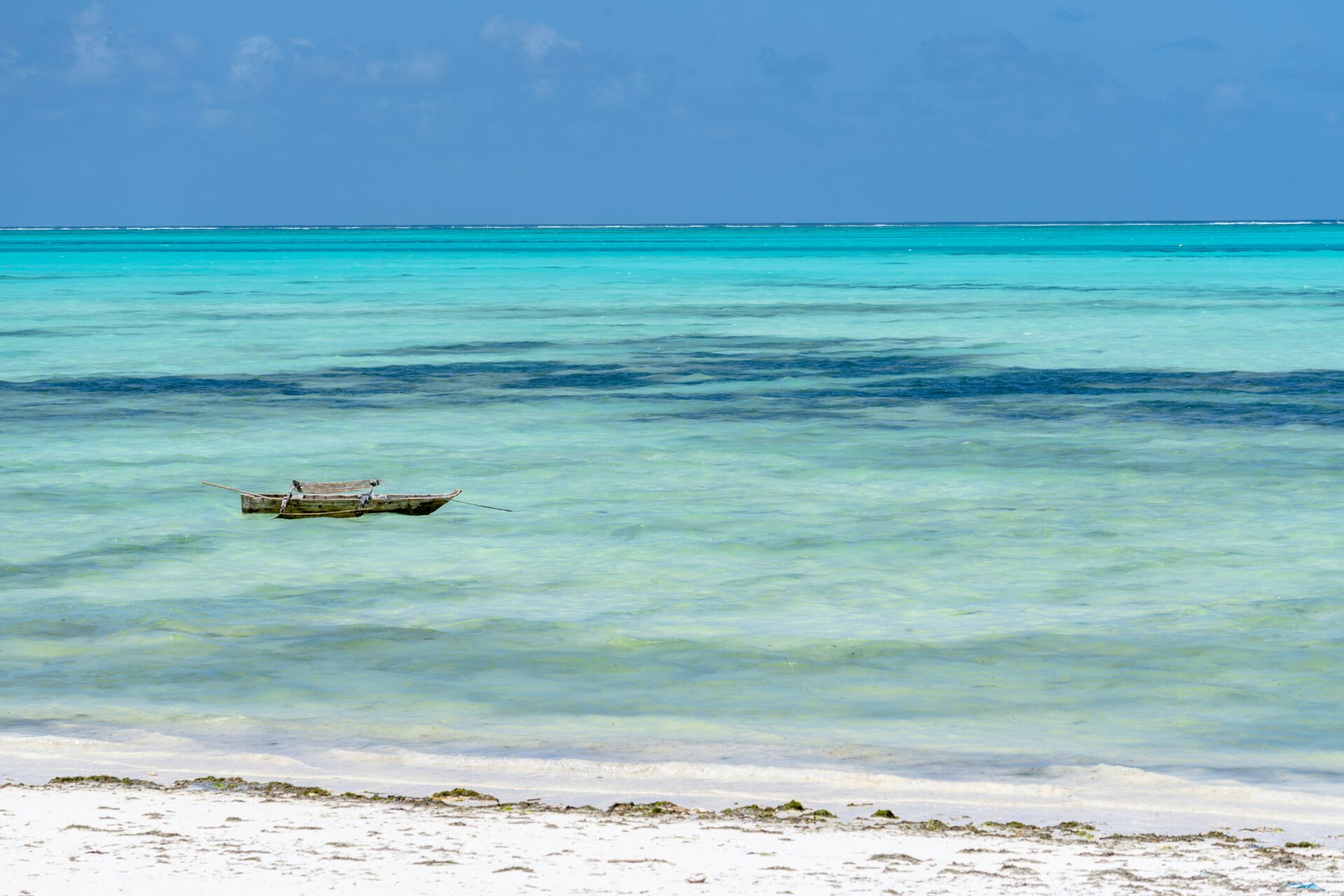
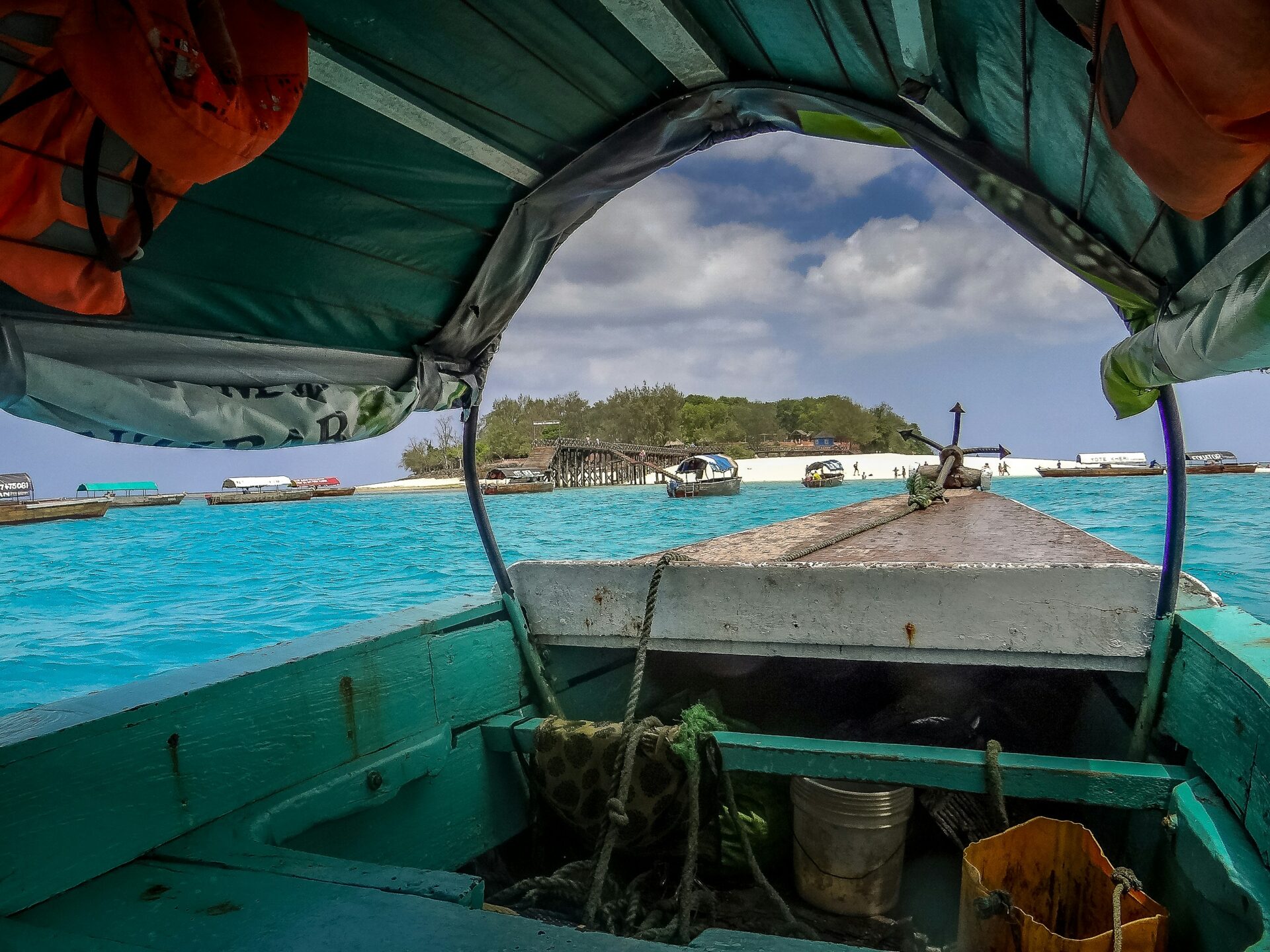
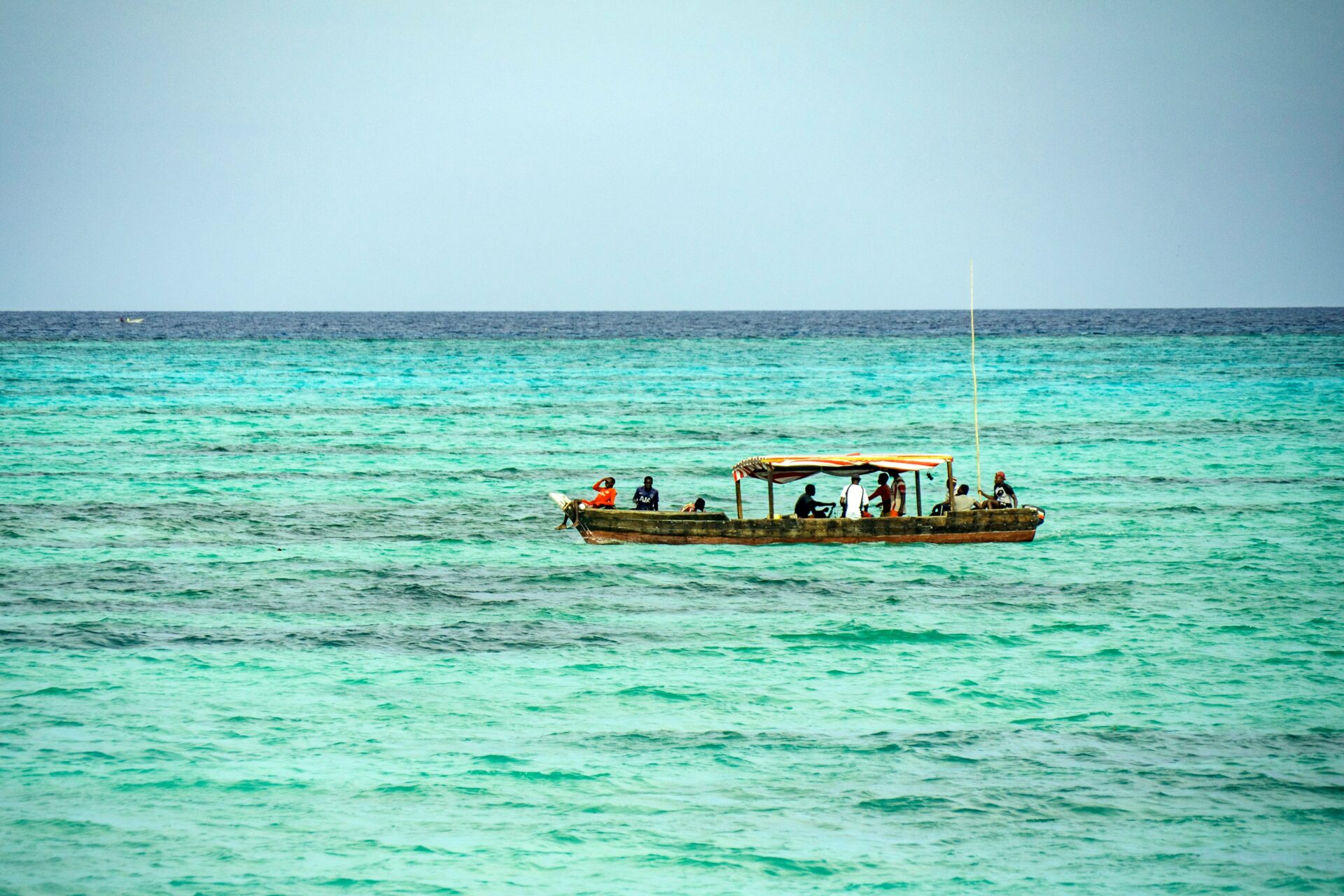
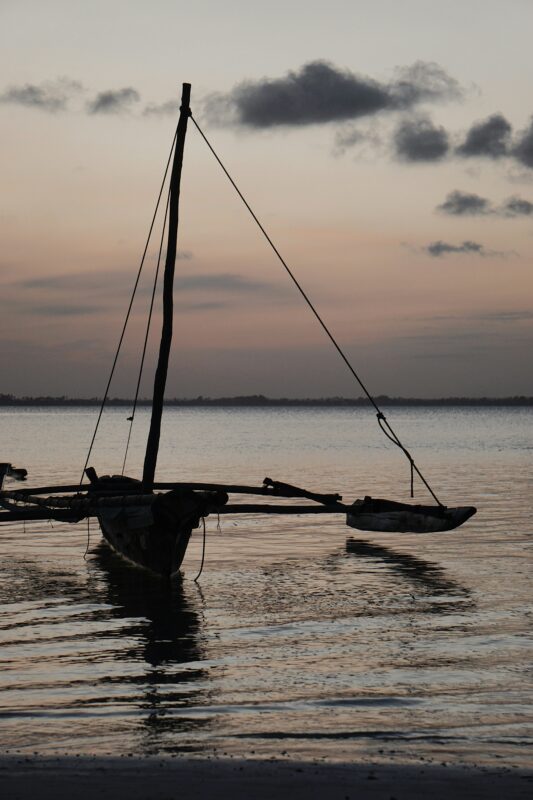
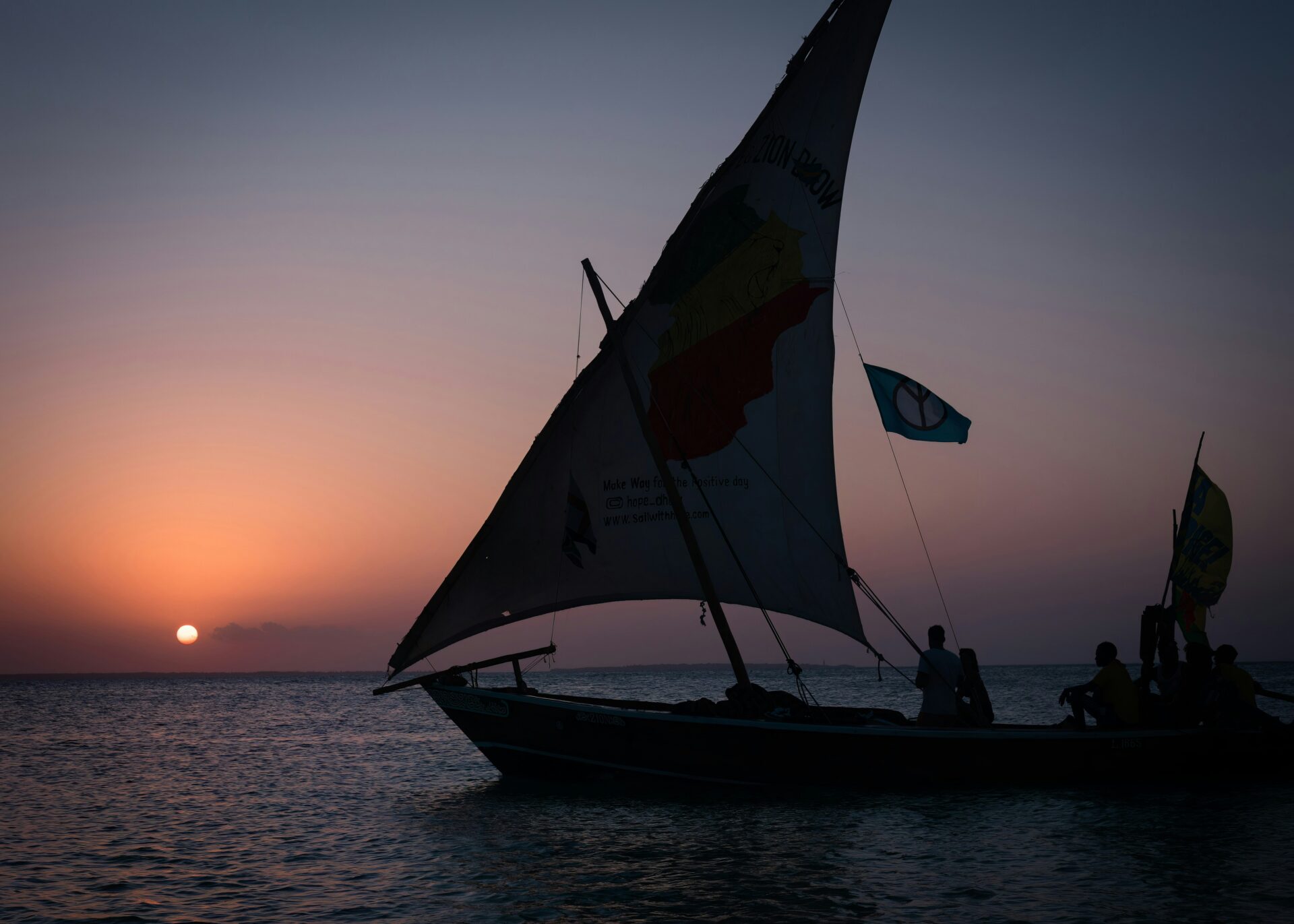
One iconic symbol of this rich maritime heritage is the dhow, a traditional wooden sailing vessel that has traversed the Indian Ocean for centuries. With more than 4,300 of these boats navigating the waters, the dhow represents over 1,500 years of cultural and economic exchange between East Africa and the Arabian Peninsula. Expertly crafted from ancestral forests and skilfully steered by seasoned mariners, these vessels embody the deep connection between communities and the sea.
Along Tanzania’s coastline, this connection is palpable. Coastal villages draw on centuries-old wisdom passed down through generations. Elders gather to share ancient sea stories – oral histories that preserve sustainable fishing practices and vital knowledge of ocean currents and tides, essential for navigation and survival.
“Traditional knowledge plays a very significant role in understanding and preserving the ocean because it reflects a deep connection between these communities and their surroundings,” says Shamim Wasii Nyanda, lead at the Tanzania Ocean Climate Innovation Hub.
“In East Africa, Indigenous and coastal communities have a long history of sustainably managing ocean resources. This knowledge provides invaluable insights into the natural cycles of ocean ecosystems, which modern science is only beginning to understand.”
Yet, as urbanisation and technological advancements sweep through these regions, new challenges arise. The tide of modernity threatens to sever ties to ancestral roots and the invaluable knowledge that maintains a balance between humans and the marine environment.
Other features





“We’re witnessing a growing disconnection between youth and the ocean,” Nyanda explains. “Modernisation has distanced young people from the wisdom and practices of their elders, jeopardising the deep connection between communities and their surroundings.”
In the face of modern challenges, East African communities are finding innovative ways to bridge the gap and revitalise traditional knowledge. By integrating ocean literacy – a concept that encompasses understanding the ocean’s influence on us and our influence on the ocean – these communities are reconnecting past and present to promote sustainable ocean management.
“Tanzania’s approach combines scientific research with traditional wisdom, offering a holistic model for addressing the complex challenges of ocean conservation amidst climate change,” Nyanda explains. “By showcasing the successes of local and Indigenous community-led conservation efforts, we contribute valuable insights to global discussions.”
One such initiative making strides in Tanzania is the Ocean Literacy Cafés. These community gatherings foster mutual learning and respect by bringing together elders and youth in collaborative spaces. They serve as platforms where traditional knowledge is shared, ensuring it is passed down to future generations.
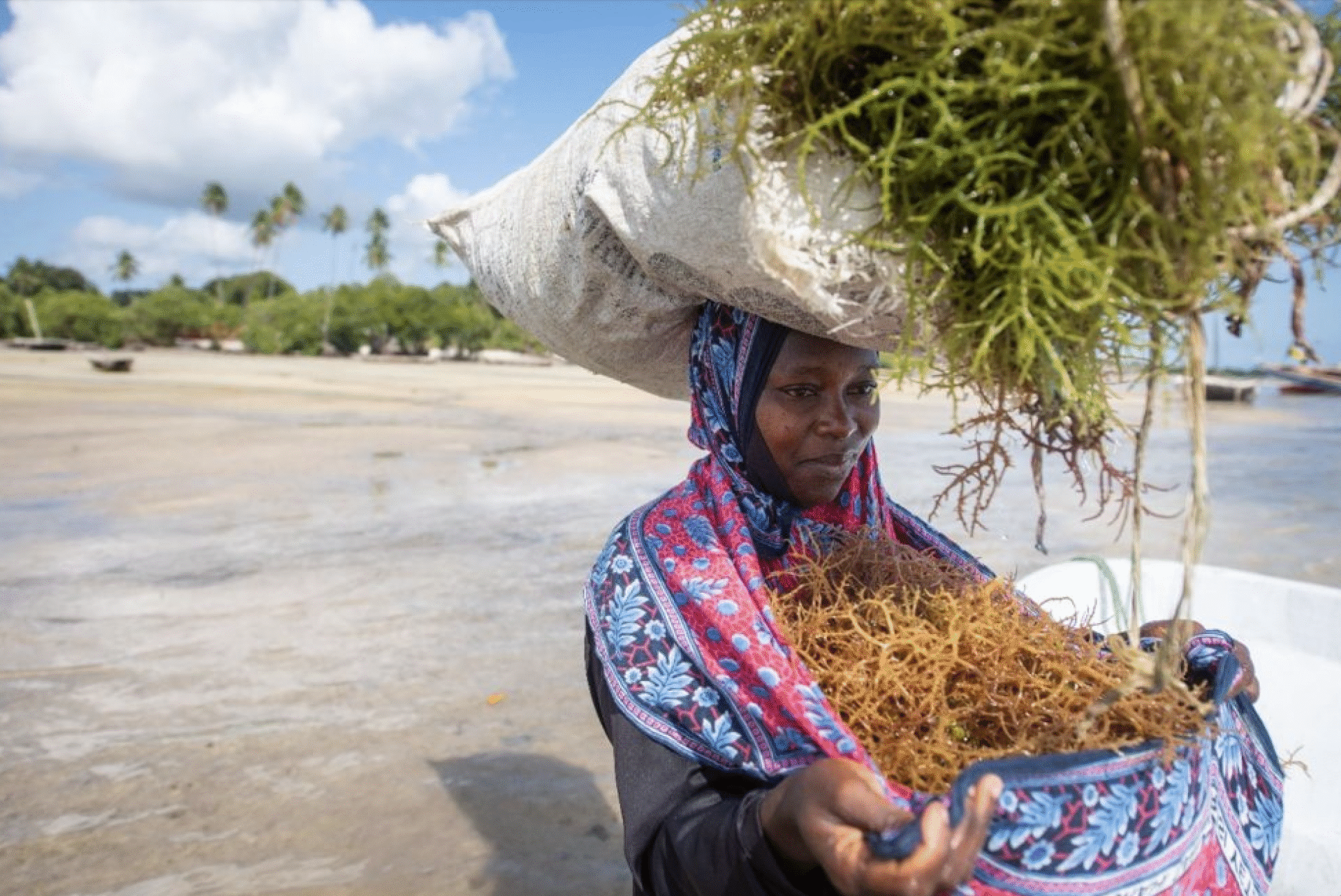
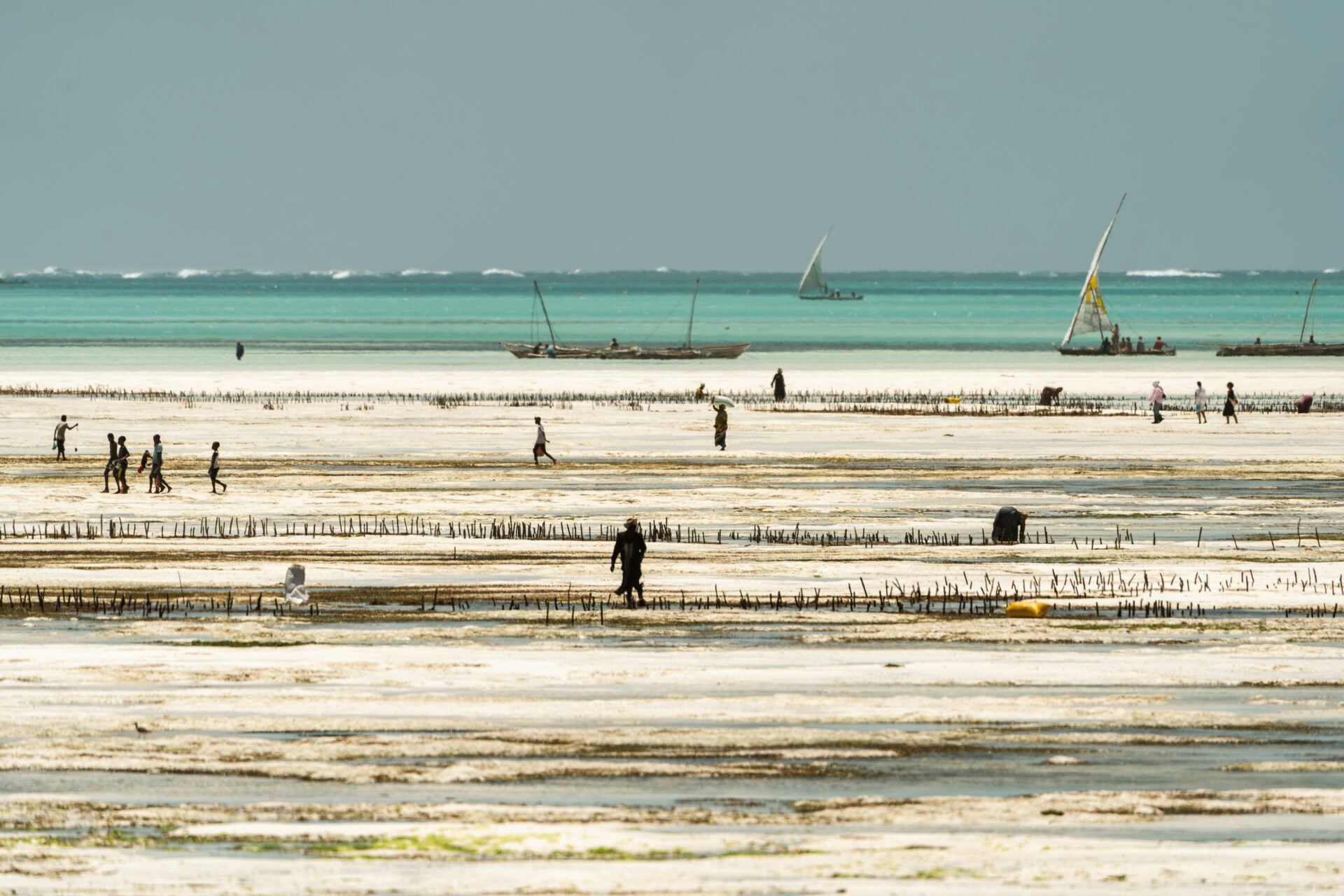
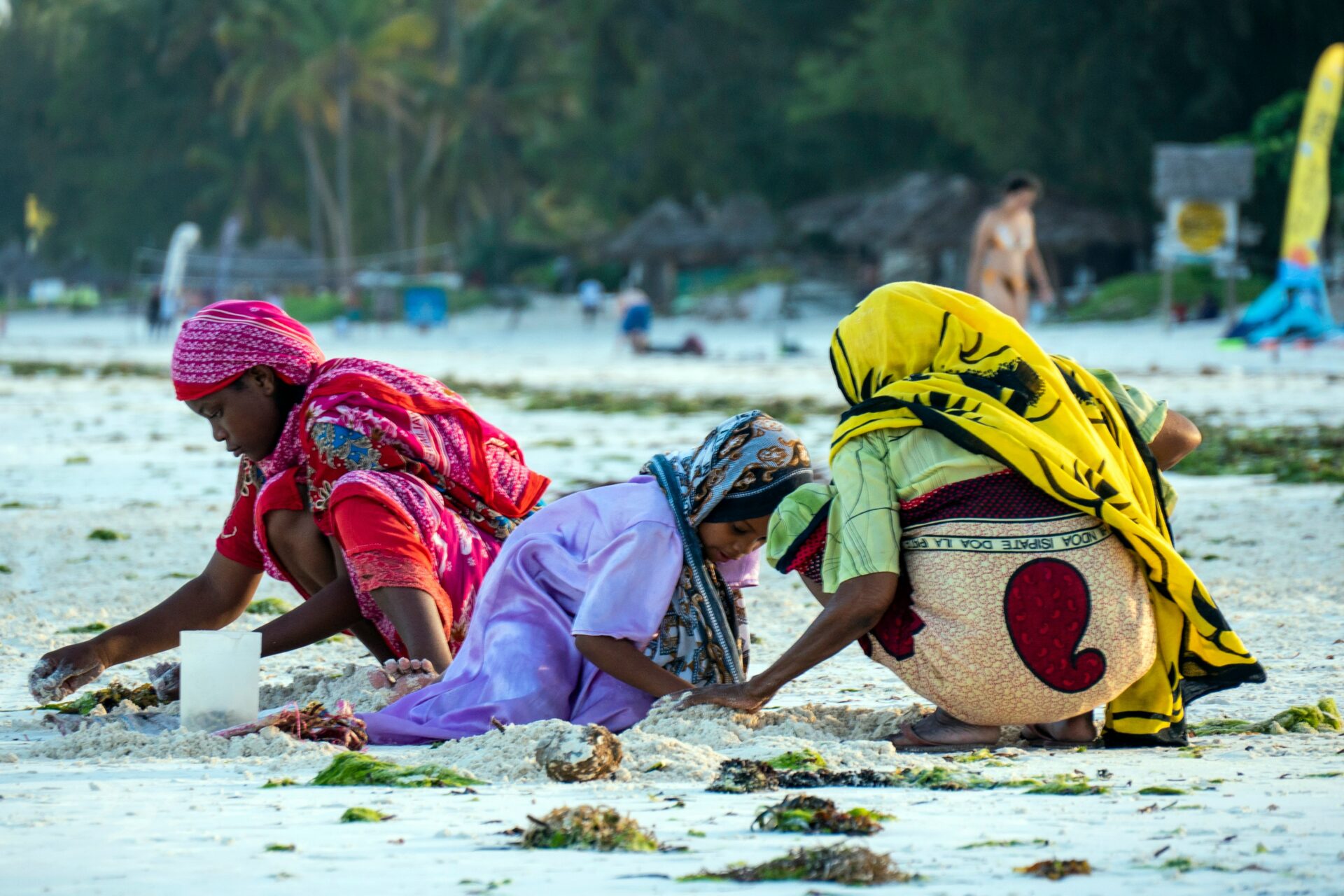
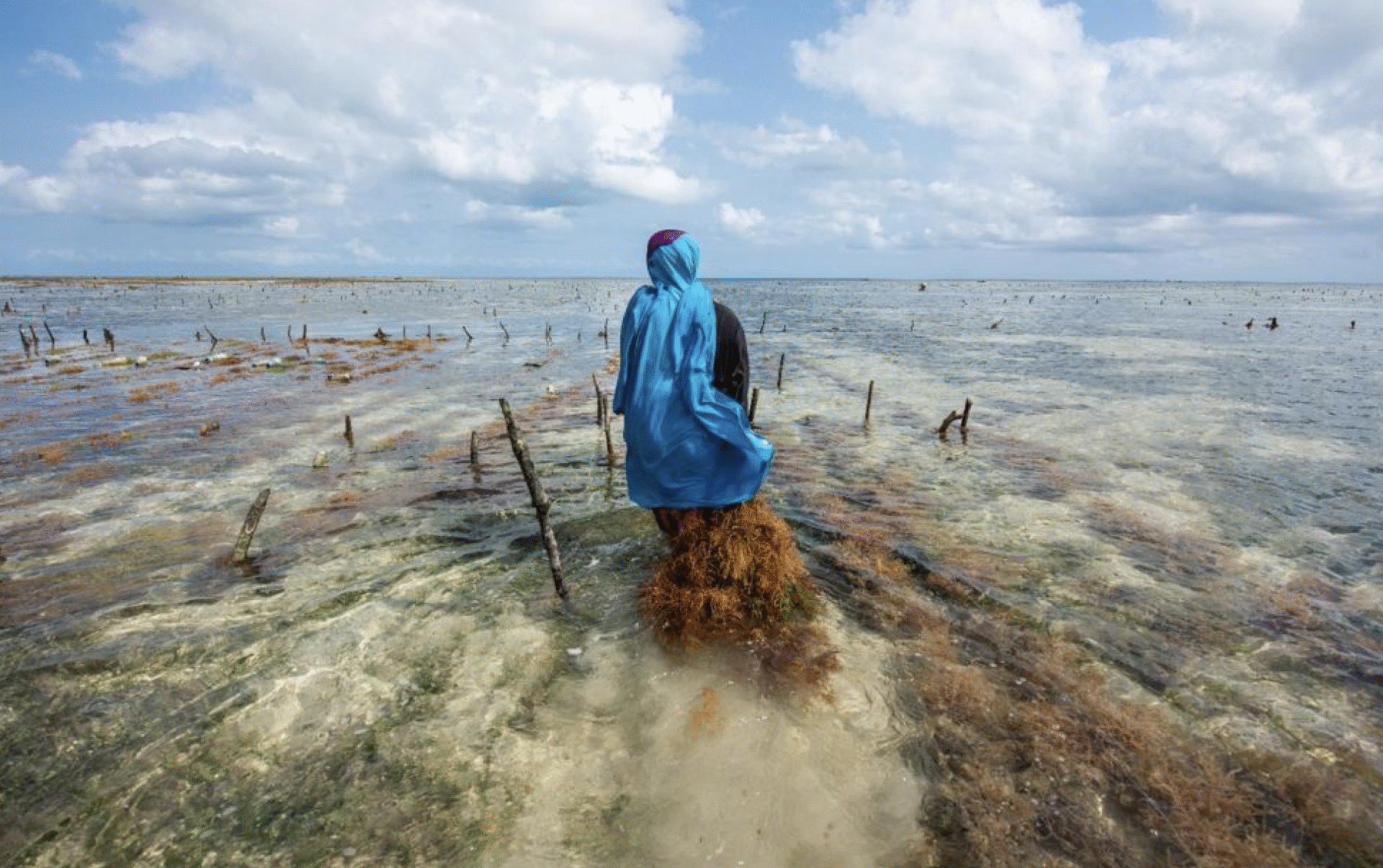
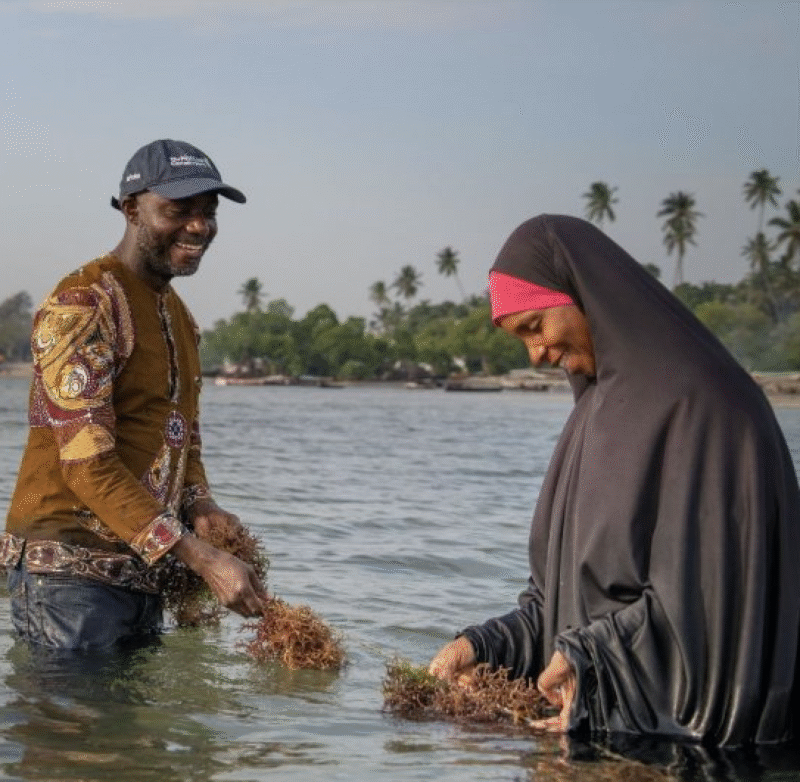
Seaweed farming workshops are also making a significant impact. According to the Reef Resilience Network, seaweed farming is the third-largest export industry in Tanzania, employing over 25,000 farmers – 80% of whom are women.
“Recently, we held a seaweed exchange café where the Bagamoyo community taught young people how to grow seaweed, its benefits, and the practical aspects of cultivating it in the ocean,” Nyanda shares. “Seaweed farming offers economic opportunities and environmental benefits. It’s a way to engage women and youth, thus promoting gender inclusion and empowerment.”
Schools are actively involved in these ocean literacy activities, teaching traditional methods alongside modern techniques to enhance productivity and resilience. This fusion mirrors the “Two-Eyed Seeing” approach – a framework that advocates viewing the world through both Indigenous and Western scientific perspectives to promote mutual understanding and respect.
“We cannot create effective policies without the input of those who have lived and worked with the ocean for generations,” Nyanda emphasises. “Embracing diverse perspectives and creating platforms for Indigenous communities to share their wisdom cultivates a more inclusive and holistic approach to ocean literacy. Valuing and preserving traditional knowledge not only safeguards cultural heritage but also paves the way for more effective and inclusive ocean conservation strategies.”
While grassroots efforts thrive, a transformative movement is reshaping legal frameworks on a global scale. The concept of Ocean Rights advocates for recognising the legal rights of the ocean as a living entity, acknowledging its intrinsic value beyond resource exploitation. This paradigm shift seeks to redefine the human-ocean relationship from one of domination to one of respect and stewardship.
Michelle Bender, Legal Counsel and Head of Ocean Rights at Ocean Vision Legal, spearheaded this innovative framework in 2017. “At that time, headlines were abuzz with the announcement of Te Awa Tupua, the Whanganui River, being recognised as a legal person in New Zealand,” she explains.
“It didn’t make sense why we weren’t applying this framework to the ocean – so I made it my mission to do so.”
This progressive approach aligns with Indigenous perspectives that view the ocean as a living being. By integrating these values into modern legal systems, conservation efforts become more inclusive and effective. Legal recognition of nature’s rights bridges the gap between policy and practice, uniting traditional beliefs with contemporary environmental governance.
“Some states are already implementing Ocean Rights frameworks,” Bender notes. “There’s potential for East African nations to adopt similar models, further aligning tradition with modern legal systems.”
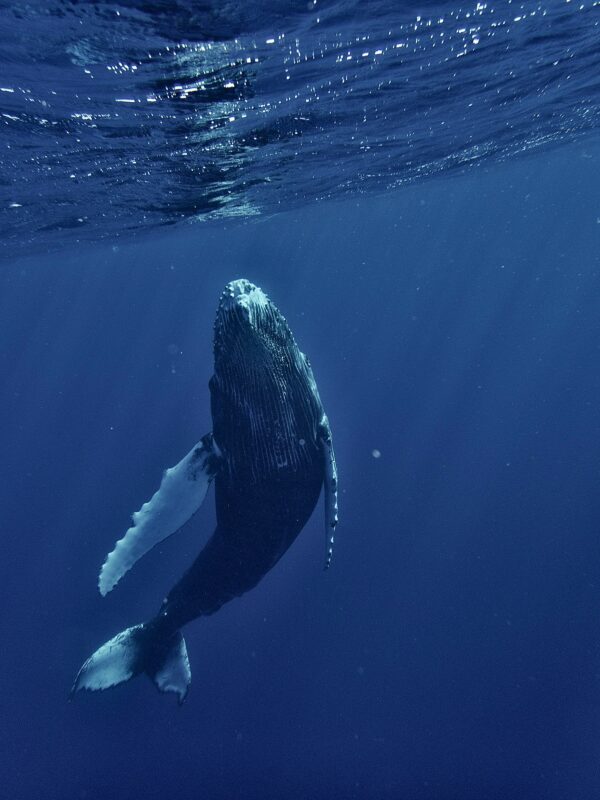
The recent call for whale personhood in the Pacific signifies another leap forward for Ocean Rights. On March 27, 2024, the Māori people of Aotearoa, Tahiti, and the Cook Islands signed the Declaration for the Ocean to protect the legal personhood of whales. This non-binding declaration establishes whales’ rights to a healthy environment, potentially holding actors accountable for their contributions to climate change, similar to the increasing number of human rights cases globally.
The Constitution of Ecuador exemplifies this burgeoning movement. Amended in 2008, it recognises “Nature, or Pacha Mama, where life is reproduced and occurs, having the right to integral respect for its existence and for the maintenance and regeneration of its life cycles, structure, functions and evolutionary processes.” The Constitution delineates obligations for the government and all persons to uphold and respect these rights, emphasising principles like precaution, ecological development, good living (sumak kawsay) and harmony with nature.
Despite these advancements, challenges remain. Historical mistrust resulting from past exclusions of Indigenous communities in research and management has fostered scepticism among these groups. Moreover, discrepancies between the methodologies of Indigenous knowledge and scientific methodologies can impede effective integration.
“Overcoming these challenges requires collaborative approaches, policy integration, and adaptive methodologies,” Nyanda advises. “We need to create more formal platforms where traditional knowledge can influence policy development.”
Political and economic interests prioritising short-term growth pose additional obstacles to the adoption of Ocean Rights. “Western environmental law primarily treats the ocean as a resource and property, focusing on sustainable use and mitigating harm rather than restoring ecosystems to health,” Bender explains.
“In contrast, Ocean Rights integrates principles of intrinsic value, interconnectedness, reciprocity, and intergenerational equity, allowing the ocean’s interests to be represented and respected in decision-making processes.”
Misunderstandings about what Ocean Rights entail and scepticism about granting legal personhood to nature further hinder progress.
“Some of the biggest challenges are misunderstandings of what Ocean Rights is and what it means in practice,” Bender notes. “For example, some states believe nature cannot have legal personhood – but it can! For international policies to be effective, they need collective buy-in. That’s why our work at Ocean Vision Legal is so important – to ensure there’s a robust legal understanding of Ocean Rights and that this understanding is communicated to the public.”

“In South Africa and Kenya, blue economy strategies present the ocean largely as an economic asset – what we can leverage for local populations’ economic benefit,” points out Professor Rose Boswell, an anthropologist specialising in ocean cultures and heritage in East and southern Africa.
“Yet there isn’t really a cultural component in those strategies, which is strange because the Africa Agenda 2063 explicitly calls for the inclusion of culture for sustainable development. If we apply its recommendations to blue economy strategies, we would have a more integrated and sustainable development plan that includes traditional ecological knowledge.”
Reflecting on the complexities of modern challenges, Boswell observes: “We live in a morally ambiguous world. We need to take collective ownership of the crisis and seek joint ways forward. Engaging with these complexities is crucial rather than avoiding difficult situations.
“Respecting the ocean leads to benefits for both the environment and communities. It enhances resilience to environmental changes and fosters a deeper connection between people and nature.”
Despite obstacles, there is growing global momentum for transformative concepts like Ocean Rights. The integration of Rights of Nature into international law and institutions – such as IUCN Resolution 100 and the Kunming-Montreal Biodiversity Framework – demonstrates increasing recognition of its importance in effectively implementing the Convention on Biological Diversity.
“Just in the last five years, the number of Rights of Nature laws and decisions explicit to marine ecosystems and species has increased,” says Bender. “The momentum is growing for a Universal Declaration of Ocean Rights by 2030.”
By aligning traditional wisdom with modern legal frameworks, East African communities demonstrate how respect for the ocean can lead to sustainable solutions that benefit both people and the planet.
“Collaboration is key,” emphasises Bender. “Partnerships between communities, governments, and organisations build trust and foster respectful relationships.”
Education systems play a pivotal role in this integration. By prioritising the teaching of both scientific and traditional knowledge, the next generation can learn from the best of both worlds. Expanding programmes like Ocean Literacy Cafés and advocating for policy changes are essential steps forward.
“All of humanity is deeply dependent on a healthy and thriving ocean,” Bender echoes. “Recognising legal rights for the ocean is one way to ensure its survival—and ours.”
East African communities are successfully bridging the gap between tradition and modernity through ocean literacy initiatives and legal innovations. By embracing respect rather than mere protection, they align with holistic approaches advocated by researchers and conservationists alike.
“We cannot create effective policies without the input of those who have lived and worked with the ocean for generations,” Nyanda reminds us. “This is not just about preserving the past; it’s about building a future where human well-being and the ocean’s health are in harmony.”
As the world grapples with climate change, biodiversity loss, and the rights of Indigenous peoples, the experiences of African communities offer invaluable lessons. The dhow, sailing gracefully along the Tanzanian coast, symbolises more than a vessel; it represents a legacy of harmony with the ocean—a legacy that holds the key to our collective future.
Through the lens of tradition and innovation, the East African approach to ocean conservation underscores a universal truth: to respect our ocean, we must honour the wisdom of the past while courageously forging new paths. The ocean’s story is our story—a narrative still being written, with each of us holding a pen.

Printed editions
Current issue
Back issues
Enjoy so much more from Oceanographic Magazine by becoming a subscriber.
A range of subscription options are available.
