Vanishing giants: The fight to save our precious mobulid rays
While manta rays were listed under CITES Appendix II in 2013 and devil rays followed in 2016, illegal trade continues. Loopholes and difficulties in identifying dried gill plates by species make enforcement challenging. But come November, change has a chance.
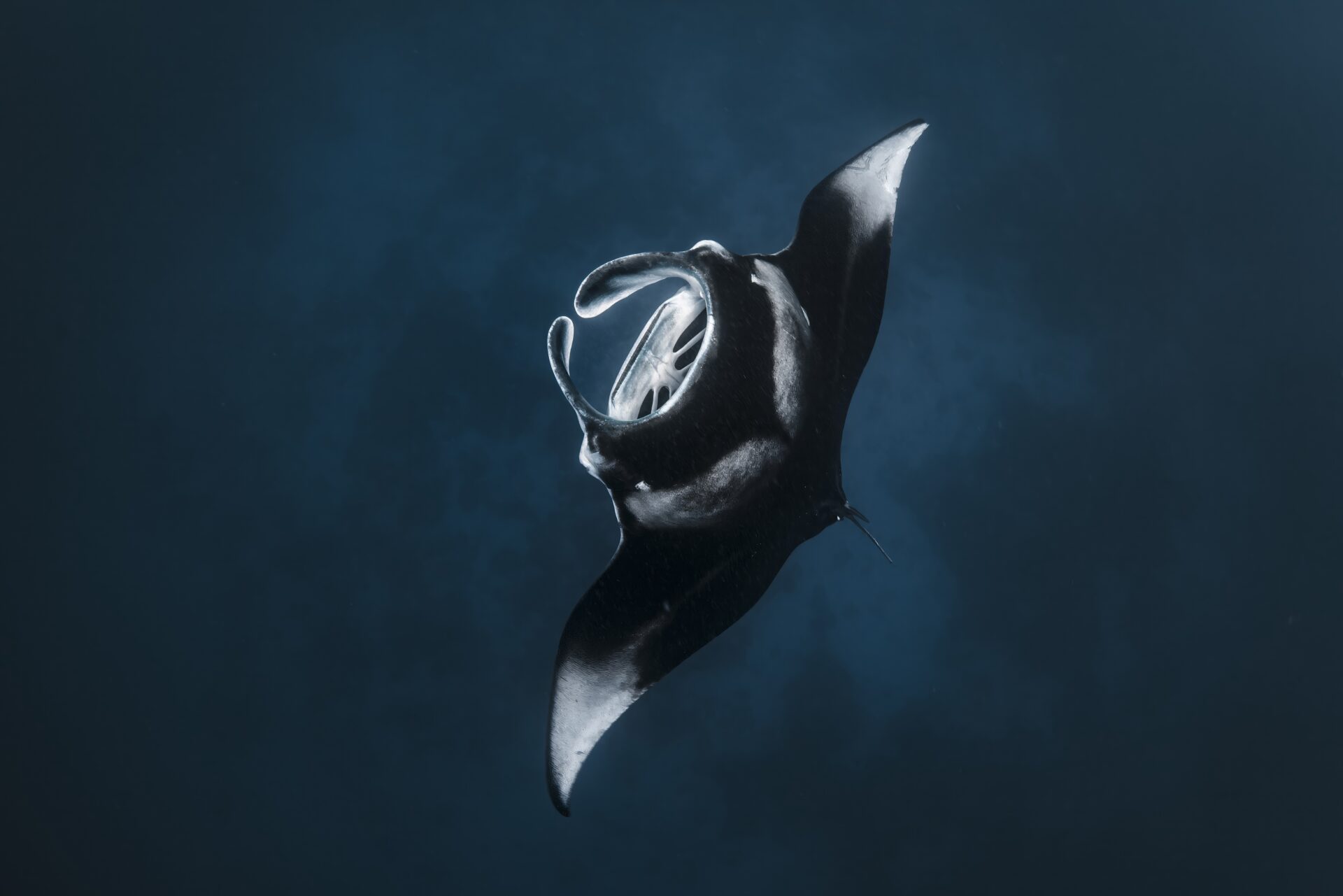
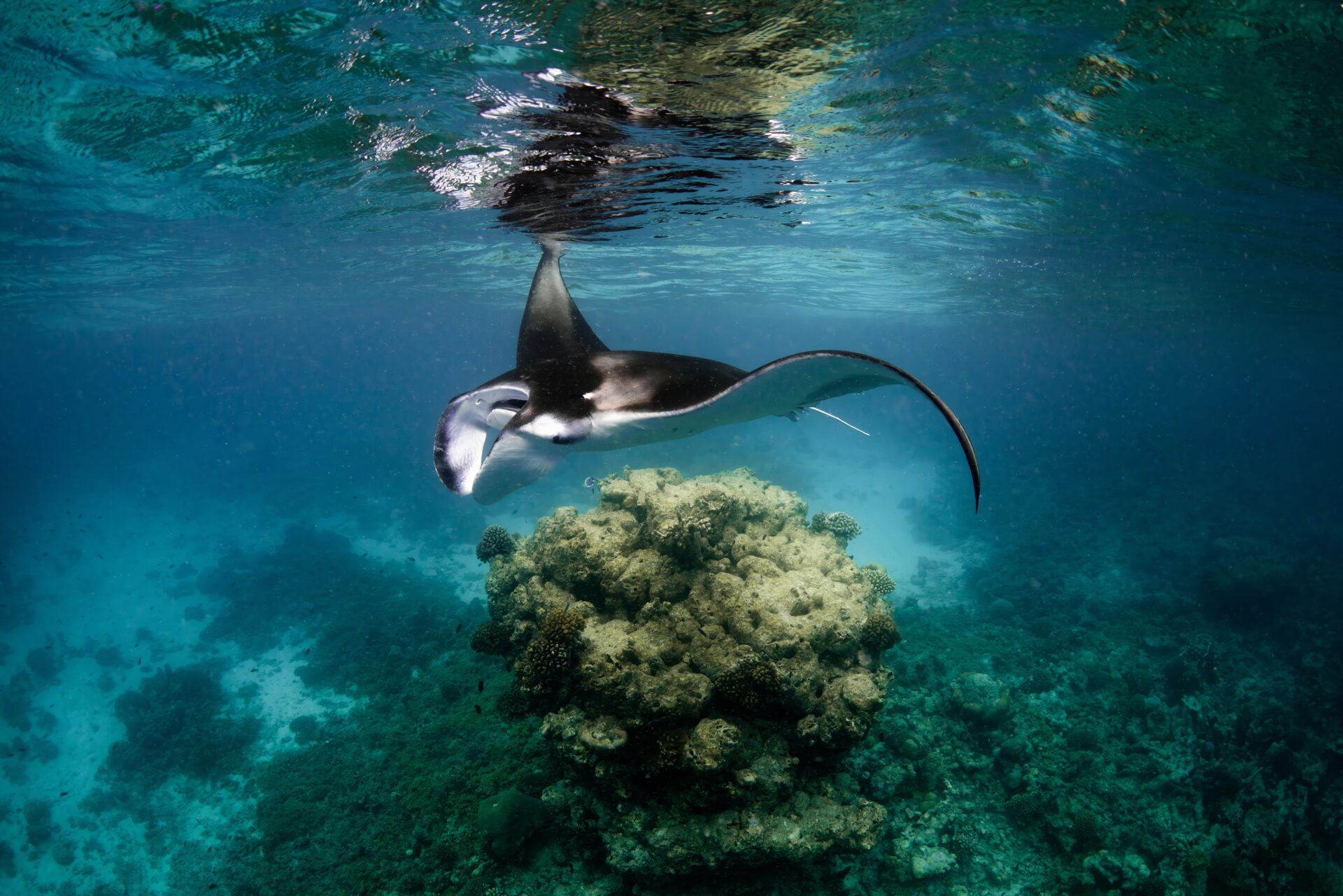
It begins with a shadow. A dark shape beneath the surface, approaching our fishing vessel-turned-research boat in the calm waters of a remote northern atoll in the Maldives.
I sit on the edge with my legs dangling in the water; freedive fins on, mask and snorkel in place. Beneath me, the ocean holds still. I wait for the right moment to slip in and photograph the unique spot patterns on a manta ray’s belly – a natural ID, like a fingerprint.
As the manta nears the stern, I slide quietly into the water with my camera. The shadow sharpens, and soon it’s clear: a 4.5-metre reef manta ray glides past, impossibly graceful.
I take one last breath through my snorkel and dive down a few metres. The manta hovers above me, its fins pulsing with effortless precision. I get the identification shot, then drift toward the surface, and for a brief, suspended moment, I’m allowed into the manta rays world.
Calm and unflinching, it looks at me. Really looks. And I have this moment of connection with a creature from another realm. Moments like these etch themselves into you. When you see a manta like that, it becomes harder to accept what we stand to lose.
Mobulid rays, a group that includes both mantas and devil rays, are among the most intelligent fish in the ocean. With the largest brain-to-body ratio of any fish, they exhibit complex behaviours: self-recognition, courtship rituals, coordinated feeding.
But they are disappearing.
“All nine known mobulid species are threatened, seven of them endangered,” says Dr. Guy Stevens, Chief Executive and Co-Founder of the Manta Trust. “Some populations have declined by more than 90% in just a few decades, and in other areas, localised extinctions have occurred.”
The main driver? Overfishing.
Other features

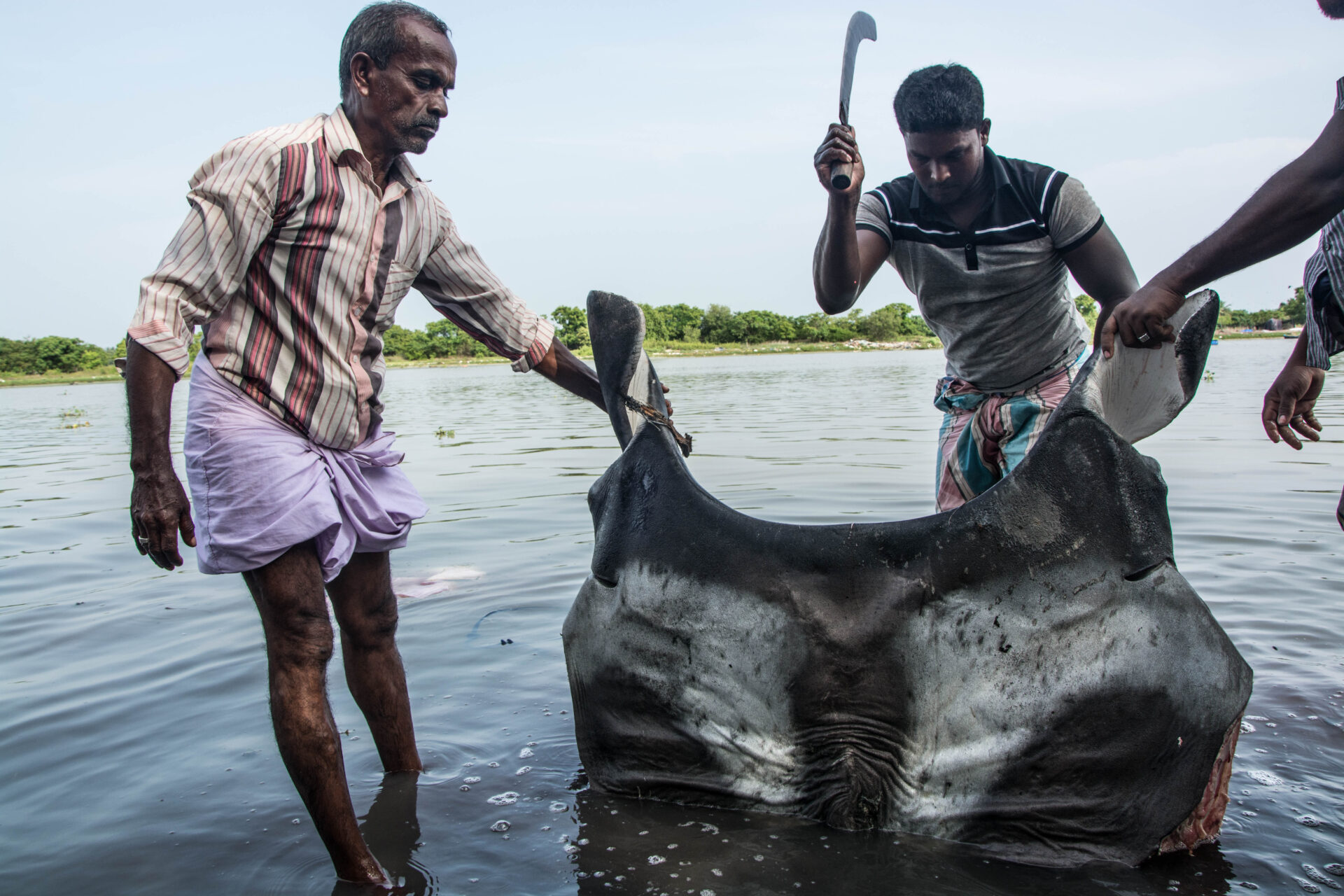
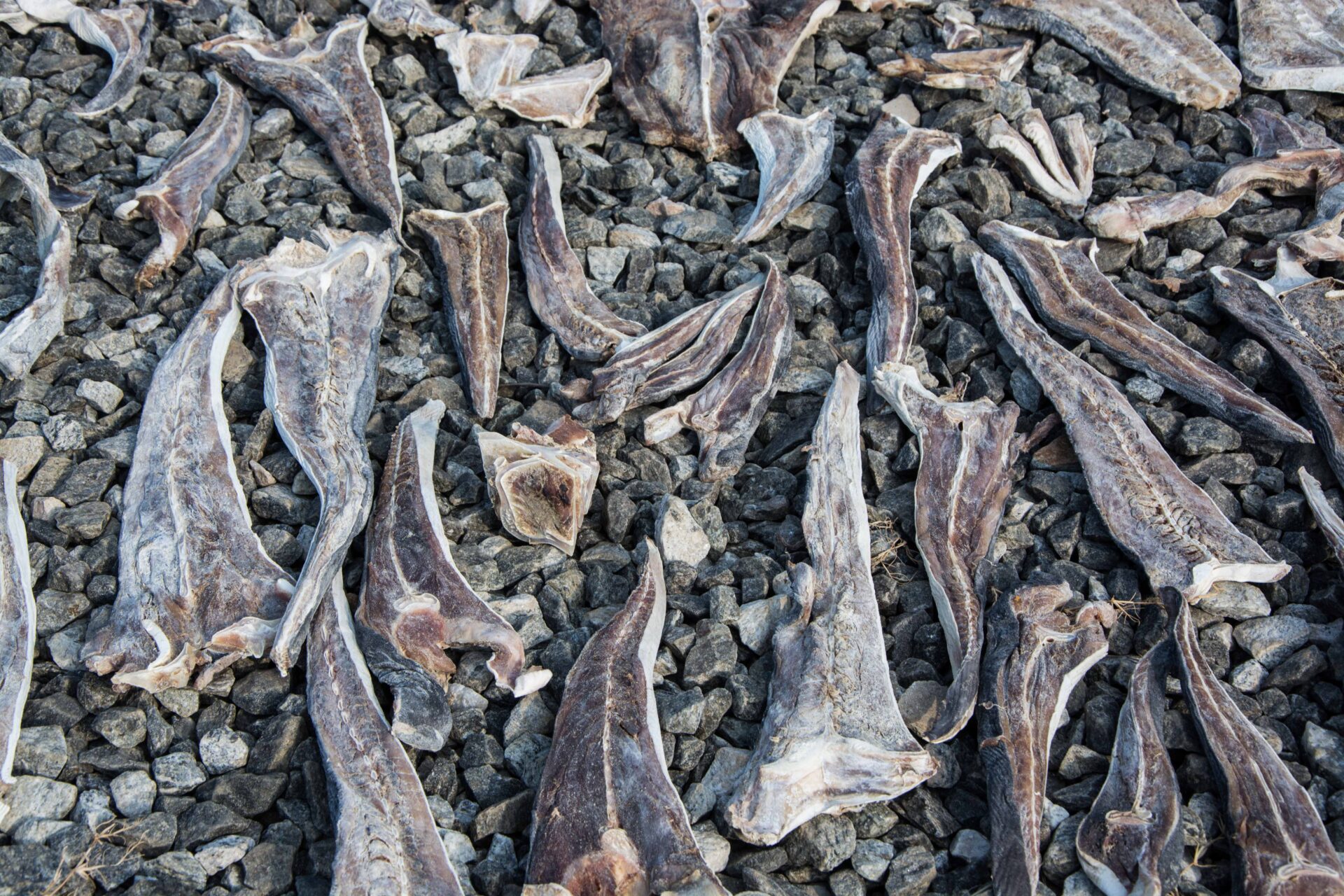
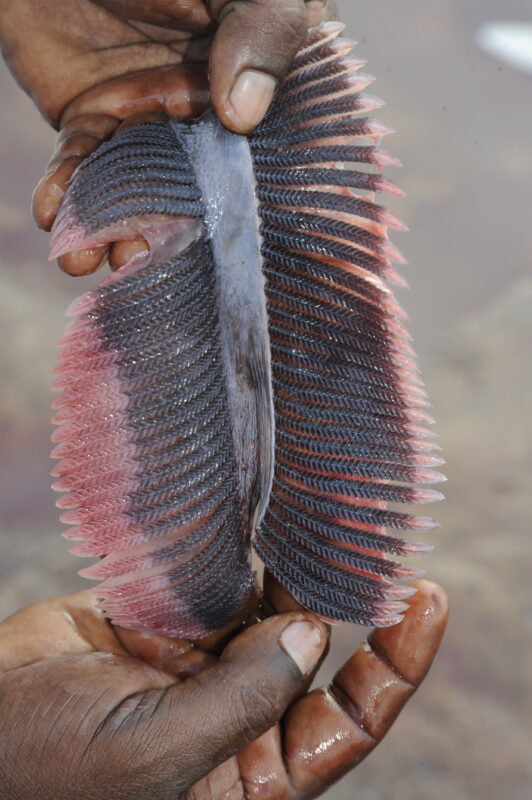
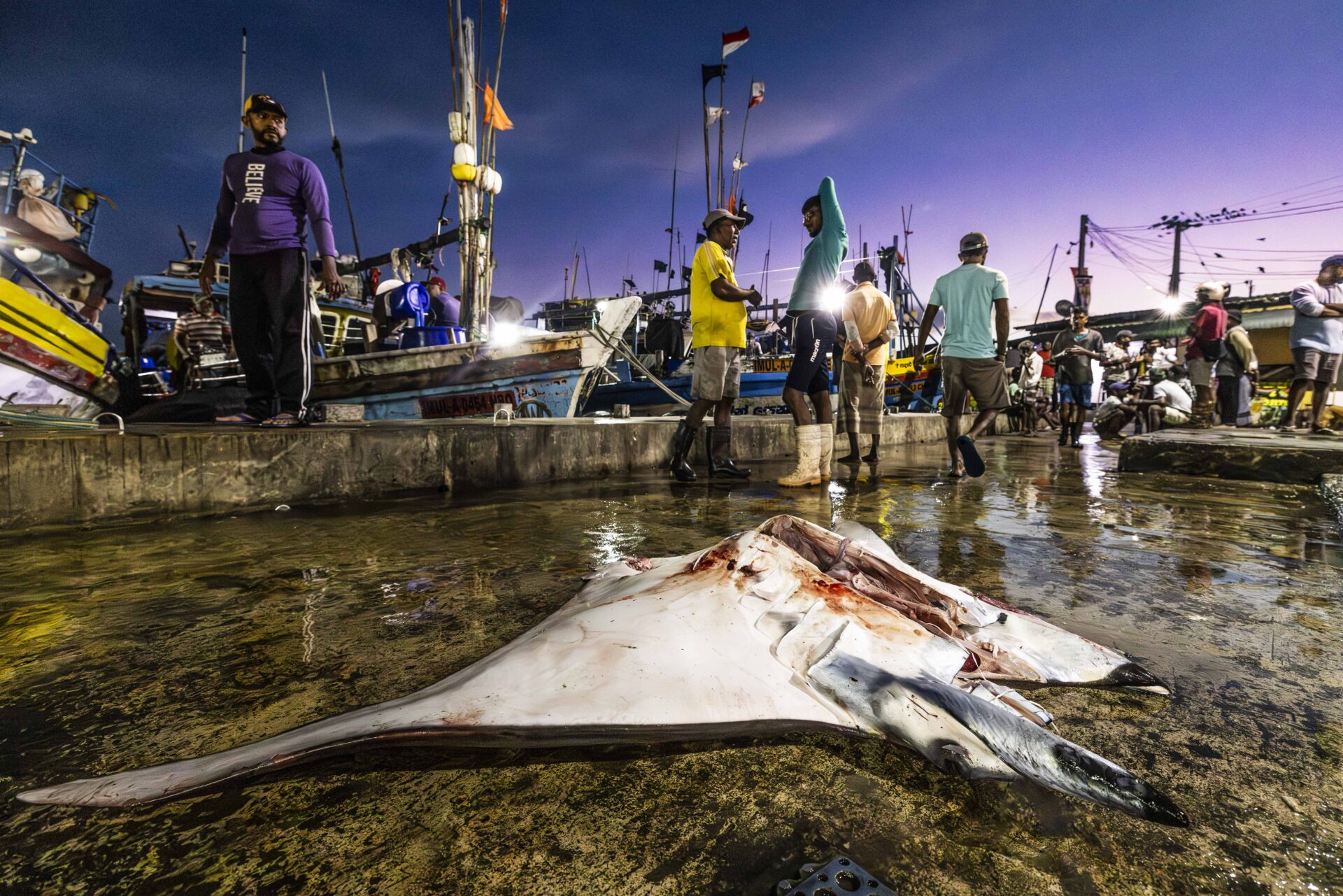
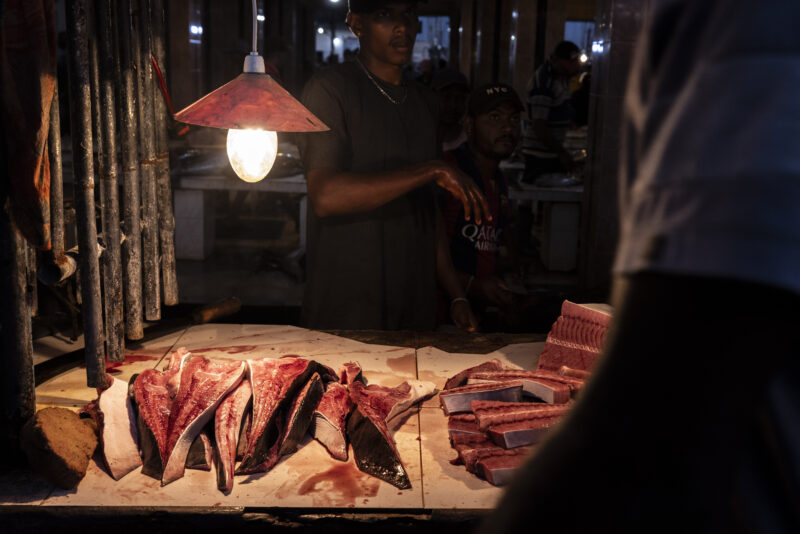
Mobulid populations are in sharp decline, largely due to targeted fishing for their gill plates, sold as pseudo-remedies in traditional medicine and used in Peng Yu Sai soup in parts of Asia. Their meat is also consumed locally and traded internationally. Yet much of this trade flies under the radar: under-reported, poorly monitored, and rarely enforced.
A recent global study led by the Manta Trust found mobulid products being traded across at least 22 countries, often with minimal regulation or oversight.
Current protections aren’t working. While mantas were listed under CITES Appendix II in 2013 and devil rays followed in 2016, illegal trade continues. Loopholes and difficulties in identifying dried gill plates by species make enforcement challenging.
But this November, there’s an opportunity for change.
At the 20th Conference of the Parties (CoP20) to CITES, countries will vote on a proposal to uplist all mobulid rays to Appendix I, the highest level of protection under the treaty.
If approved, it would ban all commercial international trade in mobulids. No more grey areas. No more legal loopholes. A species-wide listing would bring clarity to enforcement.
“An Appendix I uplisting would be a game-changer,” says Dr. Marta D Palacios, lead author of the global trade study. “It would remove ambiguity and make it easier for authorities to clamp down on trafficking.”
Once manta and devil rays are landed, their meat becomes nearly impossible to identify by species, making existing trade controls extremely difficult to enforce. Without stronger, blanket protections, illegal trade will continue to exploit these loopholes.
“Our research makes it clear that existing measures are falling short,” Palacios adds. “Without urgent action, we risk losing these extraordinary species.”
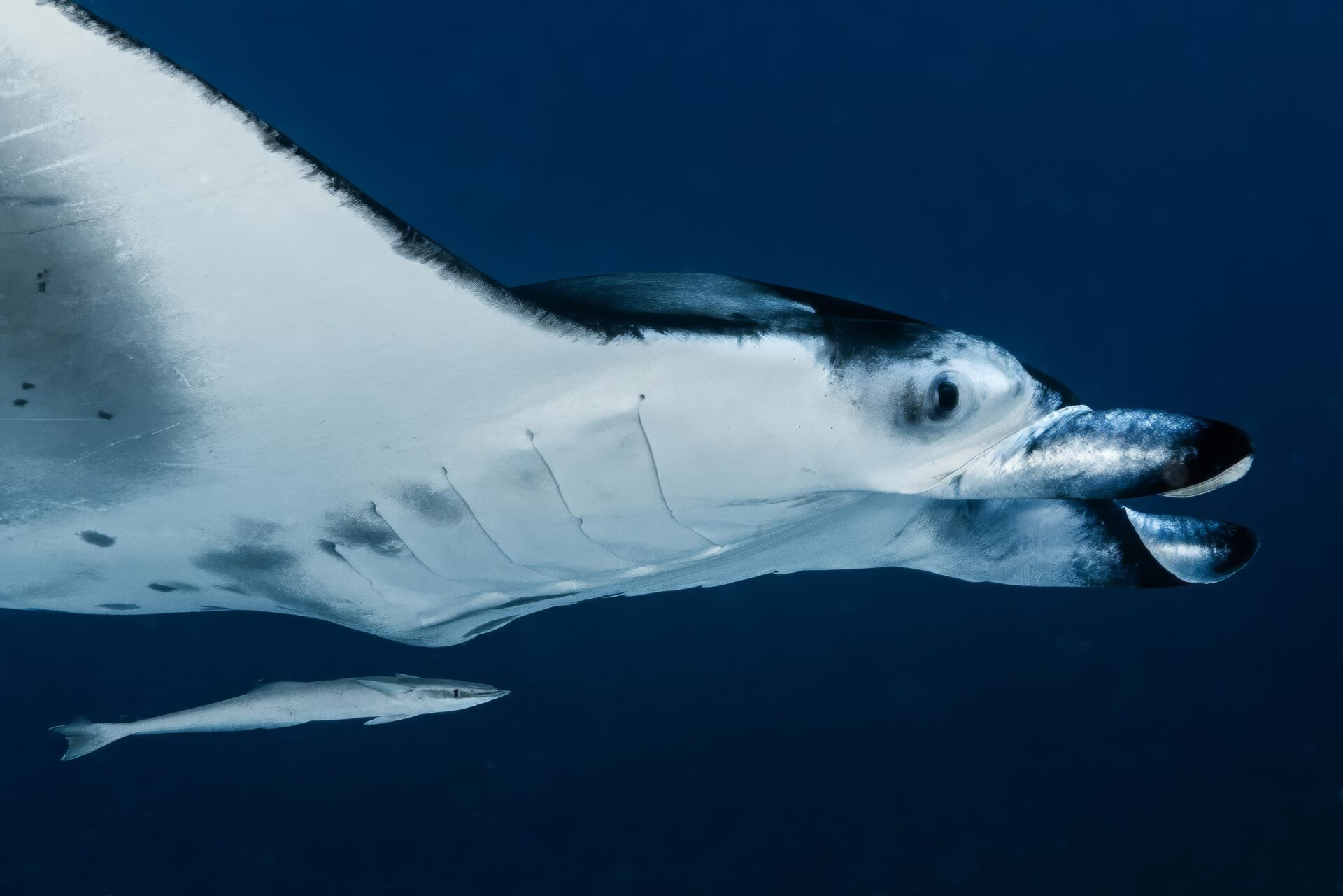
The uplisting proposal, led by Ecuador and backed by a coalition of governments and NGOs including the Manta Trust, is grounded in science. It draws on the most comprehensive global data set on mobulid trade to date and presents a clear, enforceable path to protection.
Mobulids are especially vulnerable because of how they reproduce. They mature late, grow slowly, and produce few offspring, typically one pup every few years. Even low fishing pressure can have long-lasting impacts.
It’s a paradox. These vast, ocean-roaming animals, so seemingly resilient, are biologically fragile.
I think back to another manta encounter in the Maldives. Our research team spotted a reef manta entangled in fishing line, tightly wrapped around its cephalic fin. The ray bore multiple shark bite scars, a sign of vulnerability following injury.
We entered the water to attempt a rescue. At first, the manta circled cautiously. But as we approached slowly, it seemed to understand. It stopped fleeing, hovered in place, and allowed us to cut the line away. It was a striking moment of trust with a wild animal, wordless, yet unmistakably clear. It left a lasting impression on me, strengthening my commitment to manta conservation.
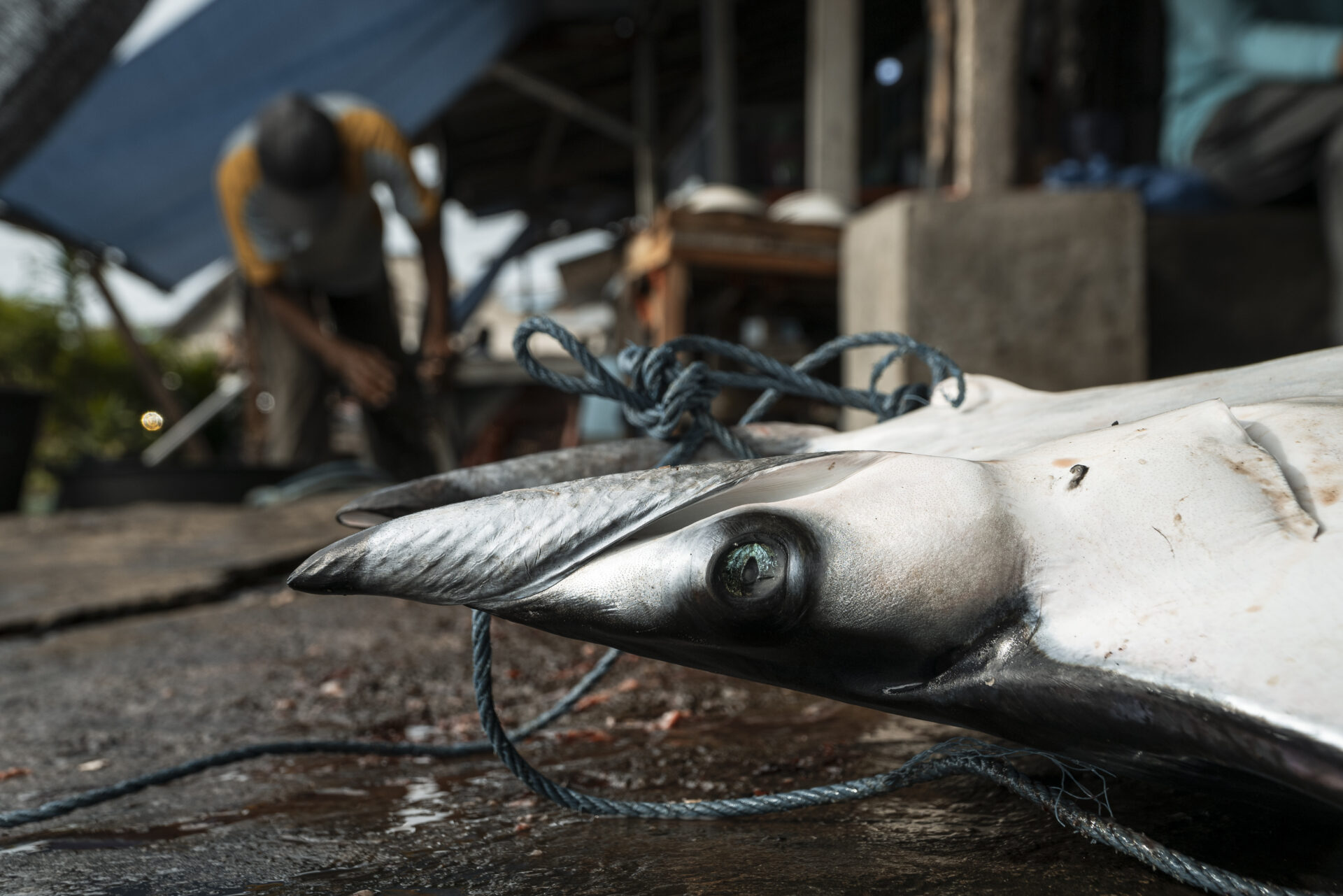
In the lead-up to the CITES vote, the Manta Trust has launched its #SaveTheMantas campaign. It’s both a public awareness effort and a message to policymakers. Ocean lovers are encouraged to buy a campaign T-shirt, take a photo, and upload it to the Manta Trust’s campaign page, which will be presented as a mural of support to delegates at CoP20.
“We want decision-makers to know the world is watching,” says Guy Stevens. “These animals are more than just statistics. They’re real, and they matter.”
Divers often talk about “bucket list” moments, and seeing a manta ray usually makes the cut. But this isn’t just about ticking a box. It’s about recognising what’s worth protecting.
When we lose species like mobulids, we lose more than biodiversity. We lose part of our connection to the ocean.
The good news? We still have time to turn things around. An Appendix I listing is a critical step; it brings stronger protections, more accountability, and global recognition of the urgency.
But policy alone isn’t enough. Public pressure, awareness, and local action matter too. National laws must be enforced. Community protections strengthened. And demand for gill plates and meat addressed at the source.
Change is possible, and it’s already happening.
Let’s keep pushing. For the mantas, for the ocean, for the future.
Printed editions
Current issue
Back issues


Enjoy so much more from Oceanographic Magazine by becoming a subscriber.
A range of subscription options are available.
