Why are polar experts taking a stand against geo-engineering?
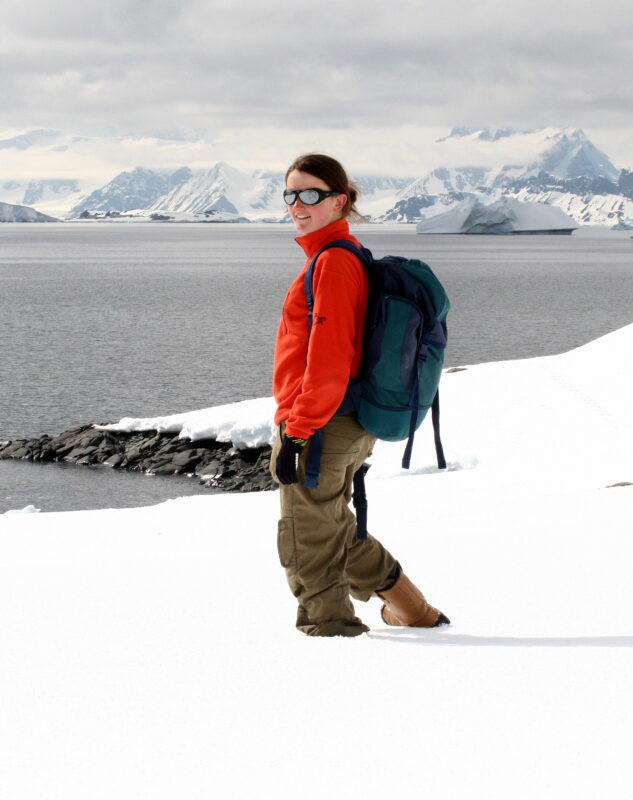
Dr. Sian Henley is a polar scientist at the University of Edinburgh and co-author of the paper that analysed the most prominent proposals supposed to halt polar melt and climate change. Here, she explains why polar geo-engineering may prove extremely costly, ineffective, environmentally damaging, and politically destabilising.
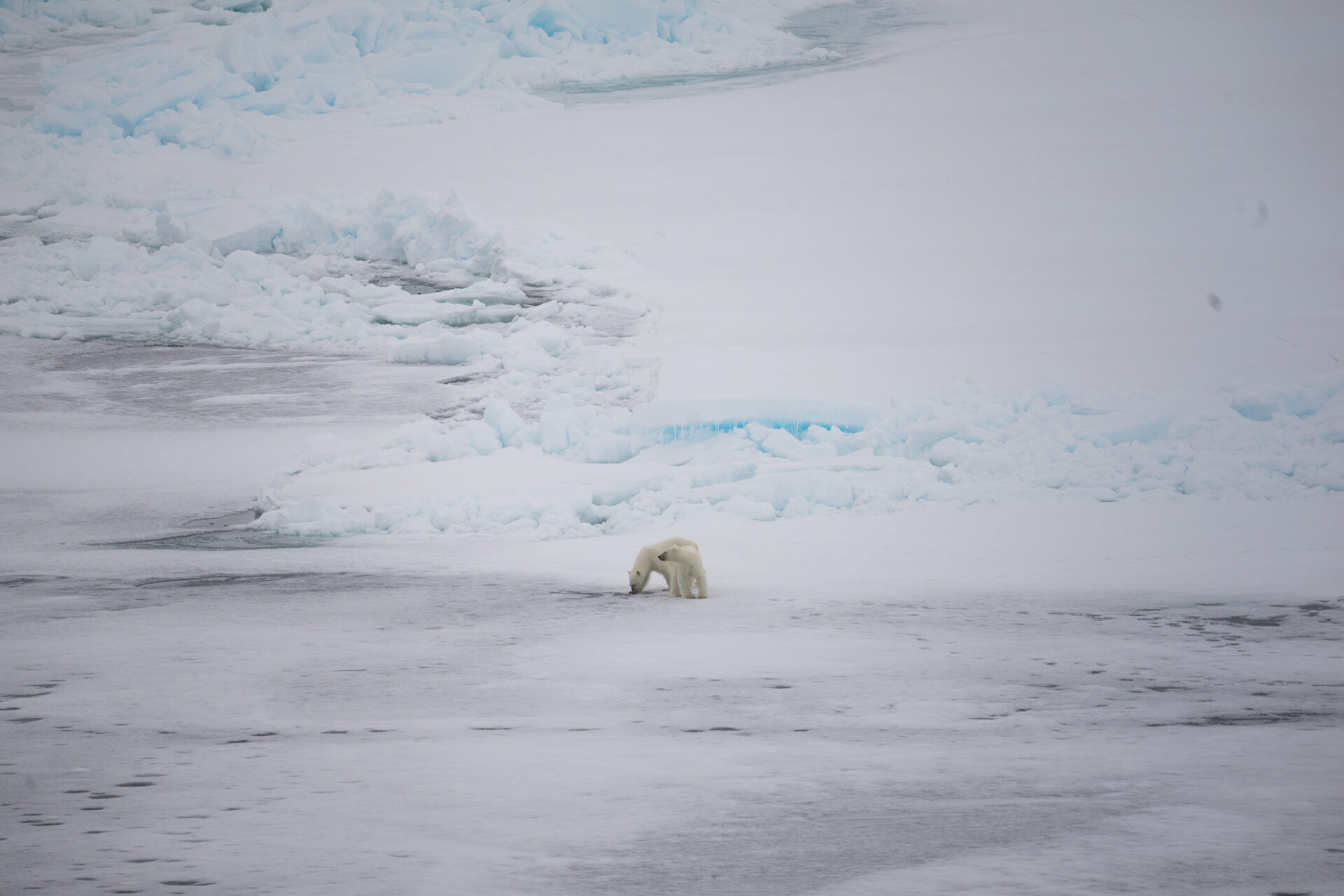
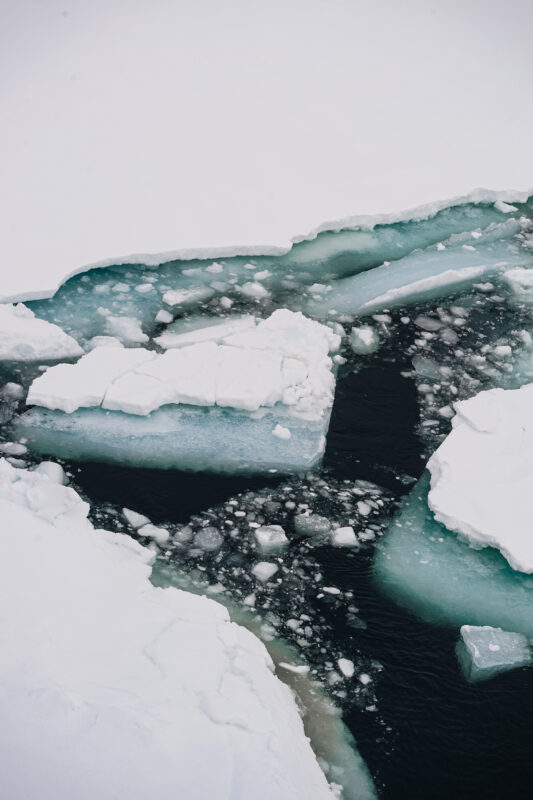
The Arctic and Antarctic create the fundamental conditions for life on our planet as we know it. They stabilise the climate, regulate sea levels, and sustain the health of the world’s oceans. But the polar regions are warming faster than almost anywhere else on earth. Snow, glaciers, and sea ice are disappearing at alarming rates: annual ice loss from Greenland and Antarctica has more than tripled since 1992, and, this year, global sea ice extent reached its lowest level ever recorded.
In the face of this crisis, researchers, entrepreneurs, philanthropists, and governments are advancing bold geo-engineering proposals aimed at slowing the melt – from thickening sea ice with seawater pumps, to scattering reflective glass beads across ice, to blocking sunlight by injecting particles into the stratosphere, and rerouting warm ocean currents with billion-dollar underwater ‘curtains’.
Proponents see these interventions as innovative lifelines. But in a paper published in Frontiers in Science, an international team of 42 polar scientists strongly disagrees.
Dr. Sian Henley is a polar scientist at the University of Edinburgh and co-author of the paper that analysed the most prominent proposals supposed to halt polar melt and climate change. In an interview with Oceanographic Magazine, she explains why polar geo-engineering may instead prove extremely costly, ineffective, environmentally damaging, and politically destabilising.
OCEANOGRAPHIC MAGAZINE: Dr Sian Henley, it’s very good to connect with you. Let’s leap right into the topic at hand here. People are trying to halt polar melt through technological innovation. You and 41 other polar scientists have just published a paper that warns against these kinds of interventions. Why?
HENLEY: At first glance these technologies might seem like great ideas. But their proponents are not taking seriously how little we know about the potential negative impacts of them. Their effects could be incredibly harmful and reach well beyond the environments where they are deployed.
One prominent proposal, for instance, is to inject particles into the atmosphere to reflect sunlight and cool the earth – an intervention called Solar Radiation Modification. But the huge problem with that is that we would be deliberately putting pollutants into the atmosphere that we know can cause acid rain, damage the ozone layer, and directly threaten human health.
These are attempts to solve climate change by using the same sort of thinking that caused it in the first place – solving pollution with more pollution. Most scientists are very concerned by how seriously these ideas are being taken.
Other features

OCEANOGRAPHIC MAGAZINE: So, reading around the subject, it appears that the majority of these technologies would be applied in the Arctic and Antarctic, but the impacts would reverberate far wider?
HENLEY: Yes. The polar regions are incredibly important in driving global natural processes – which is part of the reason why they are being targeted for these interventions. But this also means that any interference with these environments can have serious and unpredictable knock-on effects far beyond these regions.
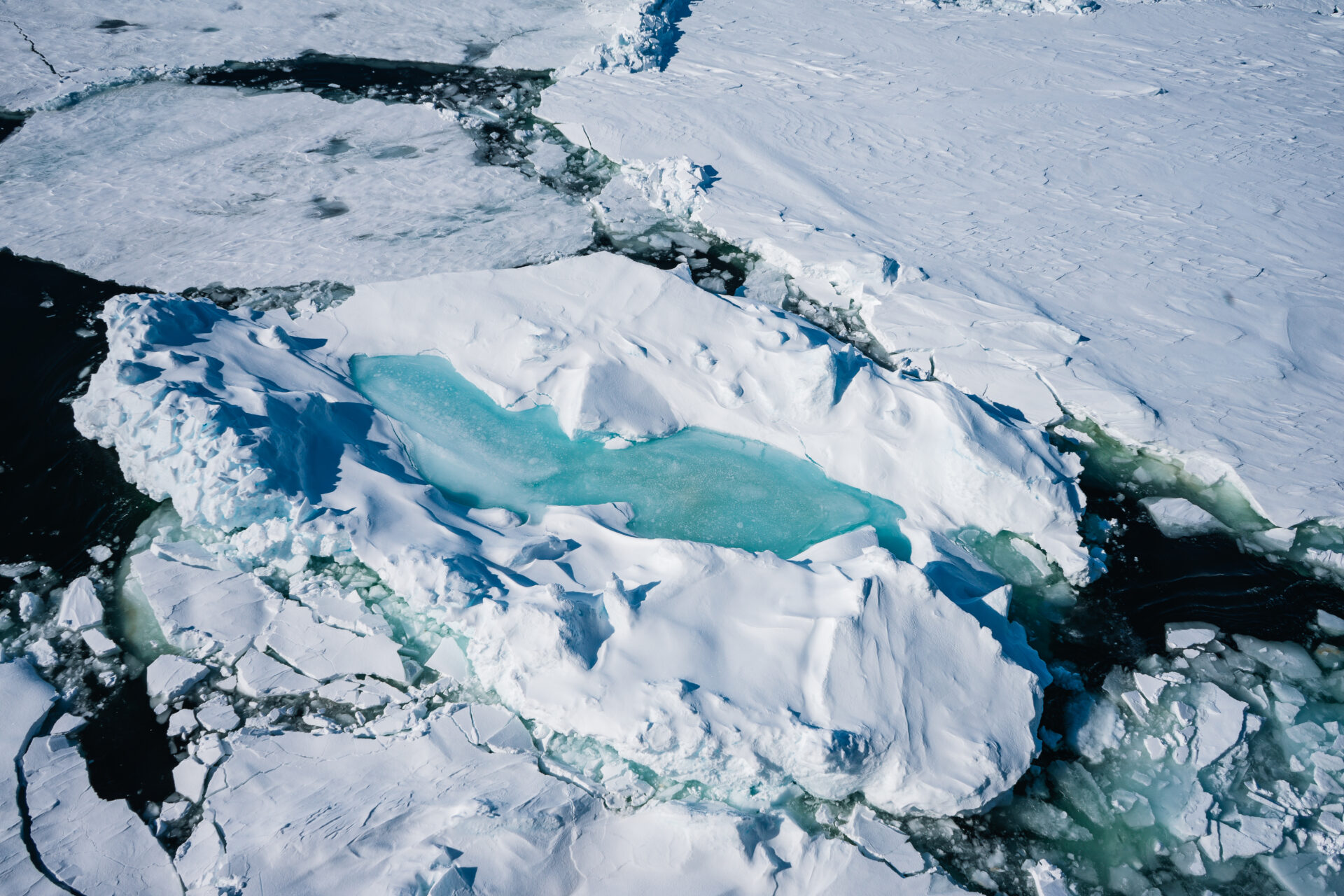
Take the albedo effect, for instance: The bright surfaces of ice and snow reflect a significant portion of solar energy and cool the planet. But as temperatures rise and ice melts, darker ocean water and melt ponds absorb more heat and accelerate ice loss. To counter this, some have proposed to increase the reflectivity of ice by scattering billions of glass beads across its surfaces.
It’s estimated that, to increase the reflectivity of Arctic sea ice in a way that actually makes a difference, 360 million tonnes of beads would be needed per year – this is equivalent to the global annual plastic production. The emissions from manufacturing that volume alone would be substantial. Some research shows that the beads could even accelerate the melt of the ice that helps cool the earth.
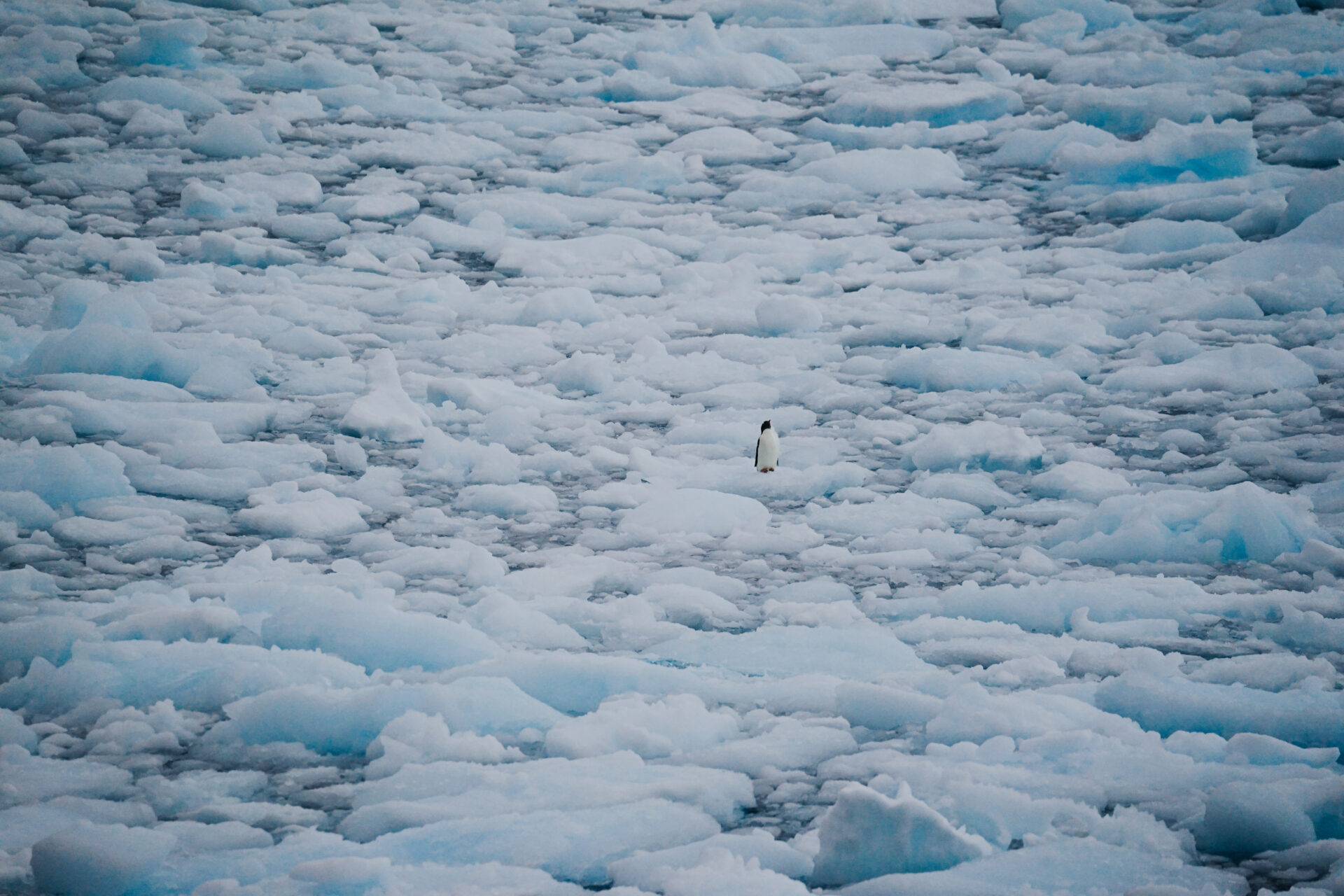
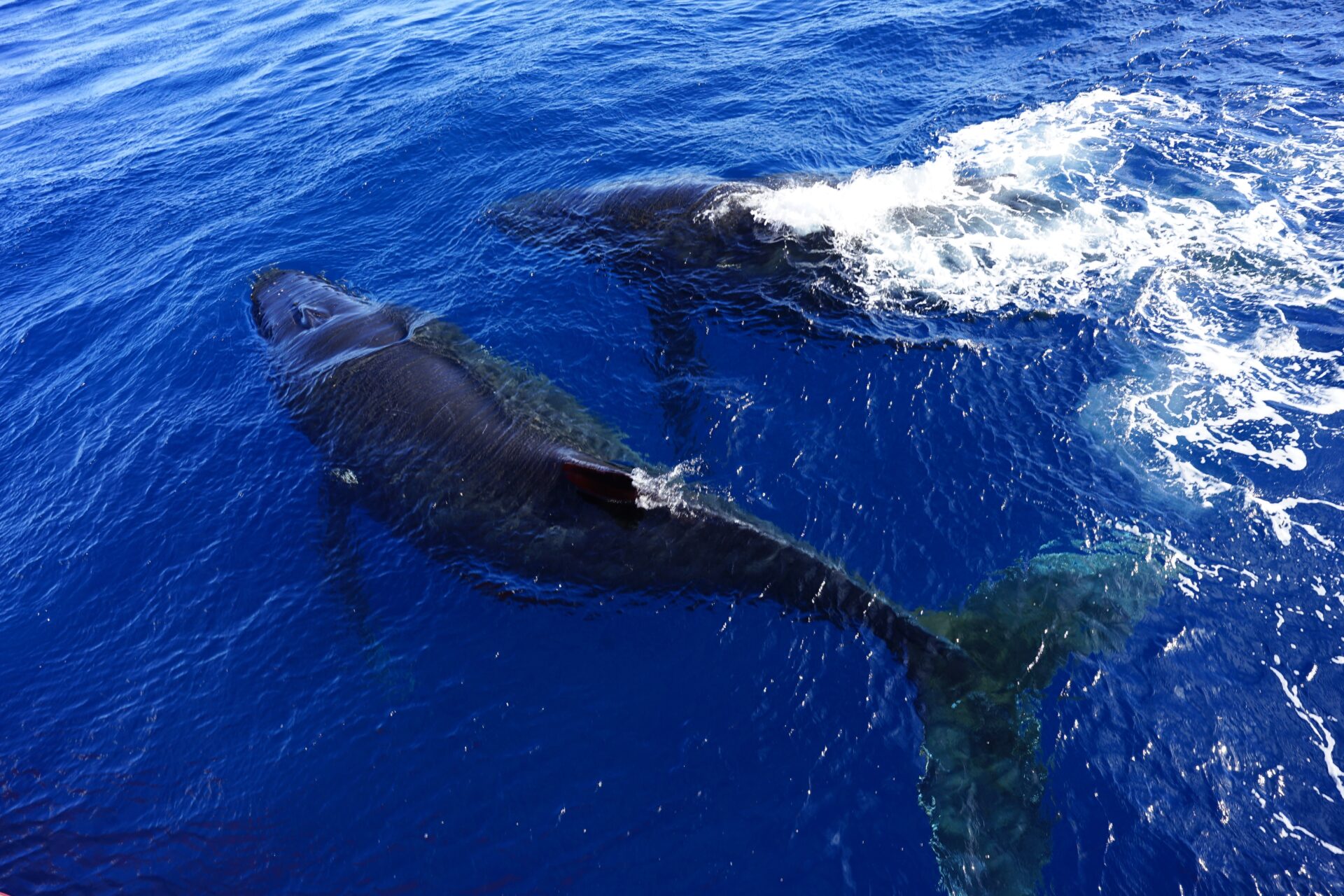
These beads would – of course, and inevitably – end up in the ocean. Here they are the perfect size to be mistaken for food by small organisms like krill and copepods which form the basis of polar food webs. They could therefore affect animals throughout the entire ecosystem, from crustaceans to penguins and whales.
OCEANOGRAPHIC MAGAZINE: So, why do these interventions qualify as what is known as ‘geo-engineering’ and why does that matter?
HENLEY: What sets geo-engineering apart from other technological approaches is their large-scale manipulation of earth’s natural systems. And the risk in that is huge. Another leading proposal out there, for instance, is the idea to anchor massive curtains to the seabed to divert warm ocean currents away from ice shelves – the floating extensions of glaciers and ice sheets. This is to prevent melt and sea level rise.
However, the scale over which this would be required is absolutely vast. We’re talking 80 kilometres for one ice shelf in one corner of Antarctica. For this to be effective, we would need many such curtains for the many ice shelves out there. The effects on natural processes would be equally vast and unpredictable, with potentially devastating consequences.
OM: And what sort of devastating consequences are we talking about here?
HENLEY: Ocean currents distribute heat, nutrients, and gases around the planet in a way that has happened for thousands if not millions of years. Interfering with that with man-made structures could have very serious consequences which we have no chance of understanding in advance. There is also no guarantee that the barriers wouldn’t just reroute warm water masses to other parts of the polar regions and accelerate the ice melt there. So, it is likely that the seabed curtains may either prove deeply disruptive to the planetary climate system or simply ineffective – or both.
OM: Well, an 80-kilometre curtain for a single ice shelf sounds quite expensive…
HENLEY: Yes, we estimate that the construction alone of a curtain would cost far more than $1 billion per kilometre. That’s $80 billion for an 80km curtain. Then there would be the maintenance costs, which would also be vast. For context: Under the Paris Agreement, industrial nations pledged to make $100 billion available for climate finance in the Global South per year. Geo-engineering costs simply dwarf available funds.
OCEANOGRAPHIC MAGAZINE: Are there any concepts then – within this topic of geo-engineering – that could actually work?
HENLEY: The key thing is whether any of these techniques are likely to have a beneficial impact on the climate within the necessary timeframe. In our paper, we find that this is not likely to be the case for any of the approaches we examine. In some cases, the underlying science simply doesn’t demonstrate that they would be effective. In others, the barriers are more practical: We lack the resources, infrastructure, skills, and knowledge to put these technologies in place quickly enough. In all cases, there is the very real risk the techniques will do more harm than good.
OCEANOGRAPHIC MAGAZINE: You and your colleagues also warn against the political risks of polar geo-engineering. What do you think these might be?
HENLEY: The effects of geo-engineering will cross international boundaries – whether we talk about underwater curtains, glass beads, or other approaches. What if countries deploy geo-engineering technologies that negatively impact others? There is no international framework to help regulate these interventions. It will likely be wealthier nations and wealthier people within those nations controlling these technologies, and countries and populations that are historically marginalised will feel the worst impacts if things go wrong.
There is also the serious risk that, in the future, they could be applied with malintent: Solar Radiation Modification, for instance, can cause droughts in certain world regions. Is the power to inflict this really something that anybody should have?
OM: Realistically, how likely is it that any of these techniques are applied at scale in the future?
HENLEY: That’s very difficult to know and depends on political appetite. We are unfortunately witnessing a phase of global geopolitics where I think this could happen. That’s why we – as polar scientists – came together to publish some robust scientific evidence that explains why this is a bad idea. We felt like we had to do something to put the brakes on these fantastical and potentially very dangerous missions.
We’re worried that people will get their hopes up that we can geo-engineer ourselves out of the climate crisis. The truth is, we can’t.
There is a finite amount of money and resources available – and anything spent on polar geo-engineering will either divert funds away from fundamental scientific research that we need to understand polar environments or, arguably worse, from climate mitigation measures that already exist and are proven to work.
This is happening here, in the UK, where the government has just made millions of pounds available to explore a technique that involves seawater pumps supposed to artificially thicken Arctic sea ice. That’s taxpayers’ money that could be spent on climate mitigation and adaptation… or even on healthcare and education.
OCEANOGRAPHIC MAGAZINE: Is there an argument that we need this research to make an informed decision against these techniques?
HENLEY: I think we know enough. We have a good enough understanding of these systems, of physics, chemistry, and biology to be fairly sure that these techniques are either going to be very damaging to natural systems or very unhelpful in tackling climate change – or quite possibly both.
OCEANOGRAPHIC MAGAZINE: So, if not with geo-engineering, then how should we protect the polar regions and their icescapes?
HENLEY: The real answer is decarbonisation. We need to reduce our carbon emissions – and we need to do it rapidly. The knowledge and technology exist; what we need now is the political will to act at the necessary scale and speed – which is to reach net zero by 2050.
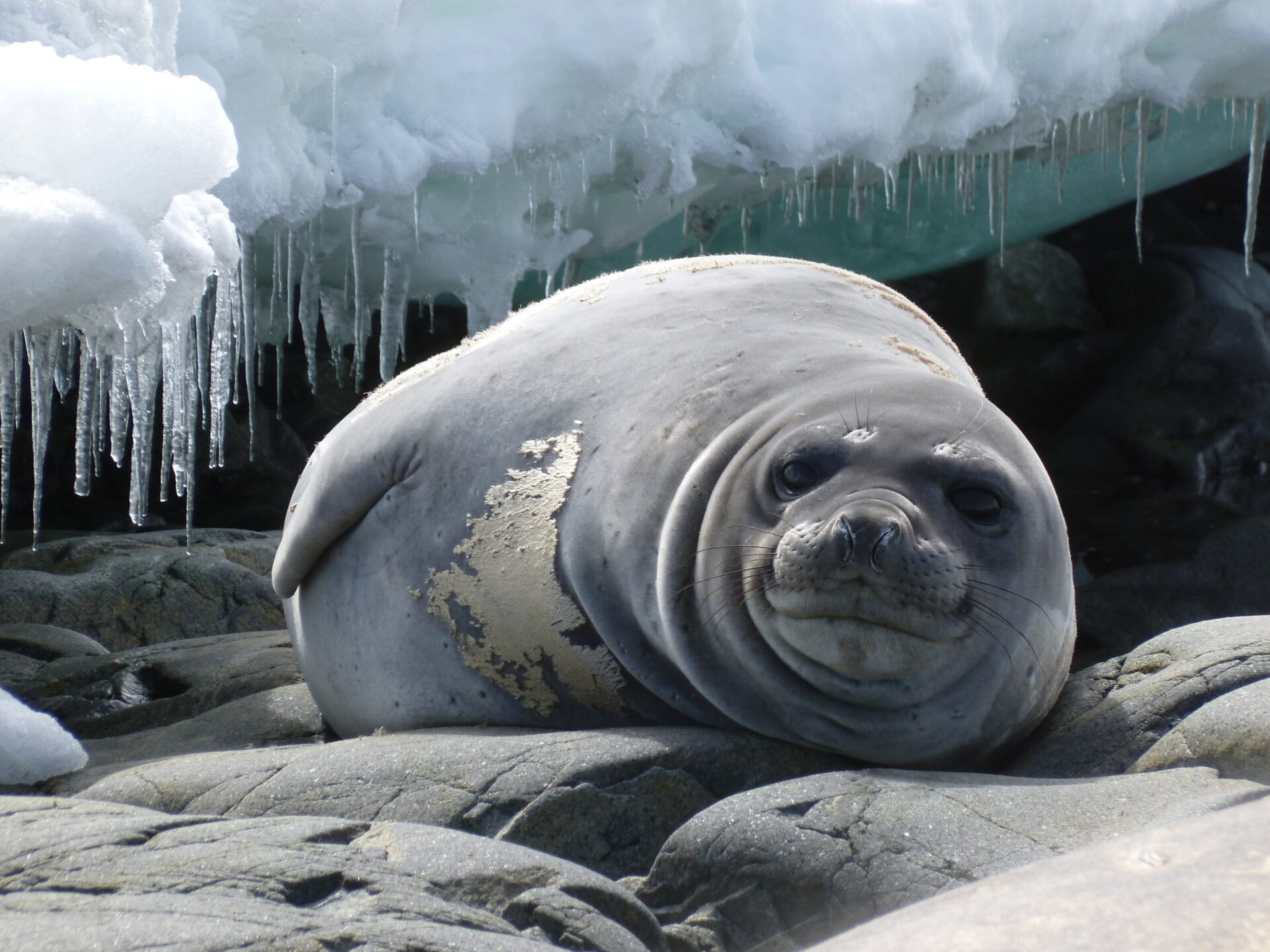
Another action we can take for Arctic and Antarctic ecosystems would be to expand marine protected areas. Protecting these environments from other harmful human activities like industrial fishing or fossil fuel extraction can increase their resilience to the pressures they are already facing, and will continue to face, in a warming world.
OCEANOGRAPHIC MAGAZINE: Does this mean we can still halt environmental changes we are currently seeing in these regions? For example, some researchers say ice-free Arctic summers are now inevitable.
HENLEY: Yes, we can. We often forget that every fraction of a degree matters. Every tonne of carbon dioxide in the atmosphere makes a difference. Yes, we will likely see sea ice-free summers in the Arctic. But we can still influence the extent and frequency of this happening: This could mean limiting ice-free conditions to just a few days or weeks every other summer, before the sea ice grows back in autumn.
In Antarctica, some regions face the risk of irreversible glacier retreat. But even there, we are still in a position where we can reduce the likelihood of that outcome. We can still stabilise the climate and, in doing so, also maintain the polar icescapes that are so essential to planetary systems and, ultimately, to human health and societies worldwide.
Printed editions
Current issue
Back issues



Enjoy so much more from Oceanographic Magazine by becoming a subscriber.
A range of subscription options are available.
