2026 on track to be one of deadliest years for West Coast whales
At least 51 whales have died along the West Coast in 2026, with ship strikes and Arctic-driven starvation pushing the year toward becoming the second-deadliest on record for grey whales.
At least 51 whales have died along the West Coast of North America so far this year, according to an analysis of public data and media reports by the Center for Biological Diversity. The organisation has warned that if deaths continue at this pace, 2026 could become the second-deadliest year on record for West Coast whales.
Seven years ago, in 2019, 122 whales died. Data collected so far this year is fast chasing that record.
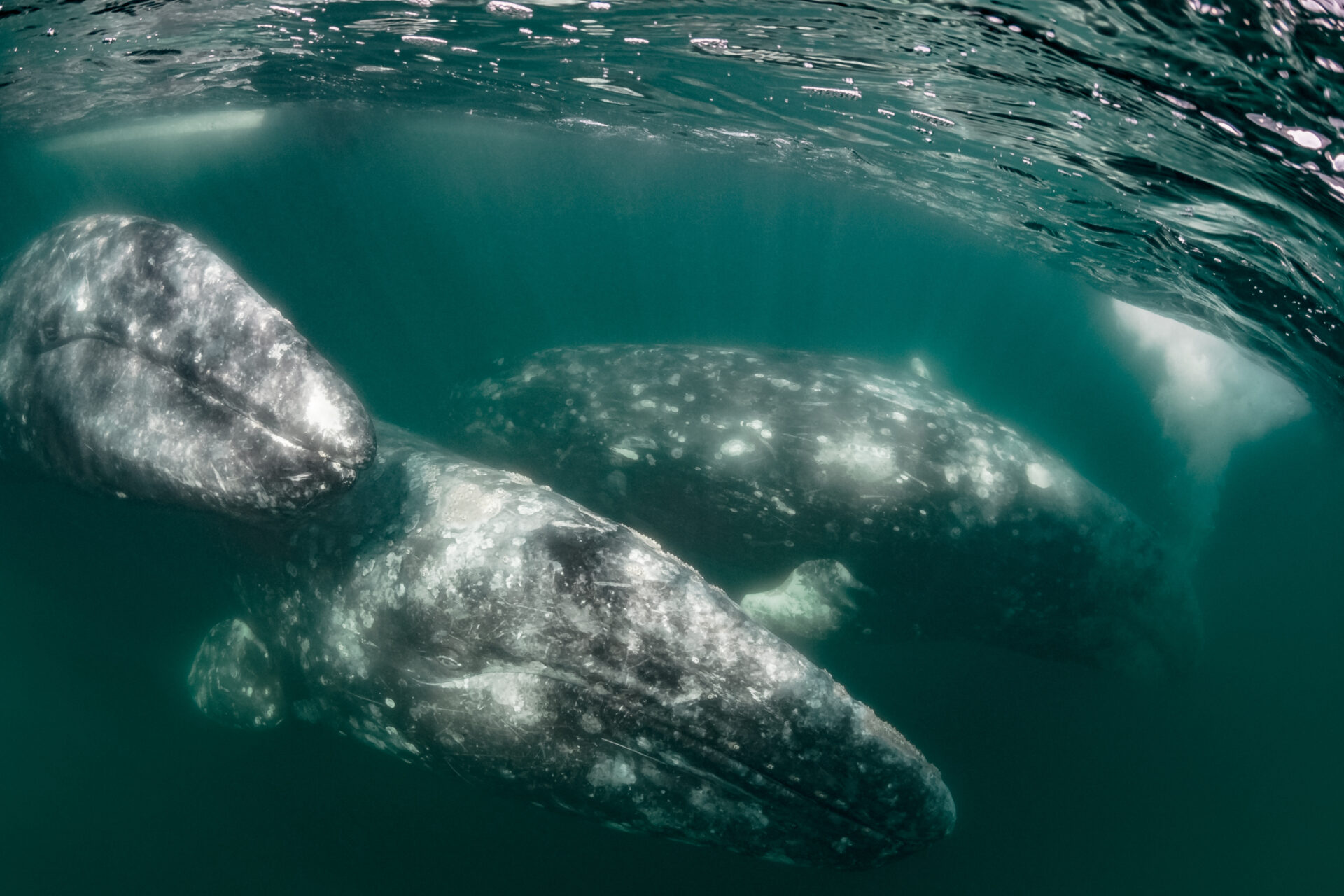
Grey whales account for most of the documented deaths, with the highest concentrations reported in Washington and the San Francisco Bay Area. Eleven grey whales died in the Bay Area alone, two of them are the suspected victims of boat strikes.
Meanwhile, one grey whale and one endangered fin whale died along the California coast, while in Washington, 22 grey whales and one fin whale were confirmed dead by early May this year. Off Vancouver Island, seven grey whales were found dead. At least six more grey whales and one sperm whale were recorded dead off the Oregon coast.
“Far too many whales are dying along the West Coast, and ship strikes and other human activities are contributing to this deadly surge,” said Miyoko Sakashita, oceans director at the Center for Biological Diversity. “We know we can save whales by slowing ships down in whale hot spots, so federal officials need to make it happen.
“It’s truly tragic to see dead whales washing up on the beach, and we need these magnificent creatures to keep the ocean healthy.”
Many of the dead grey whales were found to be in poor nutritional condition, a pattern researchers link to warming in the Arctic. Grey whales typically feed on amphipods which depend on a food chain rooted in sea ice. As sea ice melts earlier and re-forms later in the year, less algae reaches the seafloor to sustain amphipod populations, leaving whales with less to eat before migration.
The eastern North Pacific grey whale population has declined by over 50% over the past decade.

In other news



Federal data analysed by the Center for Biological Diversity shows that 521 whales stranded – found dead or alive and unable to return to the water – between 2020 and 2025, with the highest annual total – some 120 – recorded in 2025.
Of those, 82 were documented as ship-strike cases, also peaking in 2025 with 24 cases. Grey whales accounted for the majority of ship-strike strandings (at 46 cases), followed by humpback whales (14) and fin whales (9). Scientists consider these figures to be an undercount, since most whales struck by vessels sink rather than wash ashore.
A further 97 stranded whales were documented as entangled in fishing gear.
A recent study in Frontiers in Marine Science found that grey whales entering San Francisco Bay face particularly high risk, with a minimum mortality rate of 18% for whales documented in the Bay between 2018 and 2025. Vessel strikes accounted for around 40% of the examined carcasses.
To address the threat, the Center for Biological Diversity is suing the US Coast Guard to compel the agency to consider endangered whale populations when designating shipping lanes. Campaigners argue that mandatory speed reductions to 10 knots in areas of high whale activity would offer ‘an immediate, science-based step toward reducing mortality and improving outcomes for the species.’


"*" indicates required fields
Printed editions
Current issue
Back issues


Enjoy so much more from Oceanographic Magazine by becoming a subscriber.
A range of subscription options are available.
