Volcanoes and climate change behind Indian-Pacific breakdown
A new WHOI study shows human-caused emissions are driving an unprecedented breakdown in the Indian and Pacific Oceans' climate coupling, using four centuries of paleoclimate data to prove the shift is exceptional.
For most of the last 400 years, the Indian Ocean’s climate has moved in step with the Pacific’s. Since the 1980s, however, cracks in that relationship have begun to emerge.
A new study from the Woods Hole Oceanographic Institution (WHOI) has found that human-caused greenhouse gas emissions are now driving an unprecedented breakdown in that long-standing relationship – combining paleoclimate records with climate models to show why.
Instrumental data only stretches back around a century, making it difficult to judge how unusual recent shifts in the link between the Indian and Pacific oceans have been. To extend that record, researchers at WHOI have turned to natural archives – including coral, tree rings, and stalagmites – each of them capable of preserving climate signals from the past.
These paleo-climate records confirm that the two basins have largely stayed coupled throughout most of the past 400 years, with one notable exception – a period between 1810 and 1850, when the relationship appeared markedly different.
Researchers have linked this disruption to a series of large tropical volcanic eruptions.

In other news

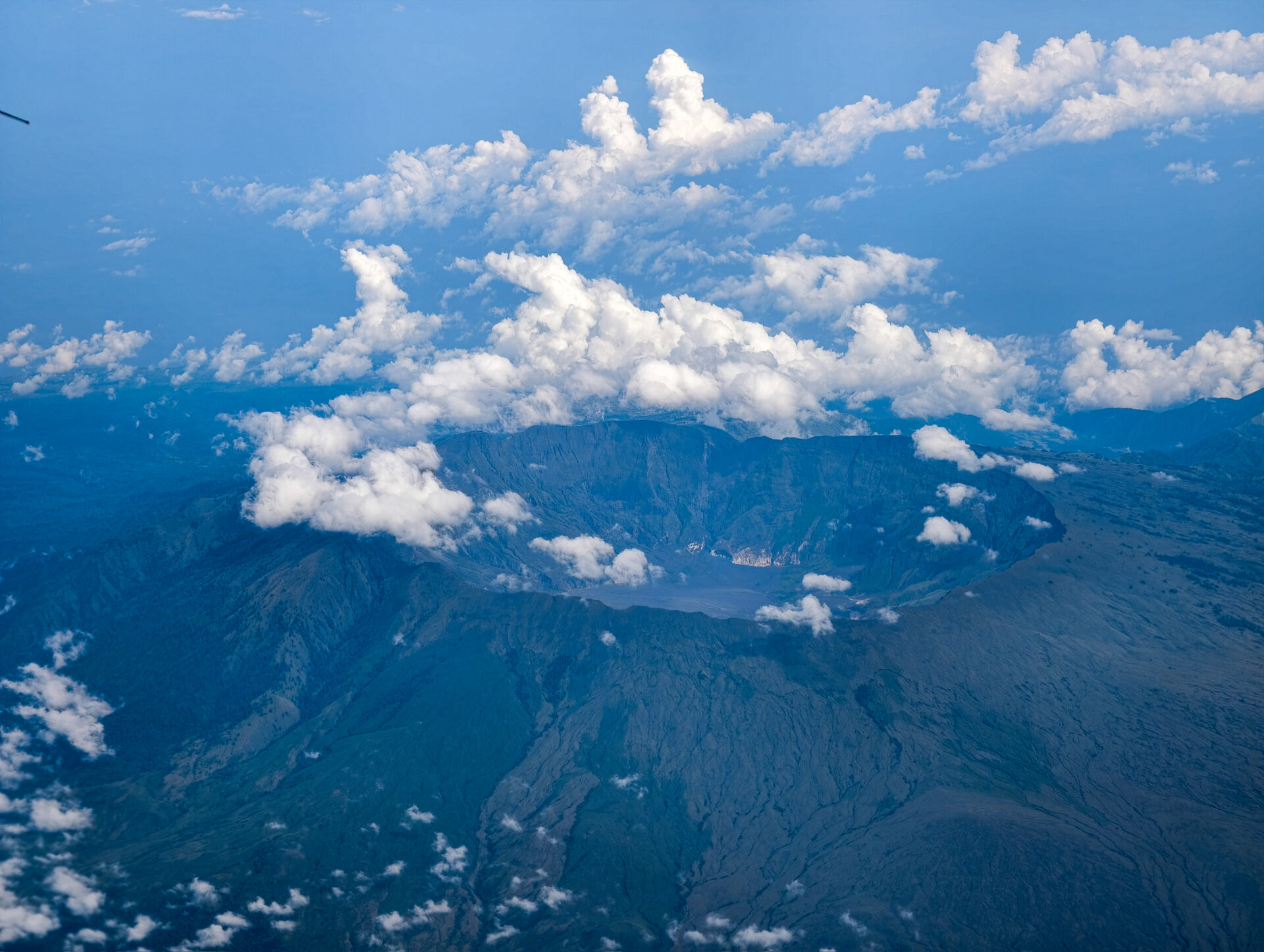
Unlike that temporary disruption caused by volcanism, the breakdown observed in the years since the 1980s appears now to be driven by a different force entirely.
“A key finding is that global warming and human emissions are now overwhelming the Pacific’s natural influence on the Indian Ocean,” said the new paper’s co-author, Caroline Ummenhofer, a senior scientist at WHOI.
Lead author, Shawn Wang, a former WHOI graduate student and postdoctoral researchers now at the University of Colorado Boulder, said the long-term context makes the scale of the shaft clearer than ever.
“The modern data we have is limited and doesn’t go back far enough. With climate models and paleo-records, we are now able to say with more confidence that the recent changes we are seeing are really quite exceptional,” said Wang.
Connections between ocean basins help scientists predict future shifts in rainfall and broader climate patterns, and while past research has often examined ocean basins in isolation, this study focuses on how they influence one another.
“The Indian Ocean is a huge heat reservoir and it can decouple from what the Pacific Ocean is doing,” said co-author Delio Oppo, an emeritus research scholar at WHOI. “The results of this study underscore the independent behaviour of the Indian Ocean.”


"*" indicates required fields
Printed editions
Current issue
Back issues



Enjoy so much more from Oceanographic Magazine by becoming a subscriber.
A range of subscription options are available.
