Yorkshire's lost giants are back: bluefin tuna return to Whitby waters
Atlantic bluefin tuna have returned to northeast England after 60 years, with University of Exeter researchers tagging the species for the first time to support conservation and international quota management.
Atlantic bluefin tuna have recolonised the waters off the northeast of England for the first time in 60 years, marking a striking reversal of fortunes for a fish that was once synonymous with the Yorkshire coast.
University of Exeter researchers have more to celebrate, having managed to tag the species for the first time ever in the region.
In the 1930s, Scarborough was a globally famous destination for big-game fishing, drawing Hollywood stars including John Wayne, Clark Gable, and Errol Flyn to the coast to catch giant bluefin tuna. By the 1960s, overfishing and the depletion of herring shoals had driven the species out of the North Sea entirely.
Now the bluefin are back, the Exeter team has successfully tagged five fish off the coast of Whitby, with further deployments planned. Tagging is central to understanding the species’ migration patterns and origins as well as informing international conservation and fishery management.
Dr Lucy Hawkes from the University of Exeter, is leading the research.
“Bluefin tuna is a native British species. They are supposed to be in our waters and used to be incredibly important to this region. The fact they’re back has been thanks to some careful and judicious management of fisheries,” she said.
“Bluefin tuna are also top predators who can only be in these waters if the ecosystems underneath them are healthy. Essentially, their presence is a good way of signalling your waters are doing well. But we have no idea where they have come from, which is why tagging is so important.”

In other news

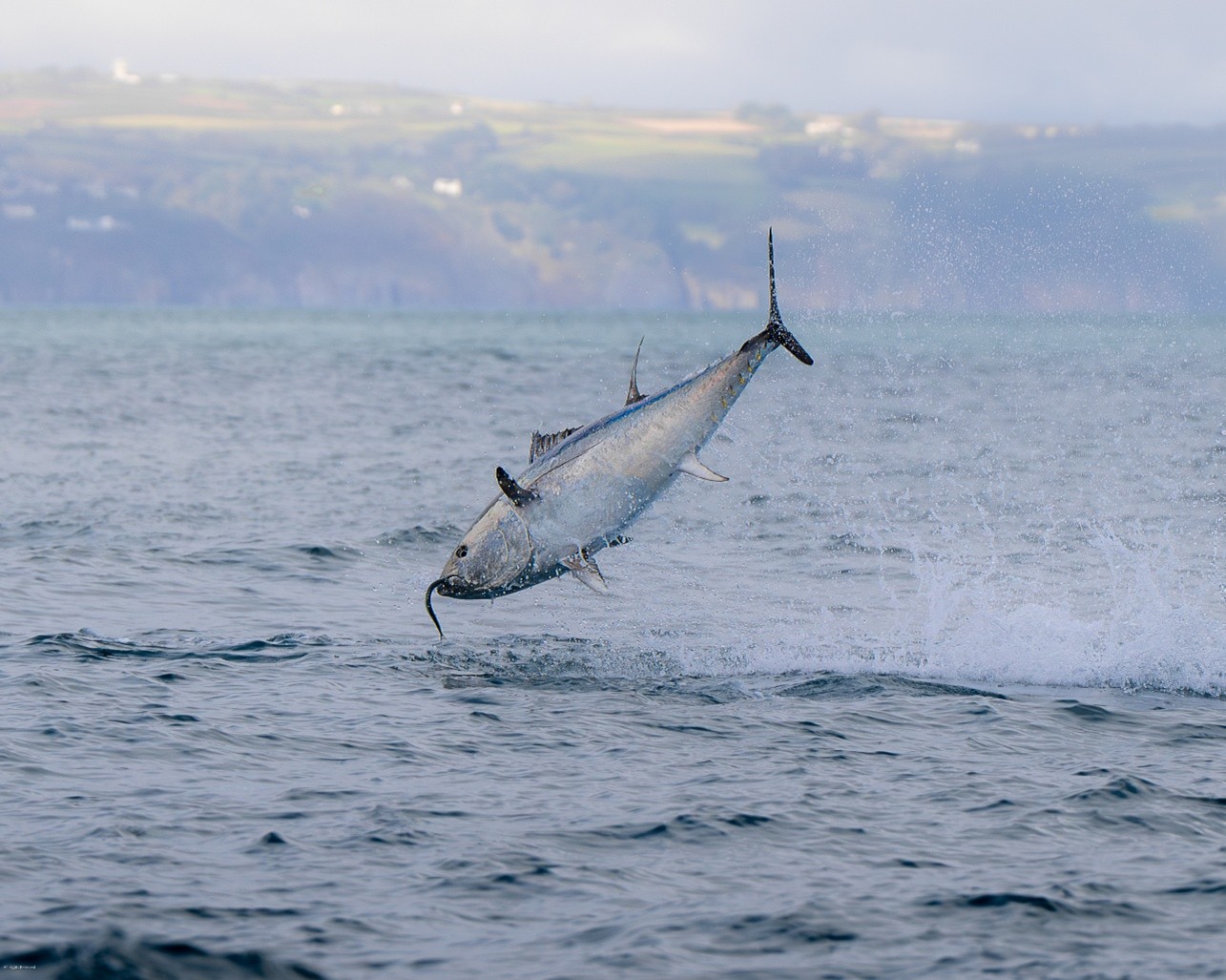
The team has eight tags in total, each designed to remain attached to a fish for two years, recording light, temperature, and depth to allow researchers to estimate the bluefin’s location. Each tag is programmed to detach after a set period, floating to the surface to transmit summary data via satellite.
No data currently exists on bluefin tuna in the waters off the northeast of England, making the tagging work critical to evidence-based management and to wider international conservation planning.
The International Commission for the Conservation of Atlantic Tuna (ICCAT) manages bluefin quotas across the Atlantic, and accurate tagging data is critical to ICCAT’s ability to allocate those quotas fairly, based on the true origins and movements of the fish.
Since 2018, the Exeter team has tagged 165 bluefin tuna off the southwest coast of England, Wales and Jersey. The fish now appearing off the northeast coast are considerably larger, and may prove genetically distinct from those tagged previously.
Earlier tagging data has already revealed migration routes into the Mediterranean for spawning, the timing of bluefin arrivals and departures in the English Channel, and evidence suggesting the species may breed later and less frequently than ICCAT had previously assumed.


"*" indicates required fields
Printed editions
Current issue
Back issues




Enjoy so much more from Oceanographic Magazine by becoming a subscriber.
A range of subscription options are available.
