Kenya's coastal contradiction ahead of Ocean Conference
As Kenya hosts the world's leading ocean conference, new data reveals a damning contradiction: every marine protected area and coral reef on its coast sits within a proposed offshore drilling zone.
Written by Muturi Kamau, National Network Coordinator for the Kenya Oil and Gas Working Group and Tyson Miller, Executive Director, Earth Insight.
On Kenya’s northern coast, the streets are too narrow for cars. You walk everywhere, guided by the sound of the ocean a few steps away, past stone buildings that have stood since the 14th century, past fishermen heading out to the same grounds their families have worked for generations.
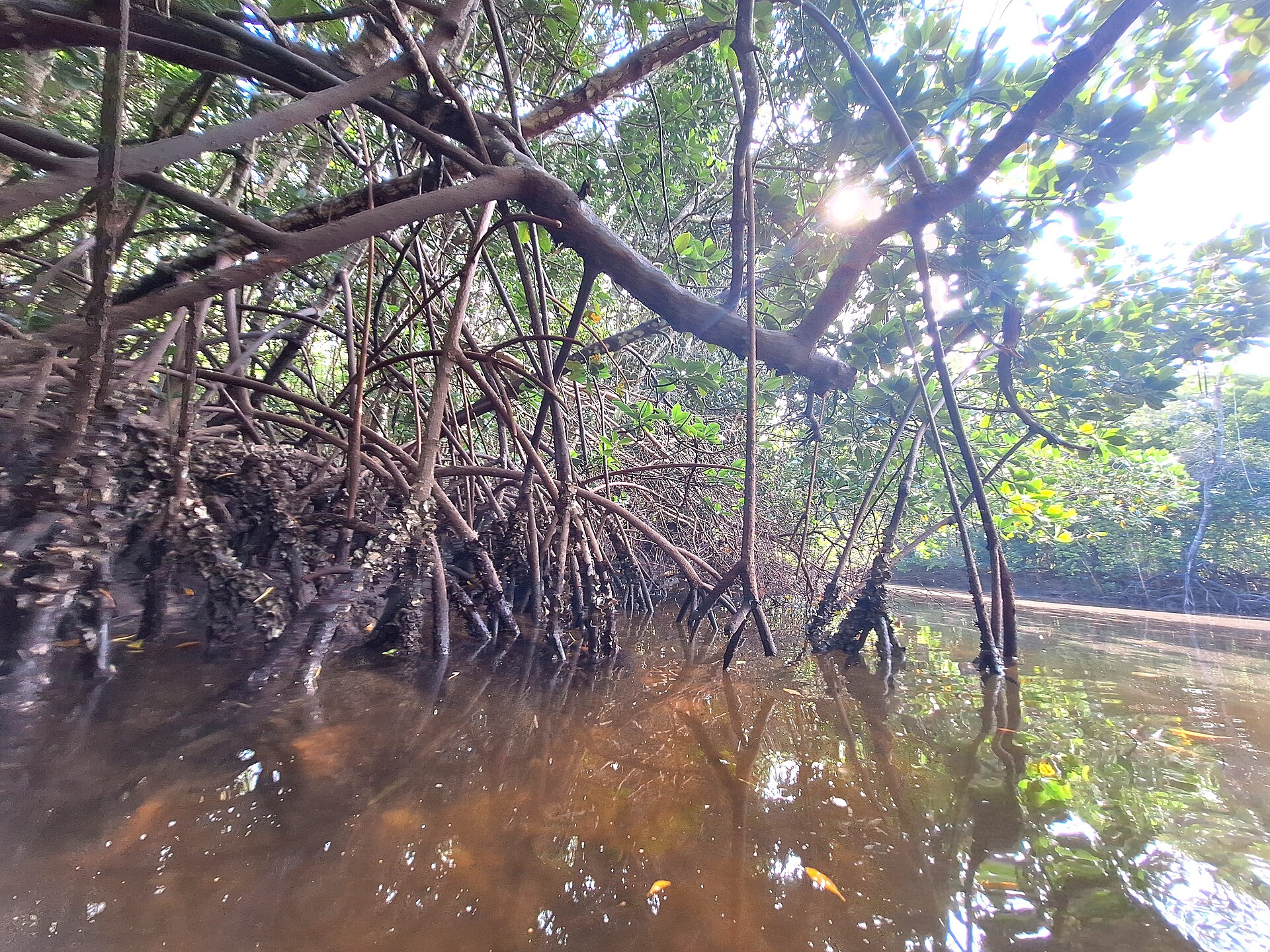
Sea turtles hatch on these beaches. Mangrove forests line the channels between islands. The Swahili culture that has shaped this archipelago for centuries is inseparable from the water around it.
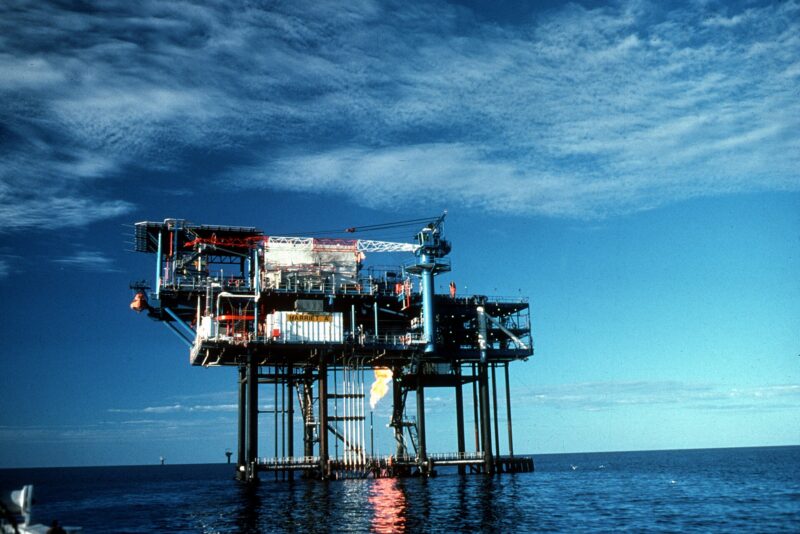
This is what is at stake as Kenya prepares to host the Our Ocean Conference, one of the most significant gatherings of ocean leaders in the world, while simultaneously moving forward with a licensing round that would open 50 offshore oil and gas blocks along its coast, many of them in the very ecosystems that make Kenya’s ocean extraordinary.
Kenya deserves credit for stepping forward as a host. At the same time, coastal communities and international observers will be asking whether their leadership commitment extends to decisions being made behind closed doors.
New spatial analysis by Earth Insight and global partners shines a spotlight on what is at stake. The data shows that all coral reef and mangrove ecosystems along Kenya’s coast falls within the footprint of the proposed offshore blocks. Every Marine Protected Area. Every Key Biodiversity Area. One hundred percent overlap, across the full length of the coastal belt.
Coral reefs sustain fisheries that feed and employ tens of thousands of Kenyan households. Mangroves buffer coastlines from storms and provide nesting and nursery habitat for fish species that coastal communities depend on entirely. Once lost, these ecosystems do not recover on any timescale meaningful to the people who need them now.

In other news



Kenya is not alone in this contradiction.
In Australia, the government ended a four-year pause on offshore petroleum releases in 2025, opening acreage in the Otway Basin where 46% of Marine and Coastal Protected Areas and 67% of Important Marine Mammal Areas now fall within oil and gas risk zones, including critical feeding habitat for the pygmy blue whale. In Indonesia’s West and Southwest Papua, two new offshore blocks were recently awarded in the Coral Triangle, the world’s most biodiverse marine region, placing 15% of its Marine and Coastal Protected Areas within oil and gas risk zones. And in Baja, Mexico, the Gulf of California, a vital ecosystem home to 39% of all marine mammals, there are both signs of risk and promise as a proposed LNG export terminal was recently cancelled, while the Saguaro LNG project still represents a looming risk. The tension between conservation commitments and extraction ambitions is a global problem, and it falls on each nation to choose where it will land.
Kenya is unusually well-positioned to lead the way toward ocean protection. Nearly 90% of its electricity already comes from renewable sources, including geothermal, hydropower, and wind, making it one of the frontrunners in the continent’s clean energy transition. The argument that fossil fuel expansion is an economic necessity is harder to make in Nairobi than almost anywhere else.
It is also worth noting that the areas now being reopened to exploration are not untested frontiers. Previous operators in the Lamu Basin found no commercially viable reserves. The question that the government owes its citizens, and the international community watching this conference, is a clear-eyed explanation of what has changed, and what the realistic returns are against risks that are very clearly documented.
Fishing communities are losing access to traditional landing sites blocked by investors and political interests at an accelerating pace. They worry not only about what an oil spill might do to the fish they catch, but also about a slower erosion. A growing pattern, as one advocate put it, where coastal communities are being squeezed from the sea and from the land at the same time, until there is nowhere left to go and no identity left to hold.
These communities are not opposed to development. They are asking to be part of it, to have their ecological knowledge counted, their livelihoods protected, and their rights respected before decisions are made that cannot be undone.
There is a broader framework at play as well. In 2022, nearly 200 nations committed to the 30×30 goal, pledging to protect 30% of land and ocean by 2030. Kenya is a signatory. But protection that exists only on paper, while ecologically critical areas are simultaneously opened to industrial extraction, is not protection in any meaningful sense. Designating Marine Protected Areas and Key Biodiversity Areas as fossil-free zones, places where the commitments made on the global stage are enforced on the ground, would give Kenya’s ocean leadership real teeth.
The Our Ocean Conference is a rare and well-timed opportunity. The world’s attention is on Kenya’s coast. There will be negotiators, financiers, scientists, and journalists in the room who will be watching not only what Kenya says, but what it does. The Ministry of Energy and Petroleum, the National Environment Management Authority, and the agencies responsible for these decisions have the ability, right now, before the licensing round proceeds, to pause, to consult, and to demonstrate that Kenya’s ocean leadership is rooted in high-integrity principles, and true conservation leadership.
This short essay has been written by By Muturi Kamau, National Network Coordinator for the Kenya Oil and Gas Working Group and Tyson Miller, Executive Director, Earth Insight.


"*" indicates required fields
Printed editions
Current issue
Back issues
Enjoy so much more from Oceanographic Magazine by becoming a subscriber.
A range of subscription options are available.