Devastating scale of bycatch in UK commercial fishing revealed
Huge numbers of porpoises, seals, dolphins, salmon and seabirds are dying annually, and conservation groups are calling on the government for tightened regulations
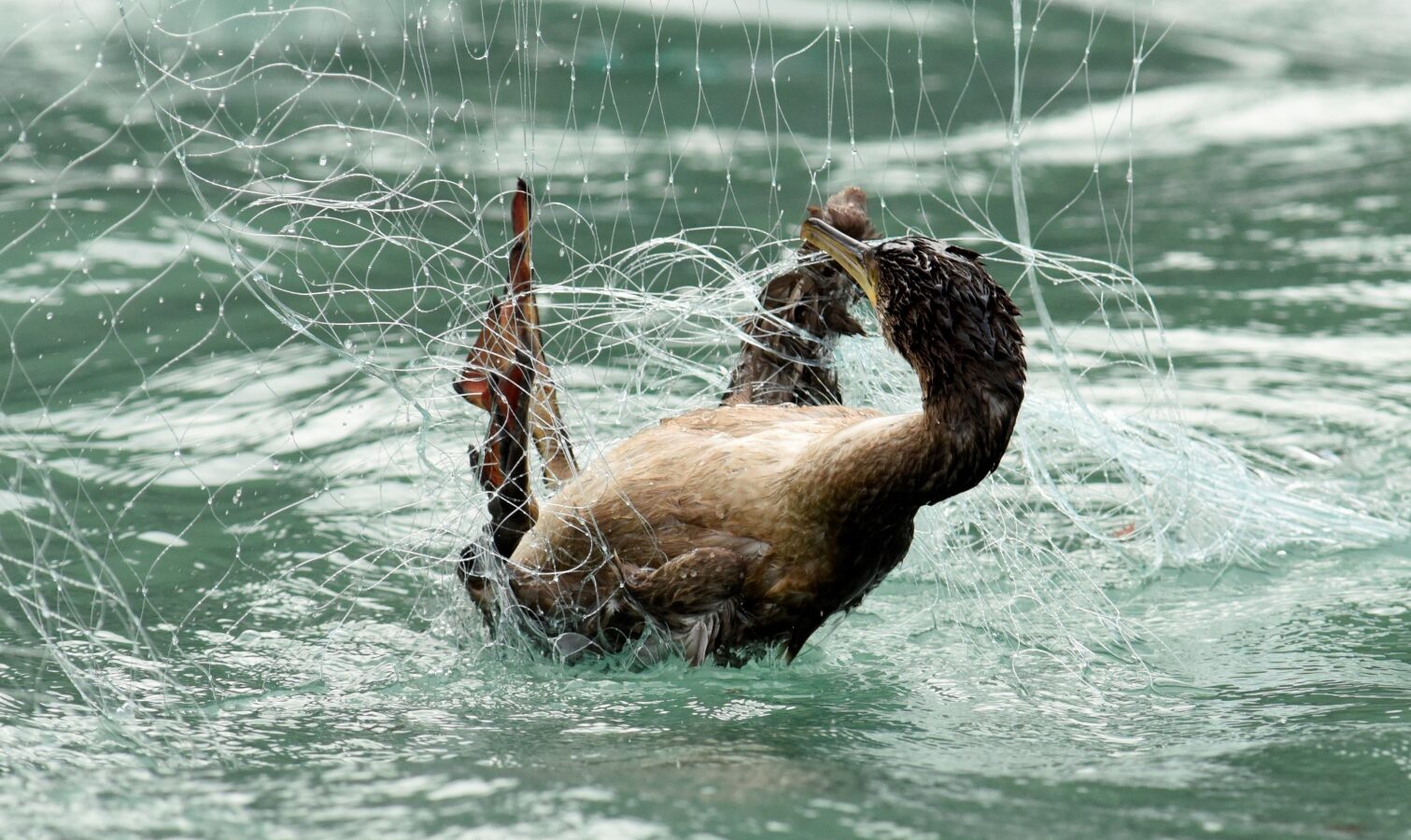
Thousands of endangered and protected British marine wildlife like humpbacks, dolphins, seals and salmon are being caught every year, according to a new first-of-its kind report which analyses the true scale of bycatch in the UK.
The analysis from Wildlife and Countryside Link, a coalition of conservation groups, found that species like humpback and minke whales, porpoises, seals, dolphins, salmon, seabirds, sharks, skates and rays are being caught as “collateral damage” by industrial fishing vessels every year.
The deaths estimated in ‘Hidden in the haul: The true scale of bycatch’ were extrapolated from datasets on bycatch and discard numbers. However these numbers likely just scratch the surface given the severe lack of reporting and monitoring of bycatch on UK vessels.
According to the report, more than 1,000 harbour porpoises and common dolphins are killed annually, 10,000 seabirds and 500 seals. Six humpback whales and 30 minke whales were also found dead in Scottish creel ropes – the ropes connecting small local boats to pots which trap crabs and lobsters.
In her recent Oceanographic column, Angling Trust’s head of Marine Hannah Rudd also emphasises the devastating toll industrial fishing is having on these marine mammals’ cold-blooded counterparts: fish.
The report also reveals that more than 1000 endangered Atlantic salmon and 120 tonnes of protected sharks, skates and rays are being caught as bycatch by commercial fishing vessels every year.
“The test of whether we mean what we say about ecosystem-based, just fisheries management is not how we treat the gannet and the dolphin, who have our sympathy already – and who, even with it, are still dying in numbers we have failed to bring down. It is whether we extend the same seriousness to the fish with no glamour at all,” Rudd said.
In other news
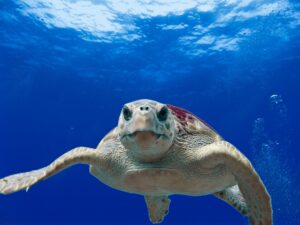
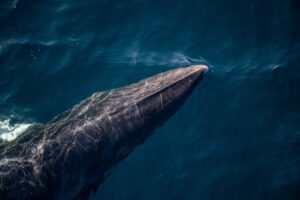
The conservation coalition is now calling on the UK government to introduce strong bycatch action plans and require remote monitoring on all vessels operating in English waters.
Ruth Williams, head of marine conservation at The Wildlife Trusts emphasised that solutions are available.
For instance, in Filey Bay on the Yorkshire coast, a collaboration between fishers and conservationists reduced seabird deaths from around 700 a year to just four or five by trialling new methods, such as heavier nets.
Richard Benwell, Chief Executive of Wildlife and Countryside Link, said: “Thousands of animals die every year in UK waters because of avoidable fishing deaths. From razorbills and dolphins to endangered salmon and sharks, the scale of destruction exposed in this report is shocking, with animals dying in awful and unnecessary ways.”
“To protect marine wildlife, Ministers must finally deliver strong bycatch action plans, backed by strict mandatory monitoring and enforcement, before more wildlife is pushed closer to extinction,” he added.
This includes creating quantifiable, time-bound by-catch reduction targets and requiring electronic monitoring on all fishing boats – including those under 10 metres.
“The UK government has the opportunity to lead the global standard to prevent bycatch, but despite knowing about and studying bycatch for decades, has so far failed to implement and enforce existing laws to protect marine wildlife from entanglement,” said Sarah Dolman, Senior Ocean Campaigner at EIA UK.


"*" indicates required fields
Printed editions
Current issue
Back issues


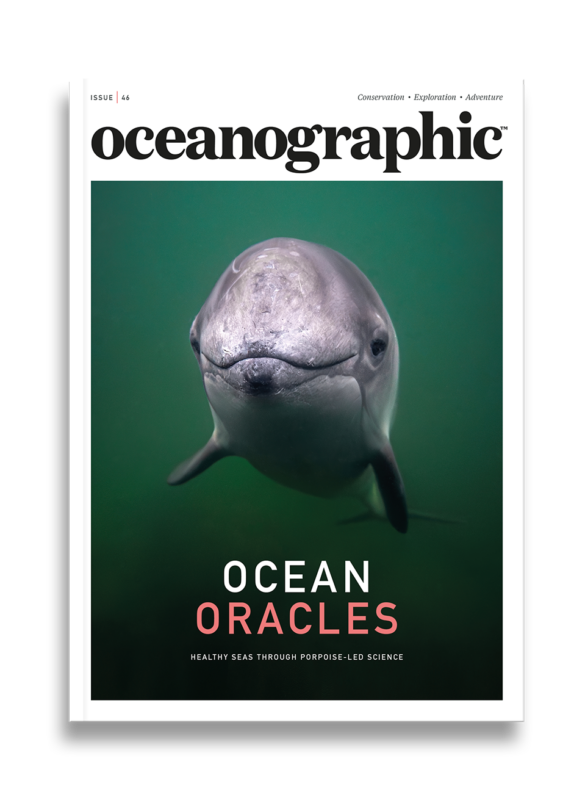
Enjoy so much more from Oceanographic Magazine by becoming a subscriber.
A range of subscription options are available.
