Major advances have been made in identifying escaped farmed salmon in Norwegian rivers and discerning them from those born wild, a leap forward that researchers believe could sharpen conservation strategies at what has become a critical time for Atlantic salmon.
Published this week in the scientific journal, Biology Methods and Protocols, the study saw scientists train a specially developed machine learning system based on some 90,000 images of salmon scales to rapidly identify and differentiate between farmed and wild salmon.
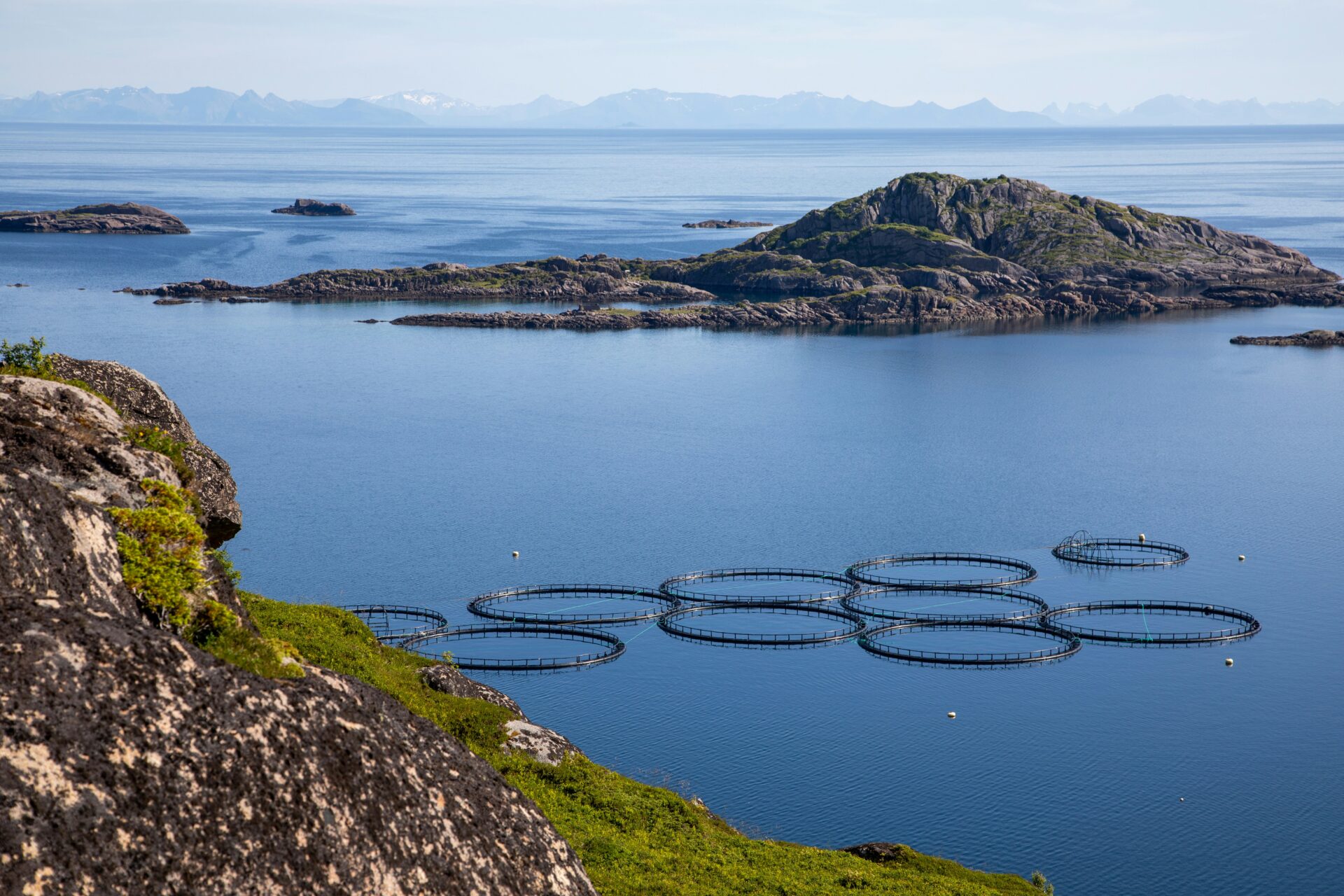
Norway, home to the world’s largest remaining wild salmon runs and also one of the globe’s dominant salmon-farming nations, has watched its wild stocks plummet more than 50% since the 1980s. With annual production exceeding 1.5 million metric tons of farmed Atlantic salmon, the country also sees an estimated 300,000 fish escape into the wild each year.
These runaways compete with wild salmon for food and spawning habitat, spread pathogens and parasites, and – perhaps most significantly – interbreed, weakening the genetic fitness of native populations.
Today, genetic markers of farmed ancestry appear in roughly two-thirds of Norway’s wild salmon.