Arctic ocean passes 'irreversible' chemical tipping point
New data shows that decades of ice loss have fundamentally altered Arctic ocean chemistry, triggering an irreversible disruption to the foundations of the region’s food chain
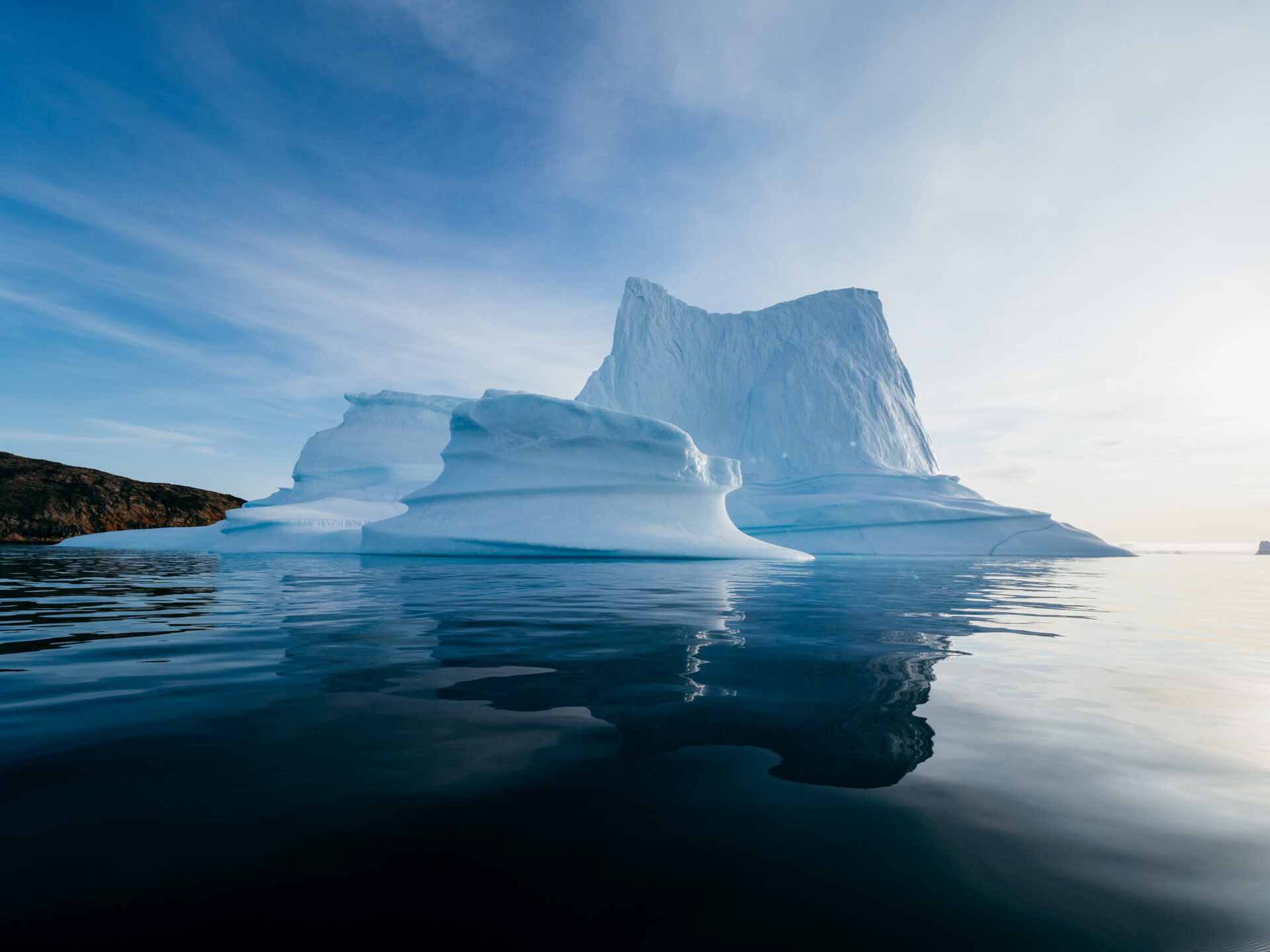
A new study spanning two decades reveals that the loss of sea ice has triggered an irreversible chemical shift in the Arctic Ocean. By exposing shallow coastal waters to intense sunlight, the melting ice has accelerated a process that destroys nitrate, the foundational fertiliser required for marine life to survive.
The study, published in Communications Earth & Environment, suggests the Arctic passed a critical ecological tipping point in 2009. The resulting nutrient famine is already affecting the whole Arctic food chain, threatening everything from microscopic plankton to commercial fish stocks, seabirds, and marine mammals.
An international team led by researchers at the University of Edinburgh analysed 20 years of oceanographic data collected from the Fram Strait – a marine bottleneck where Arctic waters drain into the North Atlantic.
They found the extensive loss of sea ice has drastically ramped up a process known as benthic denitrification on the shallow continental shelves that underlie nearly half of the Arctic Ocean.
When ice disappears, increased sunlight triggers temporary algae blooms. As this organic matter dies and sinks to the shallow seafloor, it depletes oxygen in the sediment. In these oxygen-poor environments, marine microbes consume nitrate and convert it into inert nitrogen gas, removing it from the marine ecosystem entirely.

In other news
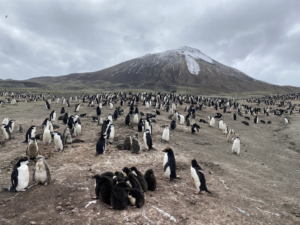
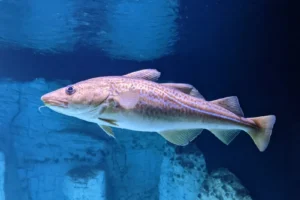
This shift to nitrate-limited conditions suggests the Arctic Ocean may only be able to support smaller, less nutritious species of plankton in the future, starving the upper tiers of the food chain.
Worryingly, because this shift is tied to systemic, ongoing ice loss, researchers note it is highly unlikely the Arctic Ocean will ever revert to its previous state.
Further research is needed to understand the possible wider effects that changes in Arctic waters could have on marine populations in other parts of the world’s oceans, including the North Atlantic.
Professor Raja Ganeshram, of the University of Edinburgh’s School of GeoSciences, who has led the study over the last two decades, said, “The changes we report suggest that the Arctic Ocean ecosystem passed a tipping point around 2009. How this change cascades through the food chain needs to be closely monitored as this has profound implications for us, including on commercial fishing in the North Atlantic Ocean.”


"*" indicates required fields
Printed editions
Current issue
Back issues
Enjoy so much more from Oceanographic Magazine by becoming a subscriber.
A range of subscription options are available.
