Ancient coral fossils reveal startling fate of sea level rises
By determining the ages of two dozen fossil corals from the Seychelle islands, researchers have confirmed that sea levels reached their peak between 122,000 and 123,000 years ago after three 'distinct periods' of "sudden and sharp" rises over 6,000 years.

Ancient coral fossils from the remote Seychelles islands have revealed a dramatic warning for the future of sea level rise estimations; namely that they can increase in sudden and sharp bursts – far more steeply than scientists had previously imagined.
The finding has come with a stark warning from researchers behind the study that “this is not good news for us as we head into the future” of a warming planet.
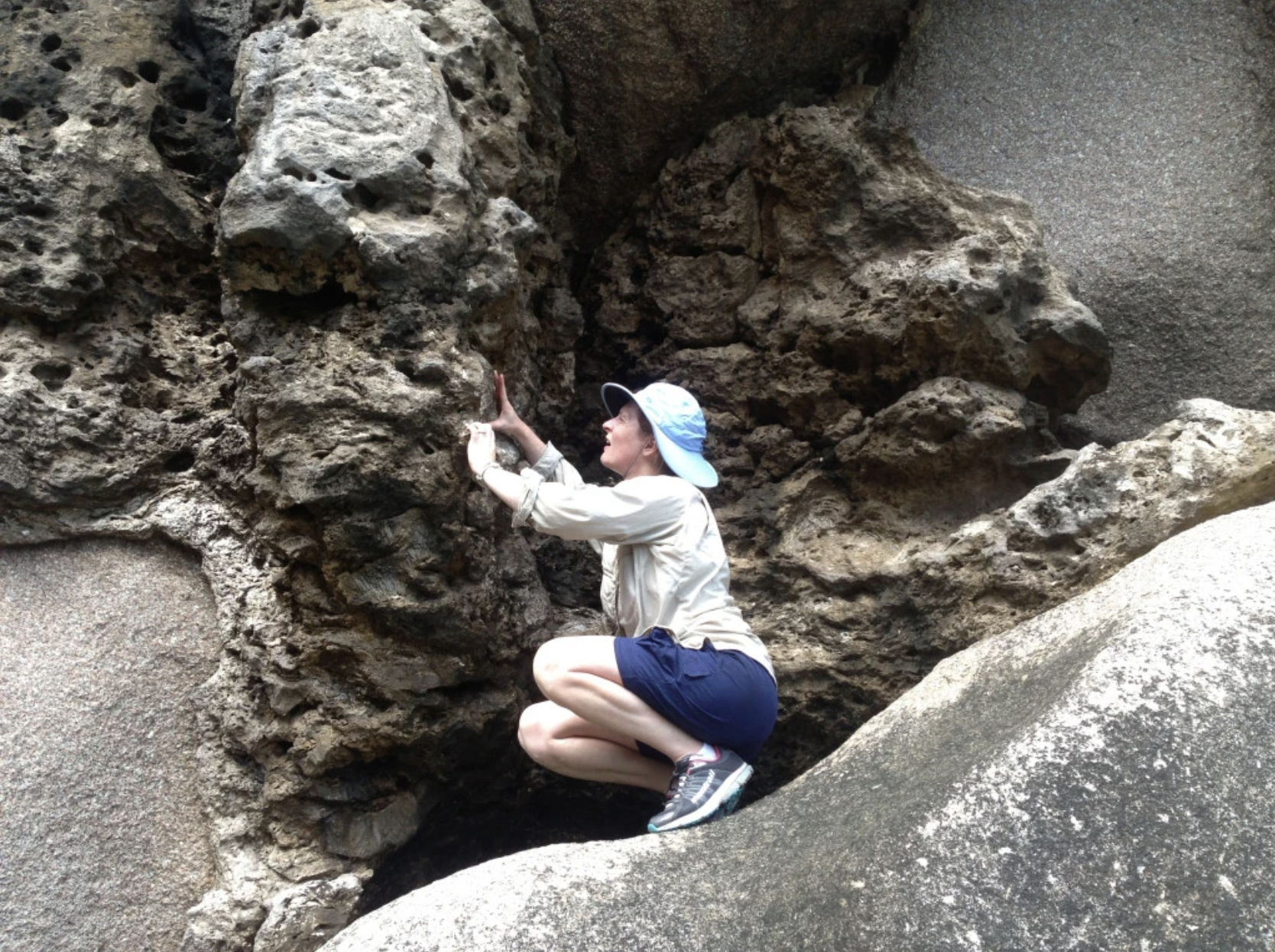
The research had been led by Andrea Dutton, a professor of geoscience at the University of Wisconsin-Madison alongside her PhD student, Karen Vyverberg at the University of Florida. The study called on the collaborative expertise of scientists from the University of Sydney, the University of Minnesota Twin Cities, the Victoria University of Wellington, and the University of Massachusetts Amherst who each analysed fossilised corals discovered in the Seychelles.
These particular fossils provided an exceptional opportunity for the researchers to reconstruct past sea levels. This is – in part – because they are in fact remnants of coral species that only live in shallows “very near the sea surface,” said the team. Their tropical location also means they were very far away from any past ice sheets.
By determining the ages of two dozen fossil corals from various elevations on the islands and analysing the sediments around the fossils, the team were able to gather a wealth of insights. The findings from the research were published earlier this month in the scientific journal, Science Advances.
The first revelation was that the team was able to confirm the timing of peak global sea levels to between 122,000 and 123,000 years ago during a period known as the Last Interglacial when global temperatures “were very similar to what they are now.”
The researchers also discovered that there were in fact three distinct periods of sudden and sharp sea-level rise over the 6,000 years leading up to peak sea levels during the Last Interglacial.
These abrupt pulses of sea-level rise were “punctuated by periods of falling seas”, said Dutton who added that they “point to times when the polar sheets in Greenland and Antarctica – thousands of miles away from the Seychelles – were changing rapidly.
“It says there’s potential for this very rapid, dynamic change in both ice sheet volume and sea level change,” said Dutton. “This is hugely important for coastal planners, policy makers, and those in the business of risk management.”
In other news

Illuminated by the research, however, is one key difference between the present and the Last interglacial: that the polar ice sheets were growing and shrinking out of phase with each other.
“It was the result of temperature changes in the two hemispheres that were also not aligned,” said Dutton. “So, even though sea level rose at least several metres higher than present during this past warm period, if temperature rises simultaneously in both hemispheres as it is today, then we can expect future sea level rise to be even greater than it was back then.”
What’s more, it’s according to evidence collected by other teams in the Atlantic Ocean that one of those sharp pulses of sea level rise identified occurred around the same time the last remnants of a massive ice sheet in North America were likely collapsing.
While there’s no large North American ice sheet today, Dutton says this finding has important implications for understanding the dynamics of other present day ice sheets – and that’s because most scientists have not previously considered a North American ice sheet as a major factor in sea-level dynamics during the Last Interglacial.
“But if ice was still present in North America several thousand years into this past warm period, then some of the rise we’ve documented would have required more meltwater from another ice sheet, such as Antarctica,” explained Dutton.
“This would suggest that Antarctica was even more sensitive to warming than we previously recognised.”
Dutton says the new evidence retrieved from fossilised corals from thousands of years ago suggests that sea levels could rise even faster and higher thanks to climate change than current projections indicate.
“We could be looking at upward of ten metres of global average sea-level rise in the future just based on the amount of warming that has already occurred,” she said. “The more we do to draw down our greenhouse gas emissions, and the faster we do so, could prevent the worst scenarios from becoming our lived reality.”


"*" indicates required fields
Printed editions
Current issue
Back issues
Back Issues
Issue 43 Sir David Attenborough’s ‘Ocean’


Back Issues
Issue 41 Holdfast to the canopy
Enjoy so much more from Oceanographic Magazine by becoming a subscriber.
A range of subscription options are available.
