Drone whale breath sampling hints at deadly virus in Arctic
Scientists have detected a potentially deadly whale virus in the Arctic for the first time, using drones to collect breath samples from live whales, revealing new disease risks for marine mammals in rapidly changing northern ecosystems.
A potentially deadly virus linked to mass die-offs of whales and dolphins worldwide has been detected in Arctic waters for the first time, raising new concerns about disease risks in a region undergoing rapid environmental change.
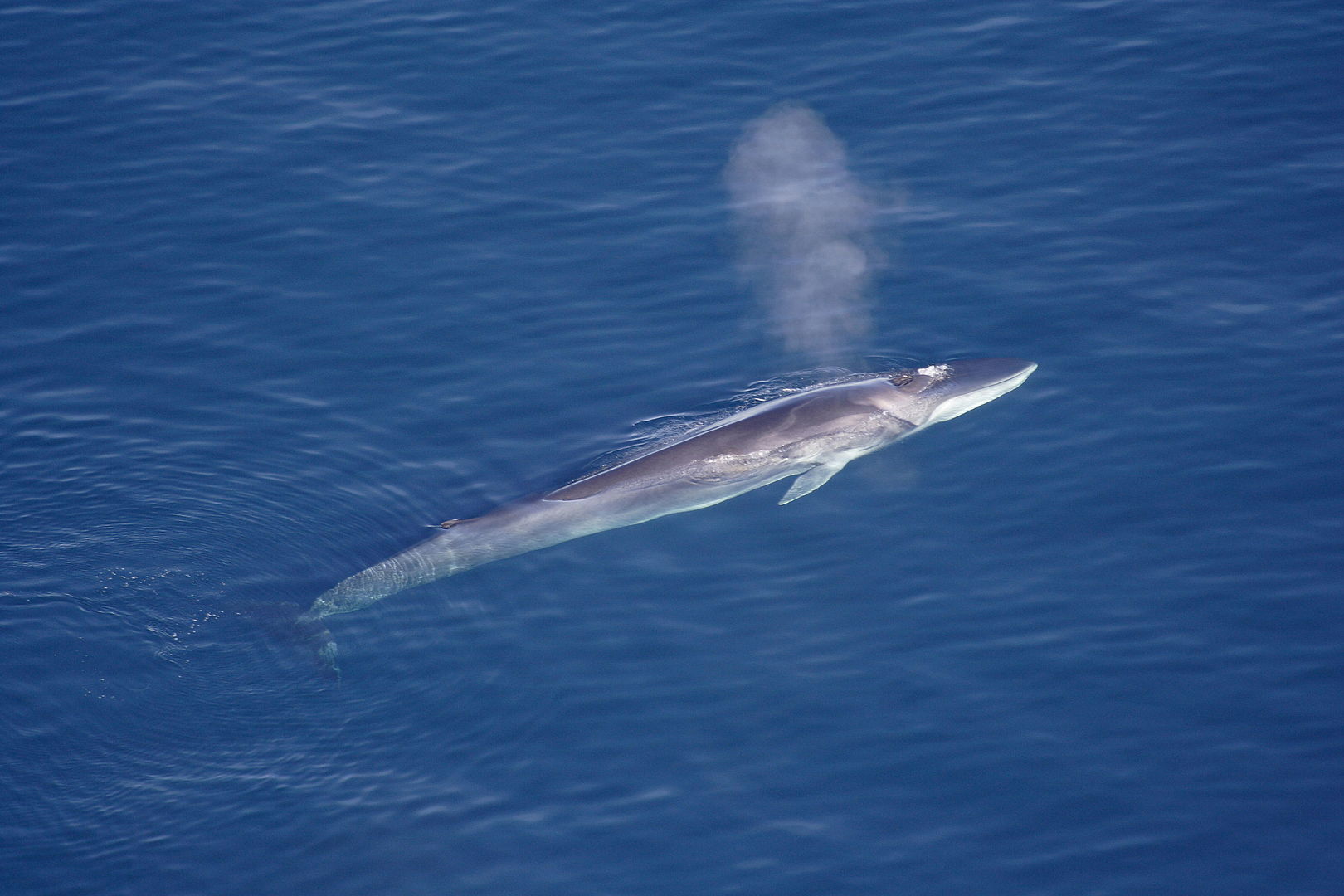
Scientists have confirmed the presence of cetacean morbillivirus above the Arctic Circle after collecting respiratory samples from wild whales in northern Norway using drones – a breakthrough that opens new possibilities for monitoring the health of marine mammals without disturbing them.
The virus, which can cause severe respiratory, neurological and immune system damage in whales, dolphins and porpoises, has been responsible for multiple mass mortality events since it was first identified in 1987. Its detection in Arctic whale populations highlights the vulnerability of these ecosystems as species increasingly overlap in warming northern seas.
The findings come from an international study led by Nord University, with partners including King’s College London and The Royal (Dick) School of Veterinary Studies, published in BMC Veterinary Research. Researchers used consumer drones fitted with sterile Petri dishes to hover briefly above whale blowholes, capturing droplets from their exhaled breath – or “blow” – for laboratory analysis.
Co-author Professor Terry Dawson, Department of Geography, King’s College London, said:
“Drone blow sampling is a game-changer. It allows us to monitor pathogens in live whales without stress or harm, providing critical insights into diseases in rapidly changing Arctic ecosystems.”
Between 2016 and 2025, the team sampled humpback, sperm and fin whales across the Northeast Atlantic, including northern Norway, Iceland and Cape Verde. Blow samples were analysed alongside skin biopsies and, in one case, an organ sample.

In other news


Cetacean morbillivirus – a strain first identified in dolphins – was detected in humpback whale groups in northern Norway, in a sperm whale showing signs of poor health, and in a stranded pilot whale. The researchers warn that dense winter feeding aggregations, where whales, seabirds and humans interact closely, could increase the risk of viral transmission.
The study also identified herpesviruses in humpback whales across Norway, Iceland and Cape Verde, but found no evidence of avian influenza virus or the bacterium Brucella, both of which have previously been linked to cetacean strandings.
Lead author, Helena Costa of Nord University said continued surveillance will be essential as Arctic marine ecosystems face mounting pressures.
“Going forward, the priority is to continue using these methods for long-term surveillance, so we can understand how multiple emerging stressors will shape whale health in the coming years.”
The research was funded by King’s College London and the Research Council of Norway, and involved collaborators from UiT – The Arctic University of Norway, the University of Iceland and BIOS-CV in Cape Verde.


"*" indicates required fields
Printed editions
Current issue
Back issues




Enjoy so much more from Oceanographic Magazine by becoming a subscriber.
A range of subscription options are available.
