Santa Catarina Nursery named Whale Heritage Area, in Brazil first
Santa Catarina Nursery in Brazil has been designated a Whale Heritage Area, recognising its importance as a Southern right whale breeding ground and its community-led conservation, land-based whale watching, and unique cultural connections with dolphins.
The southern Brazilian state of Santa Catarina has today joined a small yet growing group of coastal destinations to become officially designated Whale Heritage Areas, having pledged a commitment to marine conservation through the protection of whales, dolphins, and the habitats they thrive within. The move makes Santa Catarina only the second site in Latin America to receive the designation.
Whale Heritage Areas are part of a global programme led by the World Cetacean Alliance (WCA) that recognises destinations where local communities demonstrate a strong commitment to celebrating, respecting, and protecting whales, dolphins, and their habitats. The programme sits within the wider Wildlife Heritage Areas network, co-founded by the WCA and World Animal Protection.
Santa Catarina Nursery is internationally recognised as an important breeding and calving ground for Southern right whales. Each year, between May and November, these large baleen whales migrate to the region’s calm coastal coves to give birth and nurse their calves in sheltered waters.
Southern right whales, alongside resident dolphin populations, hold deep cultural, social, and ecological significance in Santa Catarina. Their presence is closely tied to the region’s identity, shaping local traditions, livelihoods, and conservation values.
Since 2016, community stakeholders have hosted annual “Whale Welcome Celebrations,” events designed to strengthen the relationship between people and whales. These gatherings provide opportunities for residents and visitors alike to engage with the area’s natural heritage and to promote awareness of marine conservation.

In other news

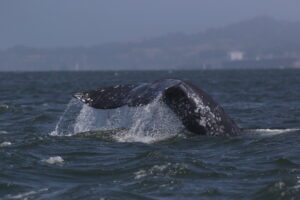
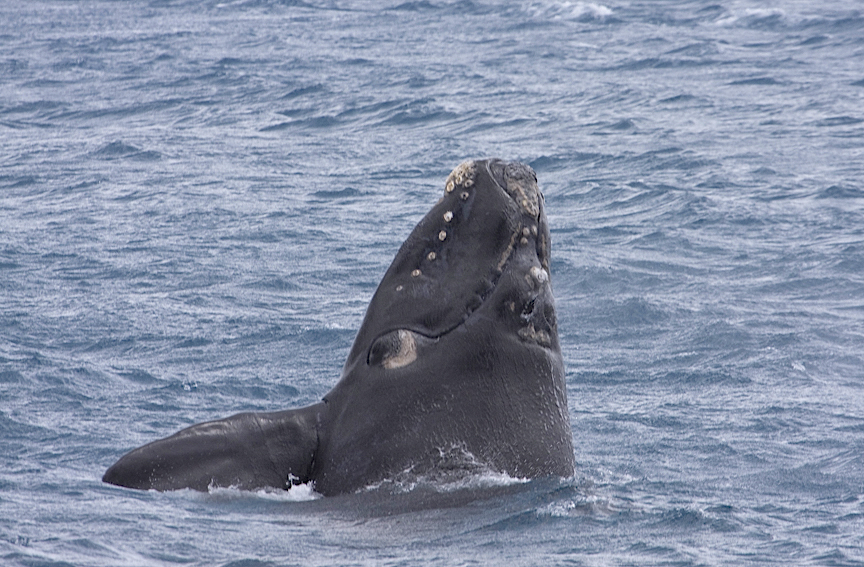
Unlike many whale-watching destinations, Santa Catarina follows a strictly land-based observation model. Visitors view whales from beaches, dunes, viewpoints, and cliffs, in accordance with legislation that prohibits tourist boats in breeding coves. This approach helps minimise disturbance to mothers and calves while ensuring safe and respectful wildlife encounters.
The land-based whale-watching model also delivers economic and educational benefits. It supports local livelihoods, expands opportunities for environmental education, and raises public awareness about marine conservation. Interpretative centres, community-led monitoring programmes, and trained local guides all play a role in shaping high-quality visitor experiences.
The Whale Heritage Area is also renowned for its population of bottlenose dolphins, which are involved in a rare cooperative fishing practice with local artisanal fishers. During mullet season, dolphins appear to signal the location of fish shoals and help herd them toward fishing nets. Fish that escape the nets swim back toward the dolphins, providing them with an easy meal.
This remarkable interaction has been recognised as intangible cultural heritage, and Santa Catarina is only the second location in the world where such behaviour has been documented.
Elizabeth Cuevas Zimbrón, the WCA’s Whale Heritage Areas Programme Manager, said: “Becoming a Whale Heritage Area will bring well-deserved global recognition to the communities of Santa Catarina. As our network of areas continues to grow worldwide, we’re excited to welcome Santa Catarina Nursery and congratulate the steering committee on their efforts to achieve this prestigious designation, which reflects years of community-led work to safeguard Southern right whales and their habitat.
“Local communities – including artisanal fishers, tourism operators, educators, researchers and NGOs – are actively engaged in conservation, education, research, social and economic development, and cultural celebration. The area benefits from strong community stewardship, with stakeholders participating in education programmes, cultural events, and sustainable tourism initiatives that integrate whale conservation with local development.
Santa Catarina’s dedication to conservation, education, traditional knowledge, and responsible eco-cultural tourism is truly inspiring.”
With its combination of scientific importance, community stewardship, and innovative conservation practices, Santa Catarina Nursery now joins a growing global network of Whale Heritage Areas working to protect cetaceans and the coastal cultures that depend on them.


"*" indicates required fields
Printed editions
Current issue
Back issues

Enjoy so much more from Oceanographic Magazine by becoming a subscriber.
A range of subscription options are available.
