Antarctica's smallest marine life at risk as melting ice dilutes waters
A new study warns that "freshening" - falling salt levels driven by melting Antarctic ice - is damaging marine invertebrates' gills and salt regulation, threatening shallow coastal ecosystems.
Millions of years of evolution have left many of Antarctica’s smallest marine invertebrates with body fluids that closely mirror the chemical makeup of seawater – a finely tuned adaptation that is now under threat from a rapidly changing environment.
Melting glaciers, increased rainfall and extreme weather events are driving down salt levels in shallow coastal waters around Antarctica, a phenomenon scientists call “freshening”. And a new study warns that continued freshening could pose a significant threat to marine invertebrates in the region – one that could ultimately reshape the character of the global ocean.
The research, led by scientists at the University of Plymouth and the British Antarctic Survey (BAS), builds on earlier work by the two organisations examining how shifting ocean conditions affect some of the planet’s smallest but most ecologically important species.
Professor John Spicer, Professor of Marine Zoology at the University of Plymouth and the study’s lead author, has spent almost 40 years studying the impact of climate change on marine organisms.
He said: “I was working at the Rothera Research Station on the Antarctic peninsula in 2017 when there was an extreme freshening event. I was interested in the effect this would have on one of the region’s largest amphipods, and we found that even if the water is diluted fractionally, the amphipods lose their salts, gain water and their gills are damaged.
“This is important for the whole planet as while Antarctica and its wildlife are wonderful, they are also essential to a functioning environment. Damaging the Antarctic damages us all, and if there is freshening it will not have to be very strong before the health of many invertebrate species will be severely impacted.”

In other news

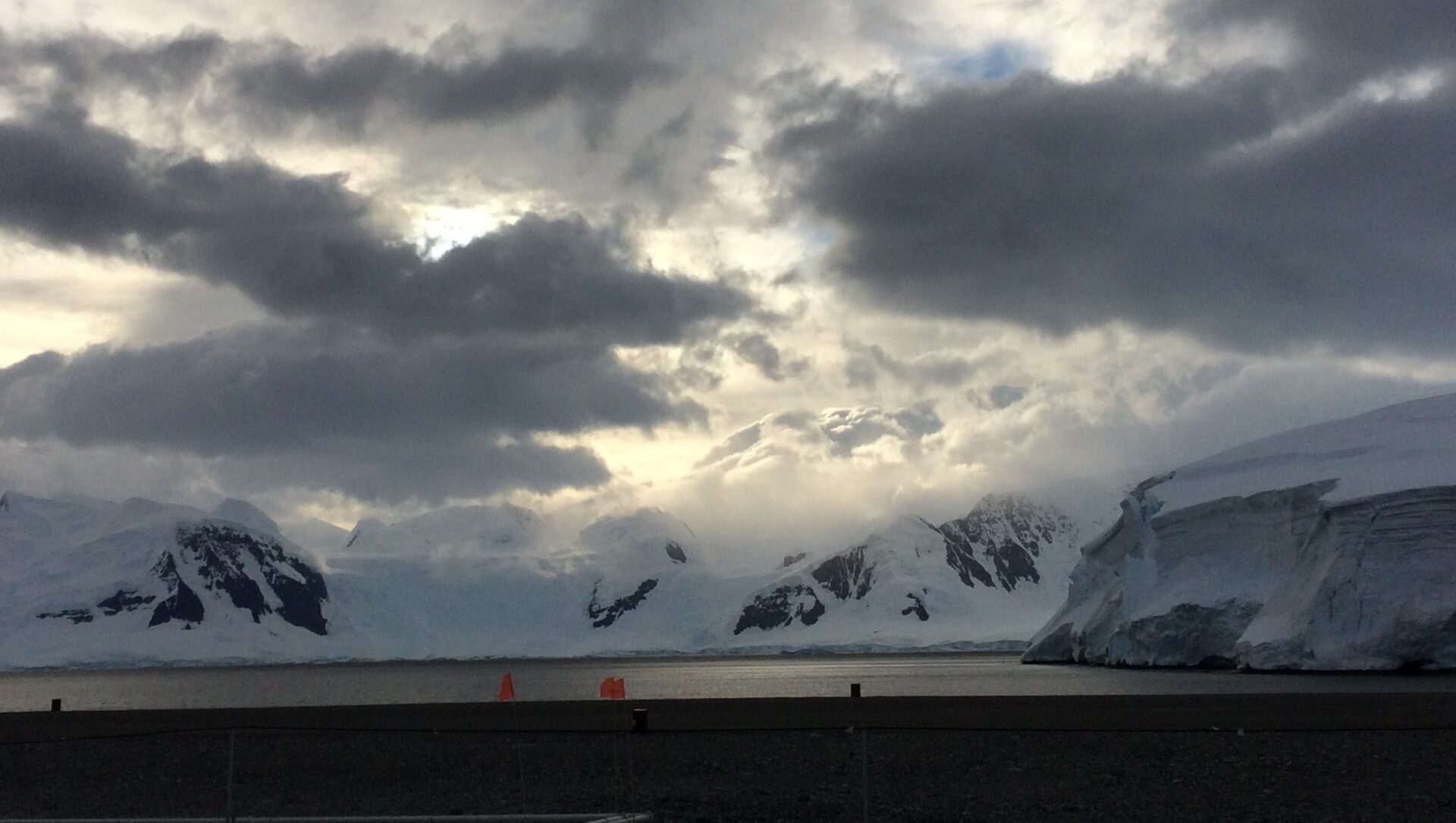
Published in Marine Environmental Research, the study focused on the giant amphipod Paraceradocus miersi, a species found in abundance in Antarctic waters and a relative of the sandhoppers common on temperate beaches. Researchers collected specimens from Ryder Bay on the Antarctic Peninsula and exposed them to a simulated freshening event, tracking how their body fluids and internal organs responded.
The amphipods retained some ability to regulate key chemicals critical to bodily function, including calcium. But their broader capacity to regulate the full range of ions that make up seawater’s concentration broke down – leaving them losing salts, gaining water, and suffering damage to their gills.
The researchers say this mechanism could account for significant deaths among shallow-dwelling individuals during the 2017 freshening event, and in similar events before and since.
Dr Simon Morley, an ecophysiologist at the British Antarctic Survey and study co-author, said: “As climate change continues, environments will change beyond the conditions that animals living there can cope with. In the seas around Antarctica, the biggest signal of climate change is the melting of ice and this is adding large quantities of freshwater into the oceans.
“This lowering of salinity could have dramatic impacts, reshaping the communities on the sea floor. Our study provides critical evidence of what could happen to different species in the future.”


"*" indicates required fields
Printed editions
Current issue
Back issues
Enjoy so much more from Oceanographic Magazine by becoming a subscriber.
A range of subscription options are available.
