Arctic’s ‘keystone’ fish faces collapse as melting ice floods ocean with light
New research warns polar cod could see their habitats transformed as soon as 2060, as thinning sea ice disrupts evolutionary survival rhythms
Populations of cold water fish like polar cod could be impacted by sea ice loss as soon as 2060, according to new research from the Bjerknes Centre, published in the journal Nature Communications.
Polar cod are a keystone species and play a critical role in the arctic food system, providing food for whales and birds.
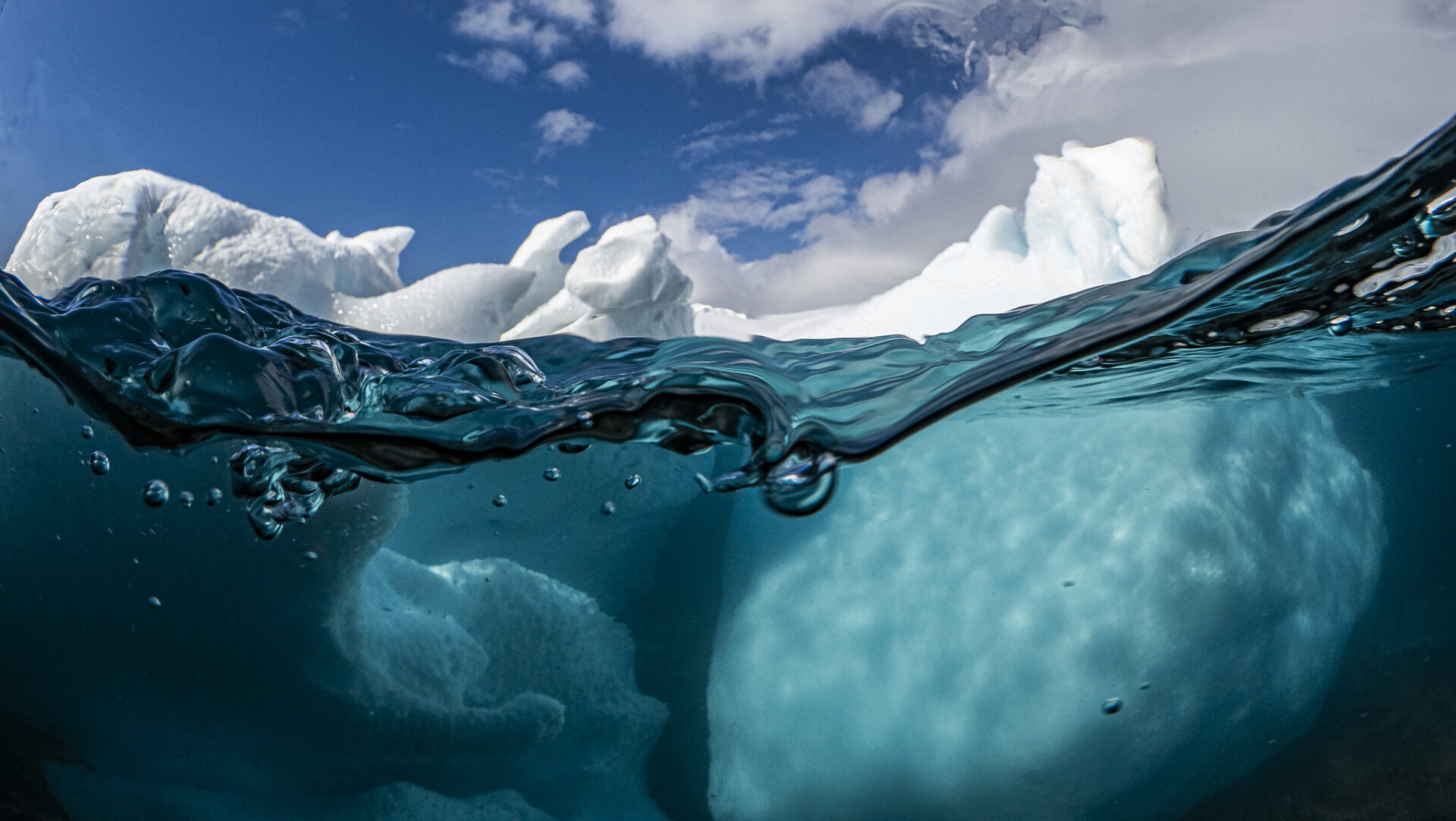
Under the Arctic sea ice, fish and plankton live in complete darkness, even in midsummer. Ice floes stop the sun’s rays, especially if they are covered by snow. But as the ocean heats up, the sea ice thaws, new regions are exposed.
Light plays an integral role in the ecosystem, determining growth and behavioural patterns. For instance, when spring time brings brighter days, algae numbers bloom and provide more food for zooplankton, meaning more food for small fish, extra sustenance for big fish, which in turn are eaten by even bigger fish or marine megafauna like seals.
Regions in the arctic have historically been covered by sea ice well through to the months of June.
In this new study – led by Trond Kristiansen at the Fallaron Institute in California, Kristiansen, and Øystein of the Bjerknes Centre and their colleagues – have considered the future of fish in a warmer ocean with less sea ice in the Arctic.
Their model simulations indicate that the amount of light will be 75% to 160% higher by the year 2100 compared to the period 1980-2000.
This will have a dramatic impact on the seasonal light availability and ocean temperature. As a consequence it will also change the behavioural patterns of ocean animals, like polar cod.

In other news

These polar fish have evolved to survive harsh, dark arctic winters through having a metabolism that slows down during the winter months, meaning they require next-to-no sustenance to make it through until summer.
But, as the winter ice thaws earlier, the spring algae bloom also comes earlier – and in summer, when the fish needs food the most, there will be less available.
Kristiansen is particularly worried about the fish’s access to food in July and August, when temperatures rise drastically and the availability of food decreases.
Polar cod thrives in the Barent sea, but in the future these climate-induced changes will make it much harder for their populations to survive the first year after hatching. Fewer fish will gain enough weight to make it through the following winter.
More worryingly, researchers are concerned that darker and colder habitats further north, will not be able to accommodate polar cod looking for a more suitable habitat.
“We do not expect the Arctic Ocean to become particularly productive,” said Varpe, professor of marine ecology at the Bjerknes Centre, “There may not be enough nutrients, and therefore no basis for large populations of fish.”
Varpe, reflecting on the climate-induced shake up of the arctic ecosystem added: “The cards are being dealt again.”


"*" indicates required fields
Printed editions
Current issue
Back issues
Enjoy so much more from Oceanographic Magazine by becoming a subscriber.
A range of subscription options are available.
