Are clues to climate change's future in the jaws of animals past?
A groundbreaking new international study has found that by looking at the chemical 'fingerprints' left behind in the shells, teeth, and bones of under-studied marine animals, scientists can form a glimpse into the future of environmental and climate change.

The answers to what lies ahead for the world’s changing climate could be found in the bones of marine life from the past. While this may sound like an oddly specific reading from a fortune cookie, it’s exactly what a groundbreaking study led by Australian scientists discovered when looking for new means to monitor global environmental change.
Researchers from the University of South Australia (UniSA) have found that by peering – quite literally – into the jaws of history, they have been able to analyse chemical ‘fingerprints’ left within the teeth, bones, and even shells of aquatic organisms for a glimpse at the future of both environmental and climate change.
By taking a closer look at various ‘understudied’ marine species, the project – led by scientists at UniSA but combining the work of experts from universities across Canada, Croatia, and the UK – has been able to extract historical records of the environment from species it refers to as ‘natural data loggers’.
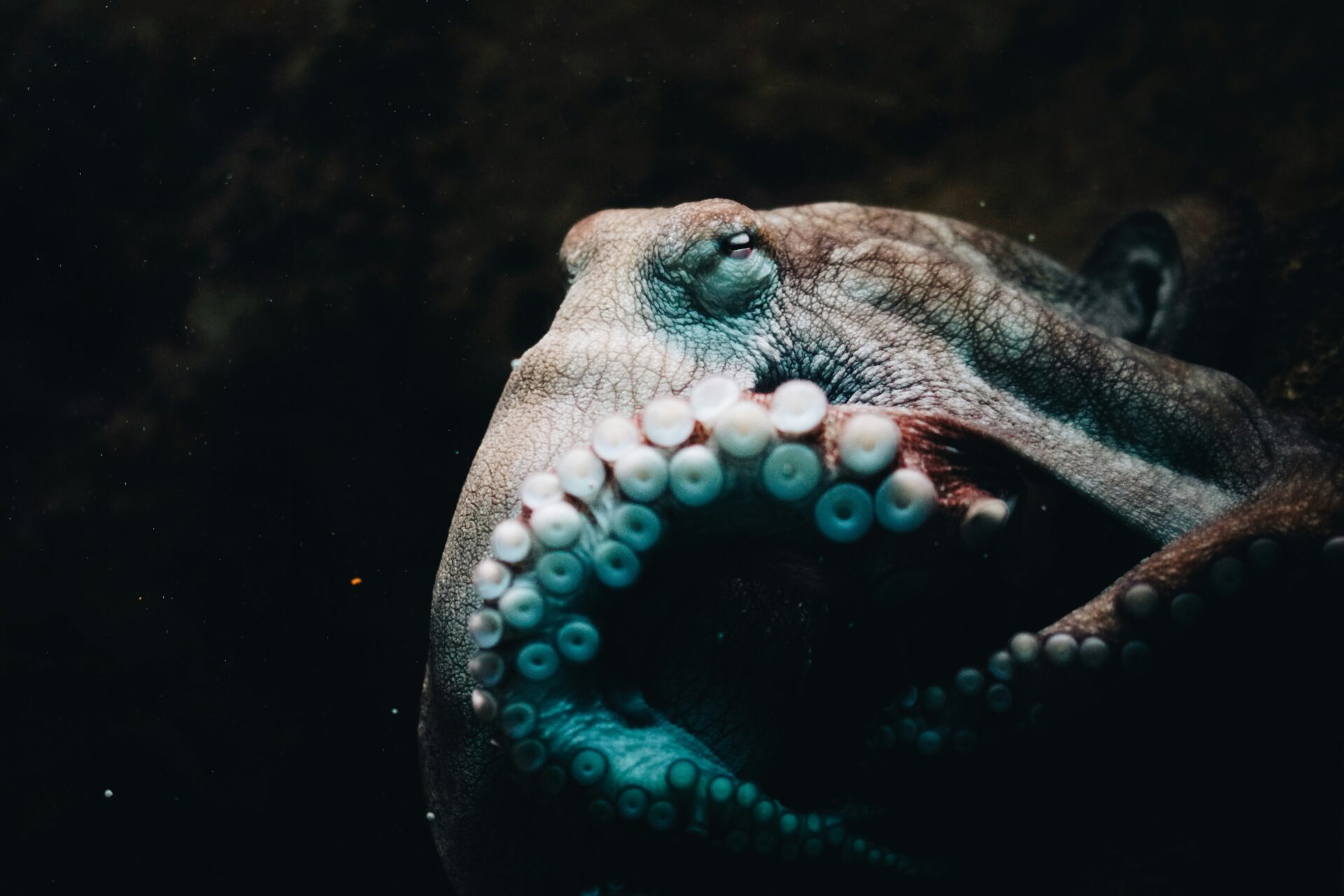
“Many aquatic organisms – like whales, seals, octopus, and even algae – harbour chemical fingerprints that can give us a record of the environment over time, from historical water temperatures, pollution levels, and ecosystem health,” said Dr Zoe Doubleday who led the study on behalf of UniSA’s Future Industries Institute.
“But they can also be used to predict the future.”
Using a technique called chemical sclerochronology – the study of periodic physical and chemical features in the hard tissues of animals that grow by accretion, including invertebrates and coralline red algae – “ready-made” archival data can be extracted efficiently and at a fraction of the cost of more traditional methods of environmental and climate data collection.
“Unlike traditional environmental monitoring, which can be costly and time consuming, or simply impossible, these organisms provide cheap, ready-made data,” said Dr Doubleday.
By studying this collection of “under-appreciated” organisms, ranging from sponges and barnacles to marine mammals and “everything in between”, the research team was able to compile an extensive database while its analysis has uncovered “huge gaps” in the current research landscape.
In other news
“These findings are crucial, as data on aquatic environments is both scarce and challenging to gather, especially in remote regions like the polar seas or deep oceans, both of which are sensitive to climate change,” said Dr Doubleday.
“Expanding our focus beyond traditional methods and species will allow scientists to tap into a wealth of data that’s been largely overlooked until now. It will help us to track environmental changes, species ecology, pollution and human impacts, informing conservation strategies so we can manage our ecosystems more effectively.”
The paper – titled Capitalising on the wealth of chemical data in the accretionary structures of aquatic taxa: opportunities from across the tree of life – is published in Limnology and Oceanography Letters. It posits that addressing the lack of aquatic data is “an important step towards rectifying the current bias in conservation management and policy” between marine and terrestrial efforts.
“Understanding past environmental conditions is crucial for managing future change,” says Dr Doubleday. “Under-sampled taxa, such as black and soft corals, gastropods, seals, brachiopods, sponges, and coralline algae have all been used to reconstruct past environments in recent time.
“For example, brachiopod records have revealed multi-decadal changes in sea surface temperature and carbon dioxide levels in the Subarctic and found the region was warming six times the global average, while soft coral and seal teeth records have revealed multi-decadal shifts in nutrients in western North Atlantic and Barents Sea.
“Importantly, under-sampled taxa can help fill gaps where instrumental or proxy data from traditional sources are scarce.
“To this end, we encourage researchers to make the most of the many existing biological archives across the tree of life and take advantage of unexploited opportunities in ongoing sample collection programmes.”


"*" indicates required fields
Printed editions
Current issue
Back issues
Enjoy so much more from Oceanographic Magazine by becoming a subscriber.
A range of subscription options are available.
