Investigation exposes horrific human and animal abuse on high seas squid boats
Serious human rights abuses, avoidable deaths, and reports of vulnerable megafauna being caught – including seals having their teeth pulled out for jewellery – are detailed.
An investigation has revealed illegal, destructive fishing practices, and devastating animal and human abuse on squid fishing boats, made possible by governance vacuums in the high seas.
Due to a lack of traceability, products tied to these high-seas abuses are making their way into global supply chains, landing in major import markets like the EU, China, and the United States.
The EU is the world’s largest market for squid and cuttlefish imports at 29%, followed by China (21%), Thailand (11%), Japan (8%), South Korea (8%), and the United States (4%). However, if EU member states are evaluated individually, Spain imports half of the EU’s total, making it the world’s second-largest single country importer behind China.
The Environmental Justice Foundation’s investigation took four years to bring together. They interviewed 431 fishers from Indonesia and the Philippines who had worked on 249 vessels in these squid fisheries between 2020 and 2025. The boats were largely from China (70%), Taiwan (16%) and South Korea (14%) and operated across Northwest Indian, Southwest Atlantic, and Southeast Pacific Oceans.
Almost all interviewees reported at-sea trans-shipment – a practice that allows vessels to remain at sea for extended periods, obscuring the origin of catches and enabling illegal or unsustainable products to enter global supply chains.
The interviews revealed serious animal and human rights abuses. Shark finning was rampant across Chinese squid vessels: 60% of Chinese vessels were alleged to have engaged in the activity. Shark finning involves slicing the top fin off the animal, their finless bodies are then released back into the ocean where the creatures often die. Unable to swim they die from drowning, from blood loss or predation.
Vulnerable megafauna were also caught in 53% of the vessels, and 18% engaged in unauthorised fishing, often targeting tuna or tuna-like species.
In other news
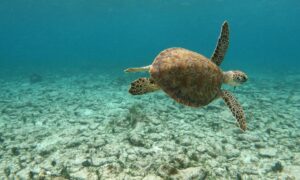
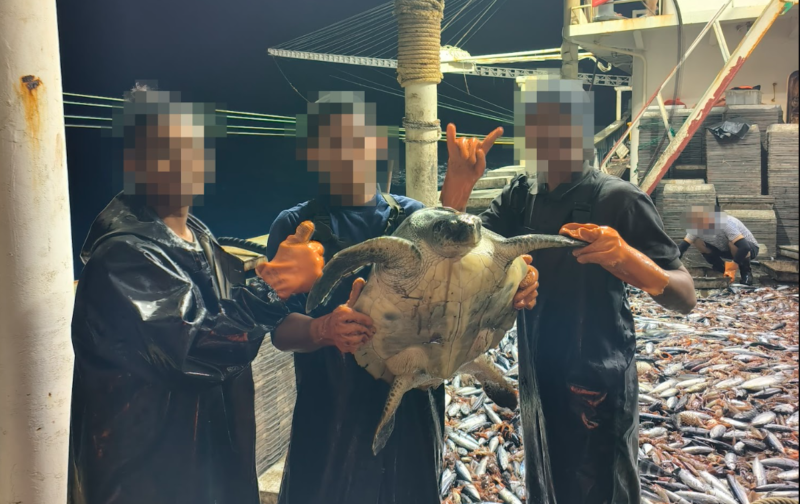
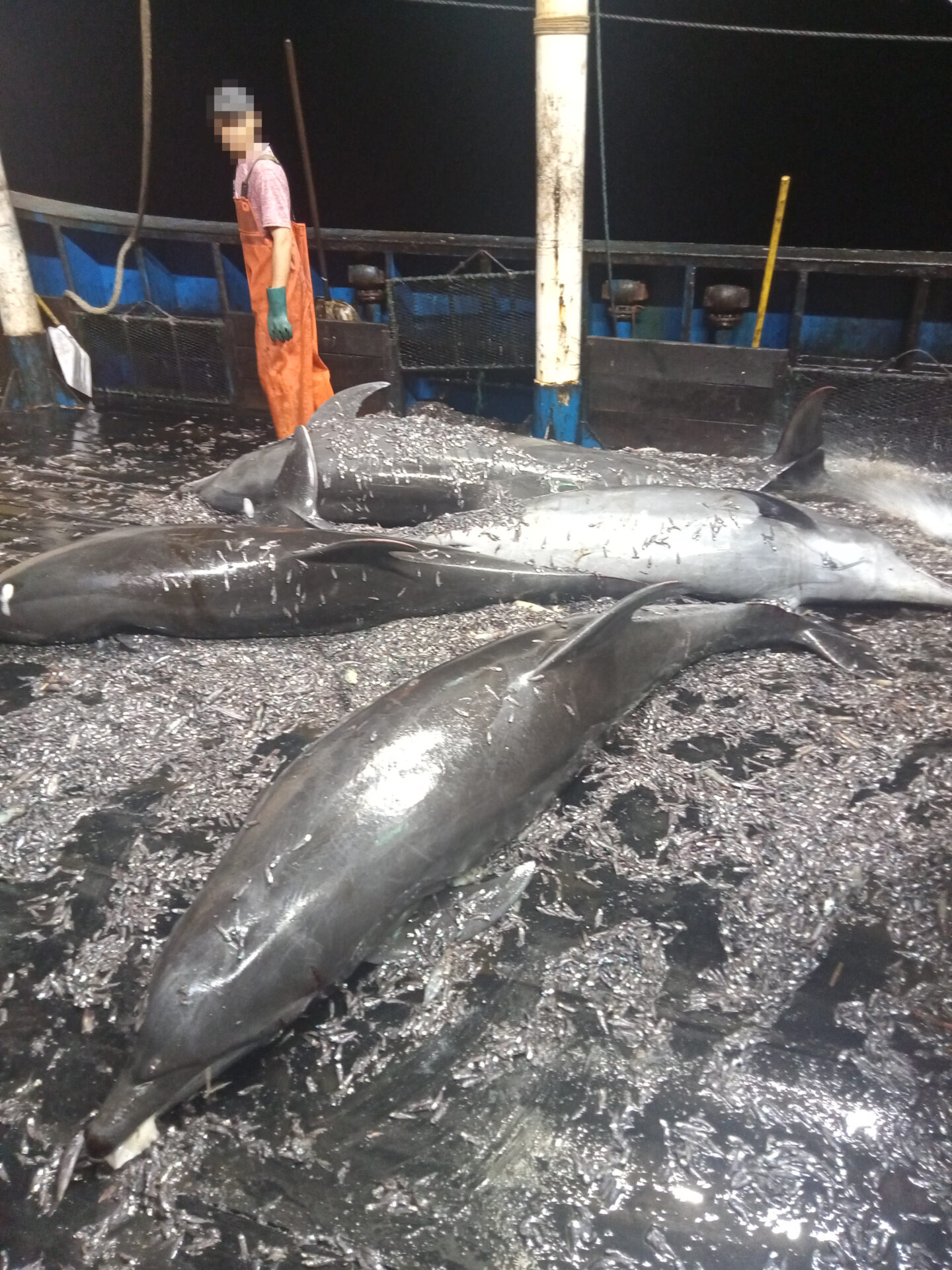
The investigation revealed reports of individuals and pods of dolphins being caught and hauled aboard, sometimes their teeth were pulled out, sometimes their bodies were used as bait and sometimes their dead bodies were released back into the ocean.
Whale sharks, manta rays, turtles, seals and penguins were also consistently reported as being captured and killed by interviewees.
“A turtle was used as bait. It was only used once. The turtle was accidentally caught in the net, we wanted to help release it but the captain directed us to use it as bait. It was there for almost three months, the turtle was severely wounded. The turtle attracted many squids and fish, we had a great catch,” one Filipino fisherman said in his interview about working on a Chinese-flagged light seiner operating in the Northwest Indian Ocean in 2023.
“The crews frequently hunted them [seals]. [To] look for the teeth. For jewellery.[…]They [the skin and bodies] were thrown away.[…]Sometimes, it was ordered by the bosun. Sometimes, it was their initiative,” said another Indonesian fisher working onboard a Taiwanese-flagged squid vessel operating in the Southwest Atlantic, January 2023.
Many fishers on the boat also described conditions which suggested forced labour was taking place, for instance the withholding of wages, debt bondage, the retention of identity documents, physical and sexual violence, intimidation and threats against workers or workers’ relatives.
The majority of these abuses took place on Chinese-flagged vessels.
“Without any warning, he was immediately beaten, choked, and kicked. He was beaten up from the work area all the way down to the hold. Yes, he was beaten up, and he was also being chased. The captain and the bosun acted like it was normal. One of them even laughed. They only watched. When we were punched or beaten up, they would just watch us,” an Indonesian fisherman who had worked on a Chinese-flagged light seiner operating in the Northwest Indian Ocean in June 2025 said.
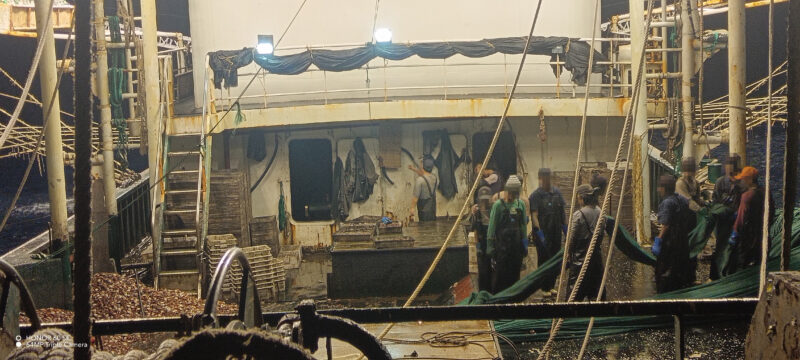
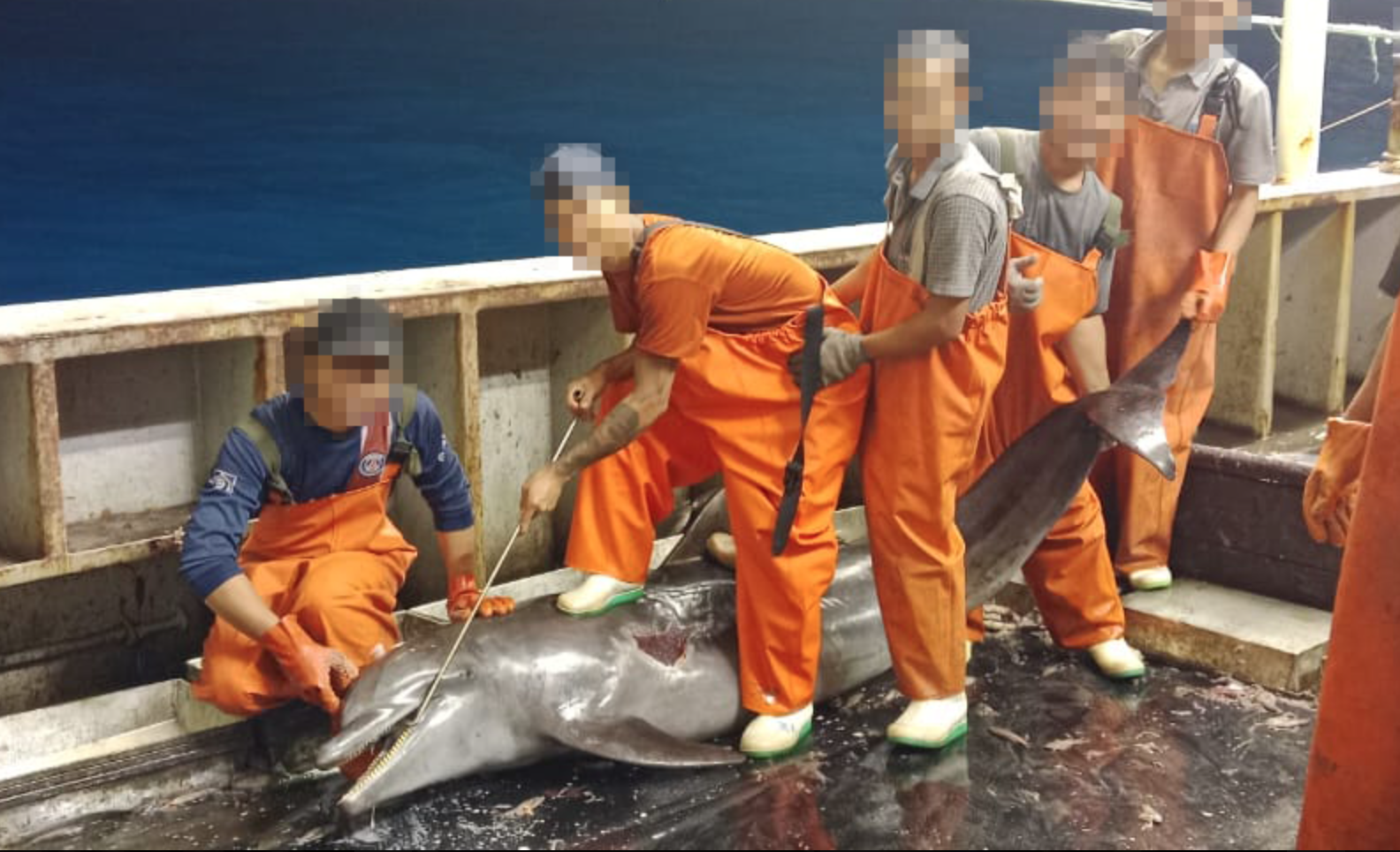
Alongside this, 25 deaths were reported across the 20 surveyed vessels, nine of which were suspected to be due to beriberi – a preventable and treatable disease caused by severe vitamin deficiency which was rampant in merchant and navy ships in the 1800s.
High seas fisheries present a difficult governance challenge – since no state has exclusive rights over high-seas stocks, operators have little incentive to curtail their own catch. Research shows that the more countries that share a fishery resource, the greater likelihood that the fishery will become overfished and depleted.
The report highlights that transparency measurements are urgently needed on the High Seas.
The report recommends urgent action from governments, industry and international bodies, including stronger oversight of distant water fleets; strict regulation of trans-shipment, limits on time spent at sea, and improved labour protections for fishers, and market states – including major seafood importers – must also strengthen controls to prevent products linked to illegal fishing and forced labour from entering supply chains.
The High Seas Treaty, which entered into force in January 2026, provides an avenue through which to narrow these governance gaps. The legislation creates the first global mechanism for establishing area-based management tools, like marine protected areas, in waters beyond national jurisdiction.
Steve Trent, CEO and founder of EJF, said: “What this investigation reveals is a systemic failure of governance on the high seas. In the absence of transparency and effective regulation, illegal fishing, environmental destruction and human rights abuses are not exceptions; they are the norm.”


"*" indicates required fields
Printed editions
Current issue
Back issues
Enjoy so much more from Oceanographic Magazine by becoming a subscriber.
A range of subscription options are available.
