Scientists again advise zero cod catch across UK waters to prevent stock collapse
The International Council for the Exploration of the Sea says cod in the North Sea, Irish Sea, Celtic Sea and English Channel is at risk of collapse, as 29 scientists urge the UK Government to follow the evidence
Scientists again advise zero cod catch across UK waters to prevent stock collapse
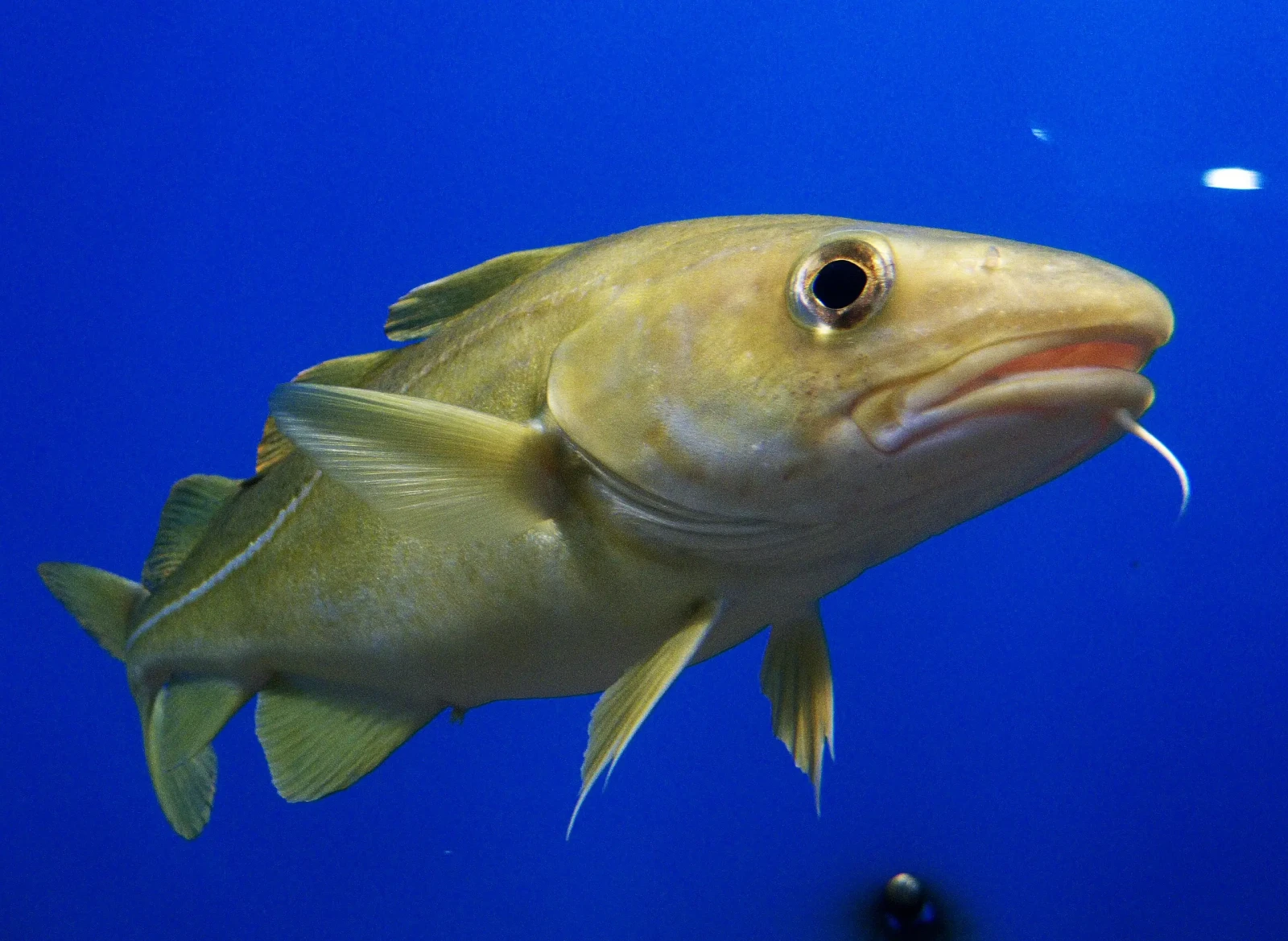
The international scientific body ICES has once again advised a “zero catch” for cod across the North Sea, Irish Sea, Celtic Sea and English Channel next year, citing the latest population data showing a clear risk of collapse.
The International Council for the Exploration of the Sea also advised a catch of no more than nine tonnes for the waters around Rockall, the granite islet 187 miles west of St Kilda.
The campaign group Oceana UK said experts had pointed to dangerously low numbers of breeding adults in the North Sea and waters “robbed of young fish”. In the English Channel, it said, there are “barely any cod at all”.
Spawning stock biomass, the weight of breeding adults, has flatlined in the western English Channel and southern Celtic Seas in recent years and is estimated to be as low as 133 tonnes in 2026. It sits below three key thresholds known as MSY Btrigger, Bpa and Blim, which indicate that the stock faces a heightened risk of collapse.
“The truth is simple: UK seas cannot take much more,” said Hugo Tagholm, executive director of Oceana UK. “For yet another year, experts have issued a red alert over the severe risk of collapse of UK cod stocks.” He accused the Government of ignoring known limits and of favouring “a few wealthy corporations” over nature-friendly fishers, adding: “No fish means no fishing.”

In other news
The advice comes in the same week that 29 scientists from universities and research institutes across Scotland, England, Wales and beyond signed an open letter urging the UK Government to set catch limits in line with scientific advice. The letter was sent during the annual negotiations between the UK and other coastal states over catch limits for the year ahead, and was addressed to the Environment Secretary, Dame Angela Eagle.
It states that the UK is “among the key contributors to setting total allowable catches above scientific advice” and warns that if the advice continues to go unheeded, this “runs a serious risk of permanently harming these fisheries and the economies of coastal communities across the UK”.
Professor Callum Roberts, a marine conservation specialist at the University of Exeter, said following the scientific advice on safe catch levels was “the foundation of good fisheries management”. “For years ministers have set excessive quotas which have led to decline, collapse and economic hardship for the industry,” he said. “You can’t negotiate with nature on how many fish are produced. You have to work with nature’s limits.”
The letter also criticises what it describes as attacks on the science itself, saying that fishing in line with scientific advice “works” and can deliver “a long-term regenerative source of seafood for years to come”.


"*" indicates required fields
Printed editions
Current issue
Back issues



Enjoy so much more from Oceanographic Magazine by becoming a subscriber.
A range of subscription options are available.
