Conservationists take Trump office to court over deep-sea mining
Conservation groups have sued NOAA over its certification of The Metals Company USA's deep-sea mining exploration application, arguing the agency failed to give the public a chance to scrutinise it.
A legal challenge has been launched against the first US certification of a deep-sea mining exploration application since President Trump took office, with conservation groups campaigning for a public that was ‘shut out of the process.’
Conservation Council for Hawai’i and the Center for Biological Diversity – represented by Earthjustice – have filed a lawsuit challenging the National Oceanic and Atmospheric Administration’s certification of an application from The Metals Company USA.
The consortium argues the agency violated the procedural requirements of the Deep Seabed Hard Mineral Resources Act (DSHMRA), which are meant to ensure transparency and public participation.
Notably, the NOAA failed to make any relevant materials available for public review. That includes studies on the effects of the proposed activities, and information on whether The Metals Company USA meets the statutory requirements for a licence.
“NOAA short-circuited the law in its haste to jump-start an untested, speculative industry seeking to mine our ocean’s most undisturbed places,” said Earthjustice attorney, Chris Eaton. “We’re asking the courts to pump the brakes to ensure legally required public transparency and accountability before this administration gives mining companies free reign over our oceans.”
An exploratory licence is the first step a US company must take under the law to obtain US approval to mine in international waters. Several other applications are currently pending.

In other news
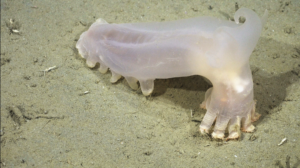

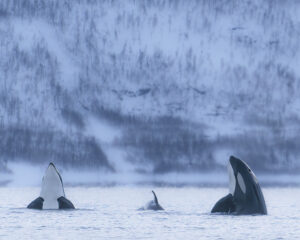
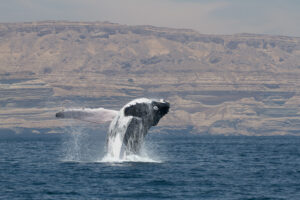
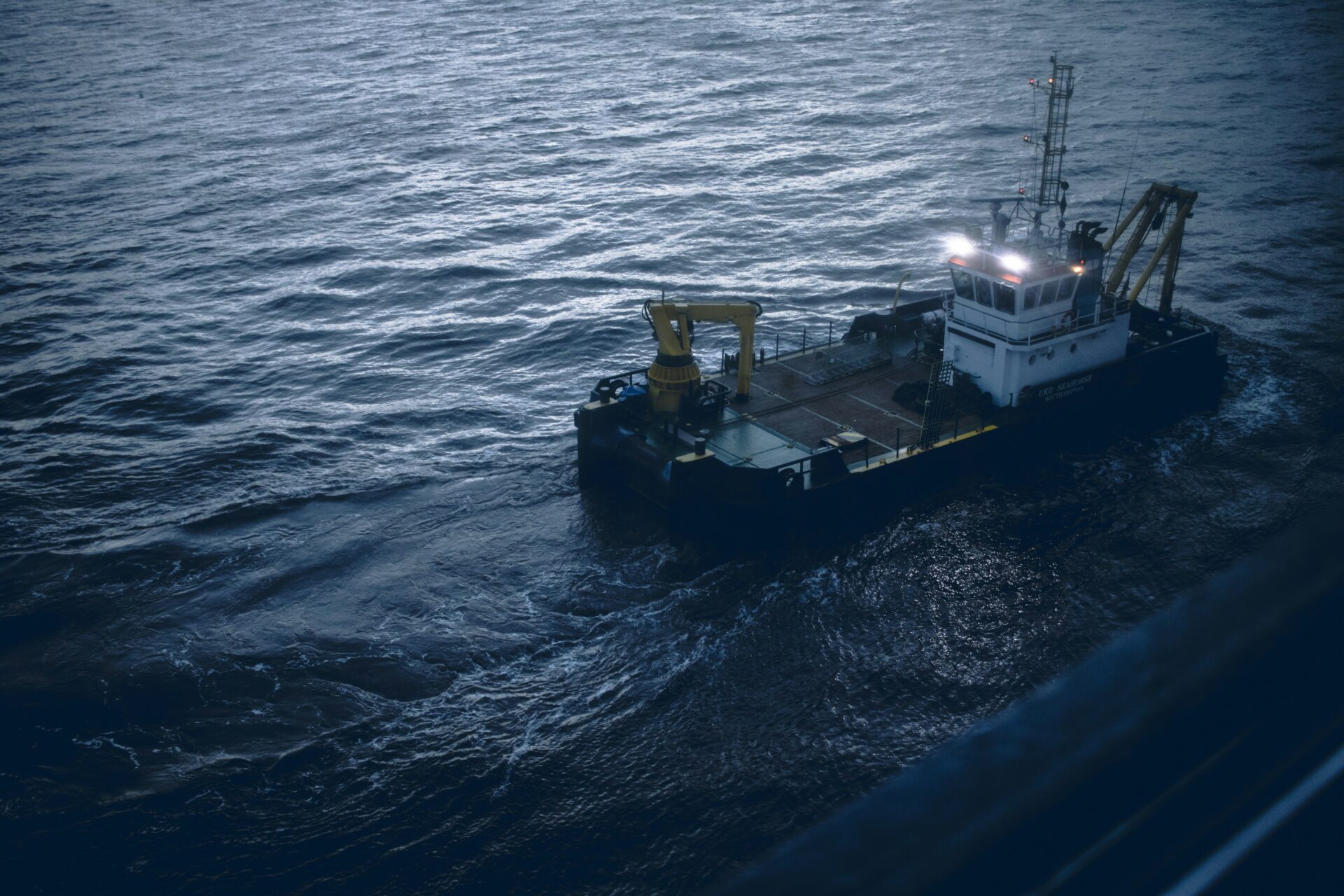
Deep-sea mining proposes to extract metals from some of the deepest parts of the ocean. Scientists believe biodiversity loss and habitat destruction will be unpreventable and irreversible if mining using the proposed methods were to advance at scale.
Beyond direct habitat destruction, mining and exploration will generate noise and light pollution, sediment plumes, wastewater and residual toxic heavy metals. These could drift far from the mining sites and contaminate the water column and nearby ecosystems.
“Upholding procedural requirements prior to issuing permits for deep sea mining exploration is imperative to the health of the ocean and the communities that depend on its resources” said Jonee Peters, executive director of the Conservation Council for Hawai’i.
“The Pacific Ocean is home to many endangered and unknown species, unexplored ocean floors, and seamounts. These important and fragile ecosystems will be disturbed from noise and light pollution, sediment, and other toxic contaminants. Not only do the planet’s marine creatures and plants depend on a healthy ocean: we all do.”
Emily Jeffers, a senior attorney at the Center for Biological Diversity, said: “Trump has no right to rush into decisions about plundering international waters. It’s especially outrageous that the public hasn’t been able to examine the details of this deep-sea mining proposal, which should be completely transparent.
“We have so much to lose by unleashing destructive mining practices onto these incredible ocean ecosystems. We have to ensure sea life gets the protection it deserves.”
Congress passed DSHMRA in 1980 as what was intended to be an interim authority for NOAA to manage US seabed mineral exploration and mining in international waters until an international treaty took over. When the United Nations Convention on the Law of the Sea came into force in 1994, it established the International Seabed Authority to regulate seabed exploration and mining in international waters.
The United States never ratified the convention, so DSHMRA continues to offer US companies a licensing pathway.
The International Seabed Authority itself has not yet authorised commercial deep-sea mining. The Metals Company USA is instead seeking unilateral authorisation from the United States to carry out exploration and mining under DSHMRA.
The company applied to NOAA in July last year for two DSHMRA licences to conduct exploration in the Clarion-Clipperton Zone, an area of the Pacific between Hawai’i and Mexico that falls under the Seabed Authority’s jurisdiction. Its application was the first to propose at-sea exploration activities under the deep seabed mining law.


"*" indicates required fields
Printed editions
Current issue
Back issues



Enjoy so much more from Oceanographic Magazine by becoming a subscriber.
A range of subscription options are available.
