“Transforming before our eyes”: ocean absorbing record heat
From accelerating sea-level rise to rising acidity and shifting phytoplankton, a new report reveals the scale of change already underway in the world's ocean
A record-breaking amount of heat was absorbed by the ocean last year, warming its seas, disrupting marine food-webs, increasing the force of storm surges and “reaching into the lives, livelihoods and security of people everywhere”, a report has found.
Last year alone, the ocean absorbed roughly 23 zettajoules in heat – equivalent to the energy of 12 Hiroshima-scale atomic bombs exploding every second for an entire year.
The ocean already plays a major role in buffering the impacts of human-induced climate change having absorbed some 90% of the world’s excess heat.
That is translating into accelerating sea level rise, changes to ocean currents and salinity, increased acidity, and intensified storms creating disruption to critical ocean food webs and coastal communities.
“The ocean is transforming before our eyes: warming, rising seas and ecosystem degradation are interconnected signs of significant and long-term change,” said Pierre Bahurel, director general of Mercator Ocean International, who published the report.
The report estimated that the mean sea level rose by about 3.8mm each year between 1999 and 2025, but this figure was 4.2mm for the years between 2012 and 2025.
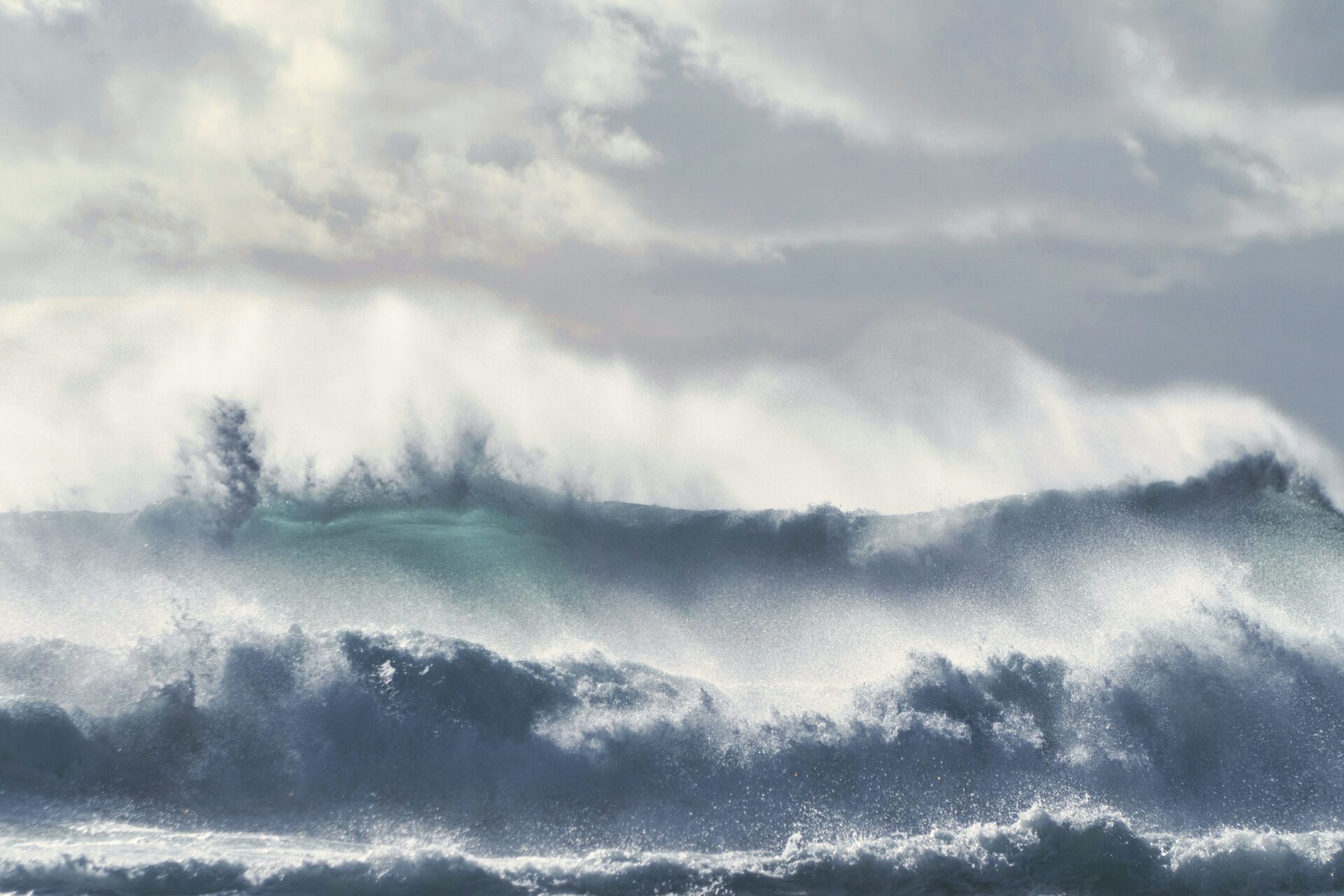
This accelerating sea level rise intensifies the effects of storm surges and extreme wave events already impacting local communities. Storm Louis, which struck in 2024, caused major transport disruption, widespread power outages and one fatality, and disrupted operations at two Spanish harbours. Strong winds generated highly energetic waves exceeding eight metres in height.
Small island developing states (SIDS) are home to some of the world’s most critical – but endangered – coral reefs. SIDS communities are becoming increasingly vulnerable to climate risks: two-thirds of their combined economic areas had been directly exposed to accelerating sea level rise since 1999.

In other news




As the ocean absorbs more carbon dioxide, its acidity levels have increased by 17%. As this acidity increases, calcifying species like oysters, clams, sea urchins, and cold-water corals can struggle to build and maintain calcium carbonate shells. Higher acidity can also physically dissolve the delicate shells of tiny swimming marine snails (pteropods) and essential plankton.
As shell-building base species decline, predators higher up the food chain – including commercially important fish and human fisheries – face food shortages and habitat degradation.
The growth pattern of plankton has also been disrupted: increasing ocean temperatures reduces vertical mixing in the ocean, cutting off essential nutrient supplies from deeper waters which phytoplankton depend on to grow.
Coral reefs too are feeling the impact: between January 2023 and September 2025, 84% of the world’s coral reefs experienced bleaching-level heat stress.
Scientists found that heatwaves were particularly acute in the Mediterranean and Black Seas – with elevated temperatures persisting deep below the surface – and episodes of extreme heat that have lasted more than a month.
“The ocean is one of the clearest indicators of the profound shifts taking place across our planet,” said Celeste Saulo, WMO secretary-general.
The Arctic has warmed particularly sharply, with sea surface temperatures rising by about 4.2°C over the past four decades – well above the roughly 2.8°C rise in air temperature recorded in the region over the same period. Sea ice extent in the Arctic has declined by an average of about 4% per decade since the early 1980s, with the steepest losses recorded in Canada’s Hudson Bay (16% per decade), the Barents Sea north of Norway (12% per decade) and the East Greenland shelf (8% per decade). Sea ice loss is also contributing to increased wind and wave activity that is accelerating coastal erosion.
In the Antarctic, sea ice loss is already affecting polar life: In the Antarctic, four emperor penguin colonies saw total breeding failures in 2022 during periods of record-low sea ice.
The findings come during an El Niño event across the Pacific that is already breaking records by some measures and is expected to peak by the end of the year. The naturally occurring warming cycle typically drives sea temperatures even higher on top of those already caused by climate change.
“The ocean is changing, and those changes are reaching into the lives, livelihoods and security of people everywhere. We have the knowledge. We have the evidence. Now we need the political will to act. Together we can,” said Peter Thomson, UN Secretary-General’s Special Envoy for the ocean.


"*" indicates required fields
Printed editions
Current issue
Back issues




Enjoy so much more from Oceanographic Magazine by becoming a subscriber.
A range of subscription options are available.
