Europe’s mackerel fishery faces severe threat despite slight rebound
With mackerel populations down 72% since 2016, experts warn coastal nations must follow scientific advice and reduce catch limits to avoid stock collapse.
Northeast Atlantic mackerel stocks remain under severe pressure despite a slight biological recovery, with scientists calling for an 11% reduction in catch levels to prevent further depletion.
The International Council for the Exploration of the Sea (ICES) has recommended a 2027 catch limit of 352,938 tonnes for the fishery, according to scientific advice published on 30 September.
The figure is 102% higher than last year’s historically low baseline, but still represents an 11% reduction on current catch levels, according to the assessment. Conservation groups said the advice remains the second-lowest issued for the stock in 15 years.
The stock has declined by 72% since 2016, despite improved recruitment and higher average fish weights lifting spawning-stock biomass above the critical biological limit.
ICES attributes the improvement to strong recruitment from the 2024 year class and higher average fish weights. The source material describes the stock as remaining in a precarious state despite the biological improvement.
“The stock has declined by 72% since 2016 and is still below the level required by international treaties and UK domestic law,” said Jonny Hughes, fisheries policy lead at the Blue Marine Foundation.
“The fact the stock has avoided a further decline is good, but it highlights the uncomfortable reality that governments came dangerously close to repeating the mistakes that have driven other fish stocks into collapse,” Hughes added.

In other news

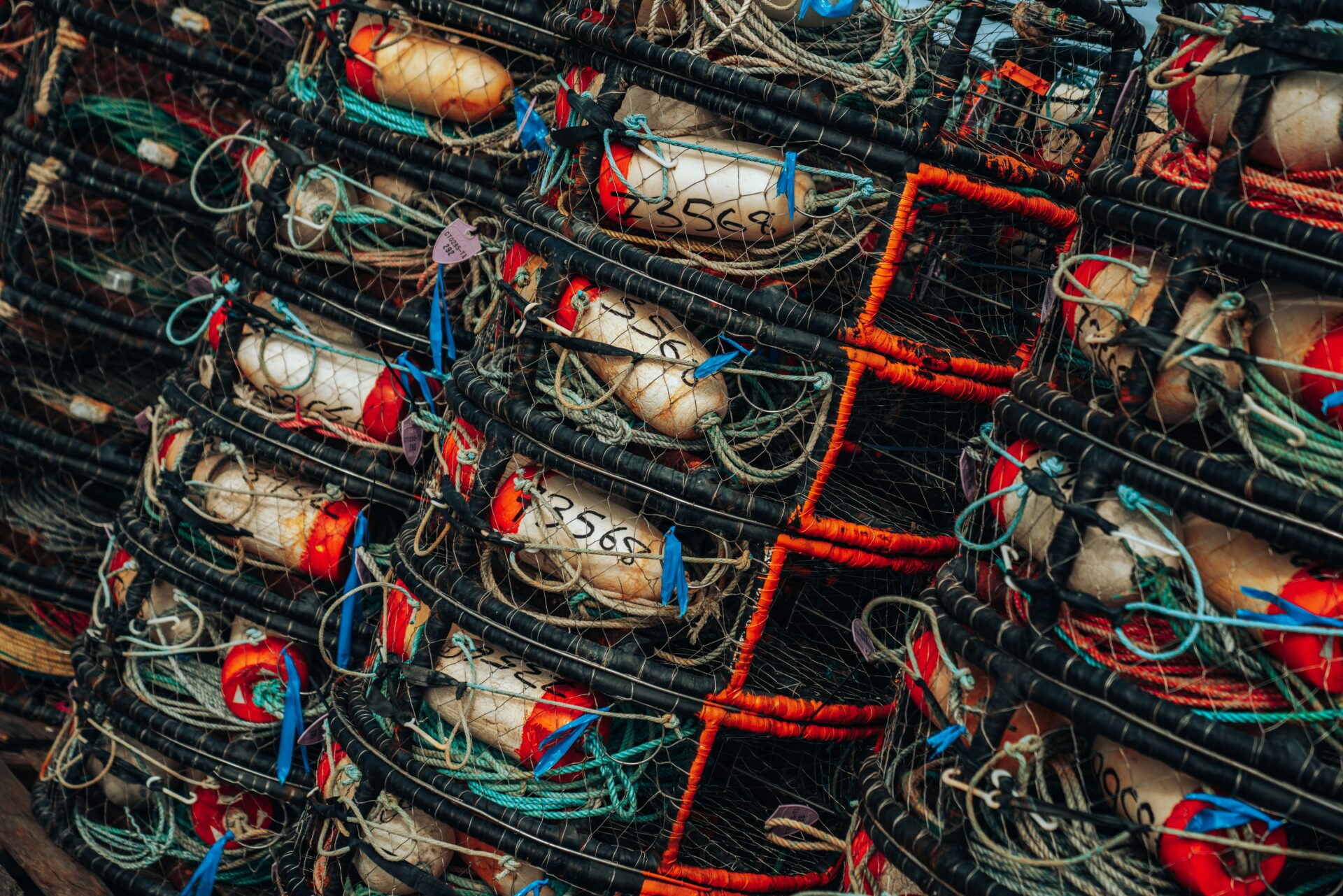
Since 2010, combined quotas for Northeast Atlantic mackerel have exceeded scientific advice by 39% on average. Last year, the UK, Norway, Iceland and the Faroe Islands managed around a 60% reduction in mackerel catch limits for 2026.
“It is good to see that this effort to create a shared agreement allowed mackerel populations to show some signs of recovery. But this is a testament to the power of the ocean to persist and recover, it is not a gold star for fisheries management,” said Hugo Tagholm, executive director of Oceana UK.
The pressure on the fishery has also had commercial consequences. Waitrose suspended sourcing and sales of Northeast Atlantic mackerel earlier this year over chronic overfishing and governments’ failure to bring catches into line with scientific advice.
“As coastal nations begin negotiations this autumn to set 2027 catch limits, they must follow the science and build the recovery,” Tagholm added.
The advice comes as coastal nations prepare to negotiate 2027 catch limits. ICES is due to publish its advice on Northern Shelf cod on 9 October, providing another test of fisheries management in UK and European waters.


"*" indicates required fields
Printed editions
Current issue
Back issues



Enjoy so much more from Oceanographic Magazine by becoming a subscriber.
A range of subscription options are available.
